Why Sun Basket Is More Like Stitch Fix Than Blue Apron
The troubles Blue Apron's faced since going public last year has raised one big question for other meal-kit delivery start-ups in the ever-more-crowded space: what makes you stand out?
But Sun Basket's CEO doesn't think that question applies to his company.
“For us, it’s a fundamentally very different business,” Adam Zbar told Cheddar.
While Sun Basket does deliver packaged, pre-portioned meal-prep kits, it specializes on specific diets from Paleo to Mediterranean to gluten-free. Zbar says that gives his customers a more curated experience, more akin [Stitch Fix](https://cheddar.com/videos/how-stitch-fix-navigated-a-male-dominated-vc-landscape), the online styling subscription service.
Grocery shopping is harder for people sticking to strict diets than it is for those who don't have restrictions, explained Zbar. He says the convenience provided by Sun Basket makes it less likely customers abandon their subscriptions.
“Our retention rates are much higher than other players in the field, and the reason why is that we focused on a need.”
The company’s business model seems to resonate with investors too. Earlier this year, Sun Basket raised another [$57.8 million](https://www.prnewswire.com/news-releases/sun-basket-raises-578-million-in-new-funding-led-by-august-capital-300588291.html) in funding.
For full interview, [click here](https://cheddar.com/videos/healthy-cooking-made-easy).
Constituent service platform Indigov recently raised $25 million in a Series B funding round. Indigov bills itself as a constituent relationship management tool that helps elected officials improve the way they organize, respond to, and engage those they serve. The startup's services are being used by federal, state, and local governments across the country, including the U.S. House of Representatives. Alex Kouts, founder & CEO of Indigov, joins Cheddar News' Closing Bell to discuss.
It can be tough to make sustainable choices, and even harder when sustainable materials don't hold up. Loliware has a solution to the plastic straw problem: its seaweed-based straws are stronger than paper alternatives and once used, can be composted and return to the earth or sea without causing harm. Sea Briganti, CEO of Loliware, joins Closing Bell to discuss the tech behind the straws, new product launches, and more.
Sonia Lapinsky, managing director of retail at AlixPartners, breaks down some new shopping trends she's seeing at a time when inflation is near a 40-year high. She also explains what fresh economic data and recent retail earnings could mean for the future of the industry.
The 2022 NBA playoffs are intensifying as four teams vie for an NBA finals berth. Tonight, Stephen Curry and the Golden State Warriors can book their finals ticket with a win over the Dallas Mavericks, while Miami will be feeling the 'heat' tomorrow night, facing elimination against the Boston Celtics.
And with the growing popularity of sports betting, the NBA playoffs offers a potential money-making opportunity for fans. Trysta Krick, host of BetMGM Tonight, joins Cheddar News' Closing Bell to discuss.
Snap stock saw the worst day ever after a large drop in price on Tuesday following warnings of revenue and earnings slowdown. This trend caught on with other social and digital media stocks due to fears that brands heavily relying on advertising get hit with the same inflation struggles. However, some analysts note that Snap may be a unique case due to a rapid, possibly unsustainable, expansion leading to the current grim forecast.
From Meta’s Oculus to PlayStation’s VR headsets, Cheddar News anchors Ken Bufa and Kristen Scholer cover the potential for this tech in Cheddar Connected as more heavy hitters like Apple look to take the stage.
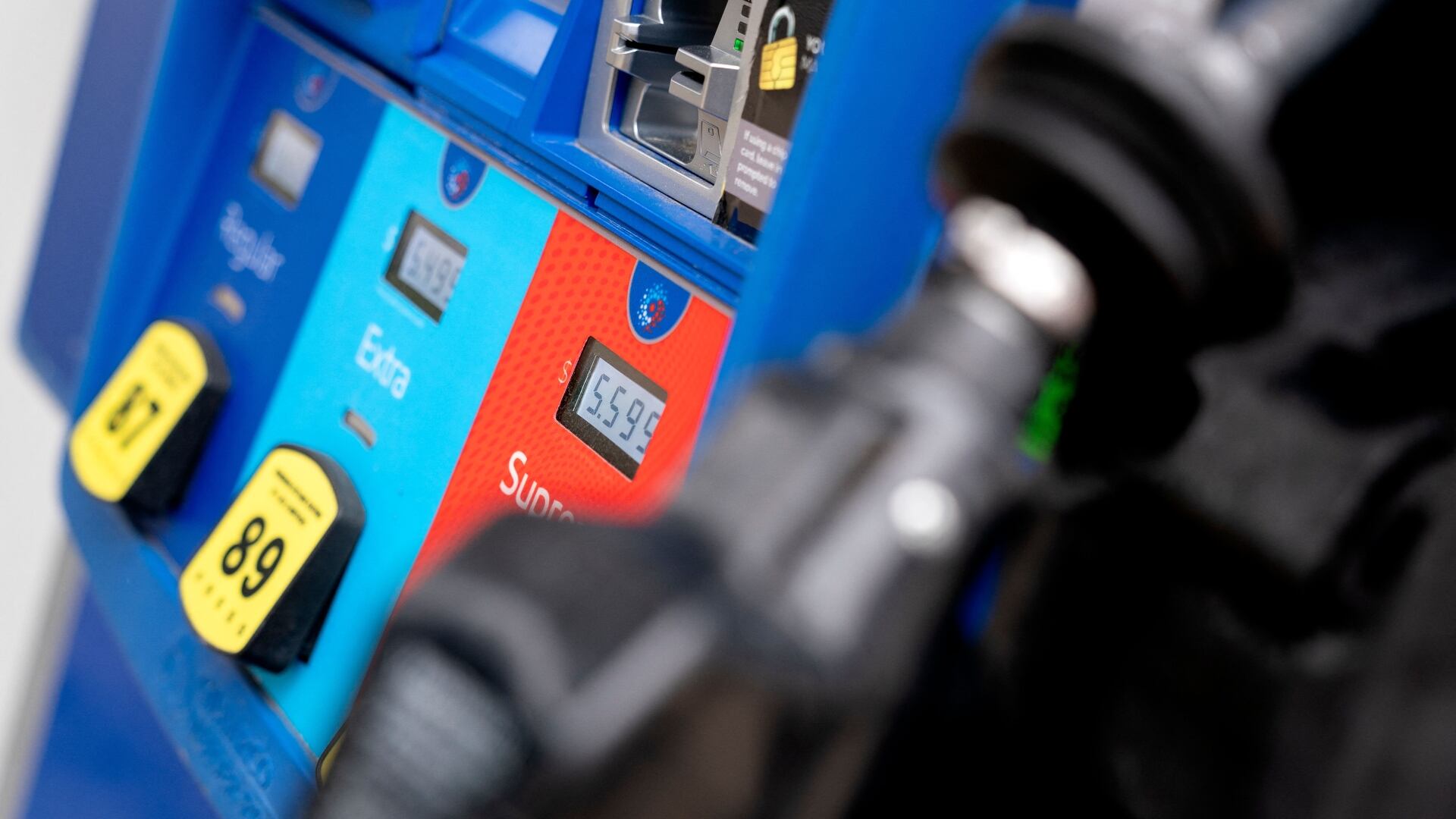
As the holiday weekend arrives, travelers are bracing themselves for higher gas prices amid the inflation surge, but Robert Sinclair, AAA spokesperson, joined Cheddar News to discuss how the higher costs likely won't hold people back this Memorial Day Weekend. “We're near pre-pandemic levels. Nearly 40 million people are traveling. And of that total, about 35 million will be driving to their destinations," he said.