Why Sun Basket Is More Like Stitch Fix Than Blue Apron
The troubles Blue Apron's faced since going public last year has raised one big question for other meal-kit delivery start-ups in the ever-more-crowded space: what makes you stand out?
But Sun Basket's CEO doesn't think that question applies to his company.
“For us, it’s a fundamentally very different business,” Adam Zbar told Cheddar.
While Sun Basket does deliver packaged, pre-portioned meal-prep kits, it specializes on specific diets from Paleo to Mediterranean to gluten-free. Zbar says that gives his customers a more curated experience, more akin [Stitch Fix](https://cheddar.com/videos/how-stitch-fix-navigated-a-male-dominated-vc-landscape), the online styling subscription service.
Grocery shopping is harder for people sticking to strict diets than it is for those who don't have restrictions, explained Zbar. He says the convenience provided by Sun Basket makes it less likely customers abandon their subscriptions.
“Our retention rates are much higher than other players in the field, and the reason why is that we focused on a need.”
The company’s business model seems to resonate with investors too. Earlier this year, Sun Basket raised another [$57.8 million](https://www.prnewswire.com/news-releases/sun-basket-raises-578-million-in-new-funding-led-by-august-capital-300588291.html) in funding.
For full interview, [click here](https://cheddar.com/videos/healthy-cooking-made-easy).
Credit Suisse saw its shares stabilize after the Swiss National Bank approved a loan of nearly $54 million for the company. A top investor notified Credit Suisse on Wednesday that it wouldn't be able to provide further assistance to the lender.
Cheddar News breaks down what surge pricing is and how it works as a variety of businesses are taking notes from models long used by airlines and ridesharing companies to boost profits.
Fewer Americans applied for jobless claims last week as the labor market continues to thrive despite the Federal Reserve's efforts to cool the economy and tamp down inflation.
Stocks rallied after a group of big banks offered a lifeline to the bank Wall Street had zeroed in on in its hunt for the next victim in the industry’s struggles.
The Federal Reserve on Wednesday evening said its long-awaited digital payment system, the FedNow Service, will start operating in July. The service is designed to provide a national platform for financial institutions to settle payments in real-time and at lower cost. That could include large banks, payment processors, and the U.S. Treasury.
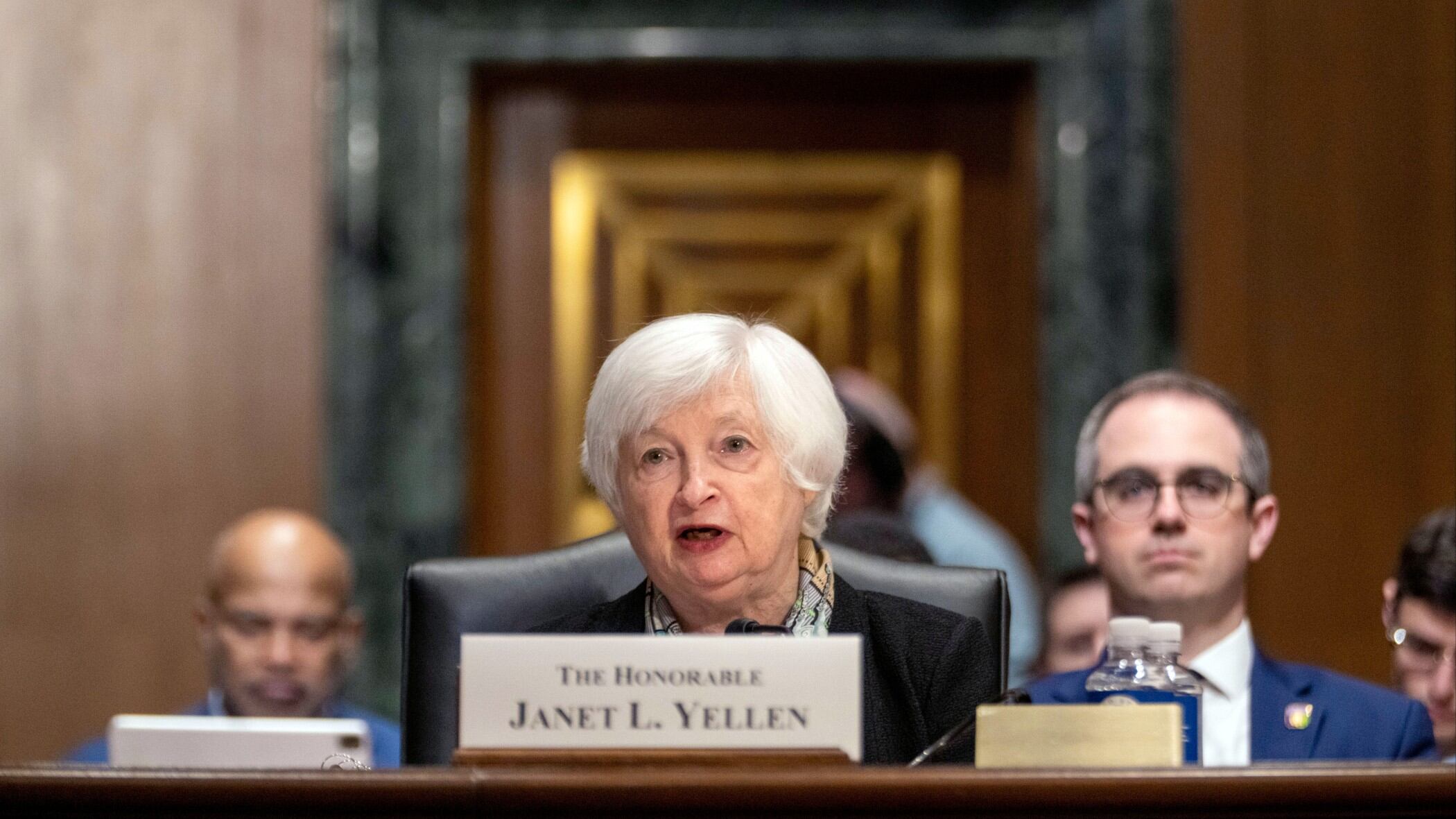
A week after the second-largest bank collapse in U.S. history, Treasury Secretary Janet Yellen is set to tell the Senate Finance Committee that the nation's banking system “remains sound” and Americans "can feel confident” about their deposits.