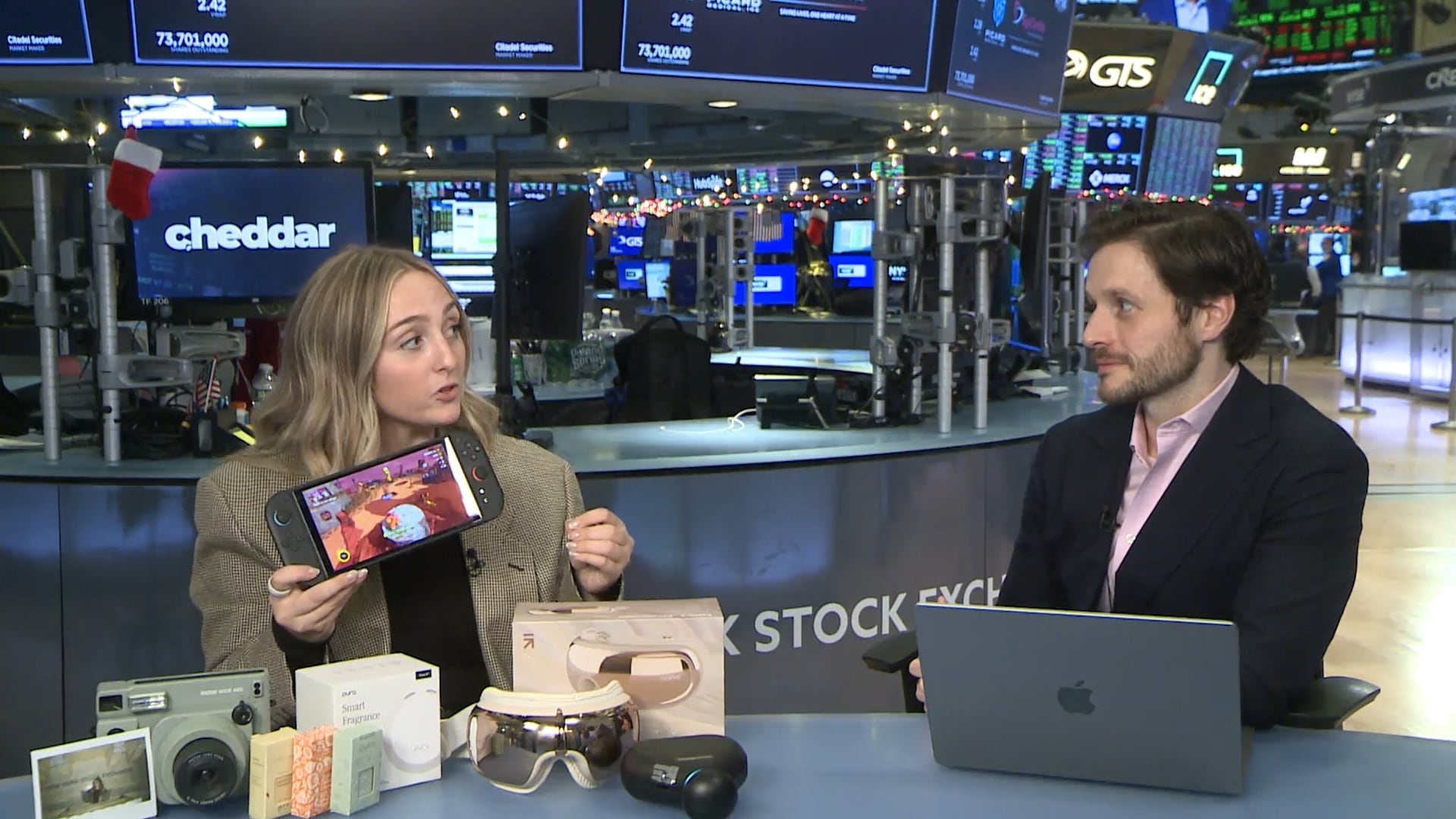
The U.S. markets continued their sell-off Monday, with the Dow falling more than 1,000 points for the first time in history and most major indexes erasing gains for the year. And while some may consider this a buying opportunity, Chad Morganlander, portfolio manager at Washington Crossing Advisors, says there are some areas to avoid. “Stay out of the speculative names that are more story stocks,” he told Cheddar in an interview. “There’s a frothiness to the market, especially with some of the fringe stocks, that’s reminiscent of 1998 and ‘99.” “You could still pick up some value, but you just have to focus on the boring parts of the market, which are really on the consumer staples side.” The “growthier” tech sector did post some of the biggest losses Monday, with Nvidia, Square, and Google parent Alphabet all falling more than 5 percent. Some of the highest fliers in the Cheddar 50 Index -- Apple, Netflix, and Alibaba -- are in correction territory, down more than 10 percent from all-time highs hit just a few weeks ago. At its lows of the day, the Dow had dropped more than 1,500 points or 6.1 percent. It crossed below the 24,000 mark for the first time since December 1. For full interview, [click here](https://cheddar.com/videos/dow-is-down-around-1-800-points-after-last-two-sessions).