How Mueller's Investigation Is Like Going After the Mob
There are new developments in Special Counsel Robert Mueller’s investigation into Russia’s meddling in the 2016 presidential election. Friday, former White House National Security Adviser Michael Flynn, pleaded guilty to lying to the FBI. According to Jeet Heer, Editor at The New Republic, the plea is a result of Mueller cracking down on President Trump.
“He’s used to dealing with mobsters,” Heer says of Mueller, who headed the FBI for 12 years before being appointed as a special counsel for the Department of Justice earlier this year. “The way you deal with mobsters is you get the goons first, you get the higher ups, the capos, and then you get the godfather.”
Heer believes Flynn’s cooperation means he has flipped against the president, which could eventually lead to the FBI apprehending White House Senior Advisor and President Trump’s son-in-law, Jared Kushner. Heer says Mueller has managed to ensure that there won’t be any presidential pardons available, as there are ongoing state-level investigations, too.
“There’s a lot of leverage and it's all on Mueller’s side,” Heer said.
Meanwhile on Capitol Hill, Senate Republicans are leading a fierce battle to pass a vote on the GOP tax plan, which is expected to raise the national debt to $1.7 trillion, according to the CBO. Heer says the bill can pass, but it has to be now or never, since the party also had a very poor performance during the 2017 off-year elections.
“Republicans are headed to a tough season, which means they should probably get whatever they can out of the way,” he said.
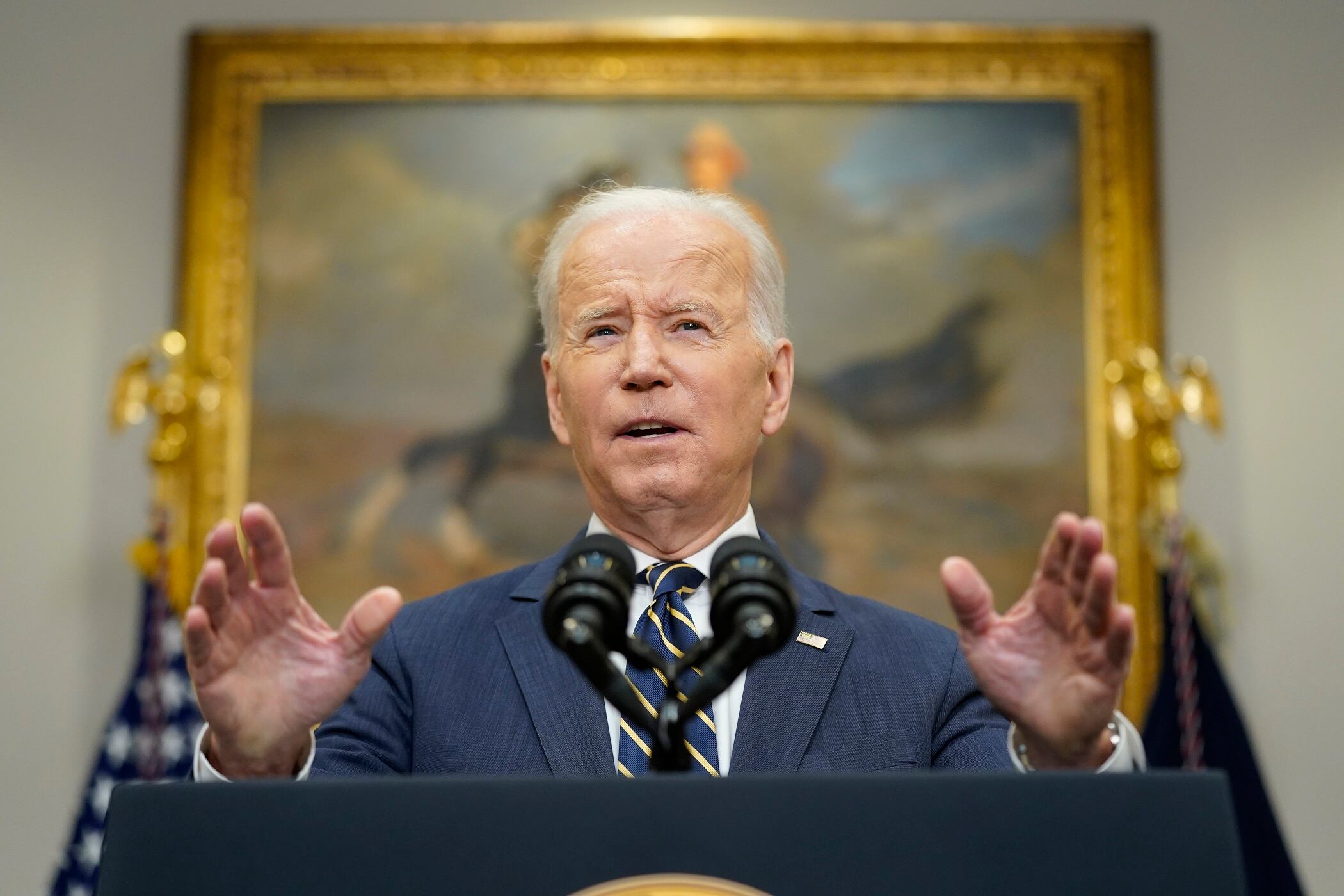
President Joe Biden announced Friday that along with the European Union and the Group of Seven countries, the U.S. will revoke “most favored nation” trade status for Russia over its invasion of Ukraine.
The consumer price index jumped 7.9 percent in February, marking a 40-year high for inflation in the U.S. This report comes less than a week ahead of the Fed's all important meeting. Kayla Bruun, Economic Analyst, Morning Consult, joined Cheddar's Opening Bell to discuss.
Markets opened lower amid hotter-than-expected inflation data, which surged to its highest level in nearly 40 years. Lisa Erickson, Senior Vice President and Co-Head, Public Markets Group, U.S. Bank joined Cheddar's Opening Bell to discuss the significance of this figure ahead of the Federal Reserve's FOMC meeting.
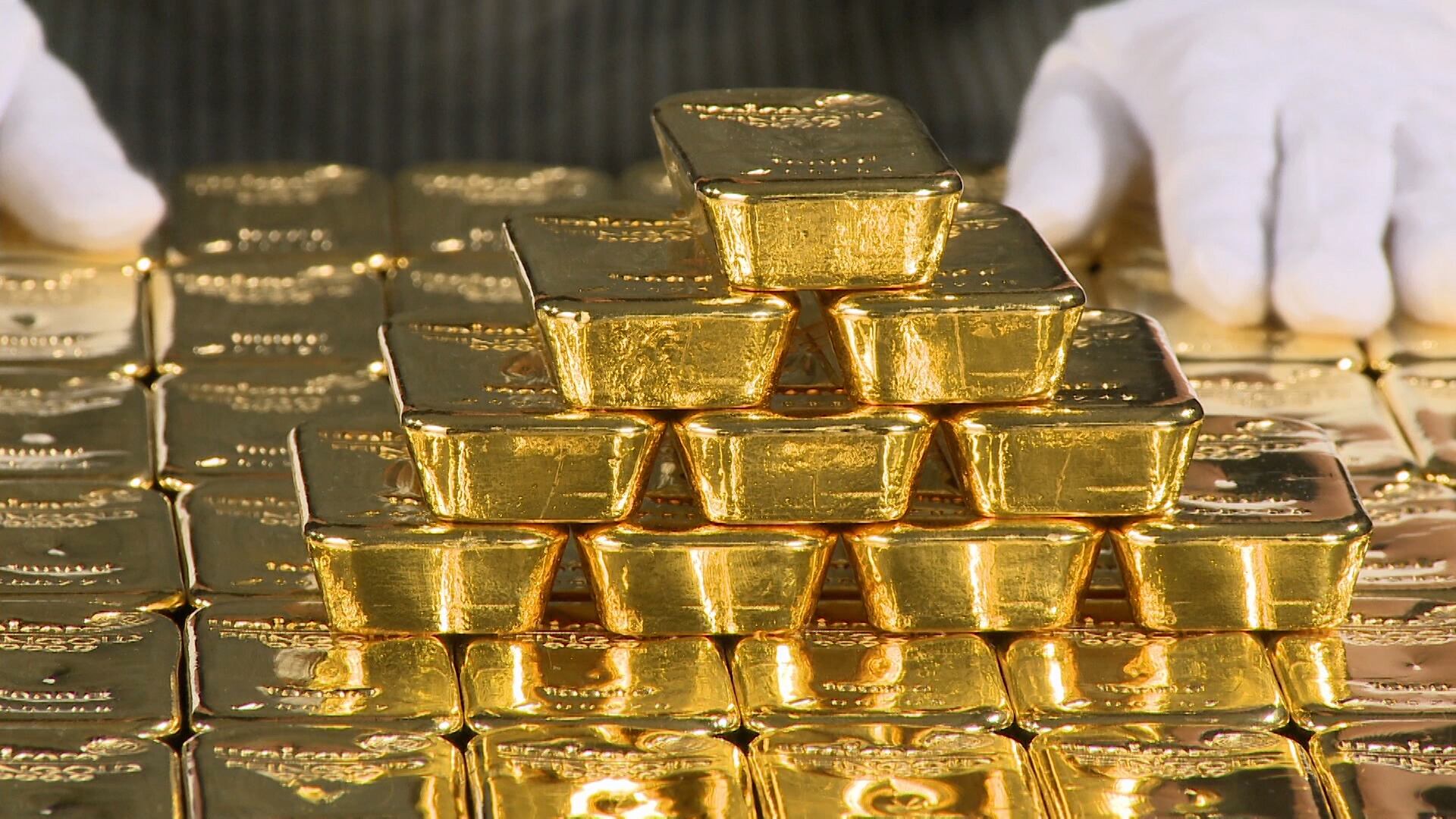
As the Russia-Ukraine war disrupts the global economy, sending markets on a roller coaster ride, gold remains hovering around $2,000 an ounce. Often seen as a safe haven in times of economic crisis, Jason Cozens, founder and CEO of gold-as-currency platform Glint Pay, joined Cheddar’s Opening Bell to discuss the latest gold rush, how the war is impacting prices, and how people can use Glint to trade in the precious metal. “You know the stock markets and cryptocurrencies are risky investments," he stated. "Whereas gold is just reliable money. It's no one else's liability if you own."
As Western sanctions weigh on Russia's economy, the country is at the risk of defaulting on its debt. Fitch ratings agency has downgraded Russia's debt for the second time in a week, warning a "sovereign default is imminent." Jesse Wheeler, Economic Analyst at Morning Consult, explains what that means, and how it could have ripple effects across the global economy.
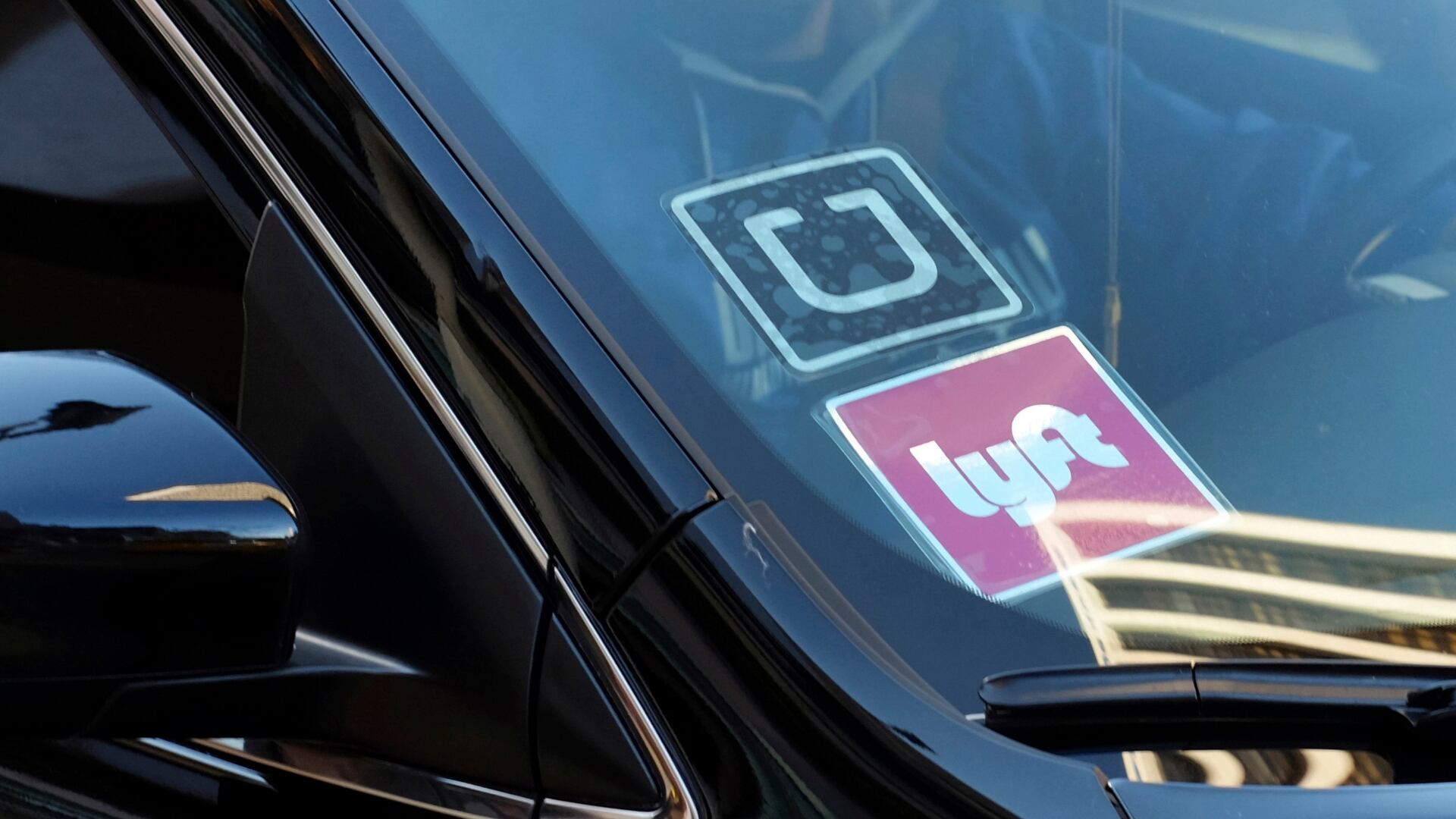
Uber Lyft and Doordash are all set to spend $1 million dollars on a campaign and efforts to stop lawmakers from classifying their gig workers as employees. The campaign features TV and online ads highlighting Washington area workers who say they prefer the flexibility of being an independent contractor rather than following the model of a company employee. Professor at NYU. Stern School of Business and author of the sharing economy, Arun Sundararajan, joined Cheddar to discuss more.
President Biden is looking at unlikely partners to buy oil, after banning all Russian energy imports. Among them is Venezuela, a regime that has been sanctioned by the U.S. since 2019. Ariel Cohen of the Atlantic Council explains to Cheddar News why that might not be a bad choice.