Temperatures hit 82 degrees in Washington, D.C., Wednesday, one of the highest readings the city has ever experienced in February. And for the second day in a row, Boston set a high-temperature record for a February day: 71 degrees.
In New York’s Central Park, the temperature hit 78 degrees, the highest ever recorded in February. The milestone shattered the record for Feb. 21, which had previously stood at 68 degrees, back in 1930.
“We’re not breaking daily records, we’re breaking all-time temperature records,” said Andrew Freedman, senior science editor of Mashable.
According to Freedman, part of the explanation lies in an unusual disturbance of the polar vortex, which in the past week has split in two, producing two distinct cold waves across the globe.
“You had one portion of it moving into the Western U.S. and Canada, while at the same time one portion of it moved into Europe and Eurasia,” Freedman said. “So those are the two cold spots in the Northern Hemisphere right now. And in the eastern U.S., suddenly we had this incredible warm-up today and on Tuesday.”
Freedman explained the split in the polar vortex. “Normally, you have this circulation of fast winds in the upper levels of the atmosphere over the Arctic. Usually, it stays put; it behaves well.” But this year the planet experienced what Freedman called a Sudden Stratospheric Warming event. “You had energy from the lower atmosphere go up to the upper atmosphere and sort of knocked it off balance.”
Freedman added that climate change is also contributing to the record temperatures on the East Coast. “It’s easier for us to set these high-temperature records as the climate continues to warm,” he said. “That's the bottom line climate message overall.”
And as for what’s ahead, well, Freedman said, on Thursday, “It’s going to snow in Boston.”
Read more at [Mashable](https://mashable.com/2018/02/15/polar-vortex-split-stratospheric-warming-snow-cold-europe-us/).
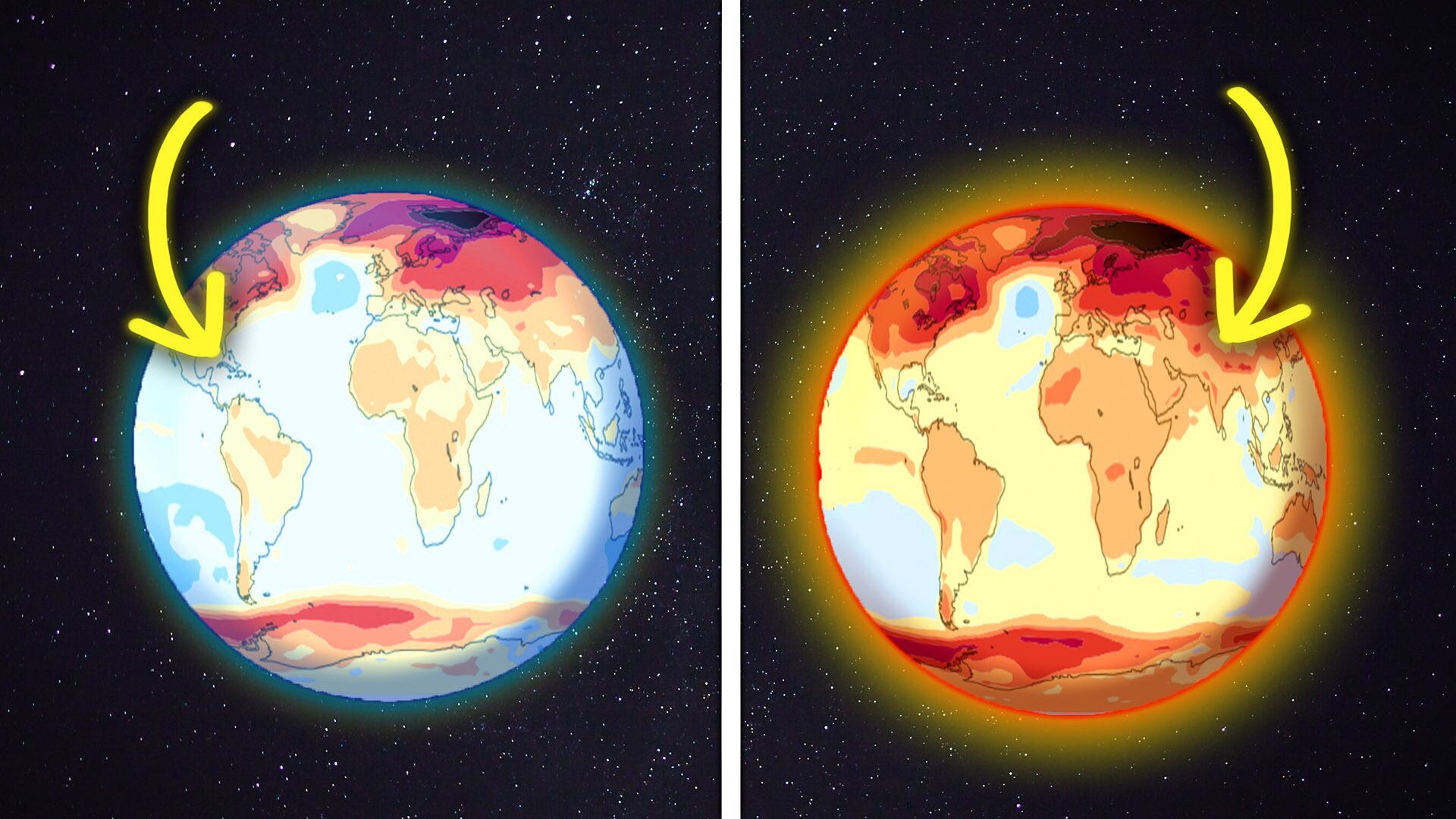
In 2015, 193 parties signed the Paris Agreement. In doing so, they agreed to pursue efforts to limit the average global temperature increase to 1.5° Celsius - or 2.7 degrees Fahrenheit -above pre-industrial levels. To be clear, our planet is already 1.1 degrees hotter than it was 150 years ago. But most scientists agree that an increase of just .4 more degrees will drastically change the world. However, it would continue to be livable. Things do get murky, though, as the projections increase above that.
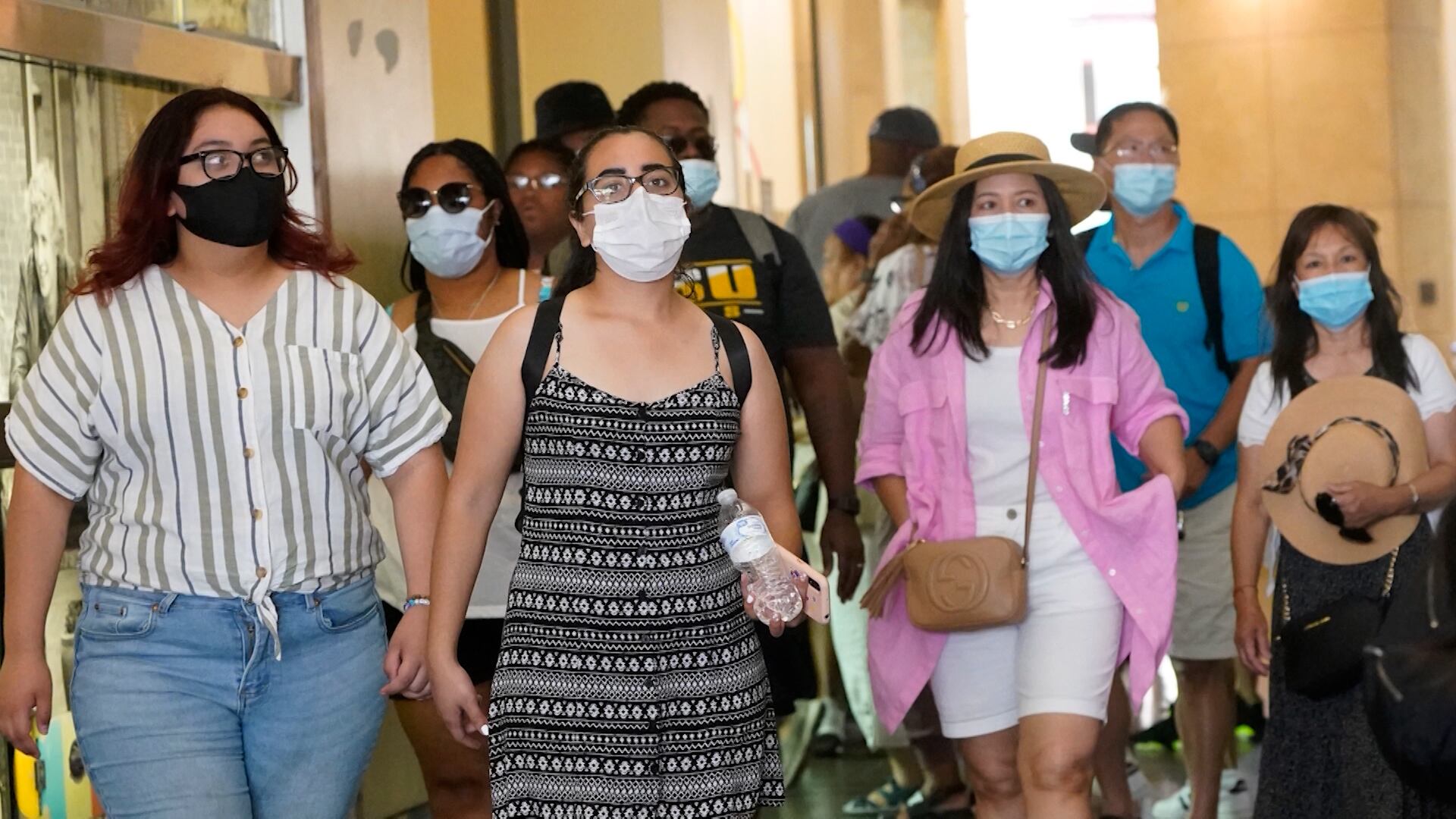
Dr. Jen Caudle, family physician and associate professor at Rowan University, joined Cheddar to break down how people can protect themselves and family amid the uncertainty of the new Omicron COVID-19 variant. Caudle emphasized the importance of getting vaccinated against COVID-19 with so much still uncertain about the pandemic. "We have to remember delta variant is still here in the United States," she said. "We're still losing too many people every single day to this virus."
Jill and Carlo discuss what appears to be the beginning of the end of Roe v. Wade, another victim dies following the school shooting in Michigan, Omicron in the U.S., Trump's Covid chronology and more.
Was it a coincidence that the omicron coronavirus variant evolved in a region with low vaccination rates? Cheddar speaks with epidemiologist Dr. Eric Feigl-Ding on the topic.
Astra founder, chairman, and CEO Chris Kemp spoke to Cheddar's Kristen Scholer about his company's first successful launch into orbit last month, becoming the fastest space company to reach orbit using a privately developed liquid-fueled rocket. He also noted that the company's priority is to "improve life on Earth from space" by rapidly increasing the number of low-orbiting satellites to do everything from connecting people to monitoring weather patterns.
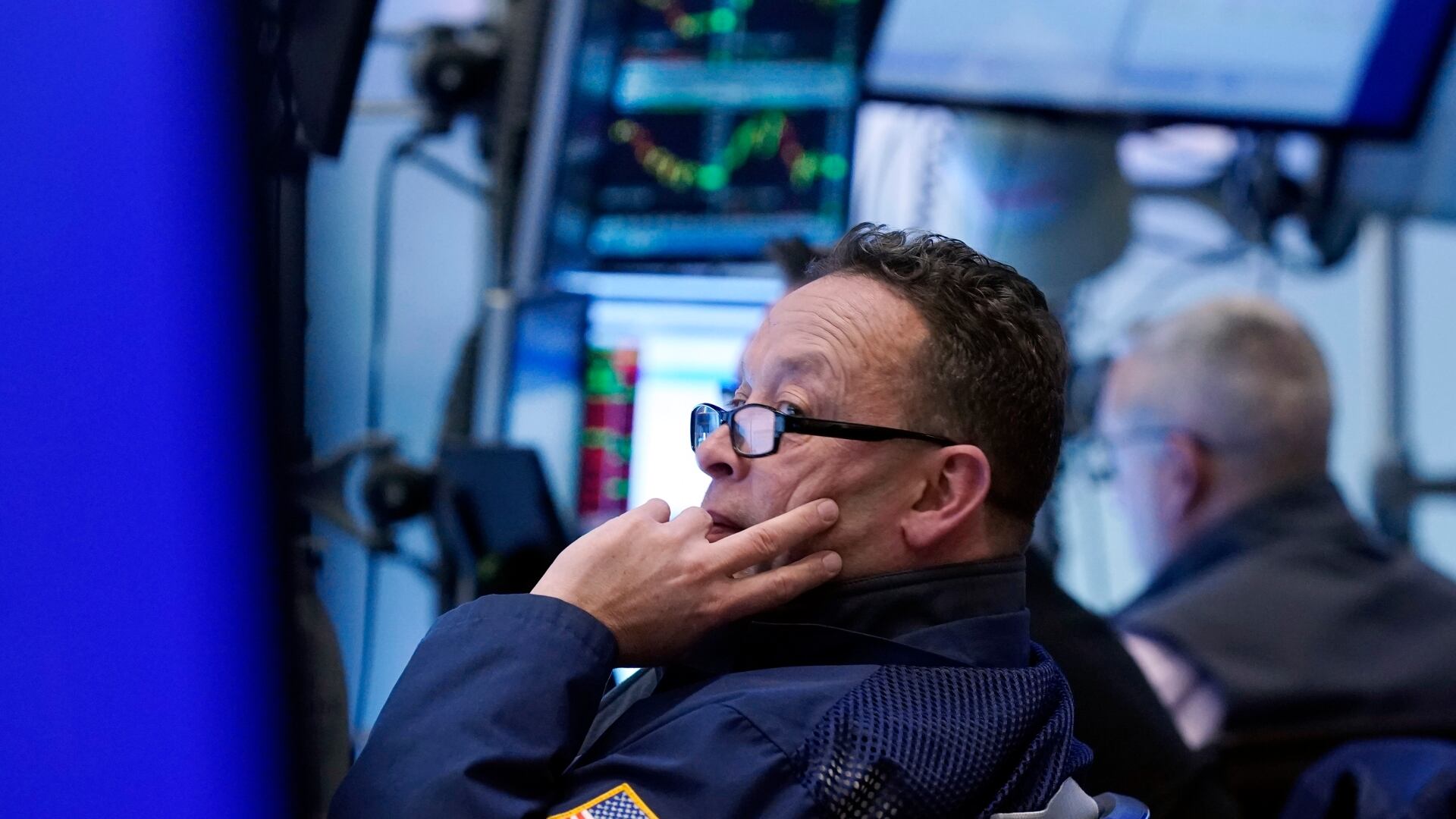
Stocks closed at session lows Wednesday as investors grew skittish over the first reported case of the COVID-19 omicron variant in California. Josh Sailar, Partner at Blue Zone Wealth Advisors, joins Cheddar News' Closing Bell to discuss investor worry over the new variant, the Fed dropping the word 'transitory' to describe inflation and potentially speeding up their asset tapering timeline, 2022 predictions, and more.
As cases of the COVID-19 Omicron variant continue to pop up, including the first U.S. case in California, how will domestic holiday travel be impacted? That part of the travel sector has mostly recovered from the year-long pandemic rout, while business travel continues its slump. But could a new variant bring new lockdowns and domestic restrictions? Clint Henderson, Senior News Editor at The Points Guy, joins Cheddar News' Closing Bell to discuss what the omicron variant means for holiday travel, best practices for passengers traveling through airports, and more.
Over the Thanksgiving holiday, Elon Musk warned SpaceX employees in a leaked email that the company could be forced to file Chapter 11 bankruptcy if its raptor engine program fails. Musk then commented on the previous statement adding the detail that a recession could make such a bankruptcy possible.