Temperatures hit 82 degrees in Washington, D.C., Wednesday, one of the highest readings the city has ever experienced in February. And for the second day in a row, Boston set a high-temperature record for a February day: 71 degrees.
In New York’s Central Park, the temperature hit 78 degrees, the highest ever recorded in February. The milestone shattered the record for Feb. 21, which had previously stood at 68 degrees, back in 1930.
“We’re not breaking daily records, we’re breaking all-time temperature records,” said Andrew Freedman, senior science editor of Mashable.
According to Freedman, part of the explanation lies in an unusual disturbance of the polar vortex, which in the past week has split in two, producing two distinct cold waves across the globe.
“You had one portion of it moving into the Western U.S. and Canada, while at the same time one portion of it moved into Europe and Eurasia,” Freedman said. “So those are the two cold spots in the Northern Hemisphere right now. And in the eastern U.S., suddenly we had this incredible warm-up today and on Tuesday.”
Freedman explained the split in the polar vortex. “Normally, you have this circulation of fast winds in the upper levels of the atmosphere over the Arctic. Usually, it stays put; it behaves well.” But this year the planet experienced what Freedman called a Sudden Stratospheric Warming event. “You had energy from the lower atmosphere go up to the upper atmosphere and sort of knocked it off balance.”
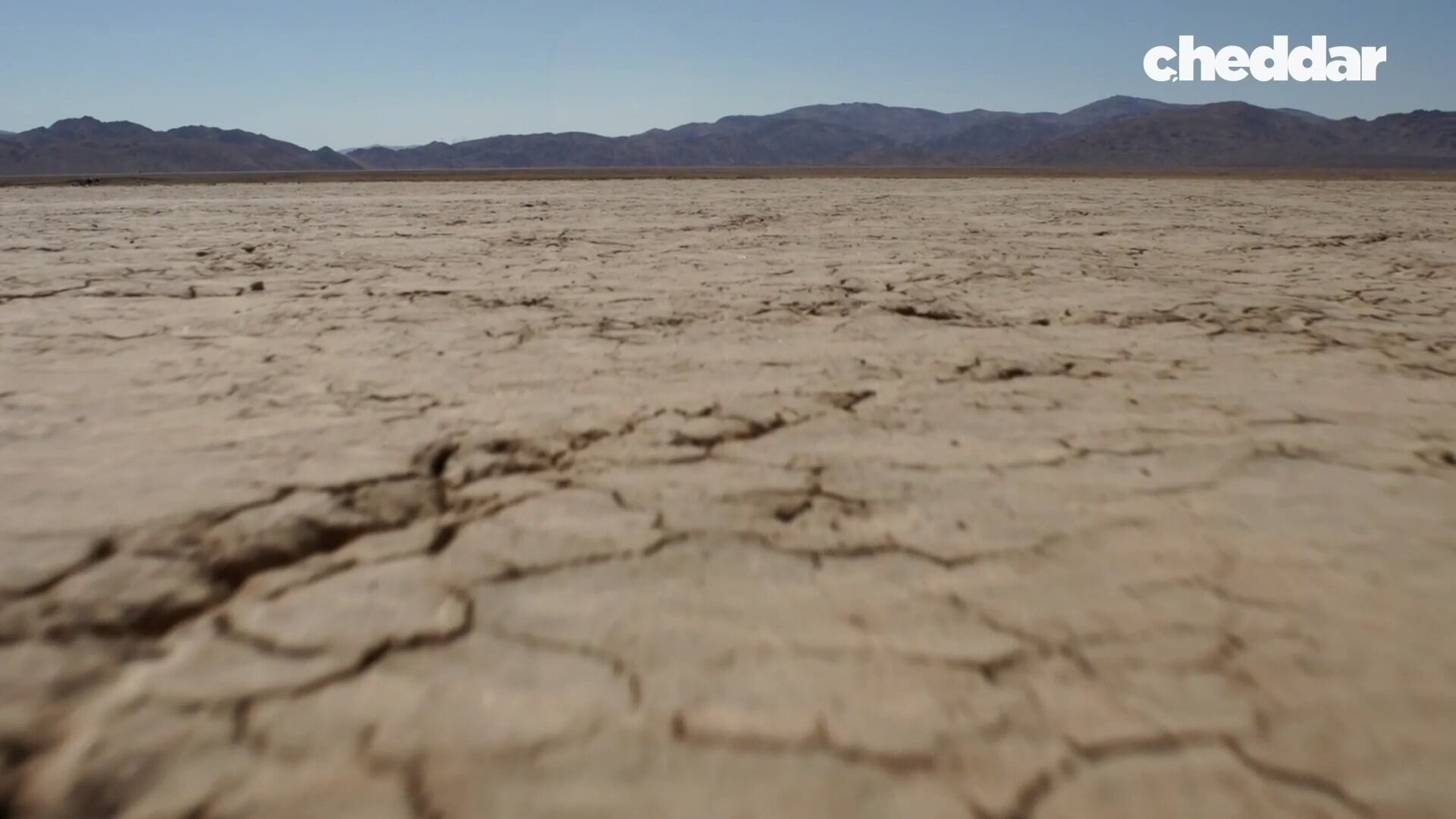
Freedman added that climate change is also contributing to the record temperatures on the East Coast. “It’s easier for us to set these high-temperature records as the climate continues to warm,” he said. “That's the bottom line climate message overall.”
And as for what’s ahead, well, Freedman said, on Thursday, “It’s going to snow in Boston.”
Read more at [Mashable](https://mashable.com/2018/02/15/polar-vortex-split-stratospheric-warming-snow-cold-europe-us/).
It’s no secret that the world is amidst a climate crisis never before seen in our time. And our excessive resource consumption is to blame. But just exactly what resources are to blame might surprise you. Hint: fossil fuels are only one part of the problem.
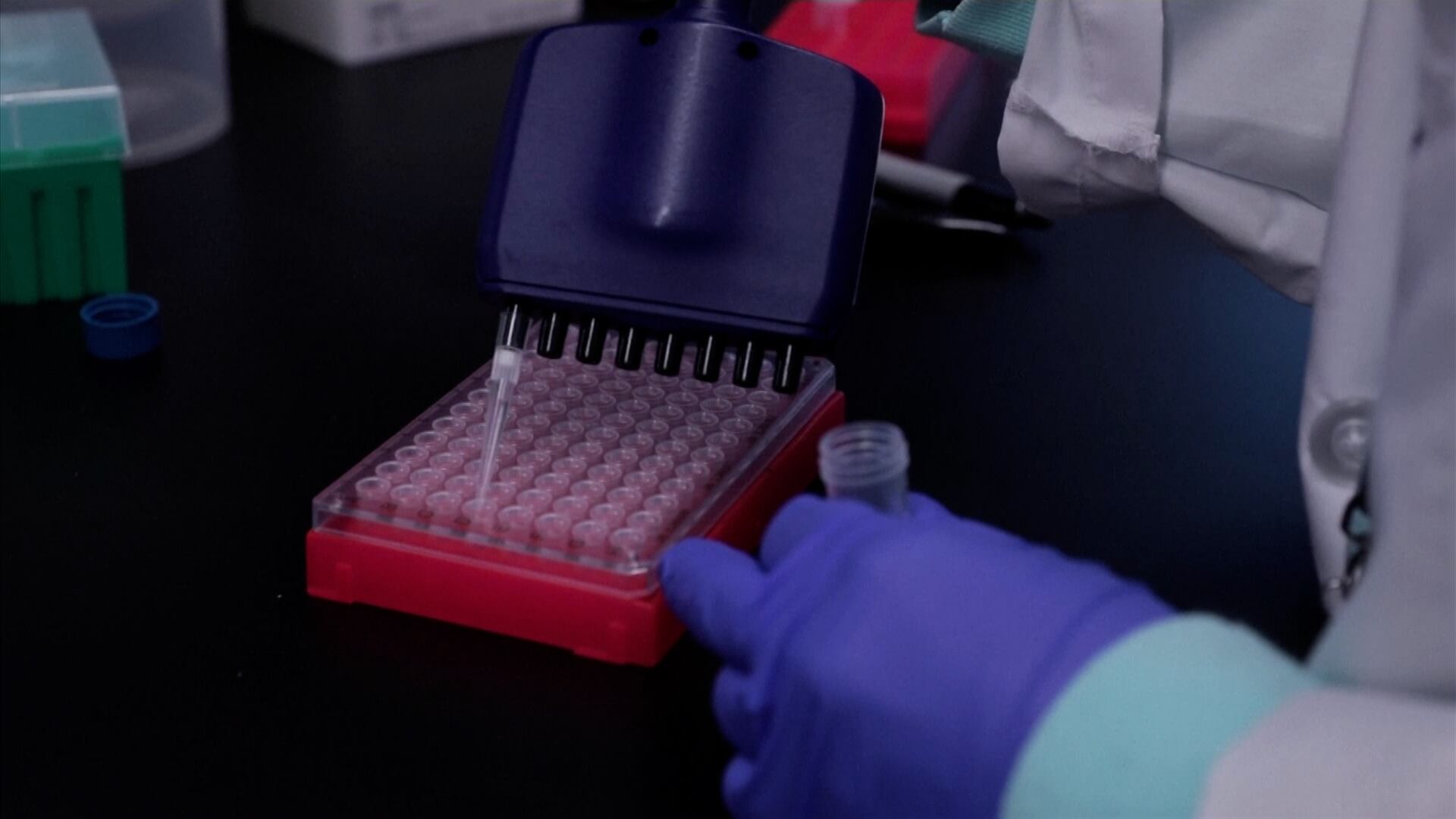
Dr. Robert Lahita, the director of Saint Joseph's Institute for Autoimmune and Rheumatic Diseases, joined Cheddar to discuss the latest on omicron as the new variant has popped up in more than a dozen states so far. He emphasized that vaccinations should remain the priority despite efficacy against the new variant being unknown at this point.
Six states have confirmed cases of the new Omicron coronavirus variant, and this number is expected to grow. Cheddar's Hena Doba speaks with Dr. William Schaffner,
Professor of Preventive Medicine at Vanderbilt University Medical Center, on the latest developments.
Just days after the detection of the Omicron variant, the World Health Organization has agreed to start the process of establishing a global pandemic treaty or accord. Amy Maxmen, senior reporter for Nature, and Dr. Samuel Scarpino, managing director for the Rockefeller Foundation's Pandemic Prevention Institute, joined Cheddar to discuss this effort and what lessons can be learned from the many COVID-19 failures as the world prepares for future pandemics.
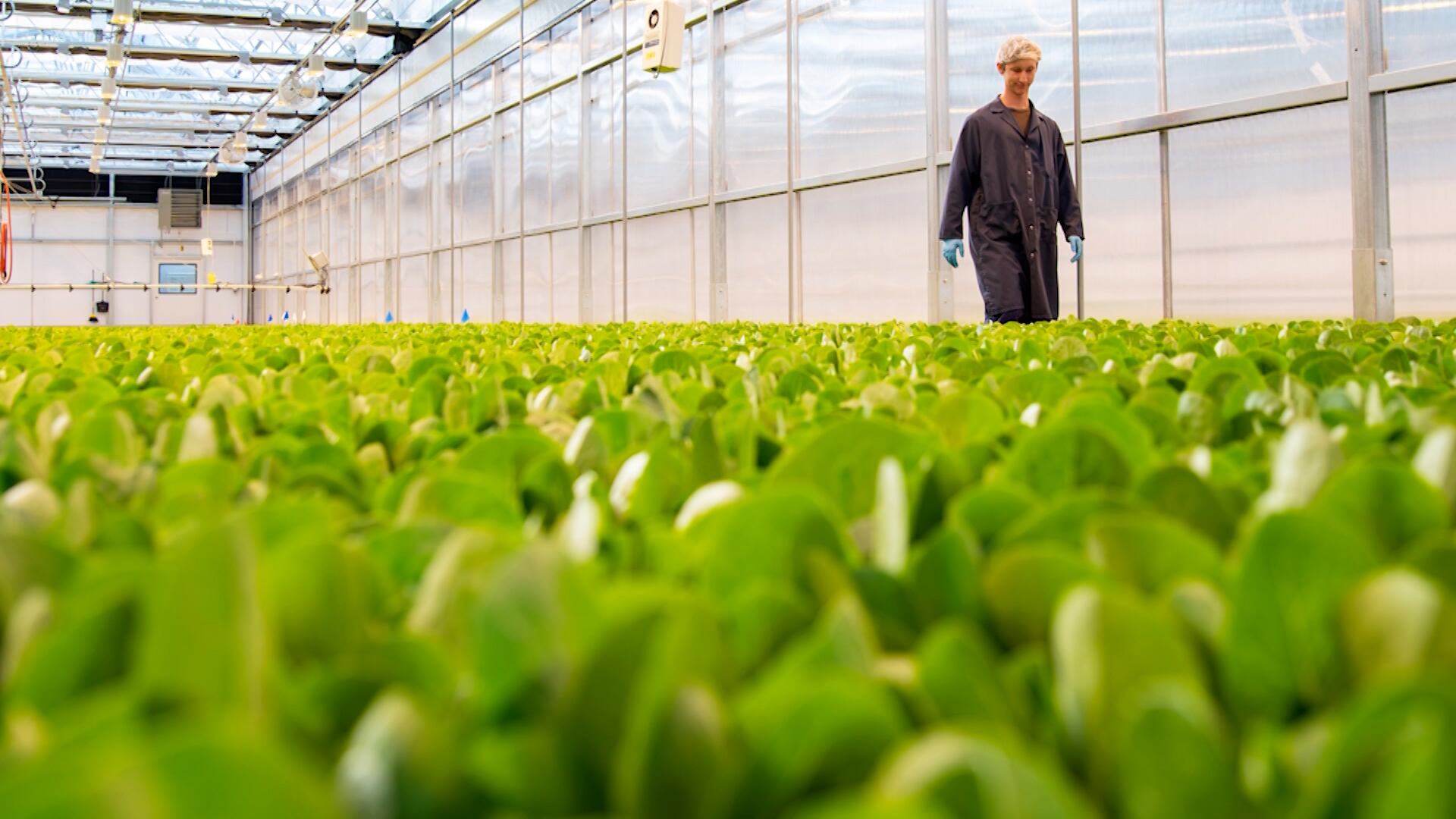
Local Bounti rang the opening bell December 3 in honor of its recent trading debut on the NYSE after closing a $1.1 billion SPAC deal. The company operates an indoor growing facility in Montana and aims to transform the production and delivery of local, fresh and sustainably-grown leafy greens. Craig Hurlbert, co-founder and co-CEO of Local Bounti, joined Cheddar to discuss the company's goals as a newly publicly-traded company.
Stephan Winkelmann, president of Bugatti Automobiles and CEO of Lamborghini, stopped by Cheddar to talk about Lamborghini's 2021 success after the luxury automaker set a company sales record on more than 6,9000 vehicles delivered. With climate change top of mind for the auto industry, Winkelmann also talked about Lamborghini's commitment to hybridizing its entire fleet. Still, when it comes to supercars, the legacy brand isn't quite ready to give up gasoline power, and according to the CEO, three new combustion engine vehicles will be available in 2022.
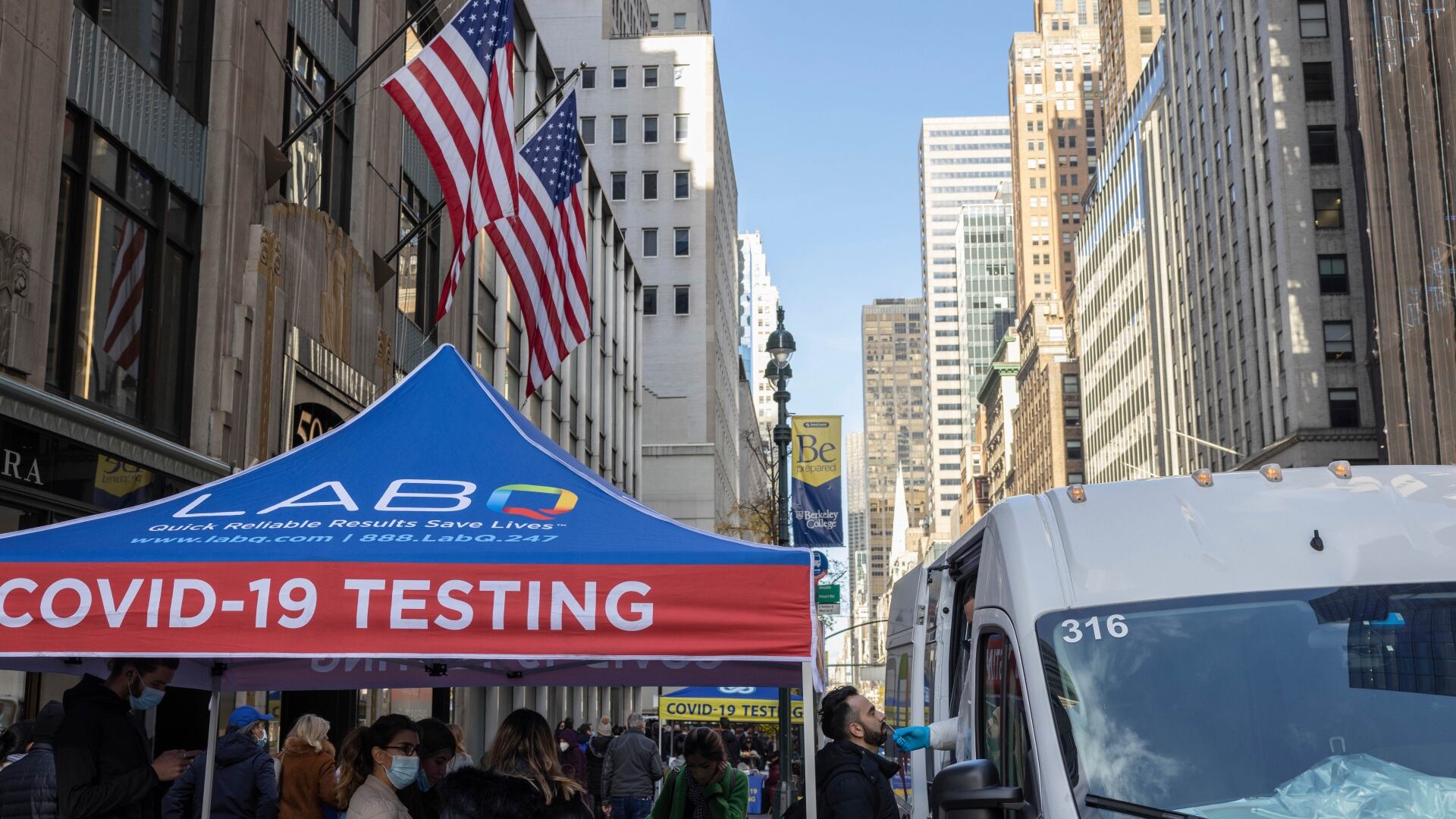
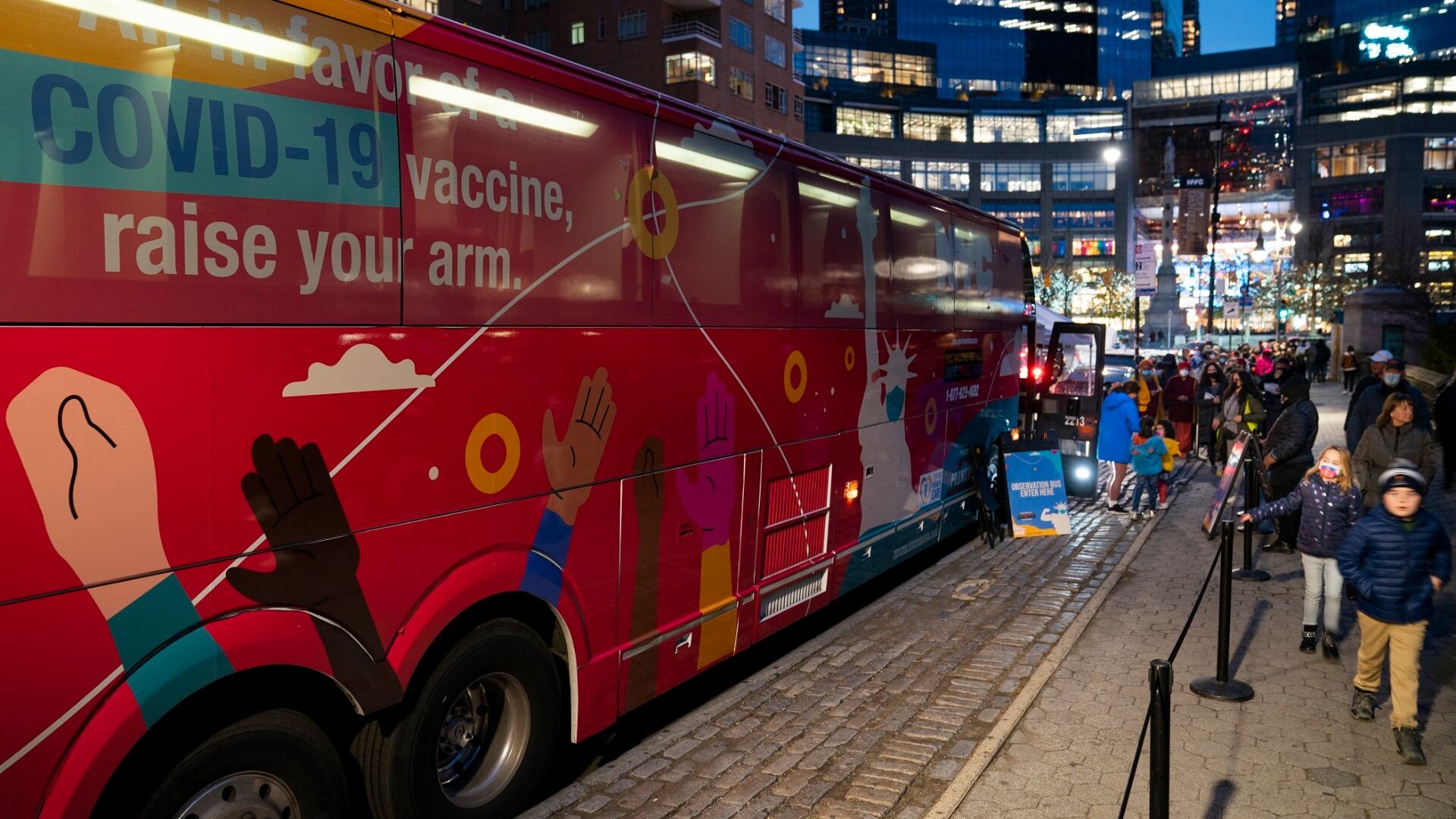
New York officials have confirmed five omicron COVID-19 cases in New York City and on Long Island after a Minnesota man who tested positive for the same variant said he attended a convention in November at the Jacob Javits Center in Manhattan.
It's Friday at long last. Jill and Carlo cover the latest on Omicron, including a possible superspreader event in NYC. Plus, previewing the November jobs report, a new Zoom feature no one asked for, and when it's no longer a good idea to eat Thanksgiving leftovers.
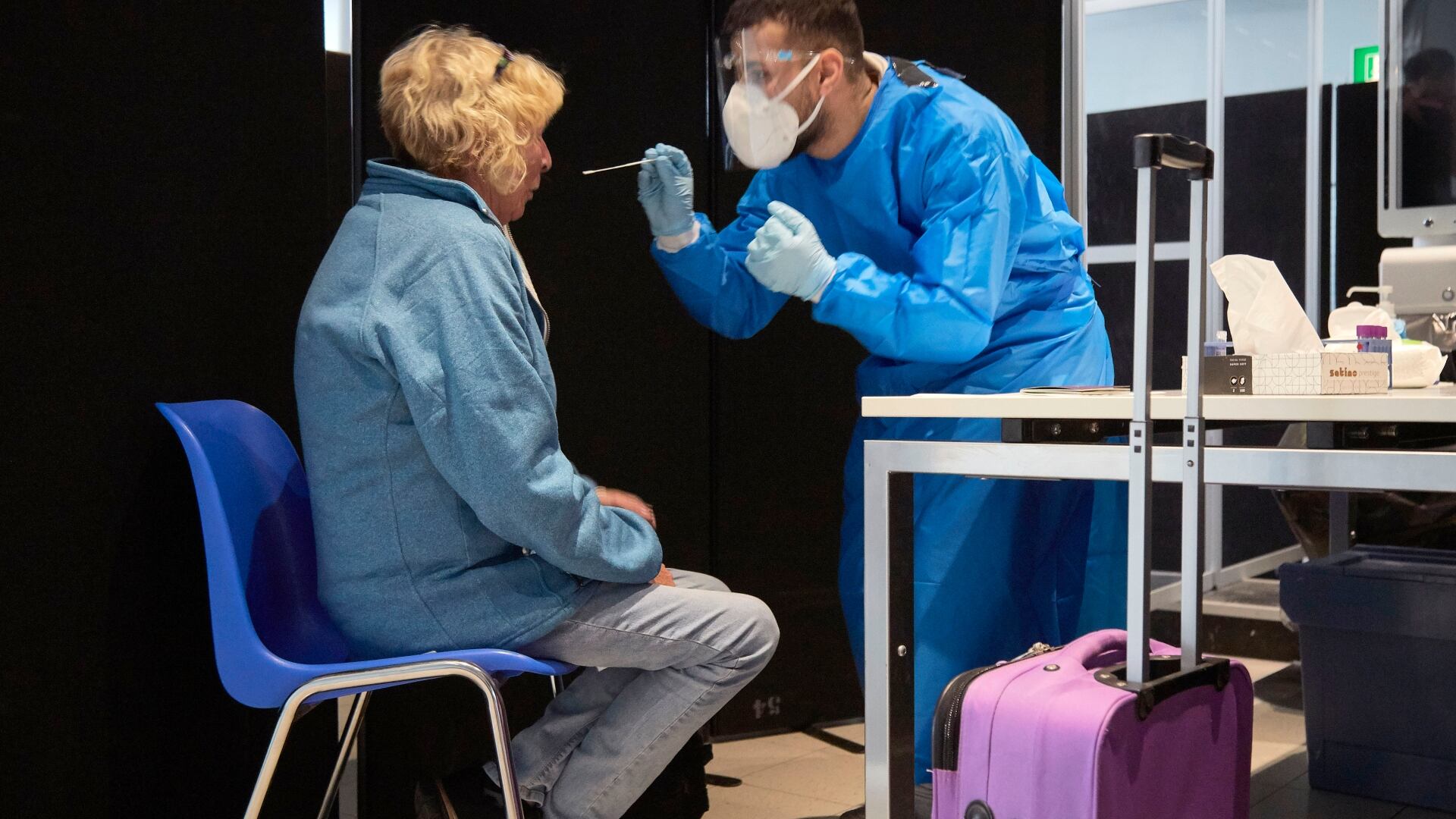
Three cases of the new omicron COVID-19 variant have been confirmed in the U.S. Cheddar speaks with global infection disease specialist Dr. Rajeev Fernando on how to prepare for a possible new coronavirus wave.