Why doesn’t Netflix want people to see its films in theaters?
By Grant Keller
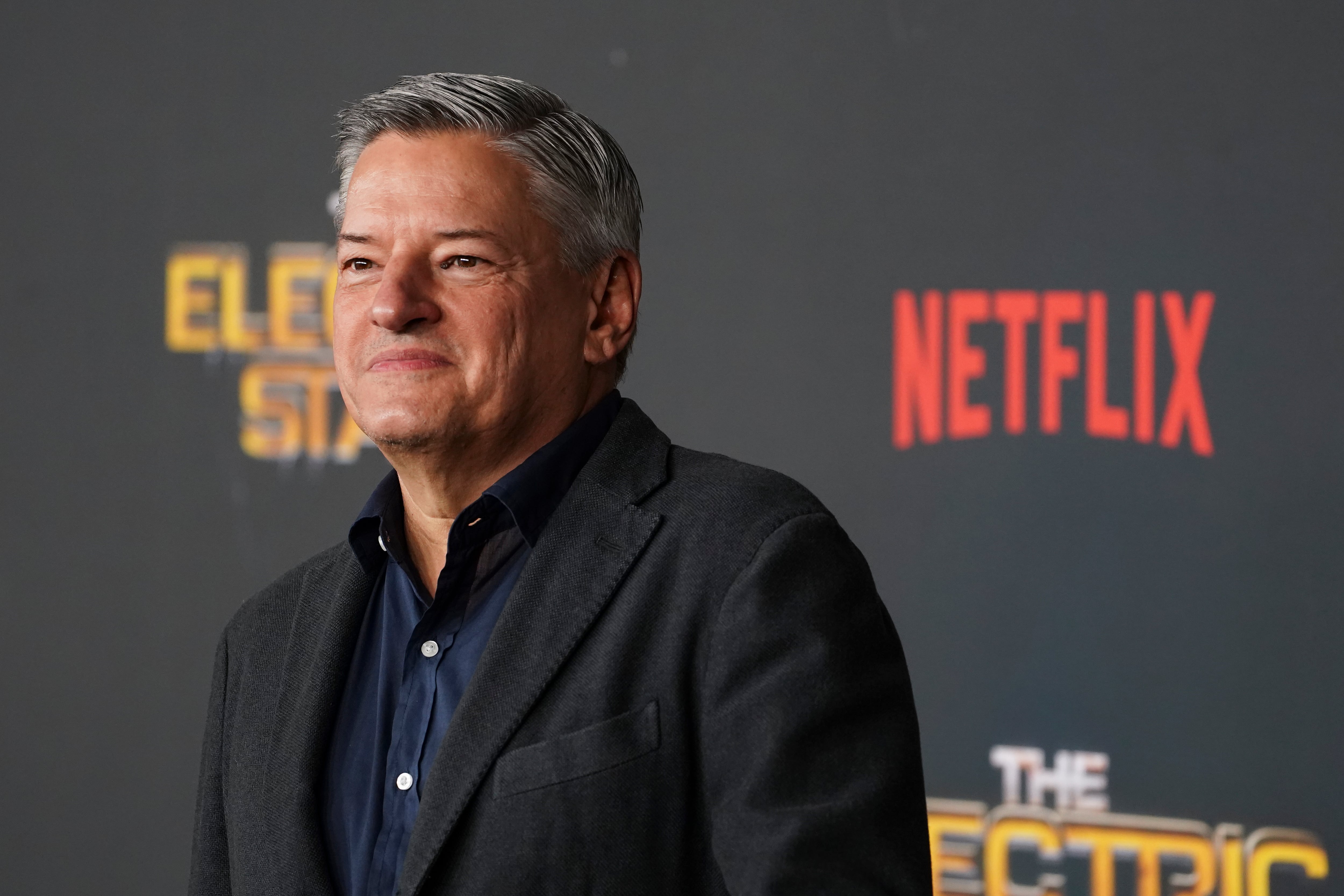
FILE - Ted Sarandos arrives at the premiere of "The Electric State" on Monday, Feb. 24, 2025, at The Egyptian Theatre in Los Angeles. (Photo by Jordan Strauss/Invision/AP, File)
Netflix CEO Ted Sarandos often claims he loves movie theaters. He’d love films to have long healthy runs at the box office, but audiences don’t want that. They want to watch movies at home, and he’s going to listen to what the consumer wants. But is that actually what the consumer wants? The answer is, apparently, “not really.”
The latest example of this is “KPop Demon Hunters,” an animated movie musical quietly released on Netflix in June. Since then, it’s become a phenomenon, and just passed “Red Notice”to become Netflix’s most watched movie ever. A one-weekend sing-along special edition of the movie snagged the top spot at the box office. With the film readily available on Netflix at home, people still chose to go out and spend money for the collective experience of the movie theater.
Viewers also pushed Netflix to make “Happy Gilmore 2” available in theaters, but the firm only put it out at very few theaters and with zero publicity. Sold out theatrical showings of “KPop Demon Hunters” and people demanding “Happy Gilmore 2” are only the most recent examples of consumers clamoring for more streaming content on the big screen.They got a one-week theatrical run of “Glass Onion: A Knives Out Mystery” in 2022 which generated $15 million in box office.
Fellow streamer Disney granted its audience’s wishes by turning their “Moana” streaming series into a theatrically released film that ended up grossing over $1 billion worldwide. Will Netflix actually listen to its audience and give upcoming films theatrical releases? Despite all the extra millions of dollars it could bring in, all signs point to no because Sarandos says “driving folks to a theater is just not our business.”
Ron Hammond, Sr. Director of Government Relations at the Blockchain Association, breaks down Trump’s plan to strengthen U.S. leadership in financial technology.
BiggerPockets Money podcast is now available on Cheddar Wednesdays at 10am ET! Mindy Jensen shares how her podcast is helping people gain financial freedom.
The social video platform's future remains in doubt, as players scramble to profit from the chaos. Plus: Big oil gets bigger, DOGE downsizes, and tariffs!
Ty Young, CEO of Ty J. Young Wealth Management, joins Cheddar to discuss Trump's moves as he returns to Washington D.C. and how it may affect the U.S. economy.
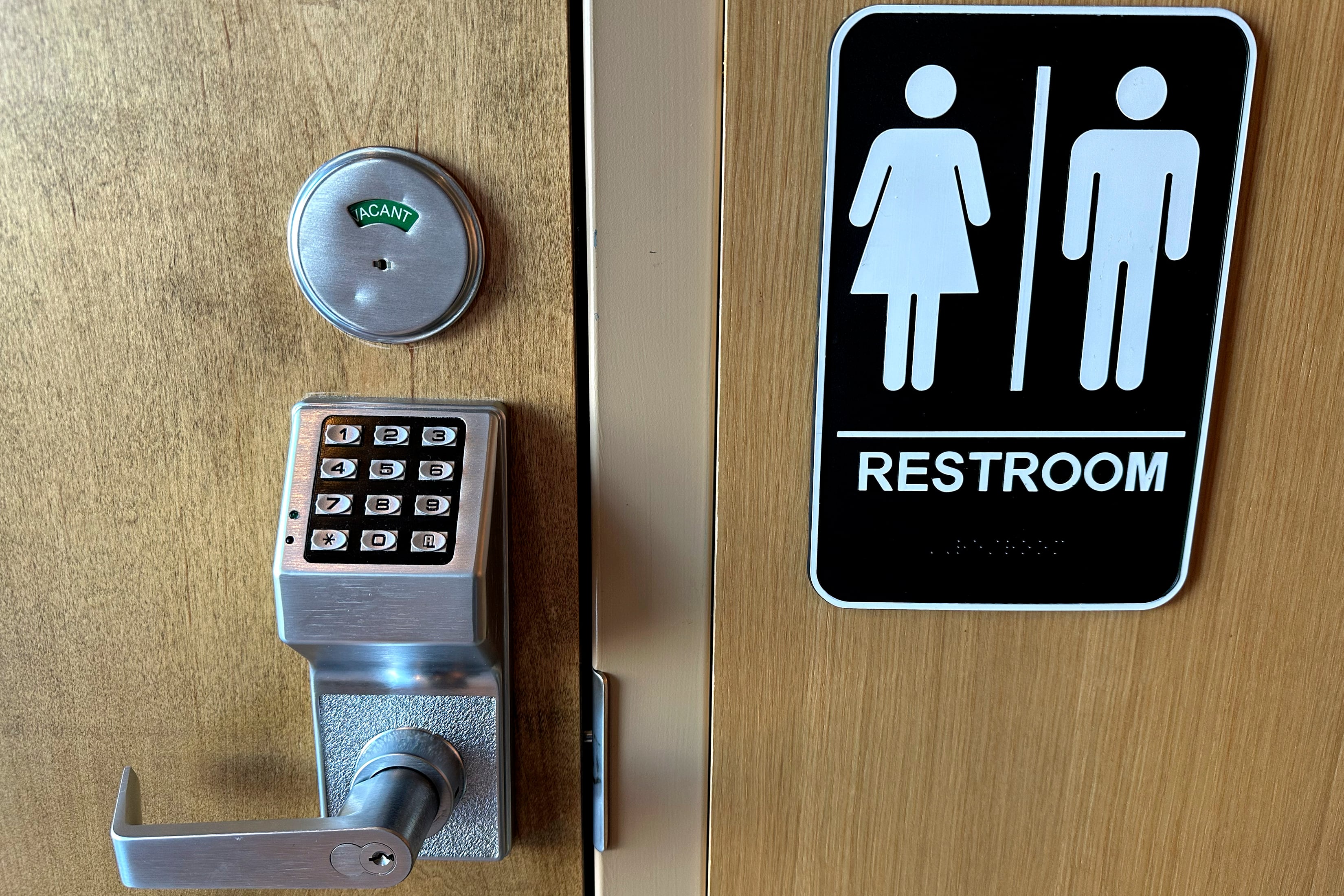
Starbucks’ decision to restrict its restrooms to paying customers has flushed out a wider problem: a patchwork of restroom use policies that varies by state and city. Starbucks announced last week a new code of conduct that says people need to make a purchase if they want to hang out or use the restroom. The coffee chain's policy change for bathroom privileges has left Americans confused and divided over who gets to go and when. The American Restroom Association, a public toilet advocacy group, was among the critics. Rules about restroom access in restaurants vary by state, city and county. The National Retail Federation says private businesses have a right to limit restroom use.
President Donald Trump is talking up a joint venture investing up to $500 billion for infrastructure tied to artificial intelligence by a new partnership formed by OpenAI, Oracle and SoftBank. The new entity, Stargate, will start building out data centers and the electricity generation needed for the further development of the fast-evolving AI in Texas, according to the White House. The initial investment is expected to be $100 billion and could reach five times that sum. While Trump has seized on similar announcements to show that his presidency is boosting the economy, there were already expectations of a massive buildout of data centers and electricity plants needed for the development of AI.
Chris Ruder, Spikeball Founder and CEO, explains how he and his friends put roundnet on the global map, plus, how Spikeball helps people "find their circle."
J.W. Roth, CEO of Venu Holding Corporation, discusses the company's IPO and plans to redefine live music entertainment with their fan founded, fan-owned model.