The back and forth between Nikki Haley, the U.S. Ambassador to the UN, and President Donald Trump’s new economic adviser Larry Kudlow over sanctions on Russia Tuesday underscores the urgent need for the White House to overcome vast policy differences within the administration, says Jon Miller, White House correspondent for the conservative-leaning CRTV.
“They need to figure out how to get a singular message out there,” he told Cheddar Wednesday.
Haley said on Sunday the administration was set to impose sanctions on Russia for its role in Syria’s seven-year-long civil war. Days later, Kudlow denied that sanctions were on the table, saying on Fox News that Haley was just [“momentarily confused.”](https://twitter.com/GeoffRBennett/status/986285214803644423) The former South Carolina Governor hit back, reportedly saying in a statement, [“With all due respect, I don't get confused.”](https://www.cnn.com/2018/04/17/politics/nikki-haley-russia-sanctions/index.html) The tensions eased after Kudlow apologized to Haley hours later.
“I’m going to say that she’s the one who knows what she’s talking about in this instance,” said Miller. “She’s the one who’s calling the shots, and people seem to be coming behind her.”
Haley’s positions on a range of foreign policy issues have often clashed with the White House. She outwardly and persistently criticized the Kremlin on topics from the Syrian conflict, to Ukraine, to the 2016 presidential election, a sharp juxtaposition to Trump’s more demure approach to Russia.
“She’s a little more hawkish on issues in terms of foreign policy,” explained Miller. “She’s a little more outspoken. I think Trump has people around him who are trying to rein him in a bit.”
Kudlow’s attempt to undermine Haley may be a microcosm of an administration in perpetual chaos, with staffers often seeming to operate on completely different wavelengths. And that might be something that the president encourages, Miller said.
“The president has said he likes conflicting ideas. He says, ‘I like the conflict in my White House, I like different ideas happening.’”
For full interview, [click here](https://cheddar.com/videos/gorsuchs-controversial-vote-haley-vs-trump-administration).
The average city in California has a 38% higher cost of living than the average American city, according to a cost of living index. For many, the general minimum wage of $15/hour just doesn't cut it. Anti-poverty activist Joe Sanberg wants to get the minimum wage changed to $18/hour. He joins Cheddar News to discuss the Living Wage Act of 2022.
Liana Guzmán, CEO of FOLX Health, joins Cheddar News to discuss the company launching billboards across the country in response to anti-LGBTQ+ legislation.
President Biden has announced an additional $800 million in military assistance to Ukraine, including artillery, armored personnel carriers, and helicopters. It comes as Russian forces appear to be preparing for a new, aggressive offensive in the eastern part of Ukraine. Paul McLeary, defense reporter for Politico, joined Cheddar to discuss this new round of aid and what it means for the U.S. commitment to arming the embattled country.
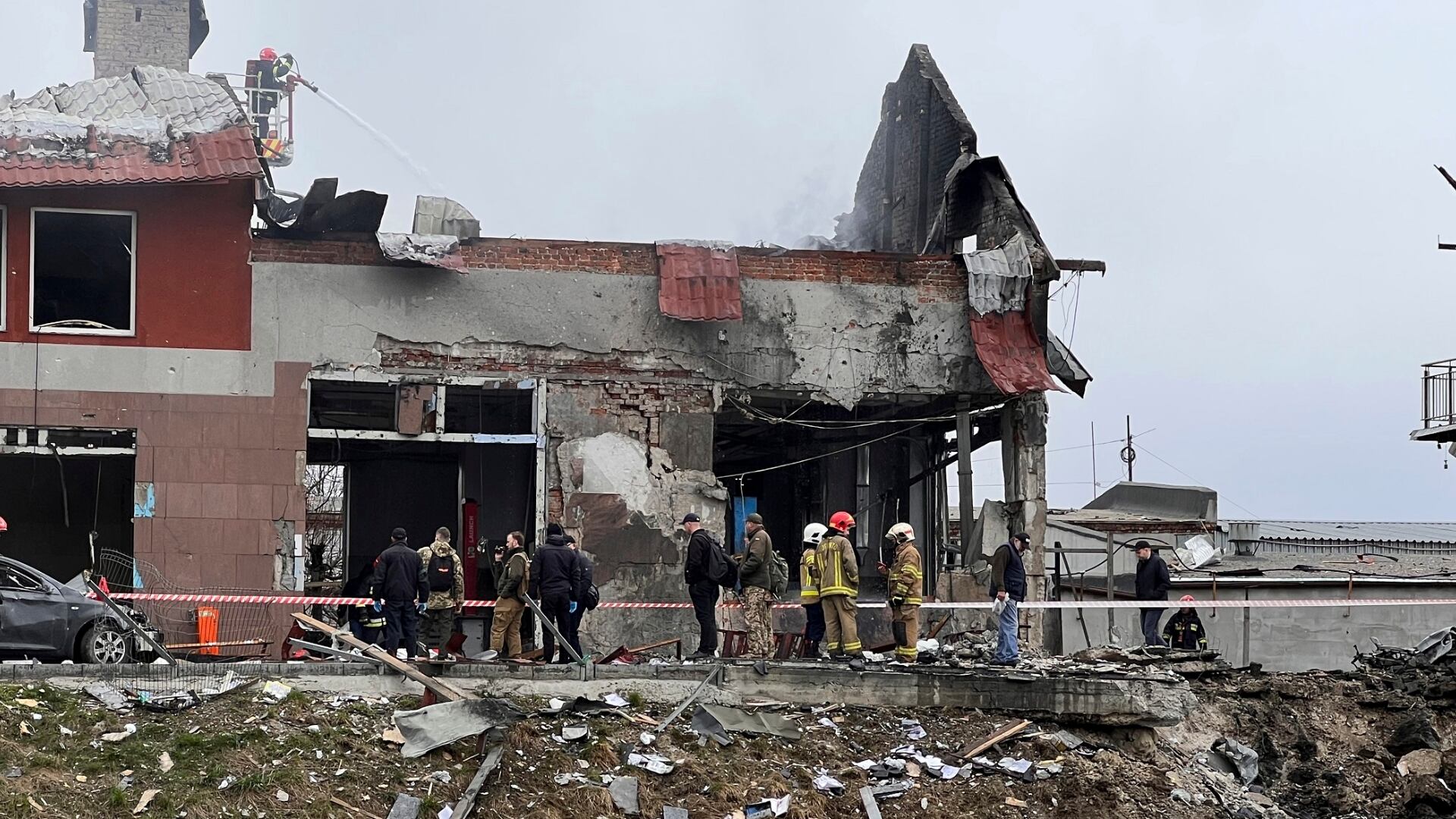
Catching you up on what you need to know on April 18, 2022, with Russian missile attacks on the Ukrainian city of Lviv killing seven, mass shootings in South Carolina and Pittsburgh, Lucky Charms cereal under official investigation by the FDA, and more.
Activism is growing around the country in response to school boards banning books from shelves that focus on sexuality, gender, identity, or race. Jen Cousins, co-founder of The Florida Freedom to Read Project, joins Cheddar News to discuss.
As the Russian invasion of Ukraine intensifies, President Biden has announced a ban on importing Russian oil, gas, and energy. To discuss how this ban will impact the war and Americans, Amir Handjani, non-resident fellow at Quincy Institute, joins Cheddar News.
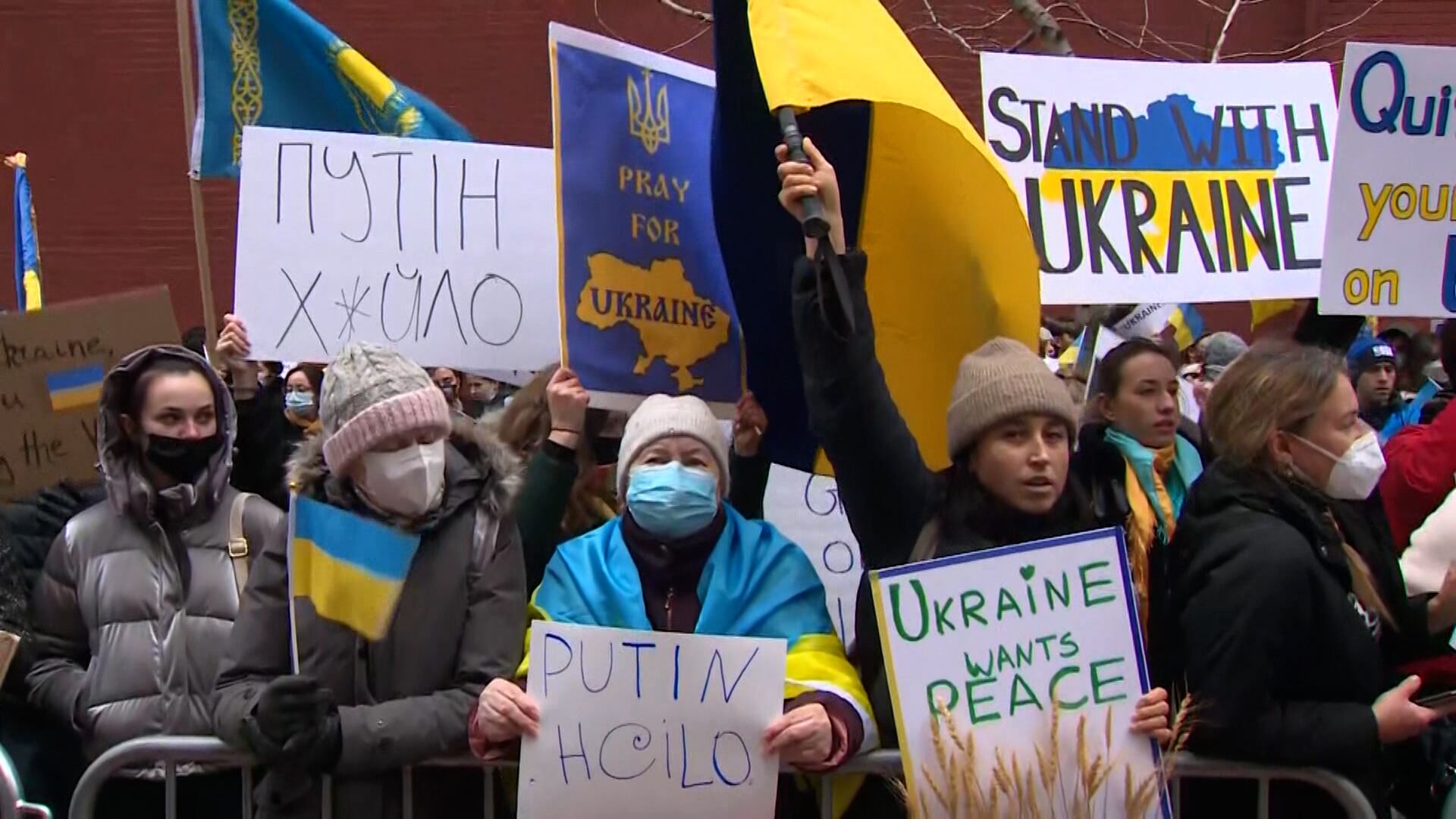
Thousands of protesters around the world are expressing their solidarity with Ukraine against Russia's invasion.
Jason Beardsley, national executive director of the Association of the U.S. Navy and national security expert, joins Cheddar News to discuss.
As gas prices surge amid the Russian invasion of Ukraine, other nations could potentially transition faster to using clean energy than previously expected. Philip K. Verleger, a senior fellow at the Niskanen Center, joined Cheddar News to explain how this could be a possibility in the near future. "Part of the reason I think we have this invasion and the tantrum that's being thrown by Russia, terrible tantrum, is because the Russians were trying to slow down the transition," he said. "Ironically they speeded it up."