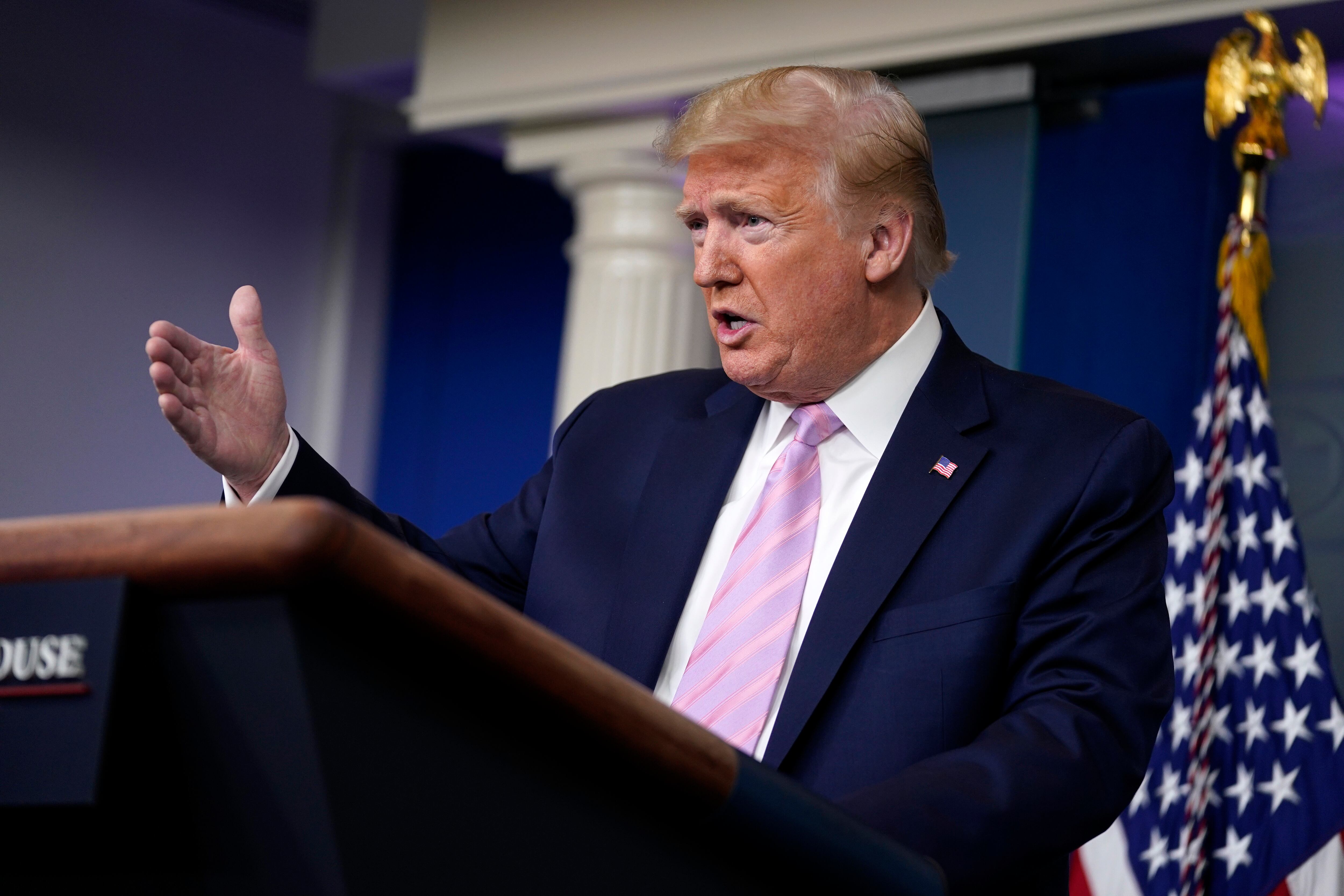
President Donald Trump speaks during a coronavirus task force briefing at the White House, Friday, April 10, 2020, in Washington. (AP Photo/Evan Vucci)
By Jill Colvin and Darline Superville
At the end of a week officials had warned would be this generation's Pearl Harbor, White House officials pointed to hopeful signs Friday that the spread of the coronavirus could be slowing, even as President Donald Trump insisted he would not move to reopen the country until it is safe.
At the same time, Trump said he would be announcing the launch of what he dubbed the "Opening Our Country" task force next Tuesday to work toward that goal.
"I want to get it open as soon as possible," he said at a Good Friday briefing while adding: "The facts are going to determine what I do."
With the economy reeling and job losses soaring, Trump has been itching to reopen the country, drawing alarm from health experts who warn that doing so too quickly could spark a deadly resurgence that could undermine current distancing efforts.
But Trump, who had once set Easter Sunday as the date he hoped people in certain parts of the country might begin to return to work and pack church pews, said he would continue to listen to health experts like Drs. Anthony Fauci and Deborah Birx as he considers what he described as the "biggest decision I've ever had to make."
"I listen to them about everything," he claimed, adding: "We're not doing anything until we know that this country is going be healthy. We don't want to go back and start doing it over again."
Trump's comments came at the end of a week that officials had warned would be a devastating one for the country. Hours earlier, Johns Hopkins University announced that the worldwide death toll from the coronavirus had hit a bleak milestone: 100,000 people. That includes about 18,000 in the U.S., where about half-million people have been confirmed infected.
More than 40 percent of the deaths in the U.S so far have happened in New York state, which reported 777 new deaths on Friday.
But there were also signs of hope, with state officials reporting that the number of people in intensive care dropped for the first time there since mid-March. Hospitalizations are also slowing, with 290 new patients admitted in a single day versus daily increases of more than 1,000 last week.
While bemoaning the death numbers as "so horrible," Trump also said, "Tremendous progress is being made."
"In the midst of grief and pain, we're seeing clear signs that our aggressive strategy is saving countless lives," he said, pointing to models that are now forecasting far fewer U.S. deaths than had originally been predicted.
Health experts have warned, however, that if the country rolls back restrictions too quickly, case levels could once again begin to soar, especially without widespread testing to determine who might be a carrier of the virus. While the new coronavirus causes mild or moderate symptoms for most people, for some, especially older adults and people with existing health problems, it can cause more severe illness or death. And research has shown that people can be highly infectious even if they are not displaying symptoms.
"When we decide, at a proper time, when we're going to be relaxing some of the restrictions, there's no doubt you're going to see cases," he said. "The question is how you respond to them."
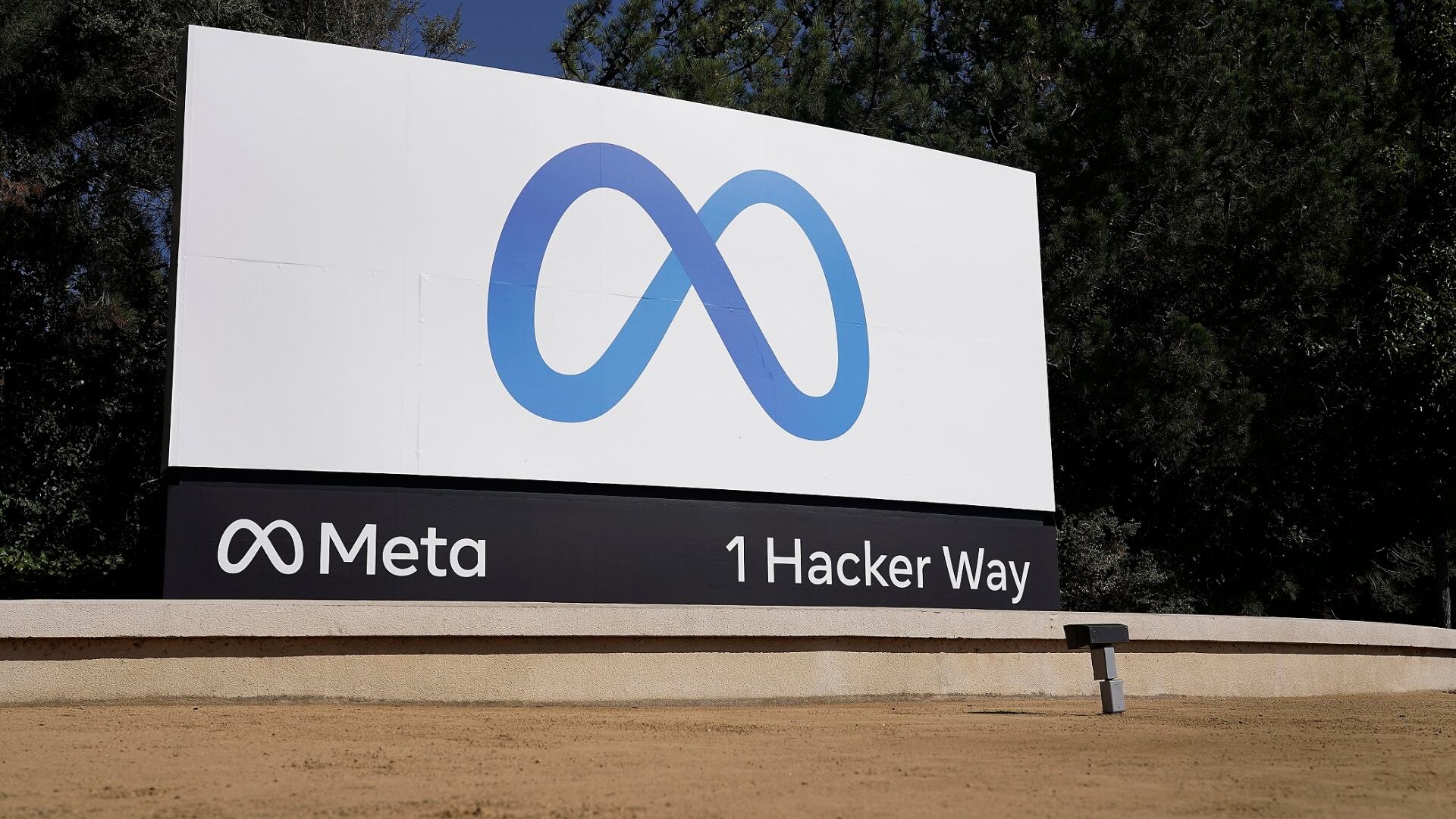
A new report from ProPublica and the Washington Post found that Facebook Groups played a major role in the spread of misinformation linked to the January 6 insurrection with more than 650,000 posts claiming that Joe Biden's election victory was illegitimate.
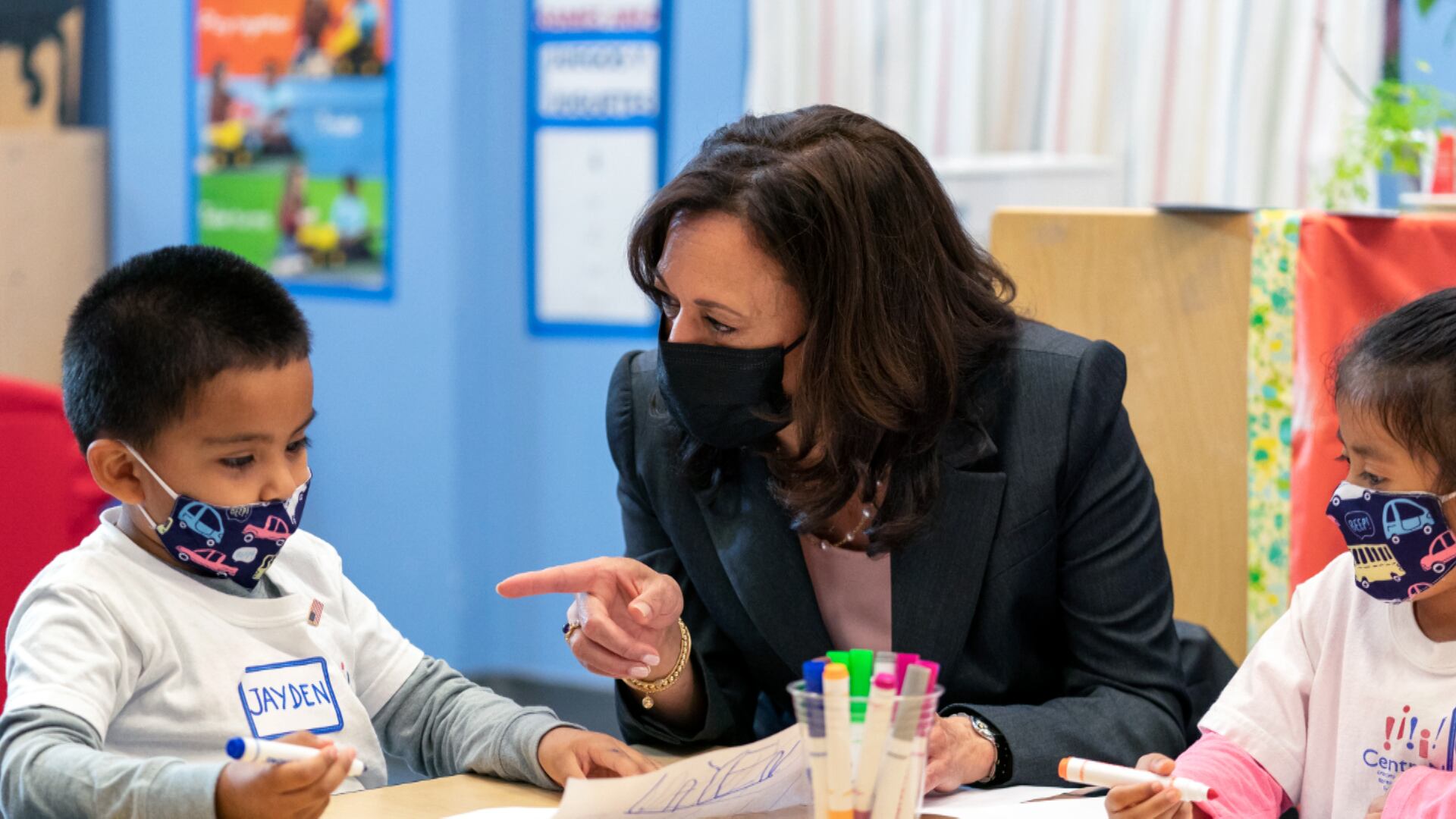
Millions of Americans with young children have relied on the child tax credit since the federal government began issuing checks in July 2021. The last round of payments was sent out just before the Christmas holiday — at the same time as the omicron variant surged. Leah Hamilton, associate professor of social work at Appalachian State University, joined Cheddar to discuss what the end to the tax credit means as the U.S. sees the end of many relief programs and its highest number of COVID cases since the start of the pandemic. "It'll become harder for families to meet their basic needs, increasing national childhood poverty rates and the proportion of families who have difficulty putting food on the table, maintaining stable housing, and paying their bills," Hamilton said. She also pointed to research that the credit as a long-term investment in children offsets claims that it contributes to macroeconomic impacts like inflation.
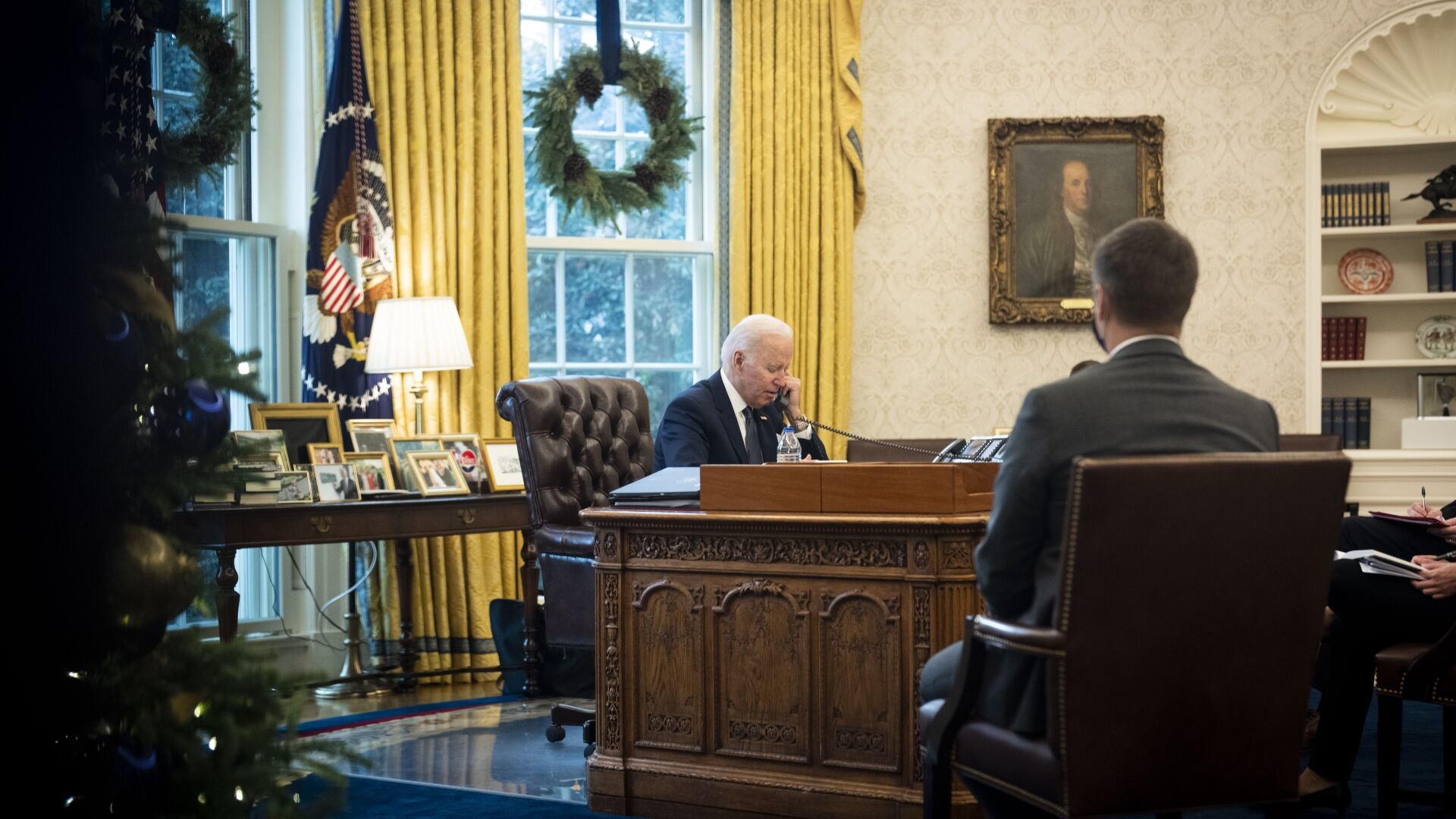
U.S. President Joe Biden spoke with Ukrainian President Volodymyr Zelensky over the week-end, just days after he spoke with Russian President Vladimir Putin. The call comes as Washington prepares to meet with Moscow on January 10, as tensions mount over Russia's military build up near its border with Ukraine. Cheddar News speaks with Mustafa Tameez, a former advisor to the U.S. Department of Homeland Security, about the issue.
Several Silicon Valley insiders are being accused of contorting a 1990s-era tax break to avoid taxes on millions of dollars of investment profits. The tax break is known as the qualified small business stock exemption, and it allows early investors in certain companies to avoid half of the taxes on up to $10 million in capital gains. A piece recently published in the New York Times says venture capital firms like Andreessen Horowitz replicated the tax exemption by giving shares of companies to friends and family, who would otherwise face a 23.8% capital gains bill. The CEO of Roblox is also accused of replicating the tax break for his family members at least 12 times. Although the loophole known as 'stacking' is considered to be legal, the Times piece implies that the exemption has been manipulated for the ultra-wealthy to become more wealthy. Greycroft co-founder and Chairman Emeritus Alan Patricof joins Cheddar News' Closing Bell to discuss.
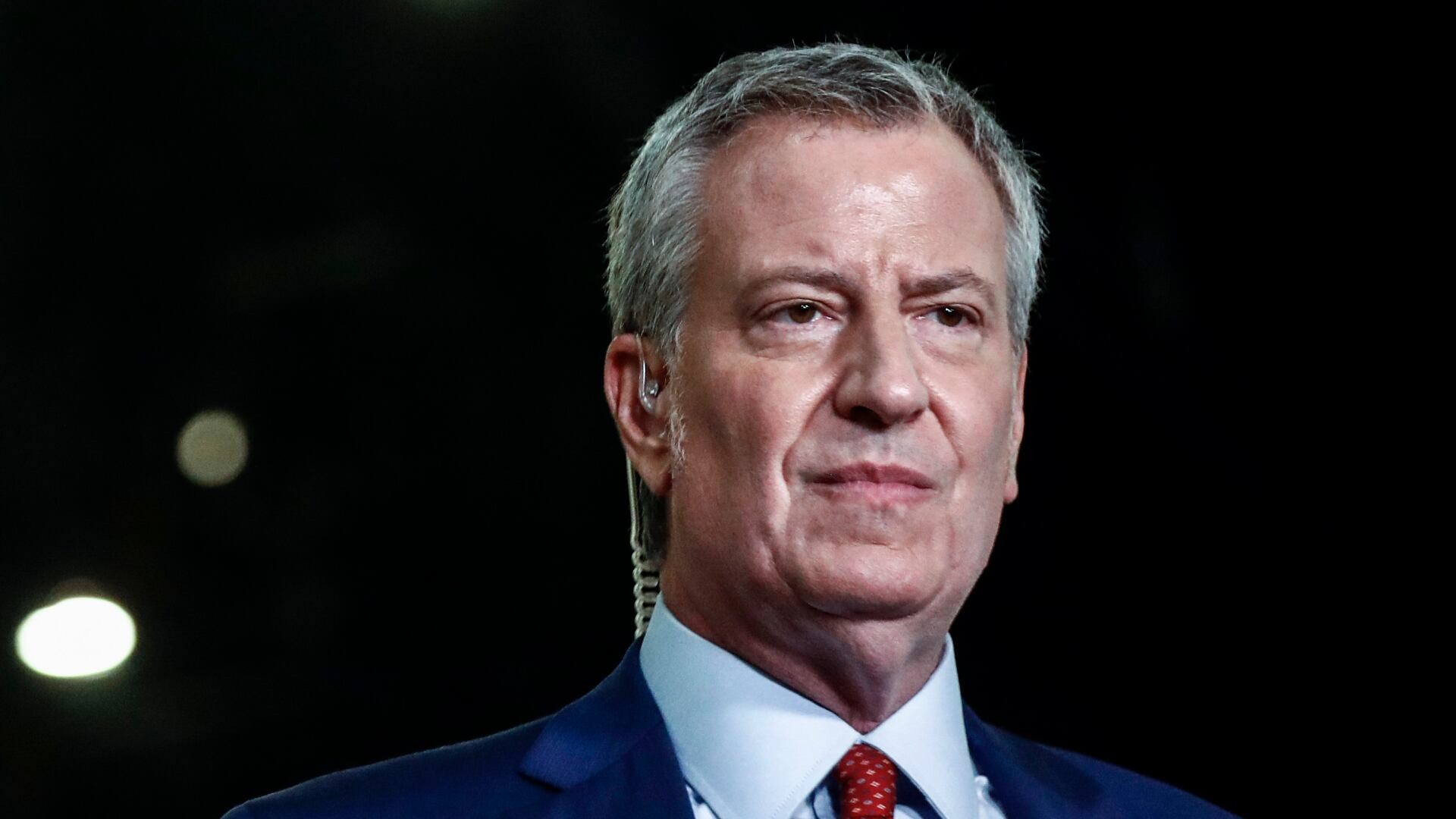
Chris Sommerfeldt, City Hall reporter for the New York Daily News, joins Cheddar News' Closing Bell, where he discusses both the wins and losses of Bill de Blasio's eight years as New York City Mayor.
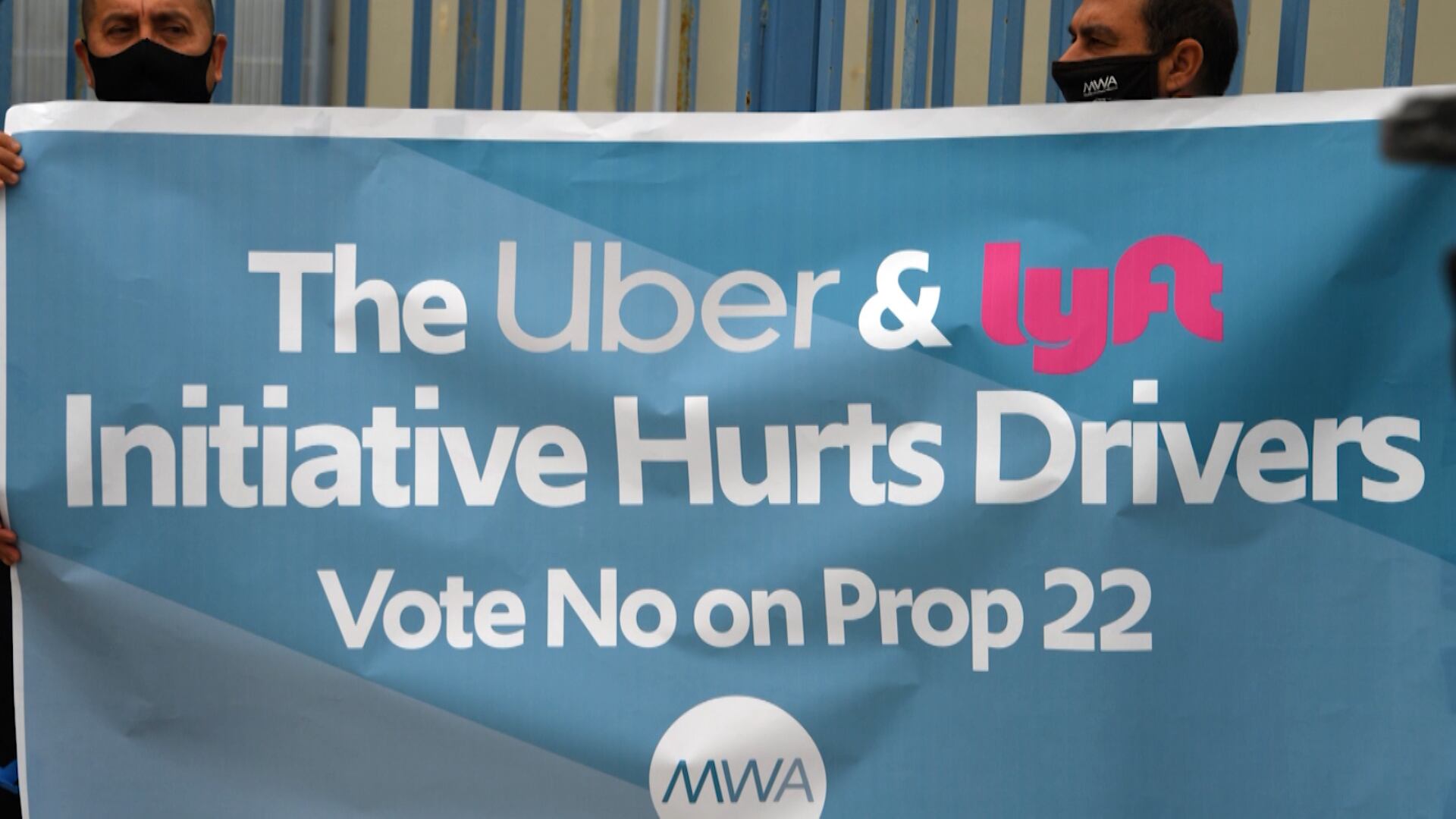
The push to regulate the gig worker economy is gaining steam as the share of workers who participate in freelancing through businesses like Uber and Lyft have also exponentially grown during the pandemic. Employment attorney Mark Kluger, founding partner at Kluger Healey, LLC, joined Cheddar to break down how the battle to reclassify gig workers will continue in the new year, and why the issue continues to generate conflict. "More and more workers are using gig work as their primary source of income and as a result of that they are not like employees in the sense that they don't have benefits like health insurance," Kluger noted.
2021 saw markets continue to be impacted by the onslaught of the coronavirus pandemic -most recently in the form of the Omicron variant- in addition to the global supply chain shortage, and increased inflation. But it wasn't all bad news, as crypto soared throughout the year, and meme stocks continued to have a moment. With the year coming to a close, investors are keeping an eye out to see if they should expect more of the same in the new year. Chris Vecchio, Senior Analyst, at DailyFX tells us what market trends to be on the watch for in 2022.