By Andrew Taylor
Still spinning their wheels on COVID-19 relief, lawmakers grabbed a one-week government funding extension on Wednesday that buys time for more talks — though there is considerable disagreement over who is supposed to be taking the lead from there.
Amid the uncertainty, the House easily passed a one-week government-wide funding bill that sets a new Dec. 18 deadline for Congress to wrap up both the COVID-19 relief measure and a $1.4 trillion catchall spending bill that is also overdue. The 343-67 vote sent the one-week bill to the Senate, where it's expected to easily pass before a deadline of midnight Friday to avert a partial government shutdown.
The measure would give lawmakers more time to sort through the hot mess they have created for themselves after months of futile negotiations and posturing and recent rounds of flip-flopping.
Top GOP leaders said the right people to handle endgame negotiations are the top four leaders of Congress and the Trump administration, focused on a proposal by Senate Majority Leader Mitch McConnell to eliminate a Democratic demand for a $160 billion or so aid package for state and local governments.
Top Democrats. meanwhile, are placing their bets on a bipartisan group of senators who are trying to iron out a $908 billion package. The bipartisan group is getting no encouragement from McConnell, but members are claiming progress on perhaps the most contentious item, a demand by the Kentucky Republican to award businesses and other organizations protections against COVID-related lawsuits.
“We’re trying to get a bipartisan compromise along the lines of the Gang of Eight framework," said Senate Minority Leader Chuck Schumer, D-N.Y. “We need Leader McConnell to stop sabotaging the talks and work with this gang of eight, which is the most hopeful and the only bipartisan group together."
Senate Minority Whip John Thune, R-S.D., however, said the only way to resolve the negotiations is for McConnell, Pelosi and the White House to take charge.
“The bipartisan group provided a good foundation kind of a place to start from. And hopefully, the negotiations are real negotiations on what can ultimately pass the House, the Senate, and get signed," Thune said. "We need to get under way."
The Trump administration is back in the middle of the negotiations, offering a $916 billion package on Tuesday that would send a $600 direct payment to most Americans but eliminate a $300-per-week employment benefit favored by the bipartisan group of Senate negotiators.
The offer arrived Tuesday came with the endorsement of the top House Republican and apparent backing from McConnell, who had previously favored a $519 billion GOP plan that has already failed twice. But Democrats immediately blasted the plan over the administration's refusal to back the partial restoration, to $300 per week, of bonus pandemic jobless benefits that lapsed in August.
“I think everybody is encouraged that there is a real framework here that everybody agrees on and there’s a few issues that are still the sticking points," Treasury Secretary Steven Muchin told reporters Wednesday. “The two biggest issues are the money for state and local governments and liability protections. If we can’t resolve those, we can move forward on everything else. I don’t want to tell a bunch of small businesses that they can’t get (paycheck protection) loans.”
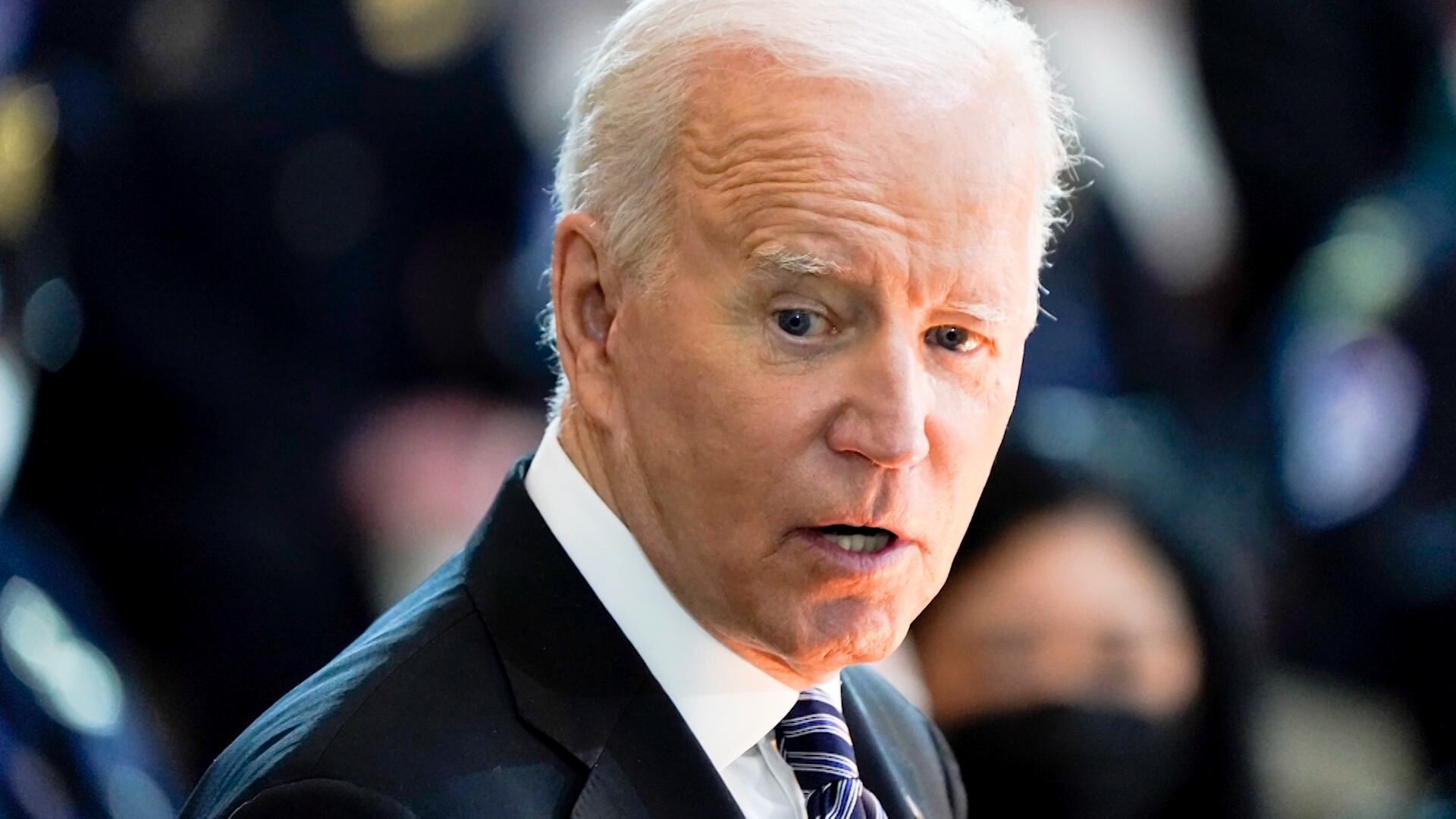
President-elect Joe Biden is pressing for as much pandemic relief as possible, though he's not directly involved in the talks. McConnell says Congress will not adjourn without providing the long-overdue COVID-19 relief. The pressure to deliver is intense — all sides say failure isn’t an option.
The bipartisan negotiating group — led by Democratic Sen. Joe Manchin of West Virginia and GOP Sens. Susan Collins of Maine and Lisa Murkowski of Alaska, among others — is seeking to rally lawmakers behind a $908 billion framework that includes a $300-per-week pandemic jobless benefit and $160 billion for states and local governments. It is more generous than a plan assembled by McConnell but far smaller than a wish list assembled by House Democrats.
Details leaked Wednesday on less controversial elements of their plan, including a four-month extension of jobless benefits set to expire at the end of the month, $300 billion for “paycheck protection" subsidies for struggling businesses, funding for vaccines and testing, and a host of smaller items like aid to transit systems, the Postal Service and health care providers.
Negotiations continue on a hotly contested liability shield from COVID-related lawsuits brought against businesses, universities and others that have reopened during the pandemic. The liability issue is regarded as a key to an eventual agreement that would pair the business relief with a $160 billion state and local aid package sought by Democrats.
“Right now we’re targeting struggling families, failing businesses, health care workers and we don’t have a stimulus check to every single person, regardless of need,” said Collins.
But there's clear momentum for another round of payments going out to taxpayers despite reservations among rank-and-file Republicans concerned about corralling costs.
A potential COVID agreement would catch a ride on a separate $1.4 trillion government-wide spending bill that has its own set of problems, including fights over protections for the sage grouse, the Census, and accounting maneuvers being employed by lawmakers to squeeze $12 billion more into the legislation.
“We're still looking for a way forward," McConnell said Wednesday morning.
Pelosi said she's encouraged about the reports she's hearing from the bipartisan talks.
“I think that we're close," Pelosi said. “That's what they tell me."
Updated on December 9, 2020, at 5:45 p.m. ET with the latest information.