The weather is breaking in parts of the U.S., and people are anxious to get outside and meet up. White Claw Hard Seltzer is hoping to capitalize as friends begin to mingle after a year of pandemic lockdowns.
The boozy beverage brand is introducing White Claw Surge, available in blood orange and cranberry flavors, which takes summer sipping to a new level with its 8 percent alcohol content, a 3 percent jump from existing products. John Shea, chief marketing officer at White Claw Hard Seltzer, said the brand was inspired by its consumer base to create the new line of beverages.
"We've got the biggest fanbase, extremely passionate. We don't have to look too far when we're looking for new inspiration on new products," Shea told Cheddar. "They're vocal about it and we've got kind of built-in consumer research just by following social media, so that's where we take our lead."
The brand is also rolling out a line of alcoholic iced teas that will be available in lemon, raspberry, peach, and mango. Those teas, however, will retain the typical 5 percent alcohol content.
With demand for hard seltzer on the rise in the U.S. Shea said the company has already taken steps to make sure there is enough product heading to store shelves by building two "breweries." He said the factories will help the brand remain the leader in the hard seltzer category.
"There's been a big wave into the hard seltzer market. Last year at this time we had about six competitors. Now there's about 170. White Claw's bigger than all of them combined. So our fans have really gotten behind the product and are looking for new innovation, and that's what we're bringing to them," he said.
Shea said the company plans to maintain its position at the top of the hard seltzer category by continuing to listen to its consumers and elevating its offerings with quality products.
"It really starts with the liquid, an amazing, refreshing liquid, and then for White Claw, it's just about pure uncomplicated fun. It's a simple product, light flavors, really refreshing," he noted.
Dating app Bumble announced its first acquisition, expanding into Europe by picking up Fruitz, a French Platform. The Fruitz app allows its users to convey dating preferences through fruit metaphors.
Meat production giant Tyson Foods reported a beat on its Q1 earnings. In spite of obstacles posed by supply chain issues and inflation, the company exceeded expectations on earnings per share and revenue.
TC BioPharm, a biopharmaceutical company focused on developing cell therapy products targeting, went public on the Nasdaq in January. CEO Bryan Kobel joined Cheddar to talk about the company's IPO launch, its cancer-fighting therapeutics tech, and its potential for using its research to treat COVID-19. "The opportunity here for us is to really get safety data and covid and expand into other areas," Kobel said. "So from COVID, where we hope to treat patients, hopefully maybe the elderly population, populations that that really can't handle the antivirals because they're too hard in the system, well then we'll expand out into maybe severe influenza Ebola, other viral and viral infections where we think we can be helpful."
The gaming industry has been under the spotlight so far this year following some big mergers and acquisitions. This week featured earnings of three major gaming companies, but also Meta and for the latter, things are not doing too hot. Joining Cheddar News to break it all down was Kenny Rosenblatt, President and Co-Founder of Arkadium.
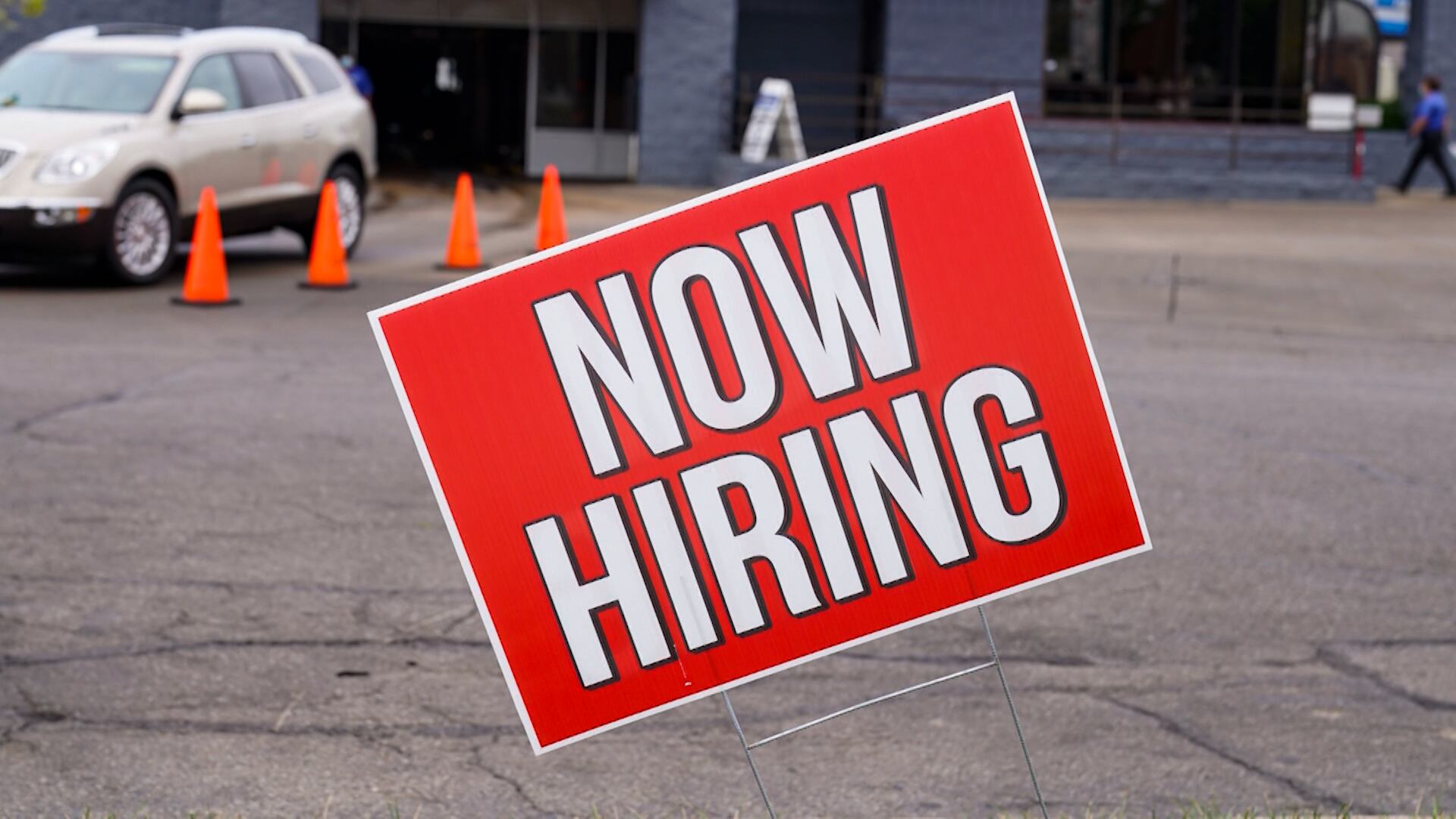
Following the surprising big beat on estimates for the January jobs report, William M. Rodgers III, vice president and director of the Institute for Economic Equity at the Federal Reserve Bank of St. Louis, joined Cheddar News to break down the data. “We ended 2021 with a strong crescendo to a recovery that had taken hold, and we started 2022 in good fashion." He also discussed the dueling pressures of wage growth and inflation.