The weather is breaking in parts of the U.S., and people are anxious to get outside and meet up. White Claw Hard Seltzer is hoping to capitalize as friends begin to mingle after a year of pandemic lockdowns.
The boozy beverage brand is introducing White Claw Surge, available in blood orange and cranberry flavors, which takes summer sipping to a new level with its 8 percent alcohol content, a 3 percent jump from existing products. John Shea, chief marketing officer at White Claw Hard Seltzer, said the brand was inspired by its consumer base to create the new line of beverages.
"We've got the biggest fanbase, extremely passionate. We don't have to look too far when we're looking for new inspiration on new products," Shea told Cheddar. "They're vocal about it and we've got kind of built-in consumer research just by following social media, so that's where we take our lead."
The brand is also rolling out a line of alcoholic iced teas that will be available in lemon, raspberry, peach, and mango. Those teas, however, will retain the typical 5 percent alcohol content.
With demand for hard seltzer on the rise in the U.S. Shea said the company has already taken steps to make sure there is enough product heading to store shelves by building two "breweries." He said the factories will help the brand remain the leader in the hard seltzer category.
"There's been a big wave into the hard seltzer market. Last year at this time we had about six competitors. Now there's about 170. White Claw's bigger than all of them combined. So our fans have really gotten behind the product and are looking for new innovation, and that's what we're bringing to them," he said.
Shea said the company plans to maintain its position at the top of the hard seltzer category by continuing to listen to its consumers and elevating its offerings with quality products.
"It really starts with the liquid, an amazing, refreshing liquid, and then for White Claw, it's just about pure uncomplicated fun. It's a simple product, light flavors, really refreshing," he noted.
The semiconductor industry is at an inflection point as it tries to fully recover from the worst of pandemic-era headwinds. While Broadcom has announced it will buy cloud computing company VMware, Nvidia is lowering its current quarterly outlook. Meanwhile, TSMC and Intel are contemplating raising prices -- again -- thanks to higher materials costs. Where does the industry go from here? Ted Mortonson, technology strategist at Baird, joins Closing Bell to discuss.
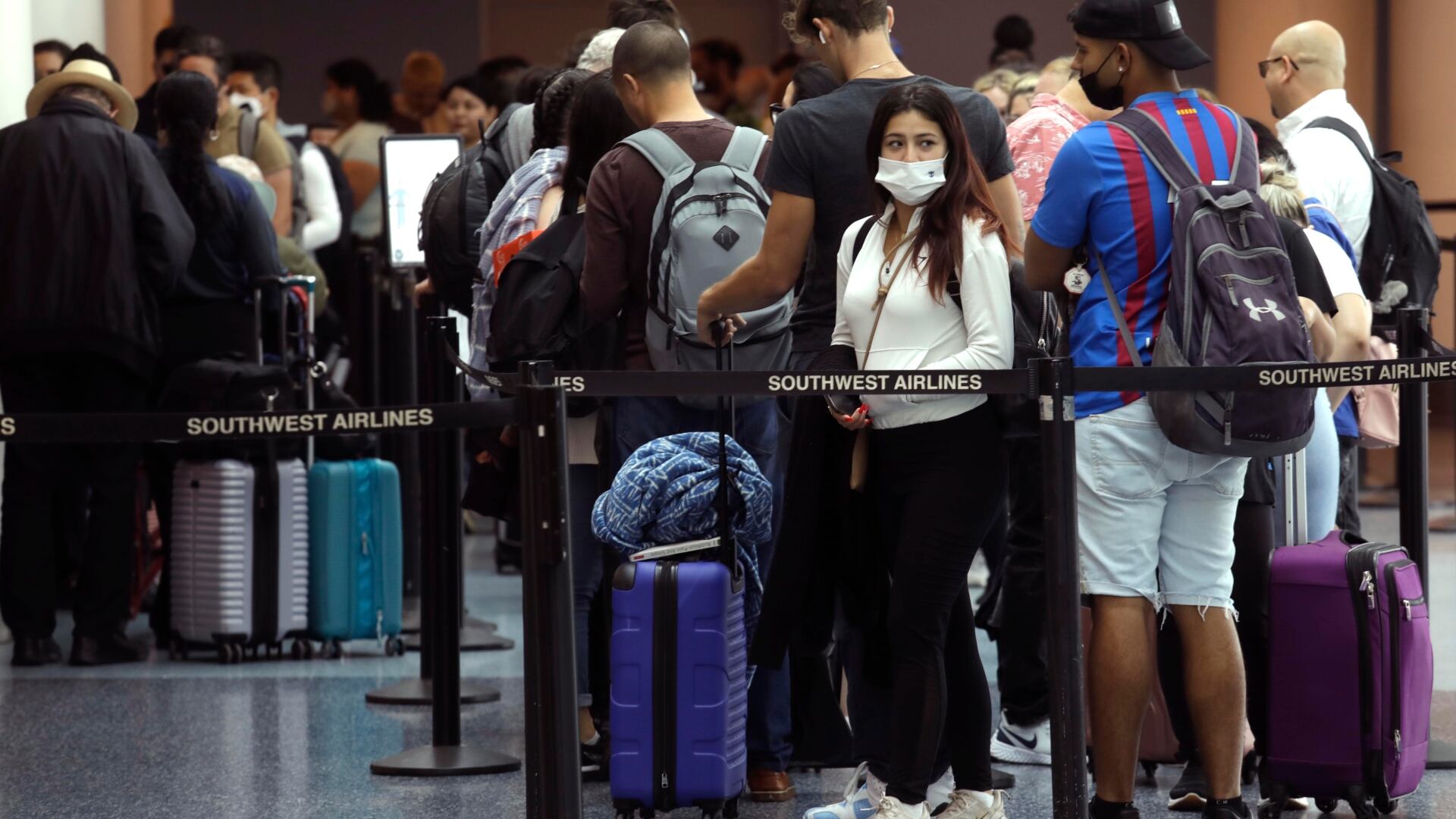
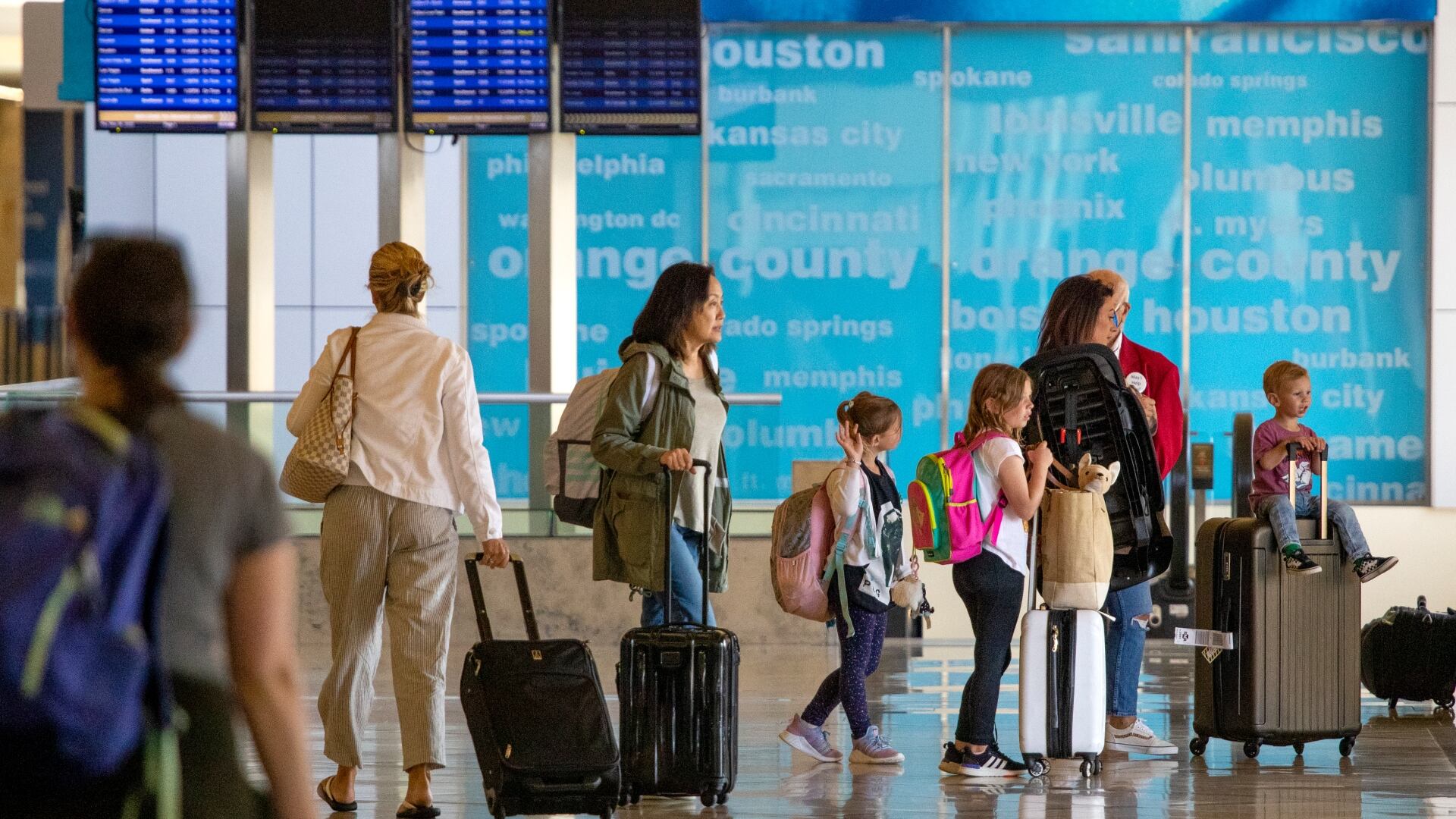
Memorial Day rang in the unofficial start of summer here in the United States -- and with it, the unofficial start of summer travel. Whether consumers traveled by air or by land, they probably experienced some form of frustration over the weekend. Flyers faced delays and cancellations, and drivers faced the most expensive gas prices ever recorded on Memorial Day. Zach Griff, Senior Aviation Reporter for the Points Guy, joins Cheddar News' Closing Bell to discuss.
Next-generation gaming ecosystem Joystick recently raised $8 million in a seed round and is in the process of raising a $110 million Series A funding round. Gaming ecosystems are a relatively new type of platform in the Web3 space, allowing users to maximize their play-to-earn gaming opportunities, exchange crypto-currencies, and sell their digital assets. Joystick says its platform is flipping the current model on its head by giving players the opportunity to keep 100% of the revenue they earn. Robin Defay, co-founder and CEO of Joystick, and Michael Le, co-founder of Joystick and TikTok content creator, join Cheddar News' Closing Bell to discuss.
Abe Stein, Head of Innovation at Sports Innovation Lab, joins Cheddar News' Closing Bell, where he explains why the top four spots on his company's 2022 list are European soccer clubs and discusses Sports Innovation Lab's plan to publish data on women's pro sports teams in the not-too-distant future.
Joel Birch, Co-Founder and CEO of Stacked, joins Cheddar News' Closing Bell, where he explains why he doesn't see any new catalysts that would lead to a Bitcoin rally at the moment. He also reiterates that now is a good time for long-term Bitcoin investors to buy low.
The dating app Bumble has sponsored bills and pushed lawmakers to criminalize the online practice of sending unsolicited nudes or “cyberflashing." Payton Iheme, Bumble's head of public policy for the Americas, joined Cheddar News to discuss why the app was going after the harassing behavior beyond its own platform. "Now, while we went to work internally in the company, and we created something called private detector to automatically blur those images so the user can decide if they want to see them, there's nothing for the rest of the internet," she said. "And so that's why we went to work with these laws."