White Castle, the Oldest Hamburger Chain in the U.S., Embraces On-Demand Tech
*By Michael Teich*
Convenience has been the prime selling point for fast-food joints for decades, but new technology and a surplus of on-demand delivery options are eating away at the value proposition for companies building their business around speed and drive-thru lanes.
"Delivery is really reshaping the whole landscape, and those that are early adapters are really going to benefit," said White Castle VP Jamie Richardson in an interview with Cheddar.
The popularity of on-demand delivery services has prompted restaurants to either create partnerships with those companies or risk falling behind and missing out on consumers who prioritize convenience. White Castle has made an effort to get on-board early by expanding delivery to more than 300 locations in partnerships with GrubHub ($GRUB), DoorDash, Postmates, and Uber Eats.
"It's changing everything," Richardson added.
White Castle's mobile app is another way the Columbus-based chain is looking to optimize the consumer experience and boost sales. Richardson told Cheddar that White Castle's app "doubled in terms of the percent of sales it represented this year." People who order fast food via a mobile app or online increase their spending by 20 percent, according to Deloitte.
"For us, it's all about the app. The mobile app is something we can empower each of our customers with," he said.
While technological advancements and speed of delivery improve the consumer experience, quality of food and menu diversity are also crucial, Richardson stressed. Four months ago, White Castle became the largest fast-food chain to implement the Impossible Burger, a meatless burger substitute, on its menu.
It's not just for vegans, he said. "People love a range of tastes."
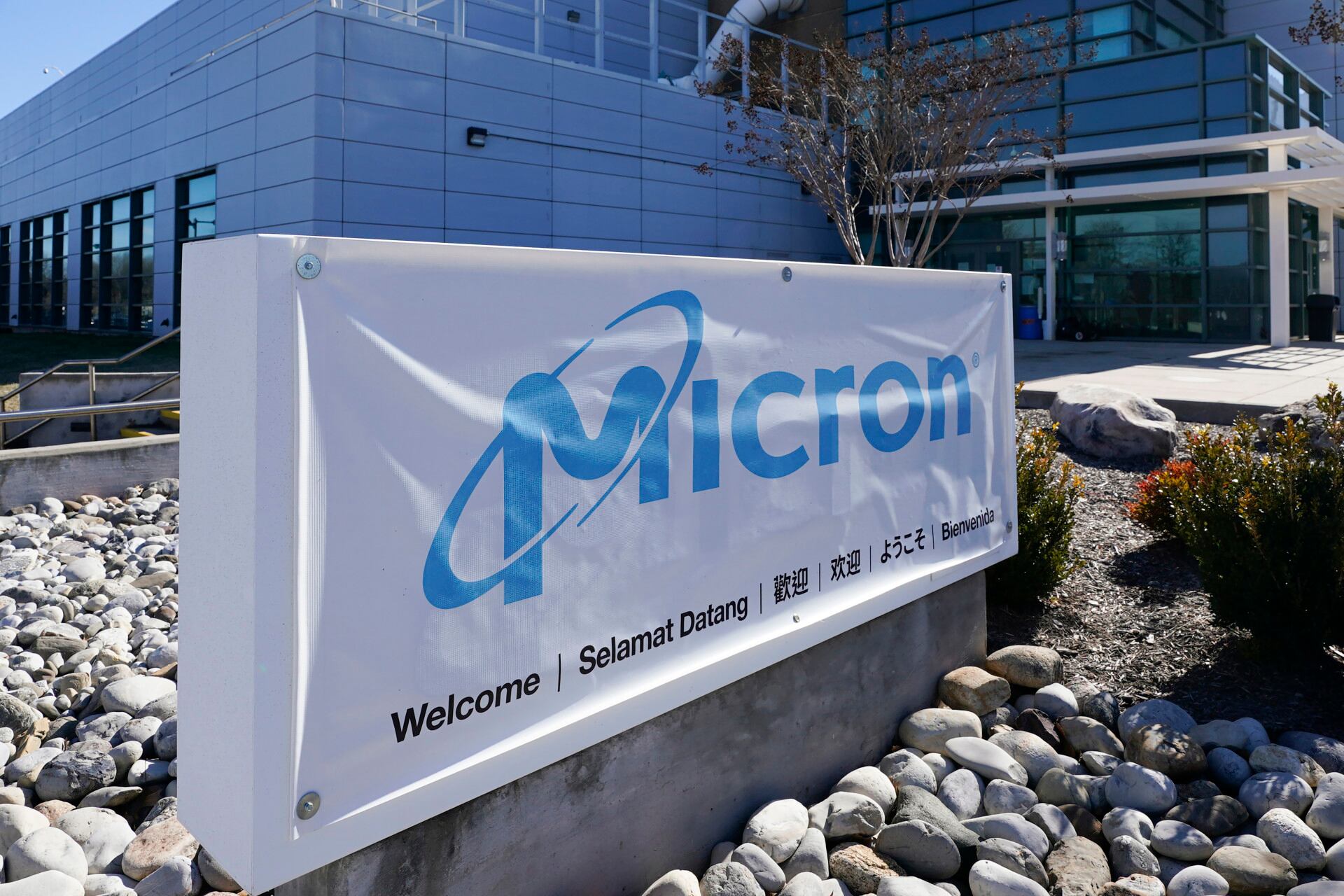
Stepping up a feud with Washington over technology and security, China's government on Sunday told users of computer equipment deemed sensitive to stop buying products from the biggest U.S. memory chipmaker, Micron Technology Inc.
Stocks are moving tentatively Monday, as Wall Street waits to see whether a pivotal meeting in the afternoon will help the U.S. government avoid a potentially disastrous default on its debt.
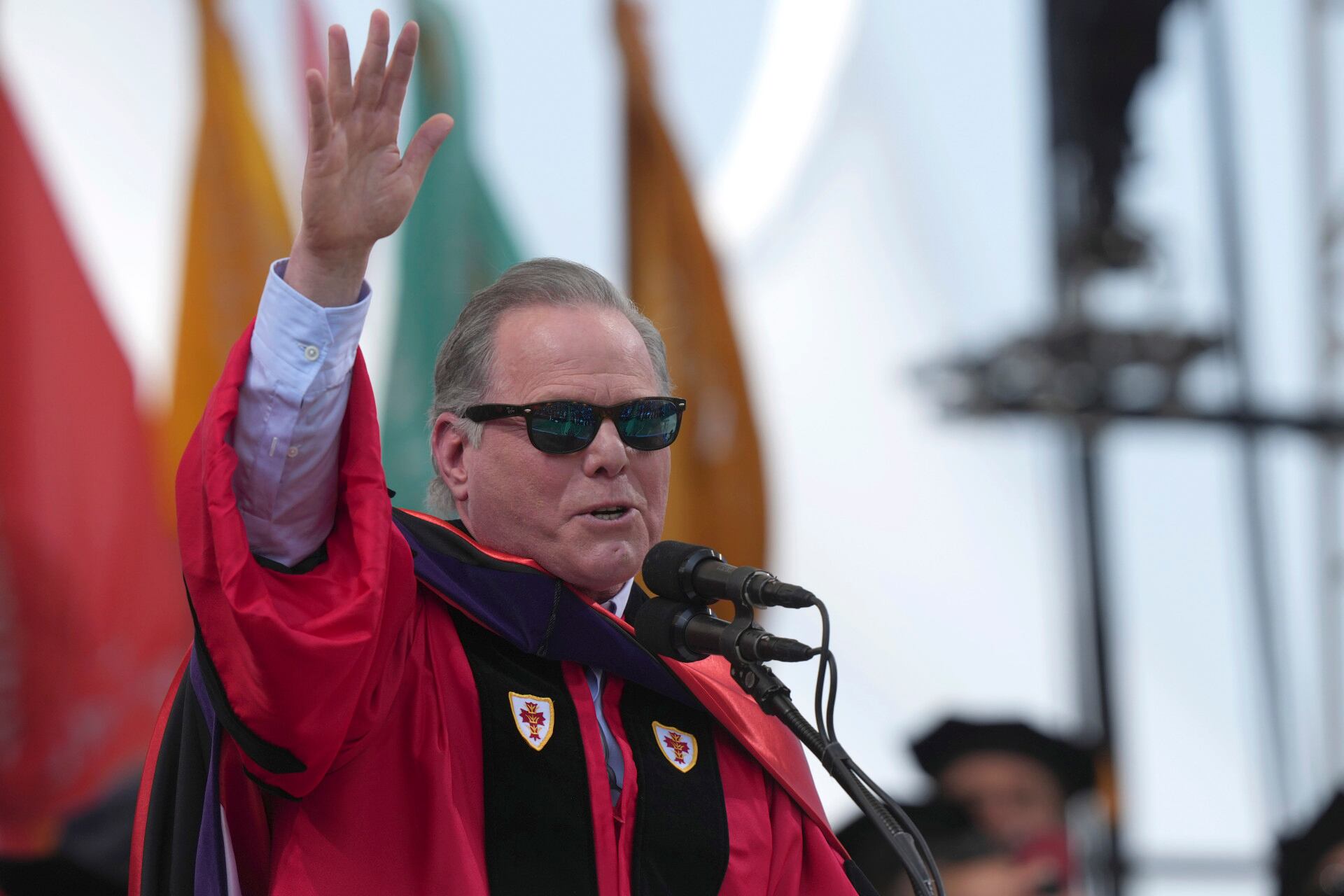
Scores of Boston University students turned their backs on the head of one of Hollywood's biggest studios, and some shouted “pay your writers,” as he gave the school's commencement address Sunday in a stadium where protesters supporting the Hollywood writers' strike picketed outside.
Gov. Ron DeSantis is asking that a federal judge be disqualified from the First Amendment lawsuit filed by Disney against the Florida governor and his appointees, claiming the jurist's prior statements in other cases have raised questions about his impartiality on the state's efforts to take over Disney World's governing body.
Ford CEO Jim Farley says the company will stop competing in over-served market segments and instead will place big bets on connected vehicles and digital services. The days of Ford being all things to all people are over, Farley said at the company's capital markets day event Monday.
The European Union slapped Meta with a record $1.3 billion privacy fine Monday and ordered it to stop transferring users personal information across the Atlantic by October, the latest salvo in a decadelong case sparked by U.S. cybersnooping fears.
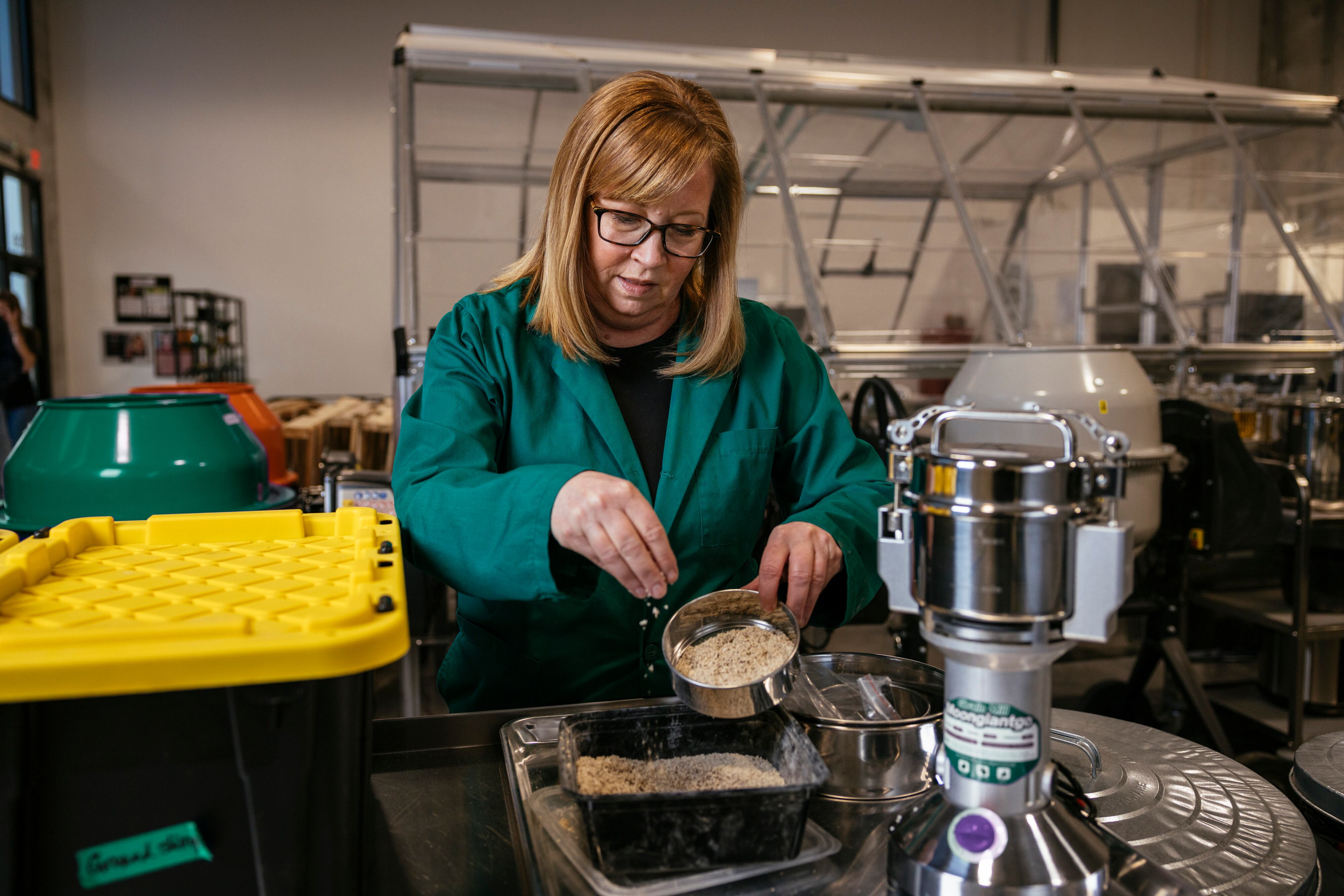
Joanne Rodriguez, founder and CEO of Mycocycle Inc., joined Cheddar News to discuss how her company uses mushrooms to decarbonize construction waste. "Mycocycle was started to address the waste mismanagement issue we have," she said. "Globally, we've got overflowing landfills that are creating human and environmental health issues."
The World Economic Forum recently released its future of jobs report and broke down what abilities employers are looking for. Julia Pollak, chief labor economist at ZipRecruiter, joined Cheddar News to discuss what top, in-demand job skills are needed in the rapidly-changing economy.