When to Take the Jump for the Career of Your Dreams
"When to Jump: If the Job You Haven't Isn't the Life You Want" explores a fundamental question. When is it the right time to really take a leap, and go after what you really want to be doing. The book's author Mike Lewis explains how the lessons in this book can apply to your life in and out of the workplace.
Lewis encourages people to chase their dreams but warns it will be difficult. Lewis says the scariest notion for people to go for their passion is the unknown, but this can also be the most rewarding.
The four phases of when to jump include: listen to the little voice, make a plan, let yourself be lucky, and don't look back.
The book features stories about people who started in one field and then completely shifts to a new one. From a finance professional turned professional cyclist to the person who wants to learn for a new language, Lewis hopes the stories will inspire others to make the changes they seek.
Lewis says a big key is to never look back once you have jumped. You can't be second guessing once you have made the decision. The key is to do the planning and prep beforehand and then trust in your decision.
Chris Versace, CIO at Tematica Research, joins to discuss earnings season trends, Flash PMI signals, Walmart’s strategy updates, and Nike’s evolving outlook.
Andrew Nusca, Editorial Director at Fortune, dives into WhatsApp’s first-ever ads rollout —and how Meta’s ad push intensifies its showdown with OpenAI.
Ben Geman, Energy Reporter at Axios, joins to discuss the latest Middle East tensions, Brent crude price swings, and why gas prices aren’t falling with oil.
Al Root, Associate Editor at Barron's, joins to discuss Tesla’s robotaxis going live in Texas—what it means for autonomy, safety, and the EV race ahead.
Dena Jalbert, M&A expert and CEO of Align Business Advisory Services, on the state of U.S. M&A: deals worth $1–$10 billion (including debt) are surging.
Jeremy Jansen, Head of Supply Chain at Wells Fargo, unpacks the ongoing trade talks between the United States and China as consumers still wonder about tariffs.
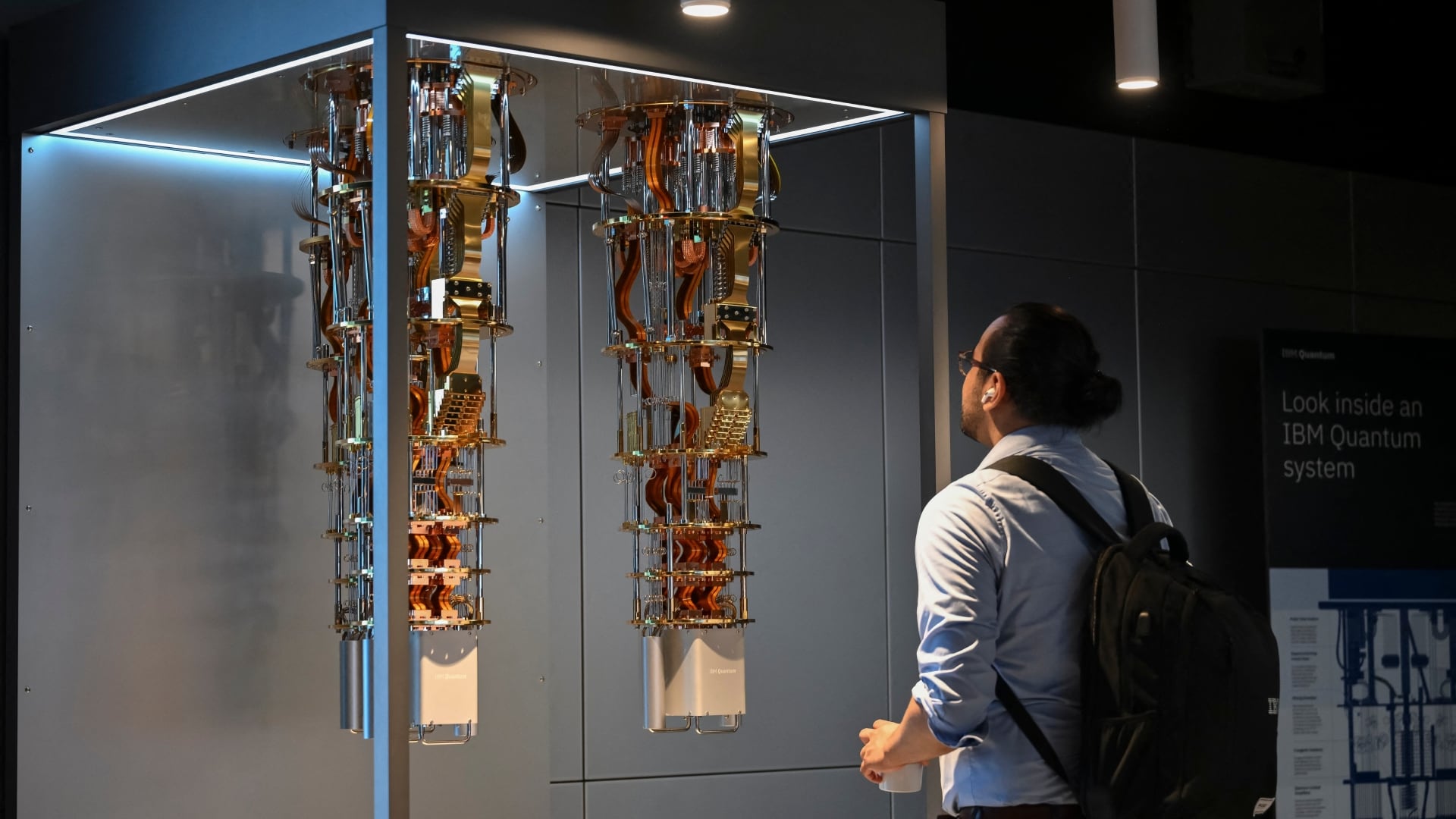
IBM Fellow Jerry Chow talks IBM’s expansion of the Quantum Data Center in Poughkeepsie, installing Heron processors that deliver utility‑scale performance.