Is the Drama Around the White House Correspondents' Dinner Worth It?
*By Tracey Cheek*
In a sharp contrast to years past, the White House Correspondents' Dinner will not feature a class clown, but a professor ー First Amendment historian Ron Chernow.
The sober-minded selection comes after comedian Michelle Wolf's take-no-prisoners routine at the last event in April ー her jabs at Sarah Huckabee Sanders, in particular, incited outrage from the White House and some of the reporters in attendance.
“\[Chernow is\] not going to be controversial, he’ll be a very ‘eat your vegetables’ performer," said Jon Levine, media editor at The Wrap
Chernow ー a significant deviation from the likes of Stephen Colbert and Wanda Sykes ー is best known for his thick volumes on American presidents. Perhaps most notably, his book on Alexander Hamilton inspired the hit Broadway musical and cultural phenomenon, “Hamilton.”
But does it really matter who gets up and tells jokesー or in this year's case, gives a history lesson ー to a group of journalists? Levine said that the White House Correspondents' Dinner has been criticized as an access journalism event, and for all the rumblings, it's not particularly important.
“The event has gotten criticism since as long as I can remember," he said." From a lot of journalists who say it’s weird to sort of be writing all this very tough coverage about Trump or Sarah Sanders or whatever, and then you go there and have drinks with everybody and pal around. It's a little strange.”
President Trump has not shown up to a White House Correspondents dinner since taking office, in contrast to his predecessors, and Levine is positive that this year will be no exception.
“There is not a question, he will not show up,” he said.
“It’s clearly just not his thing. He knows that he goes after the press every single day. It would be a hostile audience. It would be at best awkward.”
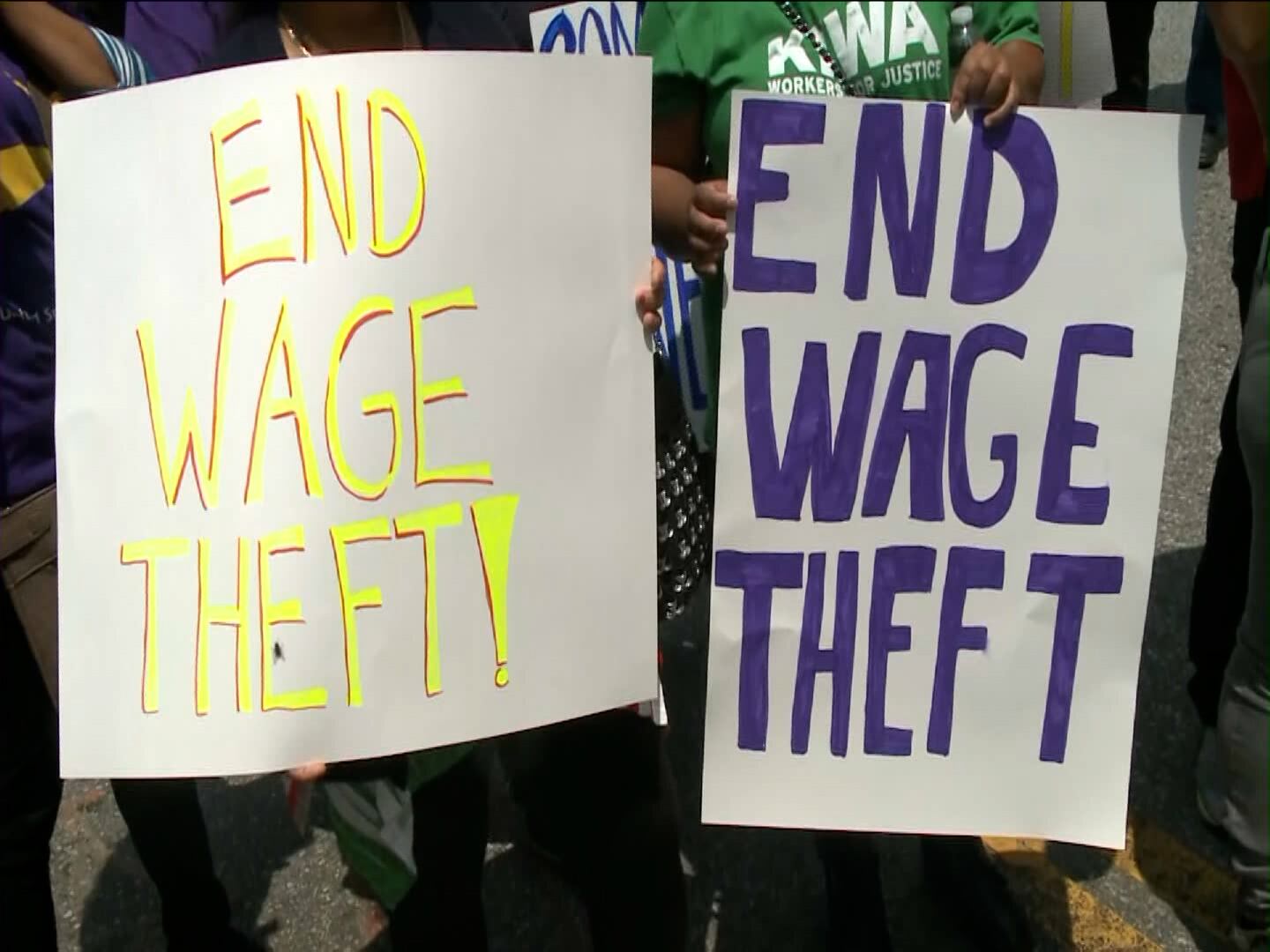
The average city in California has a 38% higher cost of living than the average American city, according to a cost of living index. For many, the general minimum wage of $15/hour just doesn't cut it. Anti-poverty activist Joe Sanberg wants to get the minimum wage changed to $18/hour. He joins Cheddar News to discuss the Living Wage Act of 2022.
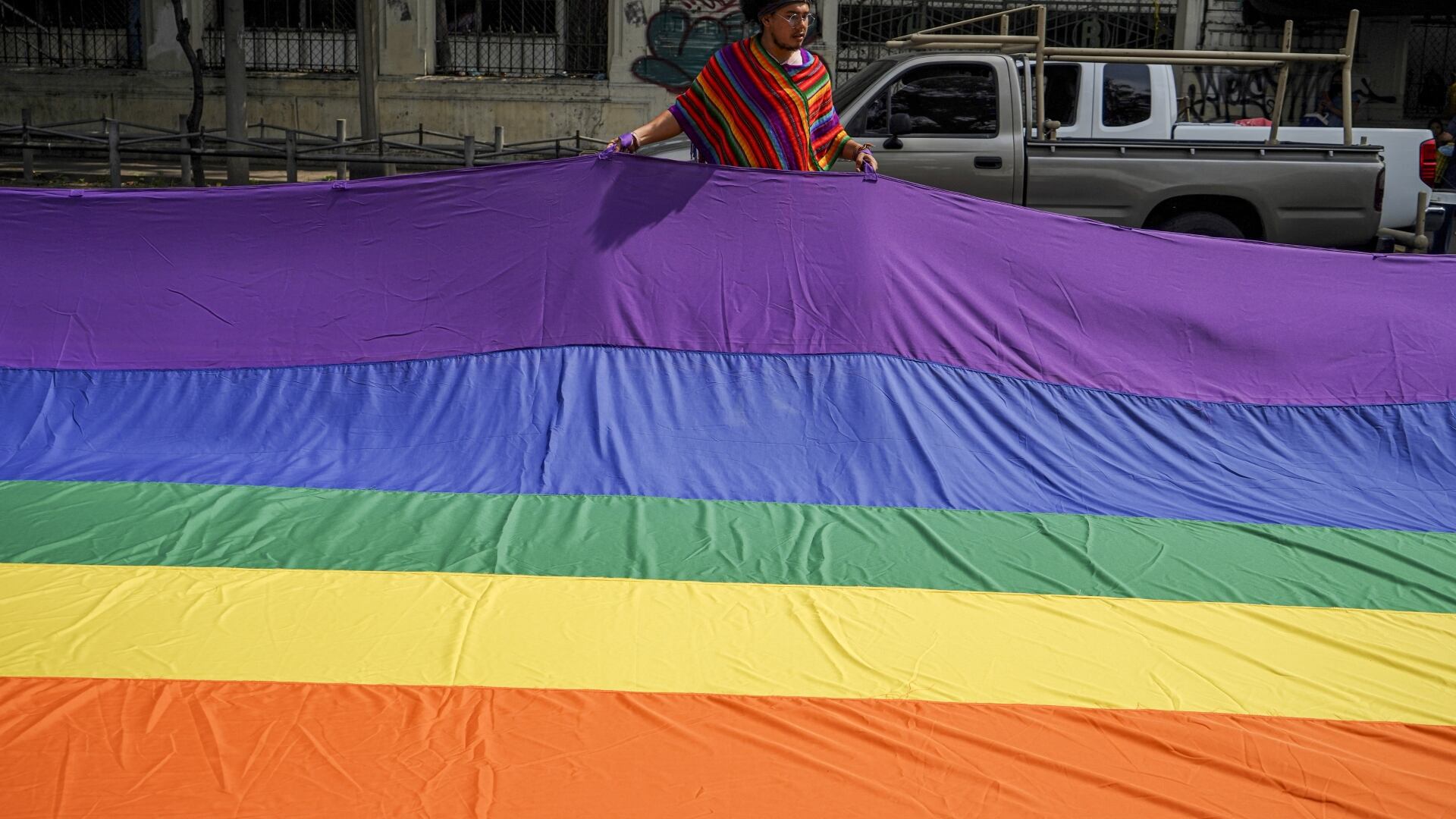
Liana Guzmán, CEO of FOLX Health, joins Cheddar News to discuss the company launching billboards across the country in response to anti-LGBTQ+ legislation.
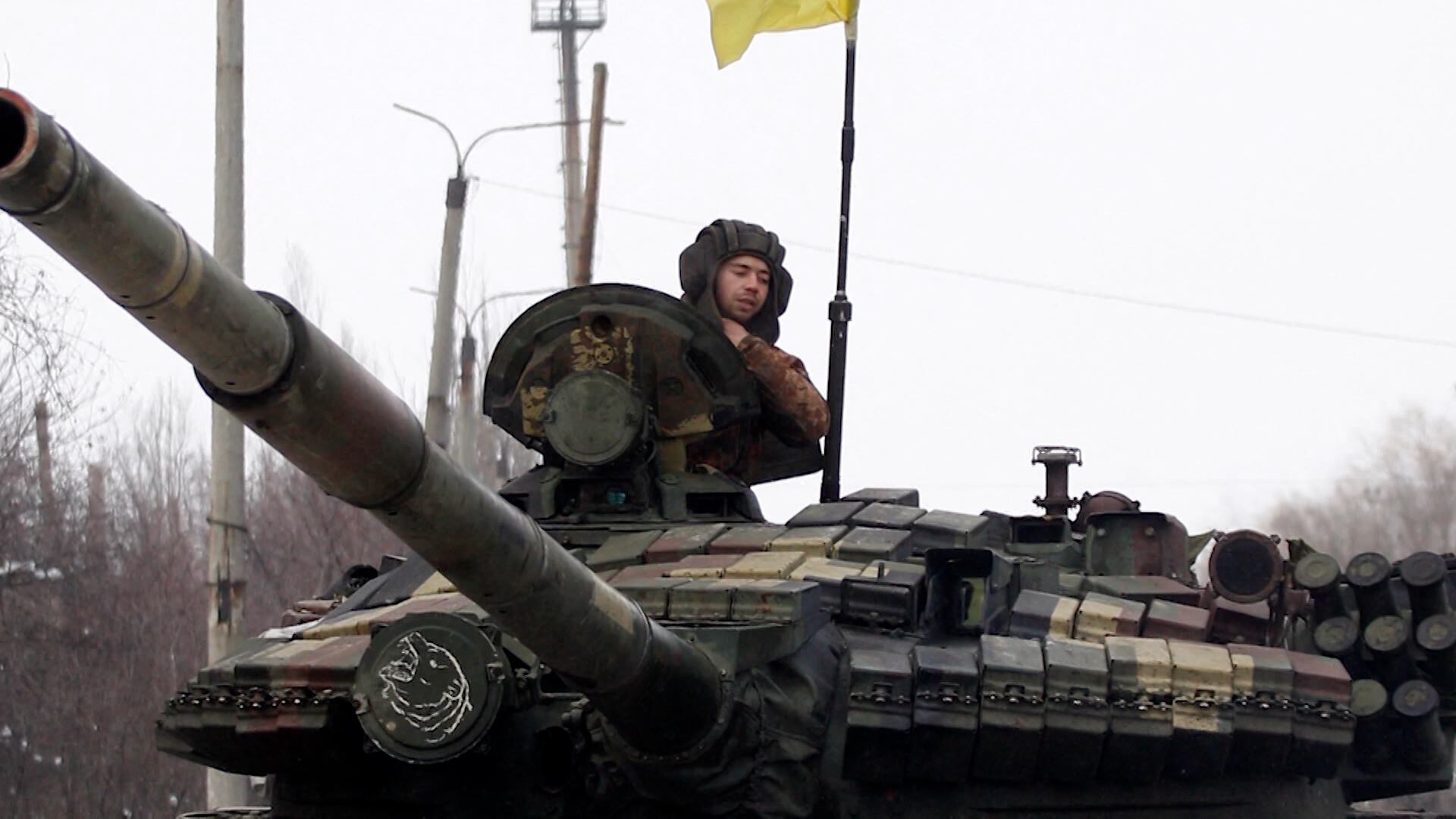
President Biden has announced an additional $800 million in military assistance to Ukraine, including artillery, armored personnel carriers, and helicopters. It comes as Russian forces appear to be preparing for a new, aggressive offensive in the eastern part of Ukraine. Paul McLeary, defense reporter for Politico, joined Cheddar to discuss this new round of aid and what it means for the U.S. commitment to arming the embattled country.
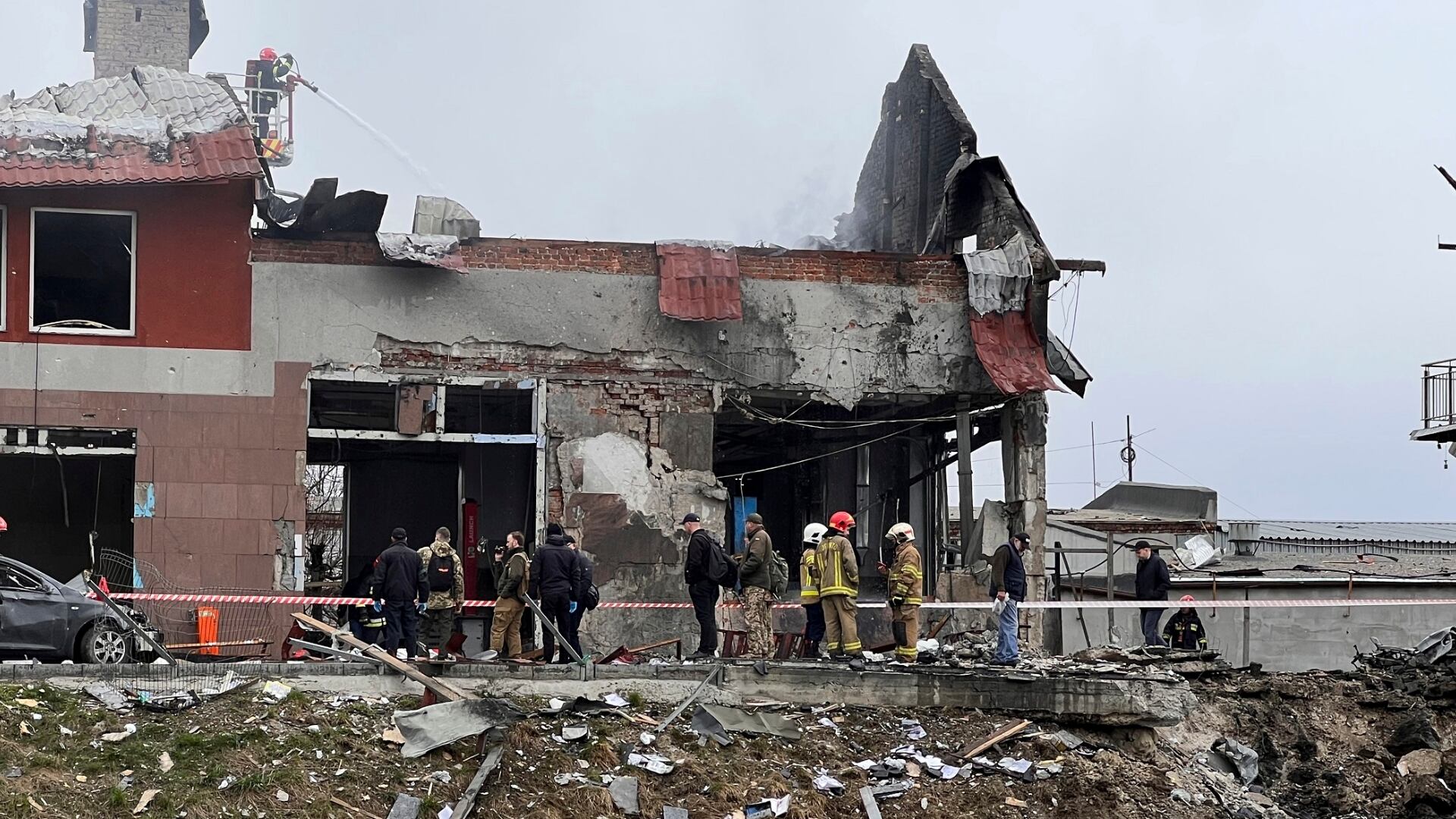
Catching you up on what you need to know on April 18, 2022, with Russian missile attacks on the Ukrainian city of Lviv killing seven, mass shootings in South Carolina and Pittsburgh, Lucky Charms cereal under official investigation by the FDA, and more.
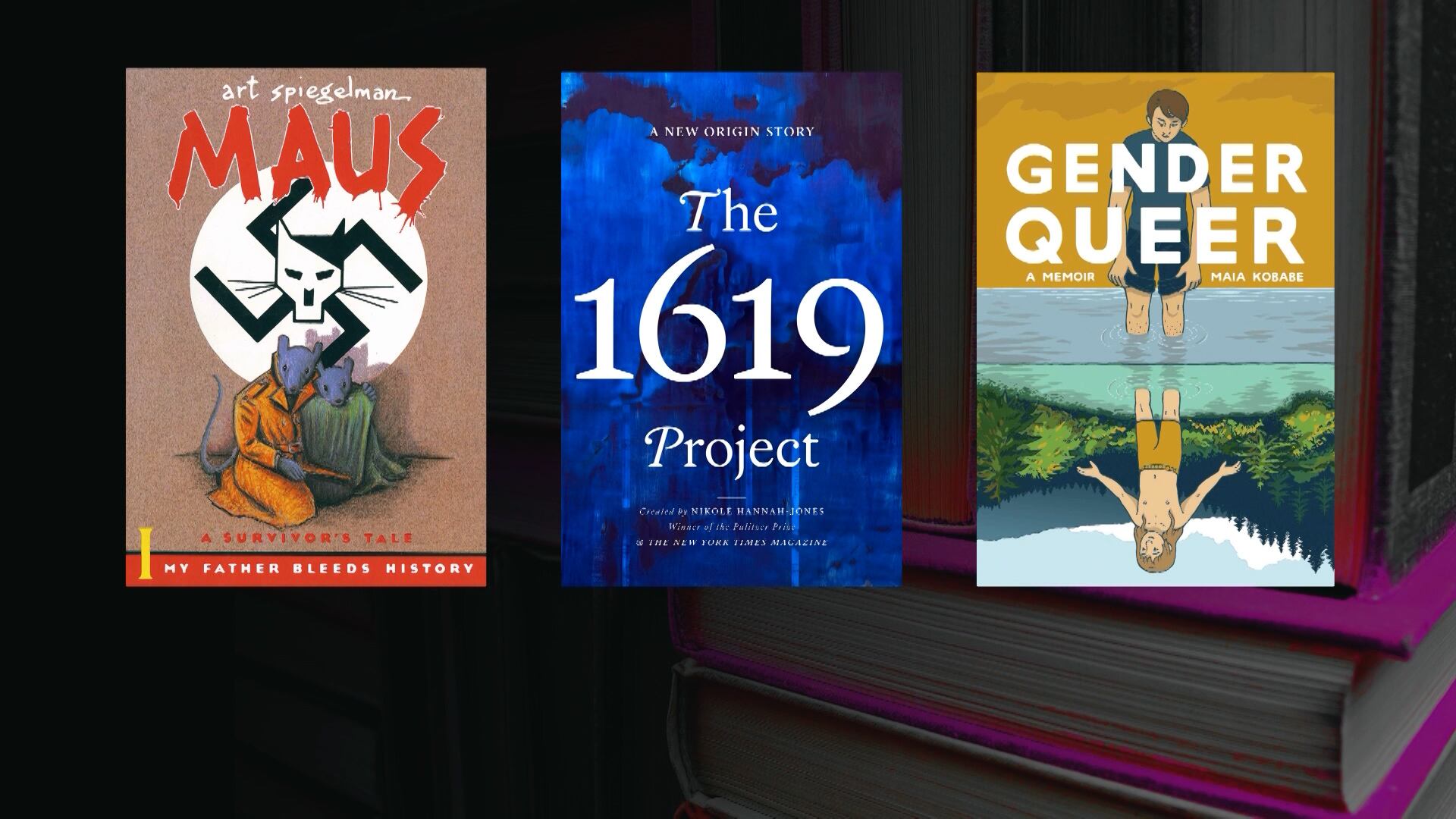
Activism is growing around the country in response to school boards banning books from shelves that focus on sexuality, gender, identity, or race. Jen Cousins, co-founder of The Florida Freedom to Read Project, joins Cheddar News to discuss.
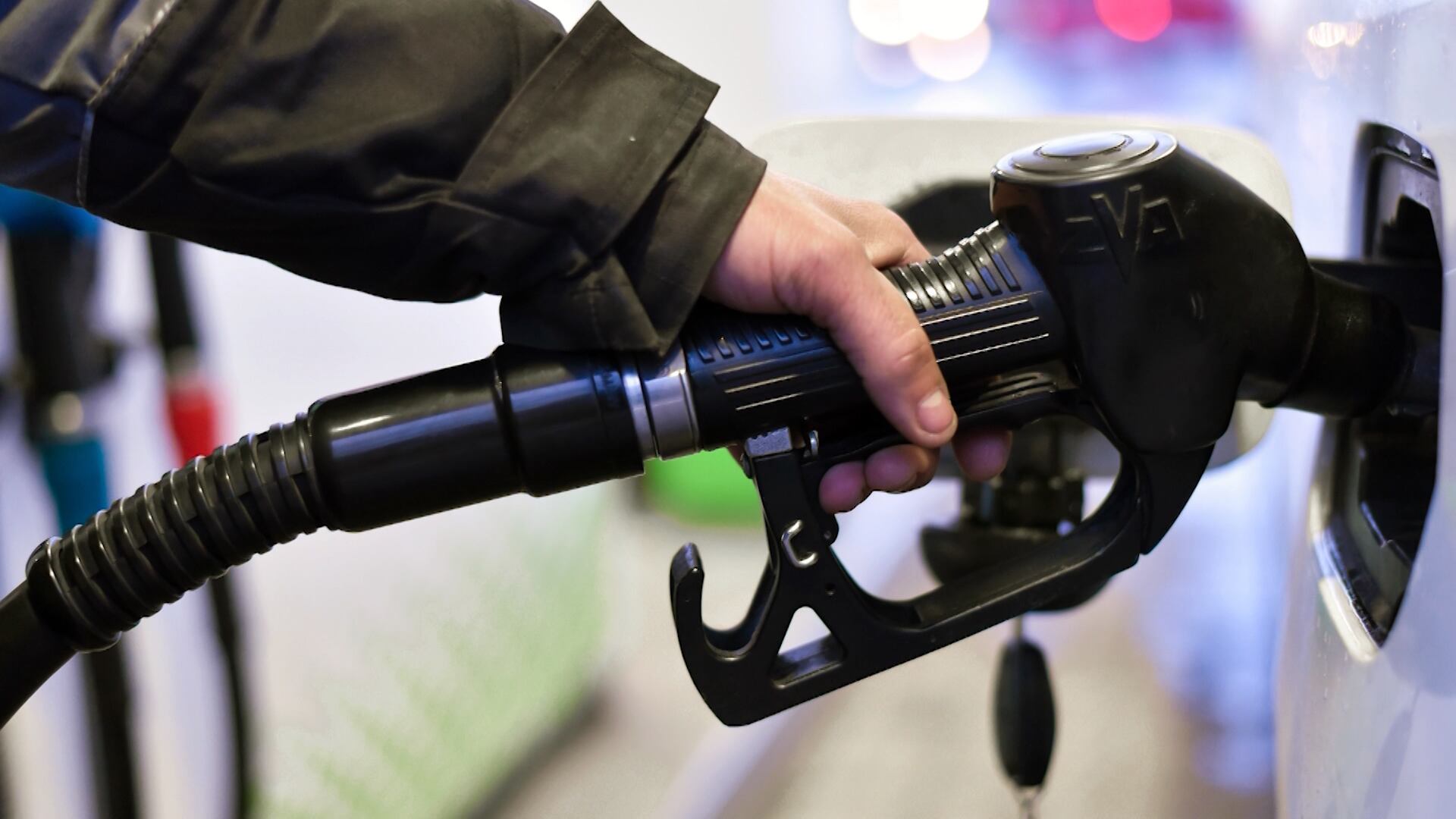
As the Russian invasion of Ukraine intensifies, President Biden has announced a ban on importing Russian oil, gas, and energy. To discuss how this ban will impact the war and Americans, Amir Handjani, non-resident fellow at Quincy Institute, joins Cheddar News.
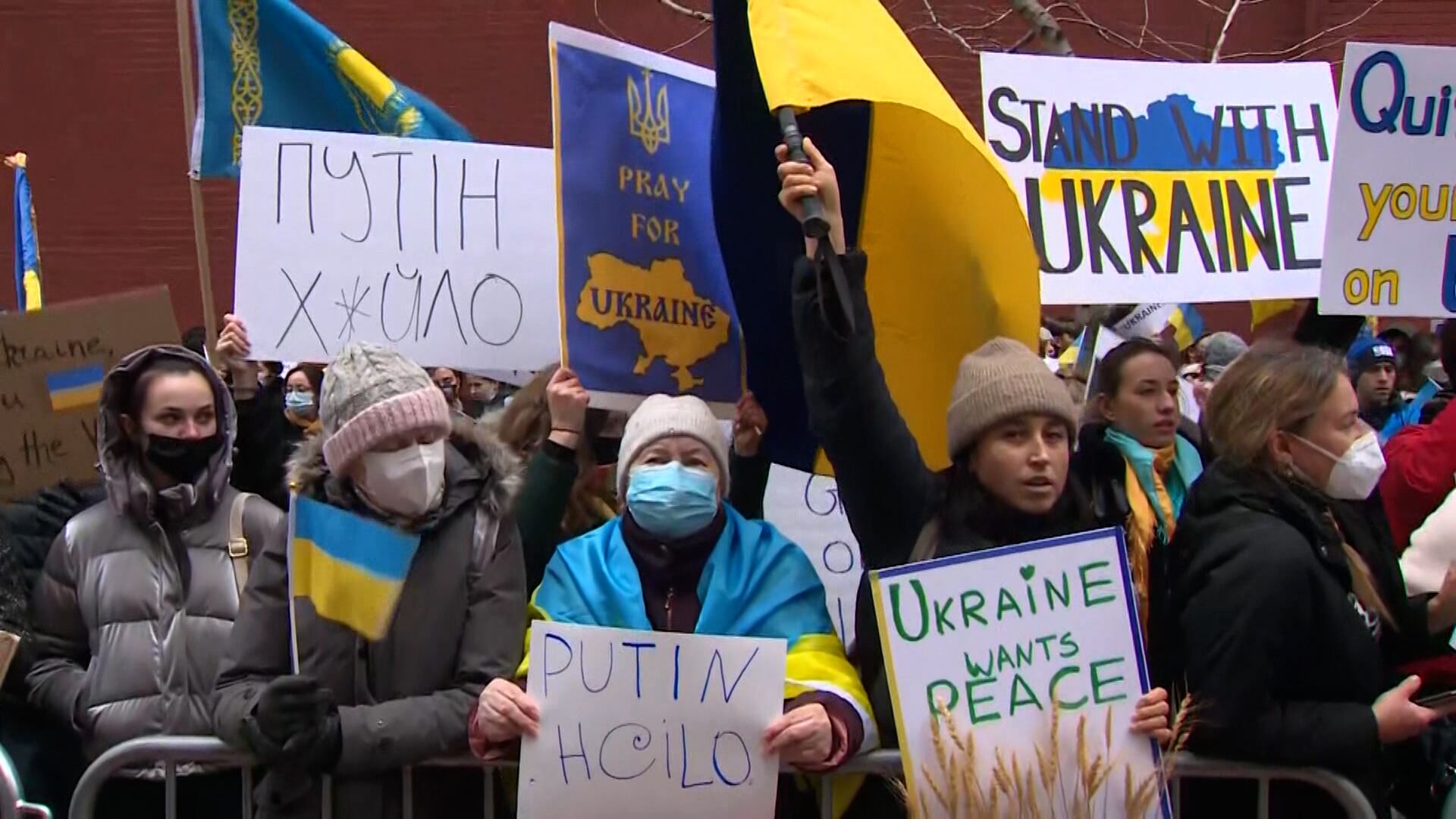
Thousands of protesters around the world are expressing their solidarity with Ukraine against Russia's invasion.
Jason Beardsley, national executive director of the Association of the U.S. Navy and national security expert, joins Cheddar News to discuss.
As gas prices surge amid the Russian invasion of Ukraine, other nations could potentially transition faster to using clean energy than previously expected. Philip K. Verleger, a senior fellow at the Niskanen Center, joined Cheddar News to explain how this could be a possibility in the near future. "Part of the reason I think we have this invasion and the tantrum that's being thrown by Russia, terrible tantrum, is because the Russians were trying to slow down the transition," he said. "Ironically they speeded it up."