What Theresa May's Tough Week Means for the Future of Brexit
*By Christian Smith*
British Prime Minister Theresa May's Brexit plan had a turbulent rollout this week, but the British Trade Commissioner for North America said the path to a successful exit from the European Union is still on track.
"So far, we are on course for the path that she set out just after the referendum almost two years ago," Antony Phillipson said Friday in an interview on Cheddar. "There's been a lot of drama, but the cabinet has reached agreement on the position the prime minister has taken."
After almost two years of negotiating, May released her 585-page Brexit proposal on Thursday. Almost immediately, two key members of her cabinet resigned over the deal and almost two dozen members of parliament in May's Conservative Party called for a vote of confidence ー which could lead to the prime minister's outster if the majority of Parliament votes that it has "no confidence" in its leader.
Removing May from office could have a detrimental effect on the Brexit negotiations, said Jackie Bischof, deputy news editor for Europe at Quartz.
"Losing a leader who has reached this point of the negotiations at this time would mean a huge loss of time, a big setback, and would create even more chaos than there is right now," Bischof told Cheddar.
At issue for many "Brexiteers" is the proposed plan's handling of the open border between Northern Ireland, which is a part of the United Kingdom, and Ireland, which is a member of the EU.
Hard-line Brexit supporters want Britain to regain control of its borders, including the border with Ireland.
May's proposal, however, would maintain that open border, which was established as part of the 1998 Good Friday Agreement that ushered peace into the region after years of violence.
Bischof noted that this is a deeply emotional issue for those in Ireland and Northern Ireland who remember the violence that plagued the region for decades.
"People have a living memory of there being a border, of it being very traumatic," Bischof said. "They want to avoid it."
Political infighting will likely continue as the 2019 deadline for a deal approaches, but Phillipson said he is confident in the prime minister's vision.
"The bottom line is that there was a referendum in June 2016 and the British people said they wanted to leave the EU, and the position of the prime minister and her cabinet and the government is to deliver that in a way that works for Britain in the future," he said.
For full interview [click here](https://cheddar.com/videos/theresa-may-in-hot-water-over-proposed-brexit-deal).
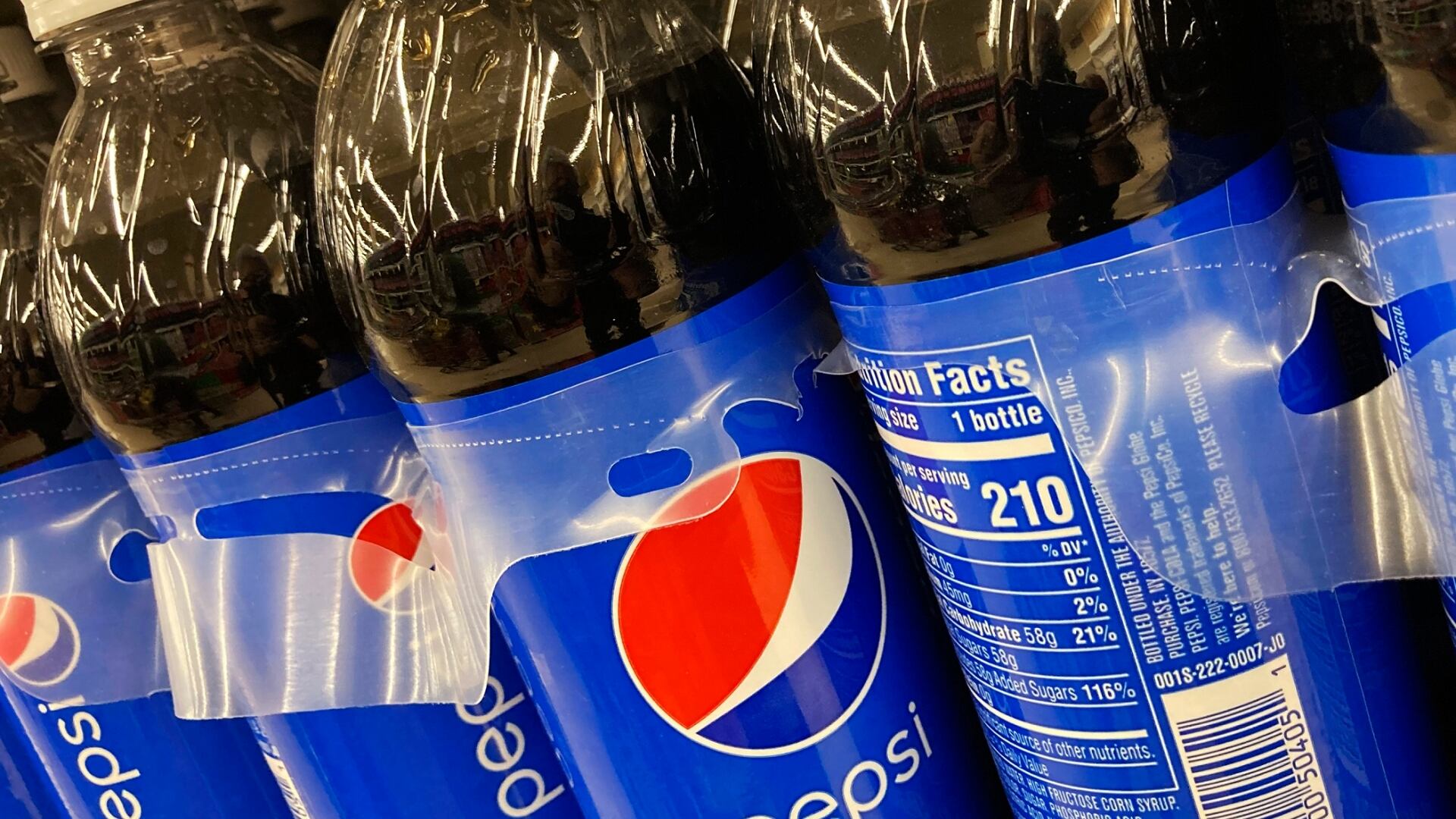
Following the invasion of Ukraine, a multitude of Western companies have paused doing business with Russia. PepsiCo, Coca-Cola, McDonald's, and Starbucks are the most recent companies to temporarily cease operations in Russia. Dean of Miami Herbert Business School at the University of Miami, John Quelch, joined Cheddar News to discuss what message this sends to Russia and the Russian consumer. “I would not underestimate the collective strength of all of these multinational companies, essentially coming together to make their collective statement in support of the political statements that have come out of Washington," he said.
The war in Ukraine continues to reveal heartbreaking gut-wrenching stories. The war in itself is not only devastating but also expensive. Experts estimate that Russia is draining nearly $20 million dollars each day to continue occupying and invading Ukraine. All this could force the country to turn to cryptocurrencies. It's a major turn for the country that briefly considered outlined digital assets entirely, but it could also have serious implications for cryptos. Managing Director at Quantum Fintech Group, Harry Yeh, joined Cheddar to discuss more.
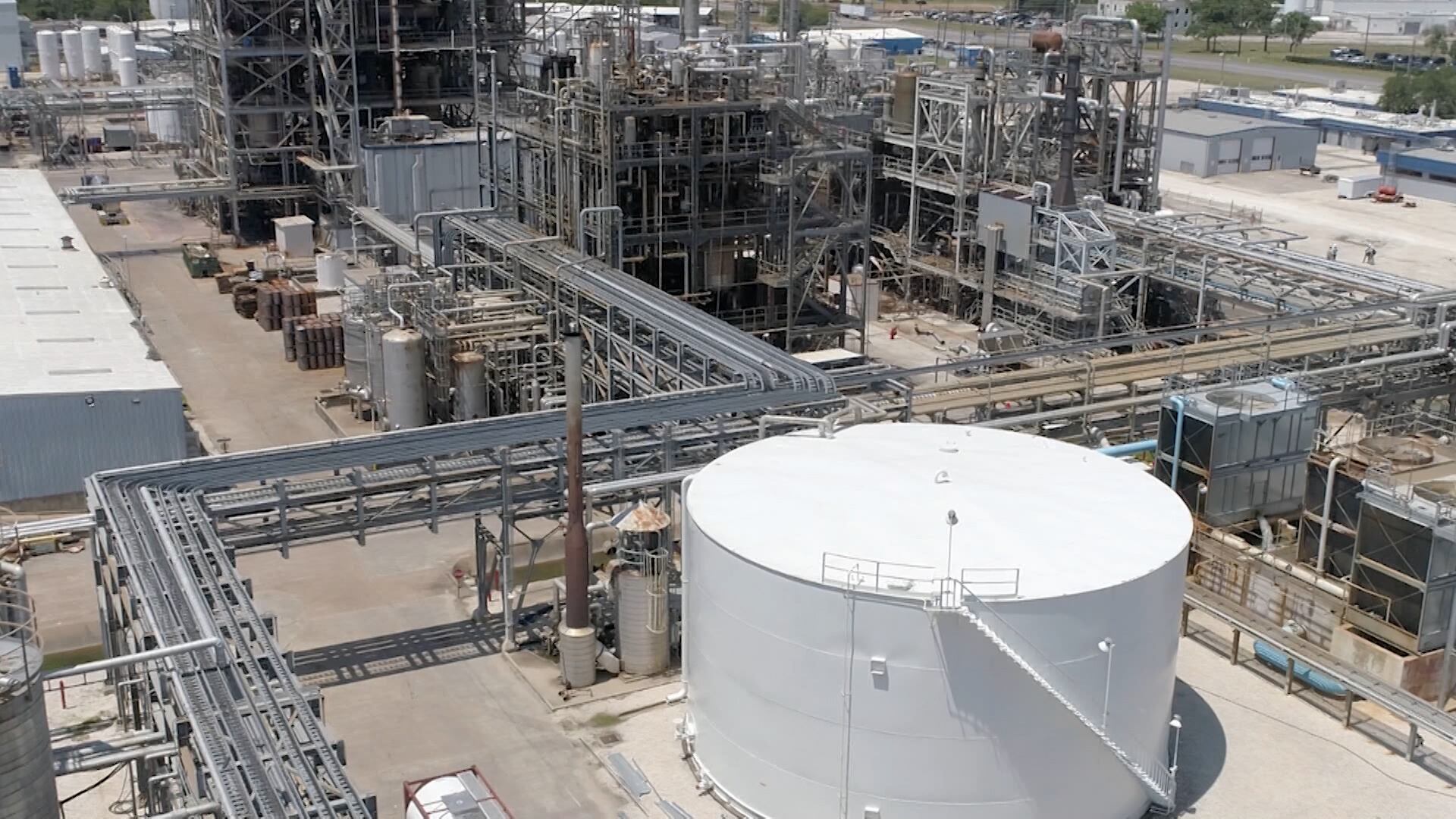
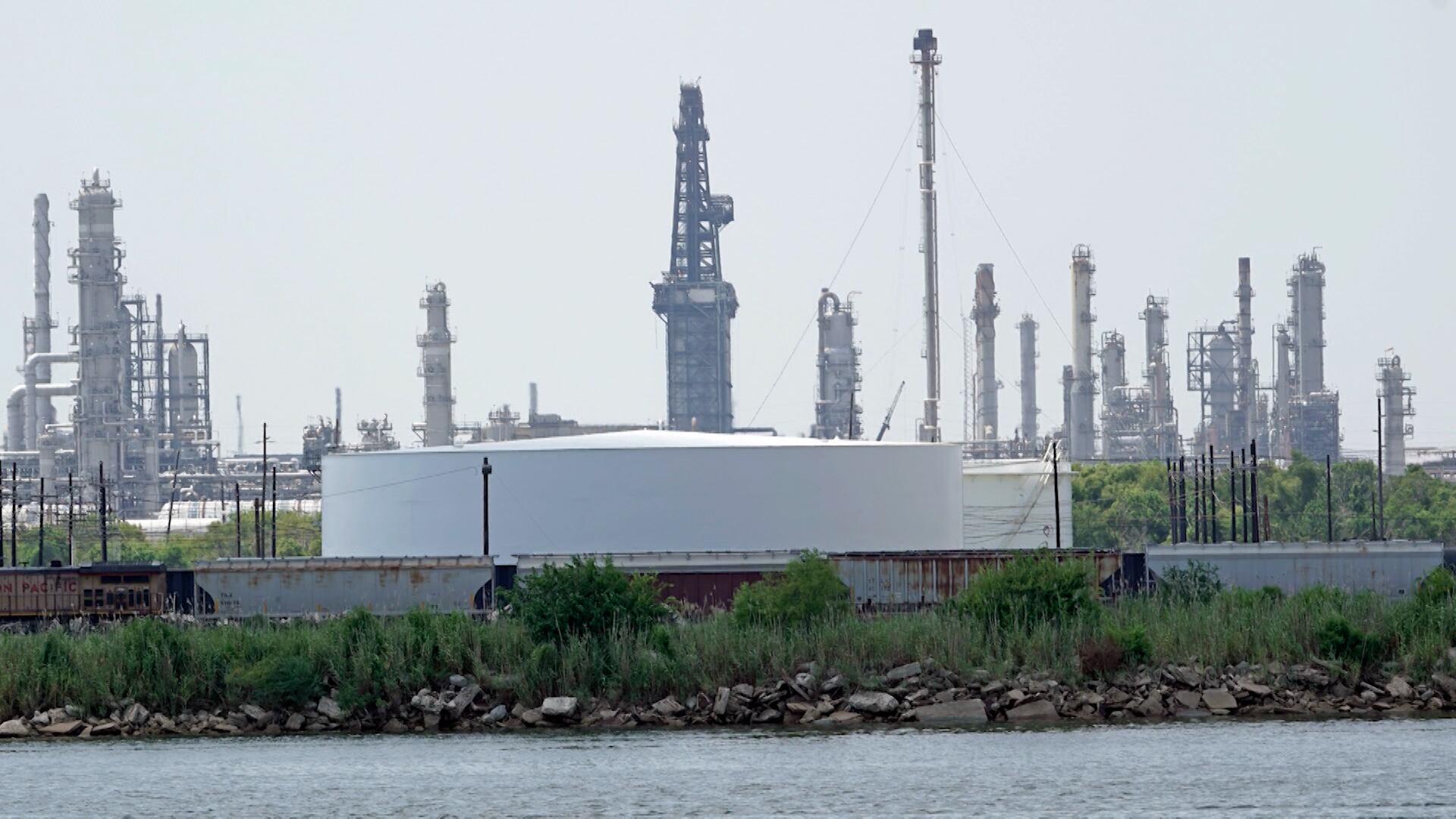
President Biden announced a ban on Russian oil and natural gas imports to the U.S. in response to its invasion of Ukraine, a move he warned could lead to an even greater surge in gas prices. The ban is prompting a conversation about the current oil production levels in the U.S. and whether or not the industry can ramp up production to soften the blow to American families at the gas pump. Clark Williams-Derry, Energy Finance Analyst with the Institute for Energy Economics and Financial Analysis, breaks down the state of the U.S. oil industry and how the ban might impact production levels here at home.
PepsiCo, Coca-Cola, McDonald’s, and Starbucks are the latest American food brands to have halted business operations in Russia after having faced scrutiny and criticism for originally failing to do so amid the country's invasion of Ukraine.
As Russia intensifies its war on Ukraine, President Biden announced a ban on oil imported from the aggressor nation. Critics of Russia have said this would be the best way to force Putin to pull back, but curbs on Russian oil exports are expected to send already skyrocketing oil and gas prices even higher, further impacting consumers, businesses, financial markets, and the global economy. Leslie Beyer, CEO of the Energy Workforce and Technology Council, joined Cheddar News' Closing Bell to discuss. "It's certainly going to increase pricing, but it is the right thing to do," she said. "The industry itself has already pulled out of the significant portion of its operations in Russia."
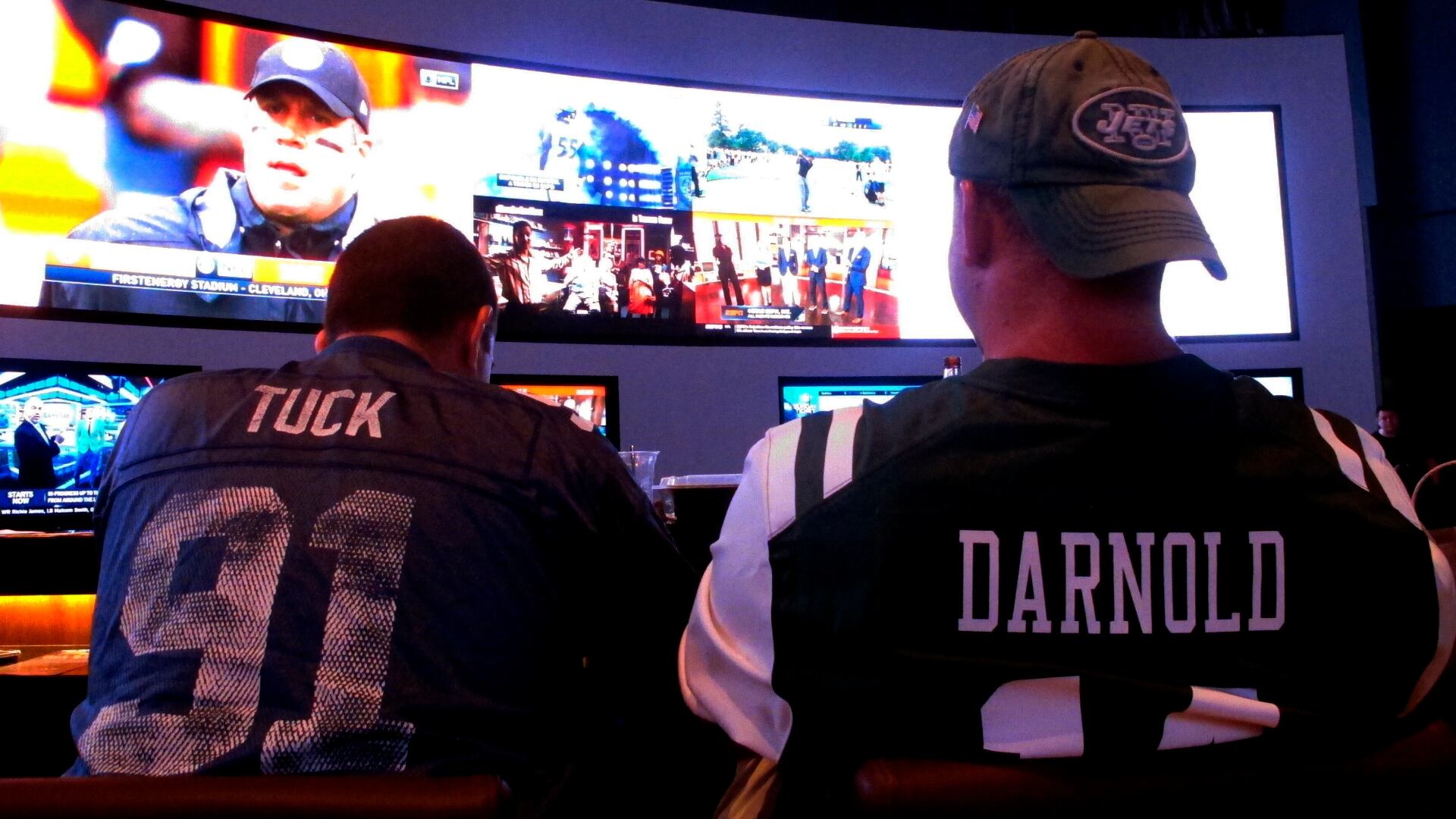
Sports Betting in the U.S. is booming. According to industry experts, we could see another boom this year as more states move towards statewide legalization of sports wagering. While this comes as huge news for fans, there are some very real concerns as to whether or not sports betting potentially poses a threat to public health. Senior Clinician at the Caron Treatment Centers, Eric Webber, joined Cheddar to discuss more.
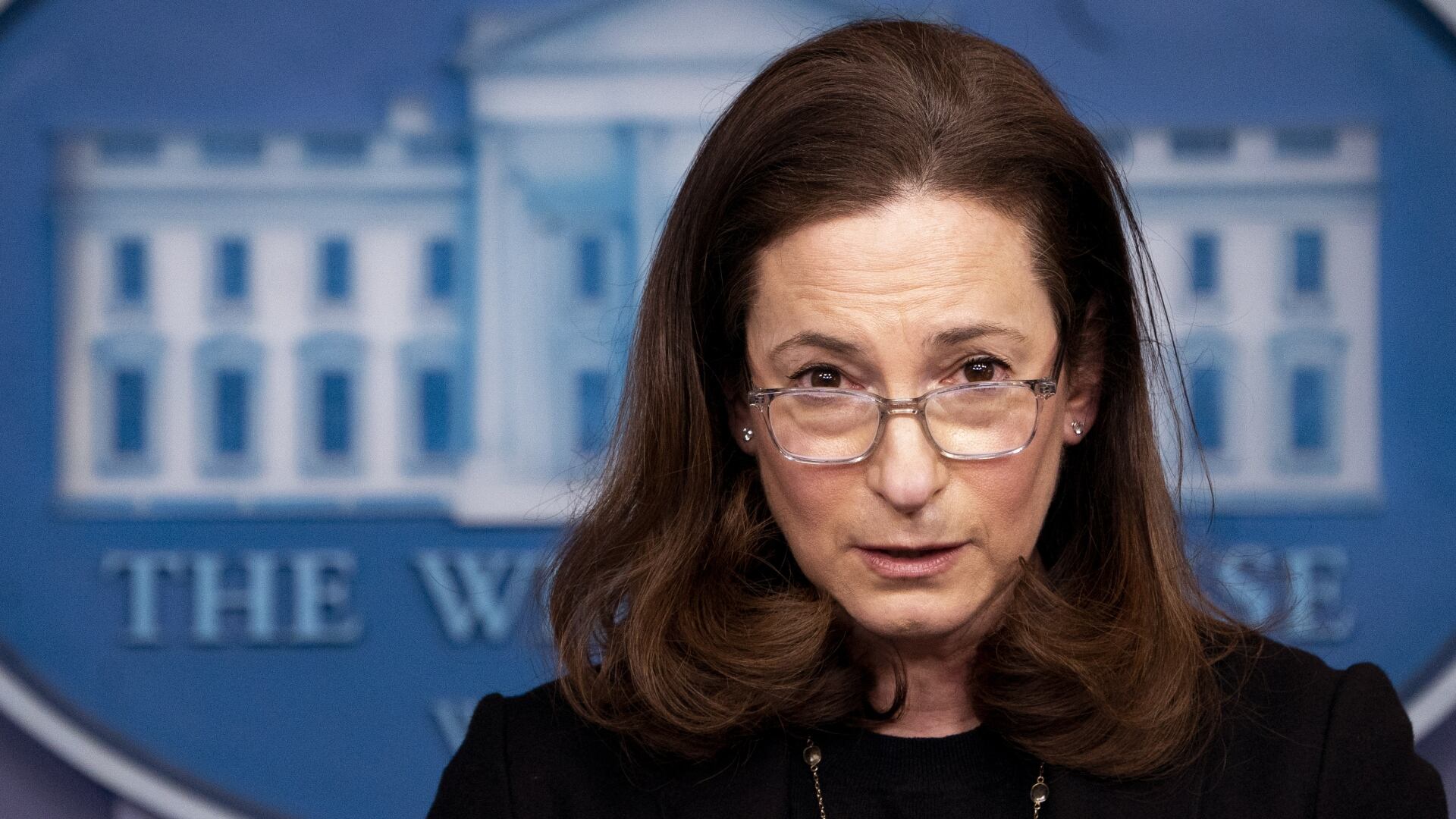
The Biden administration has made gender policy a core part of how it governs. The president established the first Gender Policy Council. It's on the same level as the National Security Council, Domestic Policy Council and National Economic Council, putting the interests of women and other underserved groups at the table for the most important policy discussions.
Cheddar News sat down with Jennifer Klein, executive director and co-chair of the White House Gender Policy Council, to discuss the council's work and its significance during Women's History Month.
State Representative Jessica González, Vice Chair of the Texas House LGBTQ Caucus, joins Cheddar News to discuss the latest Texas anti-transgender directive.
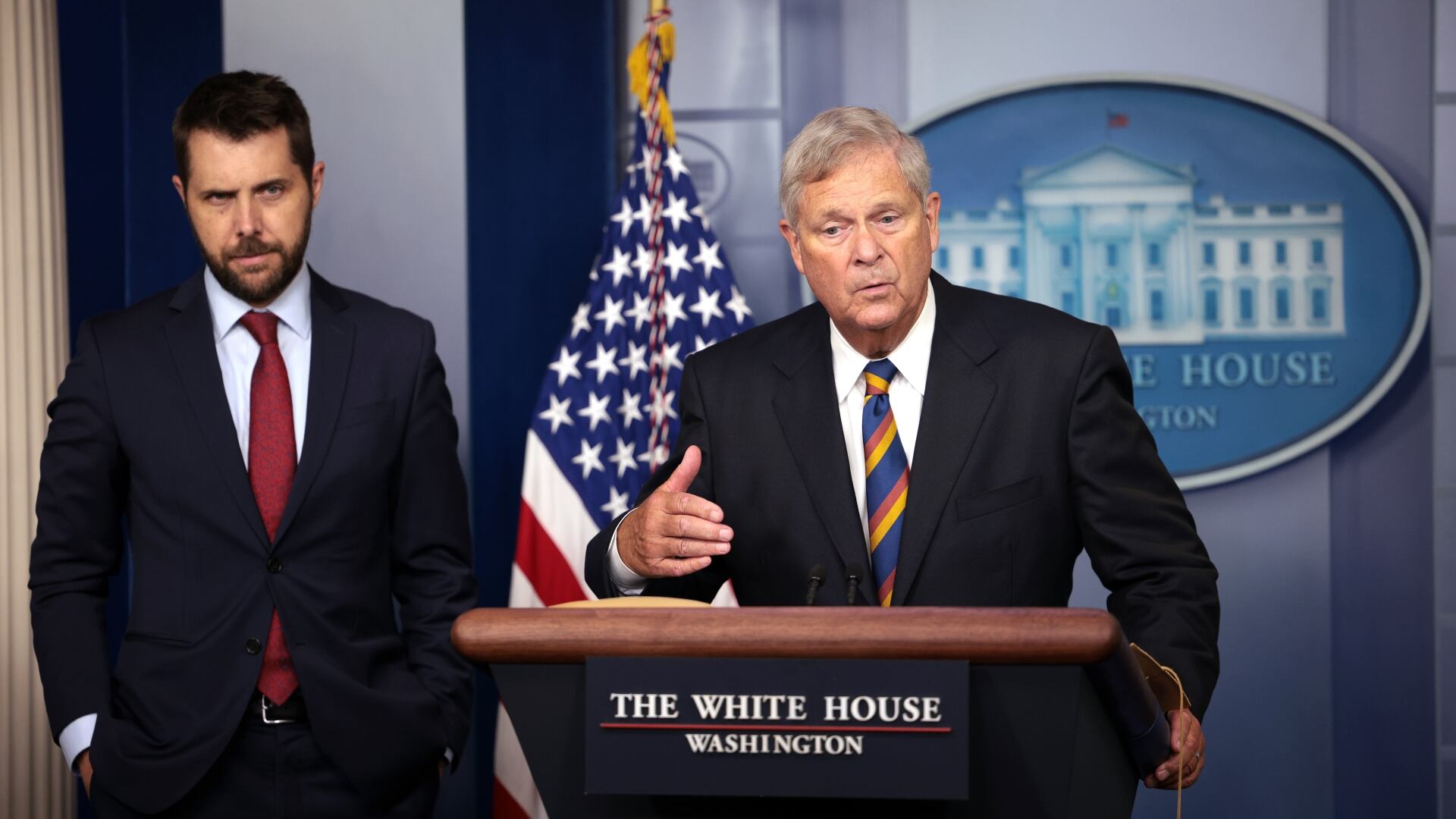
The United States Secretary of Agriculture, Tom Vilsack joins None of the Above to discuss the newly emerging conflict in Europe, what it means for agriculture in the states, dairy and meat consumption, and how the department is planning to promote climate-smart agriculture.