Axios recently published a National Security Council memo considering the possibility of a national 5G network. Since that report was published Sunday, the Trump administration responded saying it has no current plans to nationalize a 5G network, according to Recode. Axios Chief Technology Correspondent Ina Fried, and The Verge Reporter Chaim Gartenberg explain what a 5G network would look like.
Fried says this would be massive, and unprecedented. "Building a 5G network takes years, it takes lots of planning," said Fried. "The whole industry is moving towards 5G very slowly and methodically. So the idea of anyone just coming in and doing it, let alone the government would be a massively bid deal."
This could greatly impact business competition among telecommunication companies explains Gartenberg. "It would mean dramatically decreased competition in terms of cell phone bills," said Gartenberg. "We never really had anything like this."
On Monday FCC Chairman Ajit Pai tweeted in opposition of this deal. Axios reports all five FCC commissioners are united against 5G nationalization.
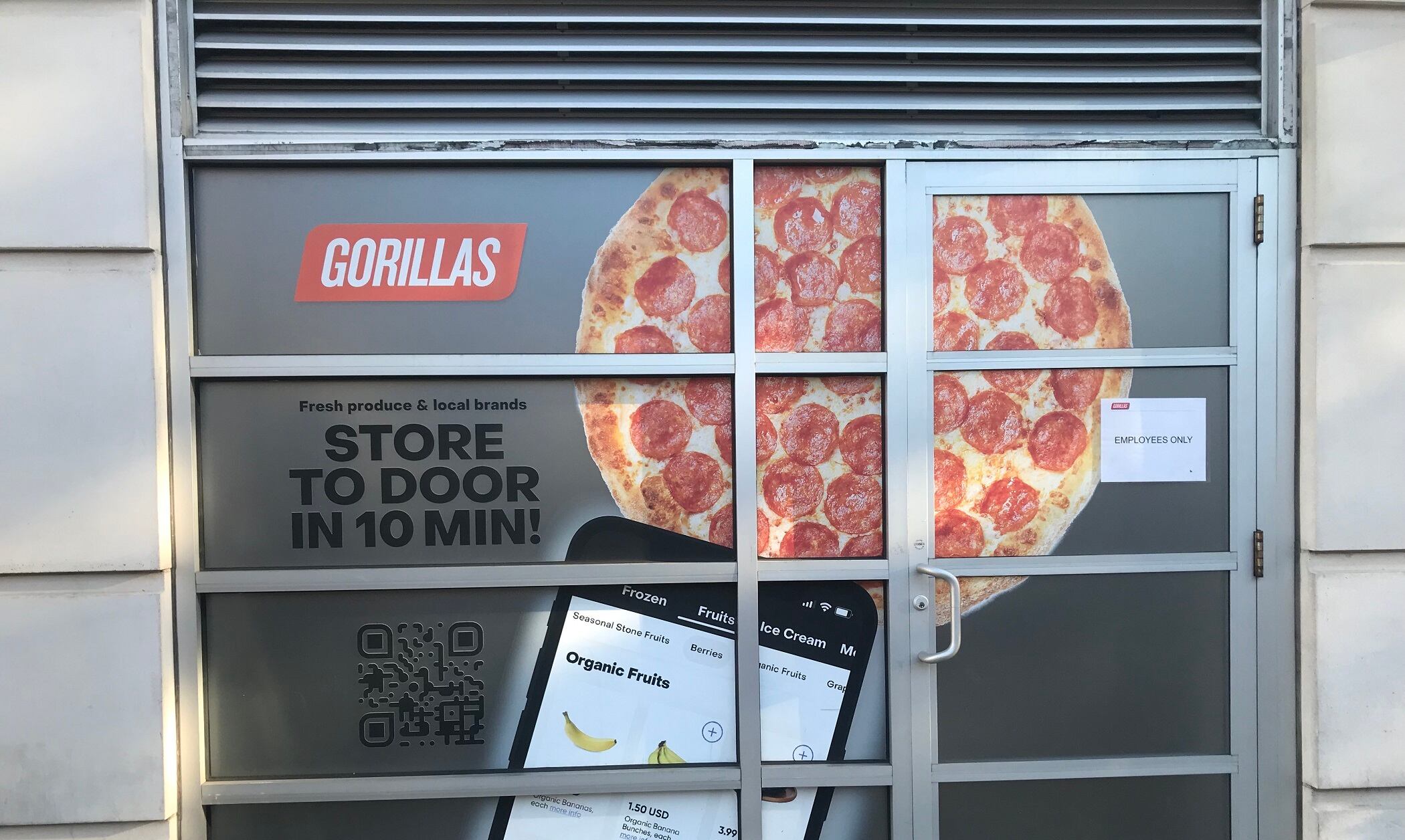
New York City has become a testing ground for super-fast grocery delivery services like Gorillas, offering instant gratification in the 10 to 15 minutes.
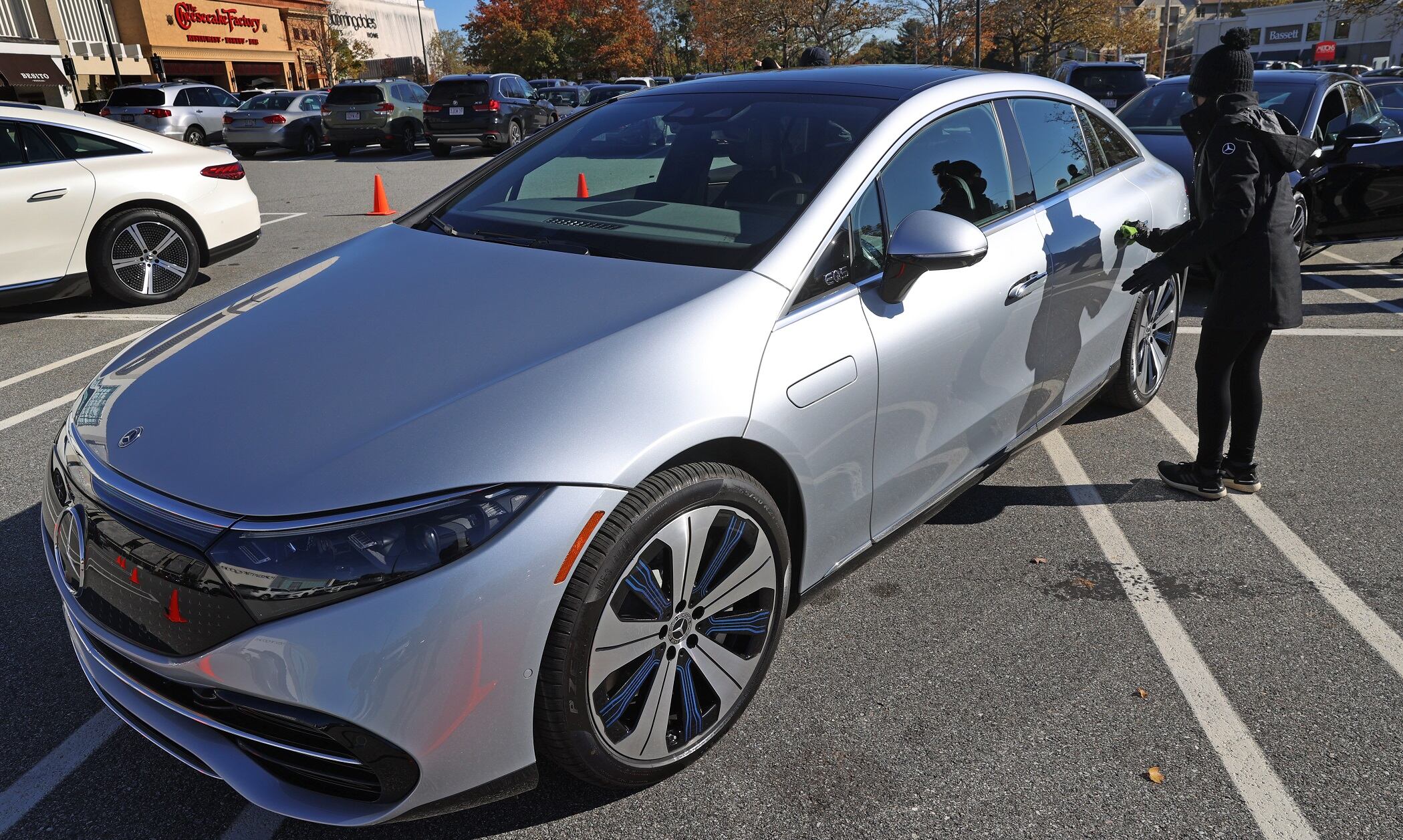
Mercedes-Benz is bringing its first all-electric luxury vehicle brand, EQS, to the United States. Cheddar's Chloe Aiello takes a spin and reports.
From Wall Street to Silicon Valley, these are the top stories that moved markets and had investors, business leaders, and entrepreneurs talking this week on Cheddar.
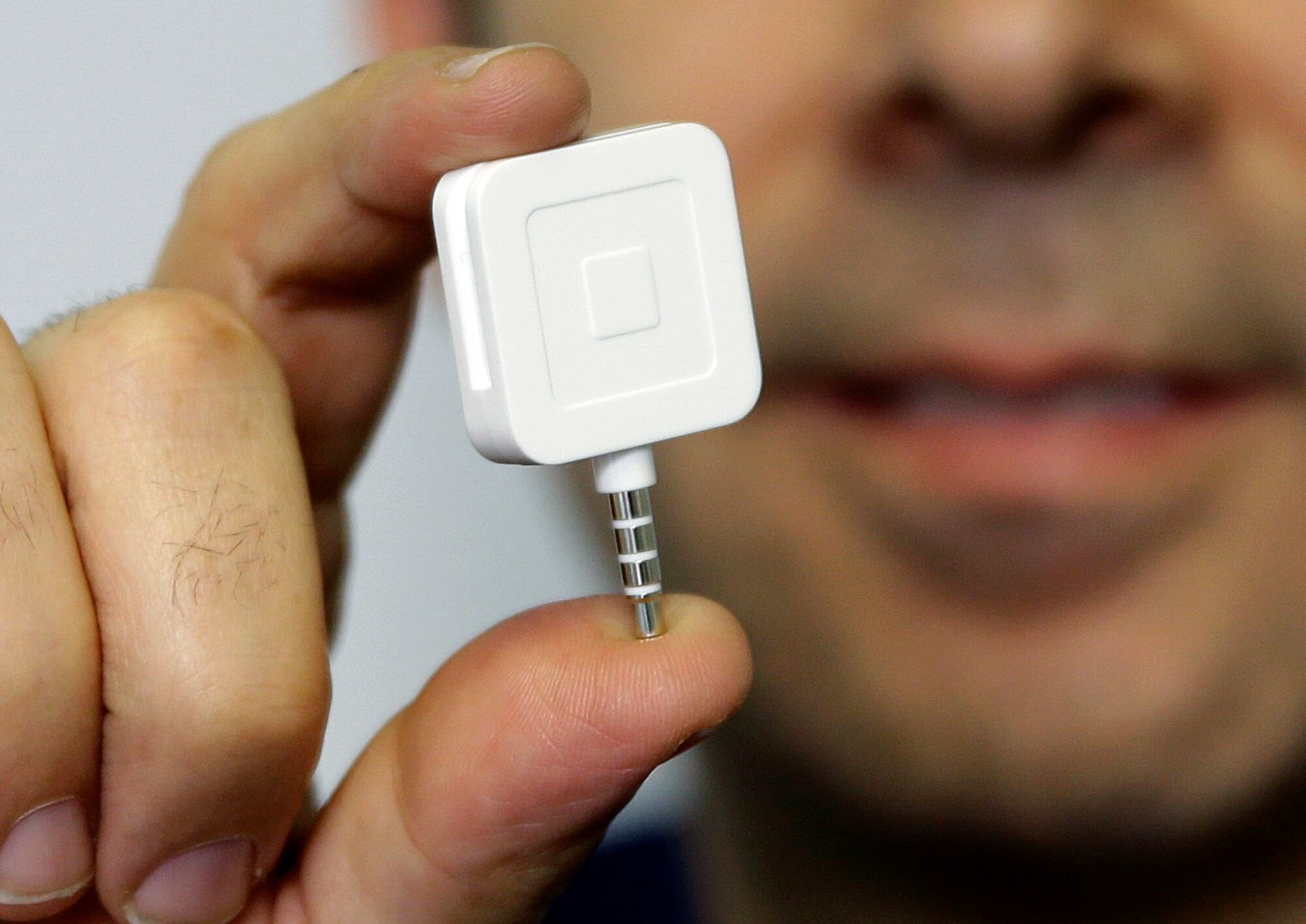
A month after Facebook changed its name to Meta, Square Inc. is changing its name to Block.
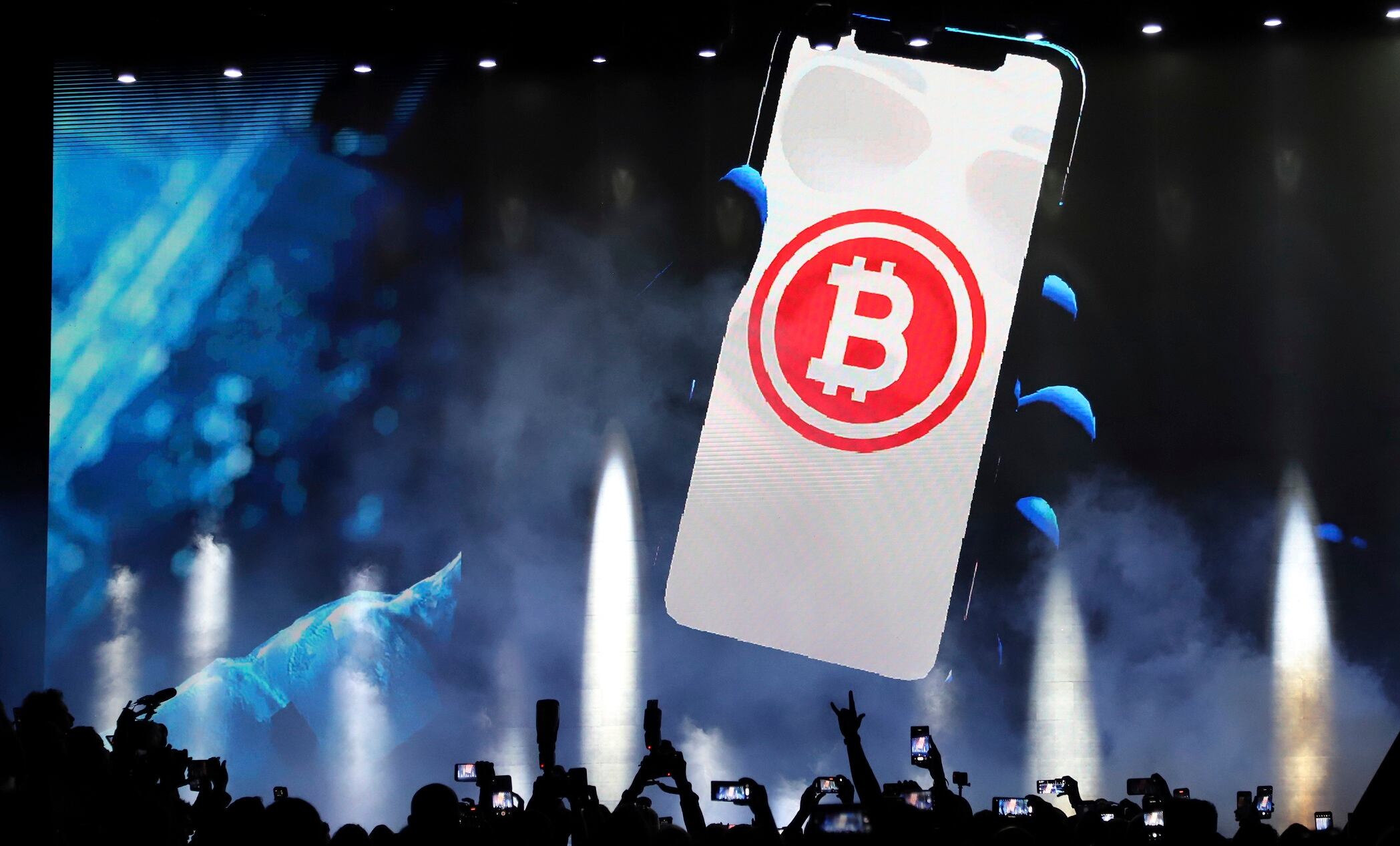
President Nayib Bukele announced last week that the Central American country plans to issue the world's first "Bitcoin bond" early next year.
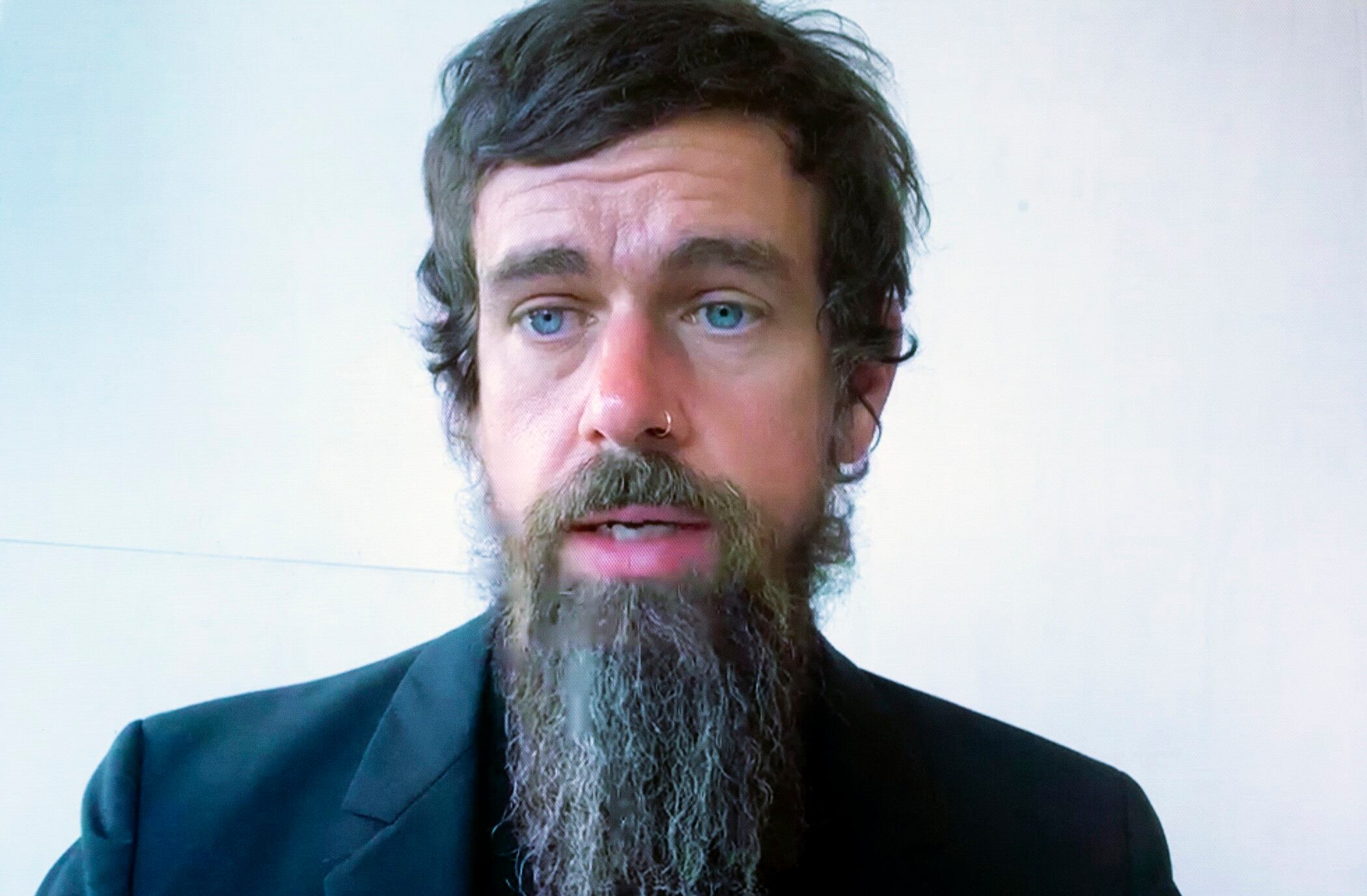
Twitter says co-founder Jack Dorsey will step down as CEO of the social media platform.
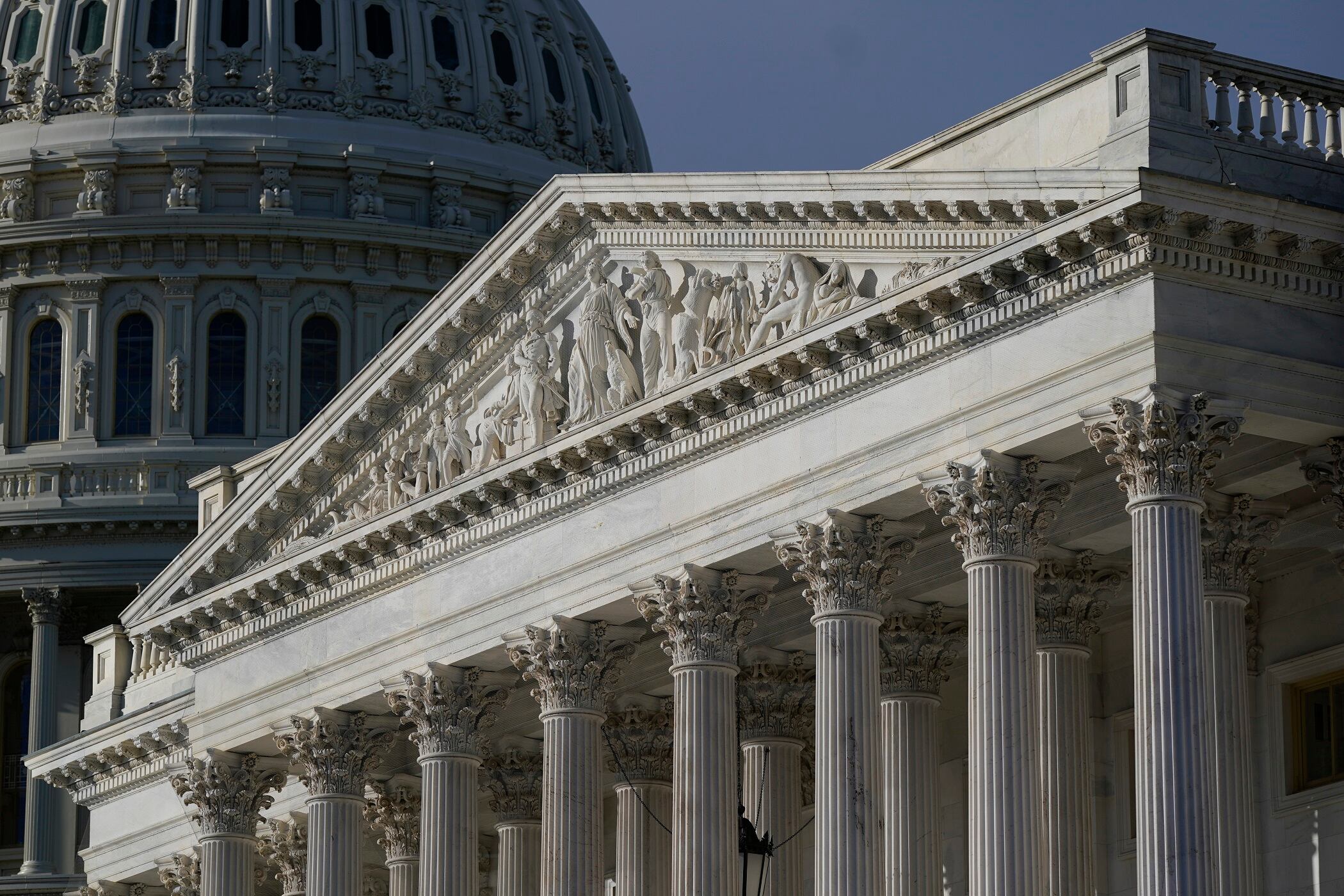
The Treasury Department pushed for the requirement to help close the tax gap in the crypto industry by forcing better IRS reporting, but legislators on both sides of the aisle argue that the language is too broad and could curb innovation in the space.
Samsung said it plans to build a $17 billion semiconductor factory in Texas amid a global shortage of chips used in phones, laptops, cars and other electronic devices.
Businesses are turning increasingly to virtual items as gift options this holiday season, especially as shipping delays and shortages make some physical items less available.
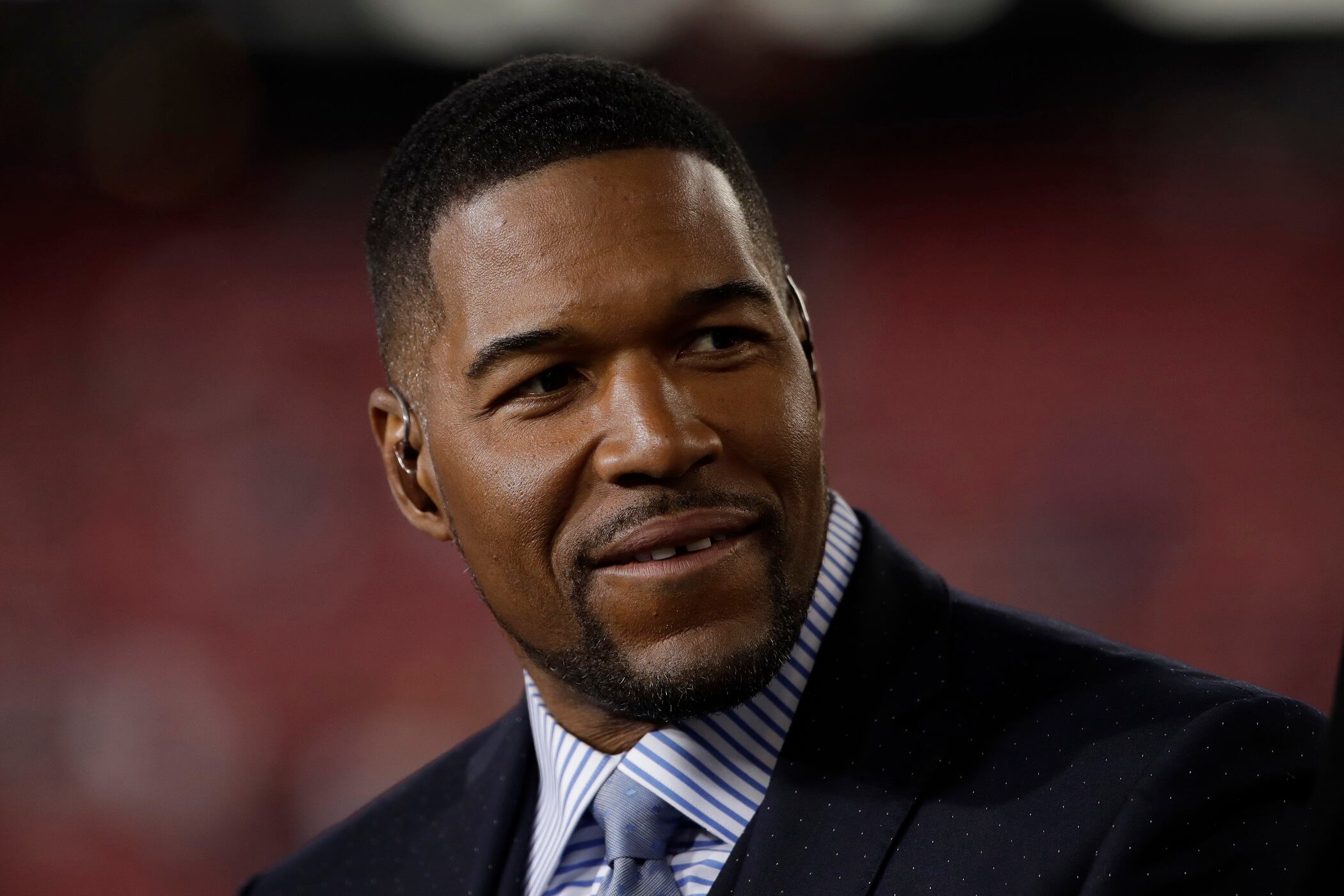
Good Morning America co-host Michael Strahan will be among the crew on Blue Origin’s next flight to space.