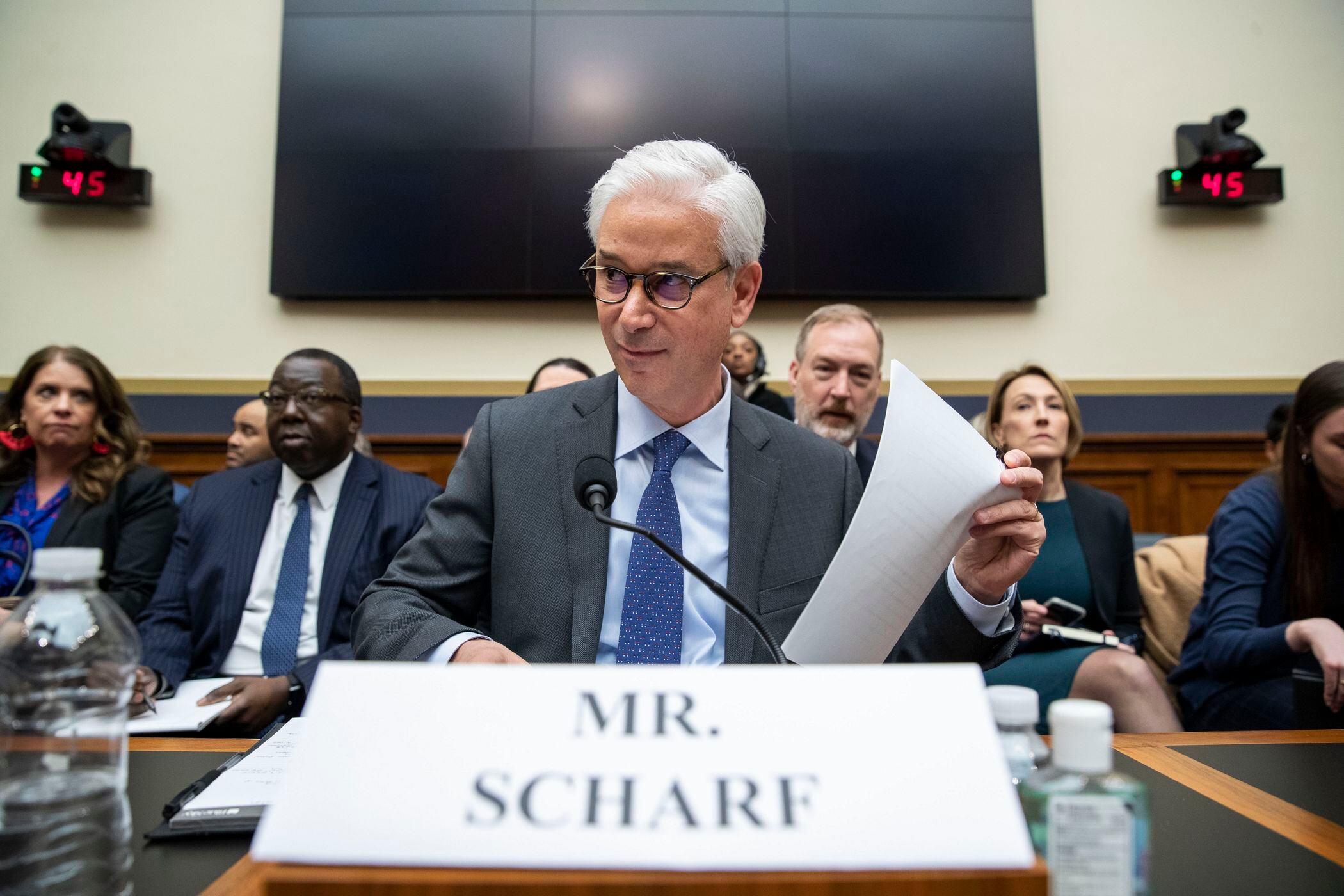
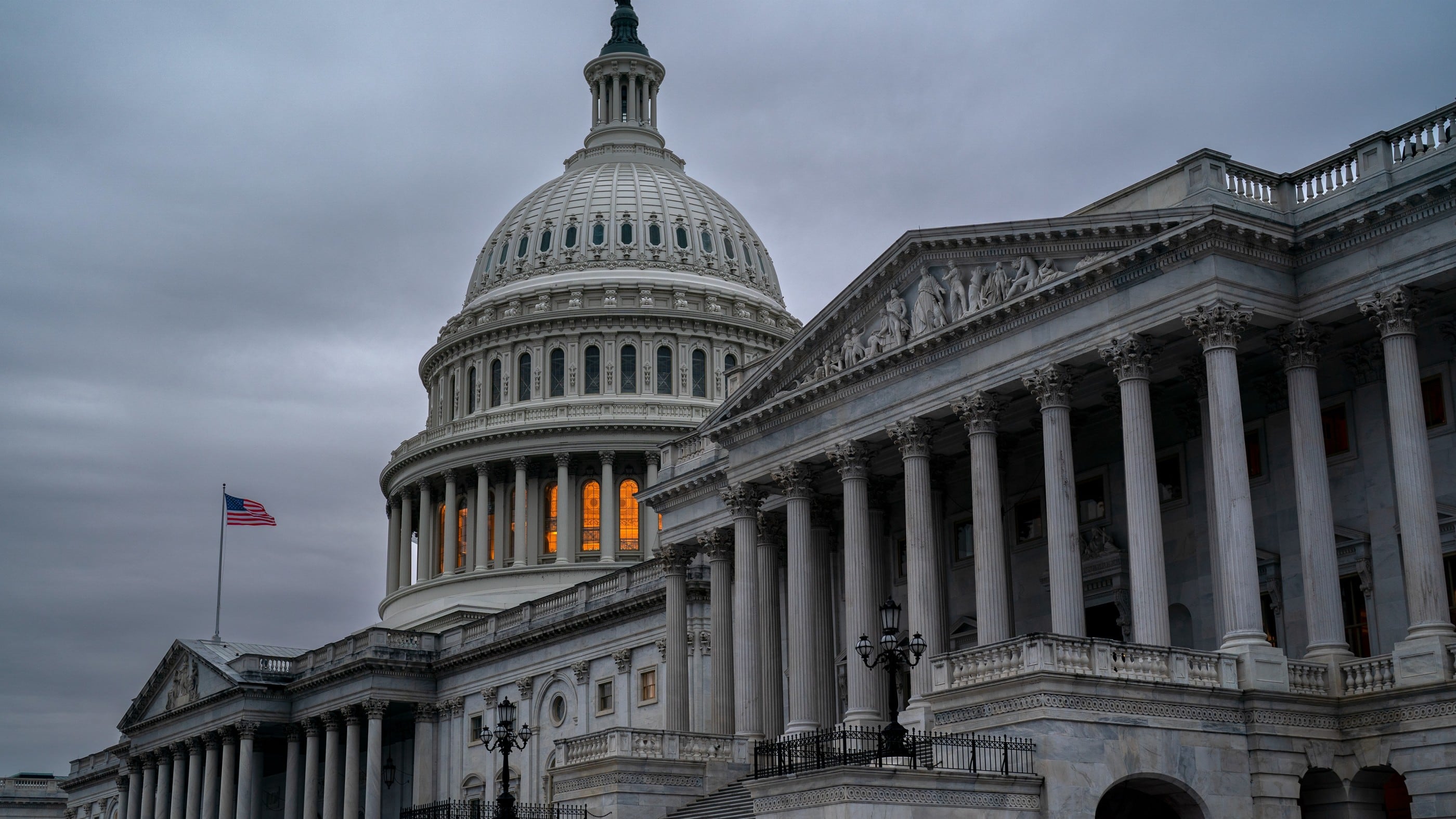
In this March 10, 2020 file photo, Wells Fargo CEO and President Charles Scharf is seated before he testifies during a hearing of the House Financial Services Committee, on Capitol Hill, in Washington. Scharf apologized Wednesday, Sept. 23 for comments he made that dismissed concerns that the banking industry, which has a long history of racist behavior, wasn’t doing enough to promote and retain diverse talent. (AP Photo/Alex Brandon, File)
By Ken Sweet
Wells Fargo CEO Charles Scharf apologized Wednesday for comments he made about the difficulty of finding qualified Black executives.
Scharf said that "there is a very limited pool of black talent to recruit from" in corporate America. The memo to employees was written in June but became public this week.
The comments and similar statements made in a Zoom meeting, reported by Reuters, led to an intense backlash in Washington and on social media.
"Perhaps it is the CEO of Wells Fargo who lacks the talent to recruit Black workers," said Rep. Alexandra Ocasio-Cortez of New York, on Twitter.
Scharf on Wednesday said in a prepared statement that his comments reflected "my own unconscious bias."
"There is no question Wells Fargo has to make meaningful progress to increase diverse representation," he wrote. Wells has pledged to increase the hiring of minority candidates, particularly through Black colleges and universities, as well as new anti-racism training programs at the bank.
American banking is dominated by leadership that is largely white and male. None of the six big Wall Street banks have ever had a Black or female CEO. Citigroup a few weeks ago announced it would promote a woman to CEO next year, the first on Wall Street to do so.
The last prominent African American to serve as CEO at a large financial services company was Kenneth Chenault, the former CEO of American Express. He retired in 2018. In an interview with The Associated Press at the time, Chenault called the lack of a pipeline to recruit and retain diverse talent "embarrassing" to the financial services industry.
Stanley O'Neal, the former CEO Merrill Lynch while it was still an independent company, is also Black. He resigned in 2007 during the firm's collapse.
U.S. highway safety regulators have opened yet another investigation into problems with Teslas, this time tied to complaints that the seat belts may not hold people in a crash.
Kia McCallister-Young, director of America Saves, joined Cheddar News to explain key differences to consider when making a choice between a credit union and a bank. "You want to do your research and know exactly how to gain membership to a credit union," she said, "but, again, banks often are able to be more accessible and be in neighborhoods."
Cheddar News breaks down what to look for on The Day Ahead. The House will hold a hearing on the federal response to the recent banking issues while Starbucks CEO will testify on Capitol Hill about union-busting claims. Disney Parks workers are set to vote on a new contract proposal.
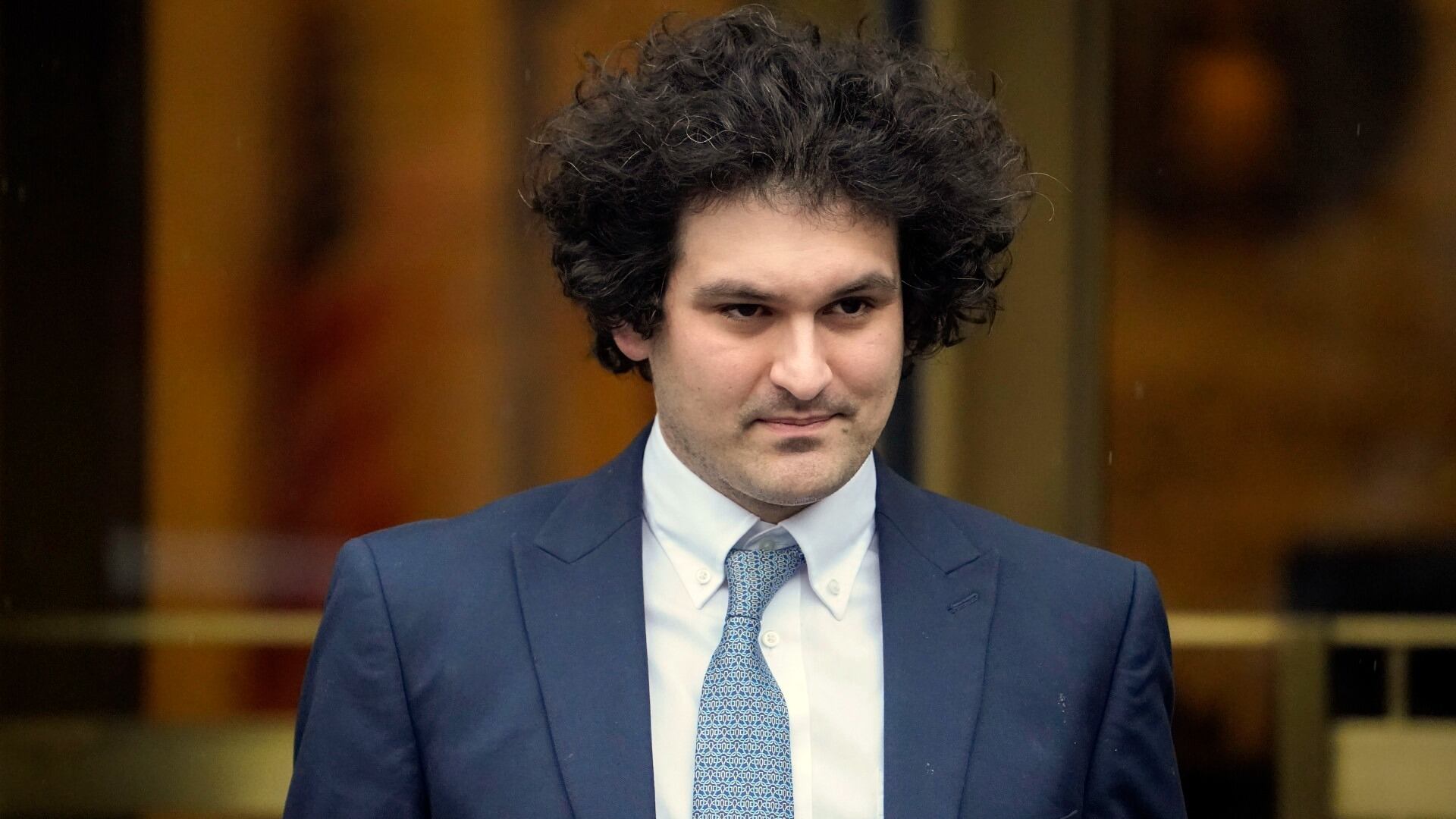
A new indictment charges FTX founder Sam Bankman-Fried with directing $40 million in bribes to one or more Chinese officials to unfreeze assets relating to his cryptocurrency business.
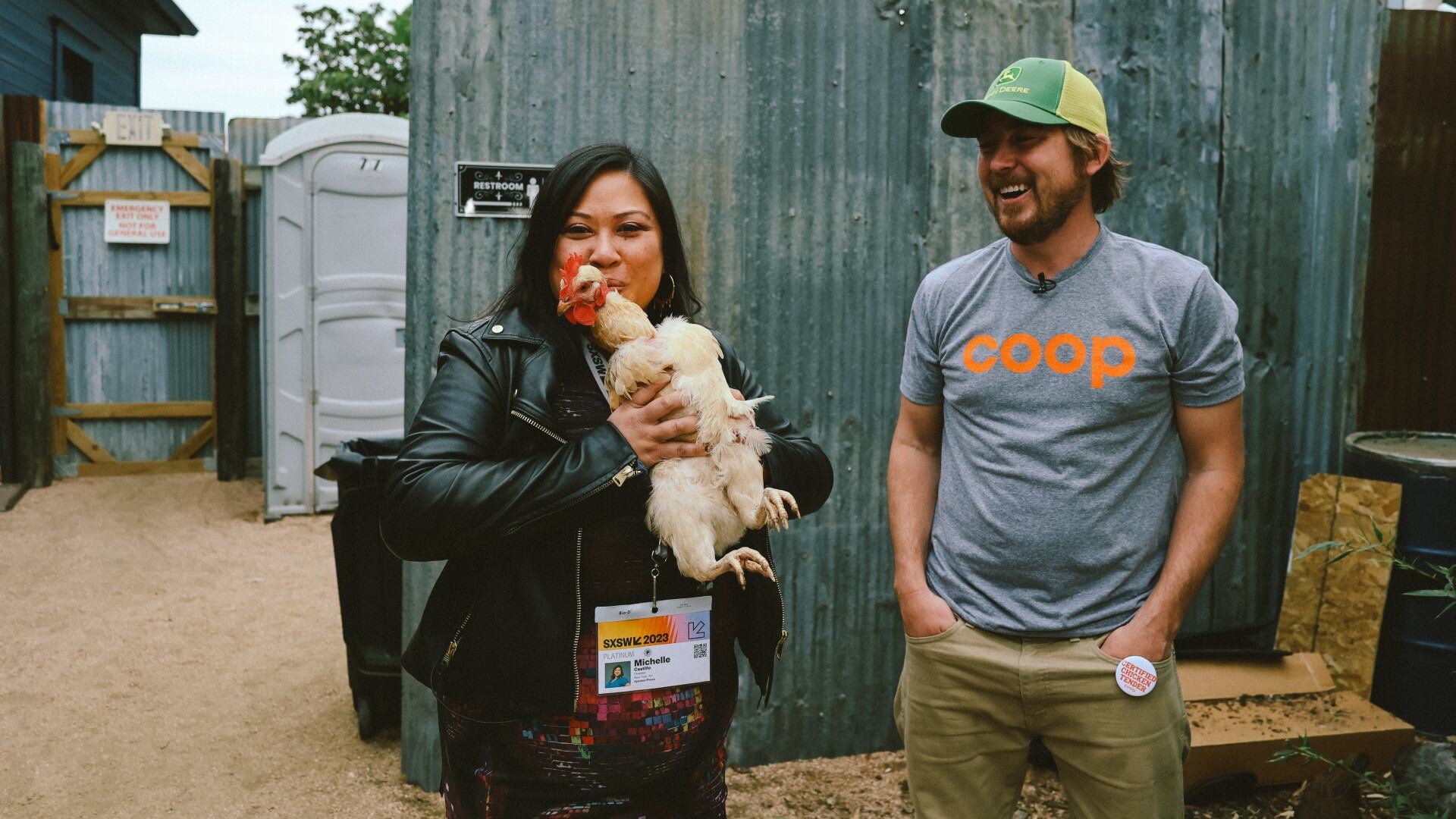
Producing your own food doesn't mean you have to own your own farm, and it might be as simple as raising some backyard chickens. Agri-tech startup Coop aims to make this easier for non-farmers with a so-called "smart" chicken coop. Cheddar News Senior Reporter Michelle Castillo found a flock to learn more.
Capitol hill is trying to get to the bottom of the bank collapses that shocked the financial system last month, and today lawmakers grilled banking regulators about why they weren't able to stop the crisis. Cheddar News correspondent Lisa Bennatan broke down the proceedings.