*By Alisha Haridasani*
New evidence suggests that Google's all-to-real sounding voice assistant may not be as life-like as it first seemed, raising questions about the status of the company's A.I. capabilities.
A [demo](https://www.youtube.com/watch?v=bd1mEm2Fy08) last month of the A.I.-powered Duplex voice assistant showed it interacting with humans to make a restaurant reservation and a haircut appointment. But some people are saying it was faked.
Axios’s Dan Primack [pointed out](https://www.axios.com/google-ai-demo-questions-9a57afad-9854-41da-b6e2-5e55b619283e.html) that the people picking up the calls in the two demos don't identify themselves, as is the norm when small businesses receive phone calls. There was also no ambient noise in the phone calls, and neither the hair salon or the restaurant asked for the caller’s phone number for the booking.
“The whole conceit of Google Duplex is that a robot would have a conversation with a human on the other end, potentially without a human having to jump in,” said Dana Wollman, executive editor at Engadget. “So people do want to feel that this interaction was real and authentic.”
The more likely scenario is that Google may have edited the recording, protecting the businesses or the privacy of the people who answered the call, said Wollman.
“I think it is still possible that it was based on a real exchange,” she said. “If I was in Google’s PR department I would probably want to be able to show a real working demo.”
Google hasn't directly responded on the record to journalists asking about the authenticity of the recordings.
For the full interview, [click here](https://cheddar.com/videos/googles-duplex-dupe).
The war in Ukraine continues to reveal heartbreaking gut-wrenching stories. The war in itself is not only devastating but also expensive. Experts estimate that Russia is draining nearly $20 million dollars each day to continue occupying and invading Ukraine. All this could force the country to turn to cryptocurrencies. It's a major turn for the country that briefly considered outlined digital assets entirely, but it could also have serious implications for cryptos. Managing Director at Quantum Fintech Group, Harry Yeh, joined Cheddar to discuss more.
As Russia intensifies its war on Ukraine, President Biden announced a ban on oil imported from the aggressor nation. Critics of Russia have said this would be the best way to force Putin to pull back, but curbs on Russian oil exports are expected to send already skyrocketing oil and gas prices even higher, further impacting consumers, businesses, financial markets, and the global economy. Leslie Beyer, CEO of the Energy Workforce and Technology Council, joined Cheddar News' Closing Bell to discuss. "It's certainly going to increase pricing, but it is the right thing to do," she said. "The industry itself has already pulled out of the significant portion of its operations in Russia."
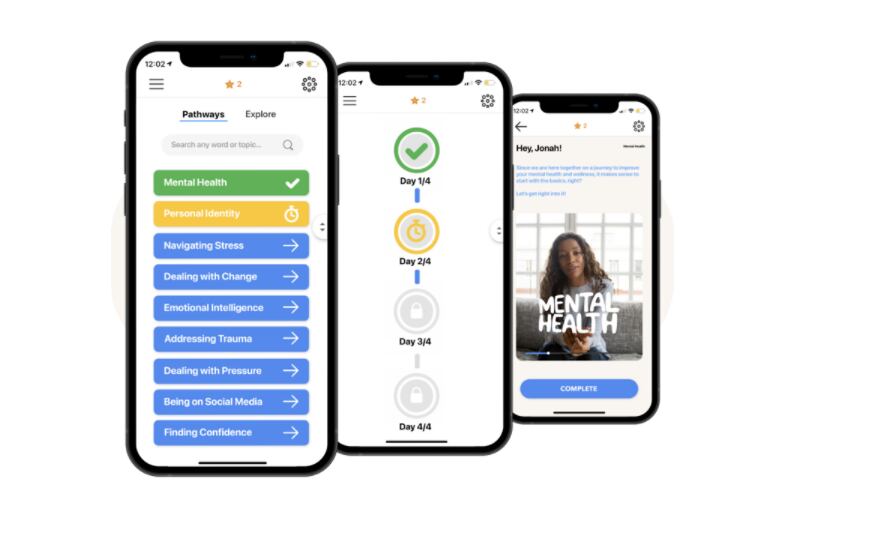
Two friends have joined forces to come up with an app dedicated to making mental health more approachable and to provide users with the tools needed to improve their mental health and overall well-being. Co-Founders of the Dial App Jonah Salita and Marcel Johnson, joined Cheddar to discuss more.
On this International Women’s Day, Deb Cupp, president of Microsoft U.S., joined Cheddar News to talk about the implementation of her pillars to extend the company's culture, such as acting with care and putting the team first. "What I like about the pillars is they're very simple, so it's easy for us to think about how they show up every day in our lives," Cupp said.