*By Carlo Versano*
Walmart, the world's largest retailer, reported its strongest growth in a decade in its second-quarter earnings released before the bell Thursday.
"Every part of the set of numbers were incredible," said Sucharita Kodali, a retail analyst at Forrester.
Revenue for the quarter was $128 billion ー about $2 billion more than expected ー and adjusted earnings per share were $1.29 compared with an expected $1.22.
Walmart said same-store sales were up 4.5 percent for the second quarter, helped by strong grocery and apparel segments. The e-commerce slice of Walmart's business was up 40 percent compared with the same quarter last year.
The retail giant acquired Jet.com two years ago in a bid to attract more affluent, urban shoppers, and bolster Walmart's e-commerce strategy. It appears to be working, Kodali said, but Amazon maintains an online advantage. "It's still a work in progress," she said Thursday in an interview with Cheddar.
Walmart seems to be riding strong consumer spending, low unemployment, and wage growth to better-than-expected earnings. Shares of Walmart stock rose about 10 percent Thursday morning after the company's earnings report.
But Kodali said the retail sector may face headwinds from tariffs, higher input costs for raw materials, and rising gas prices. "All of these things are going to adversely affect Walmart," she said.
Walmart is the third major retailer to beat earnings expectations this week, after Home Depot and Macy's.
April's release of the monthly Housing Starts and Building Permits reports by the Census Bureau provides crucial insights into the construction activity in the housing market. These reports are an economic indicator, shedding light on the current state of the housing market and its broader economic impact.
Caitlin Clark is heading to the Indiana Fever, the number one draft pick and the highest-scoring college basketball player of all time. And while she may not be getting millions from the WNBA, there's a few ways she'll net compensation for her generational talents.
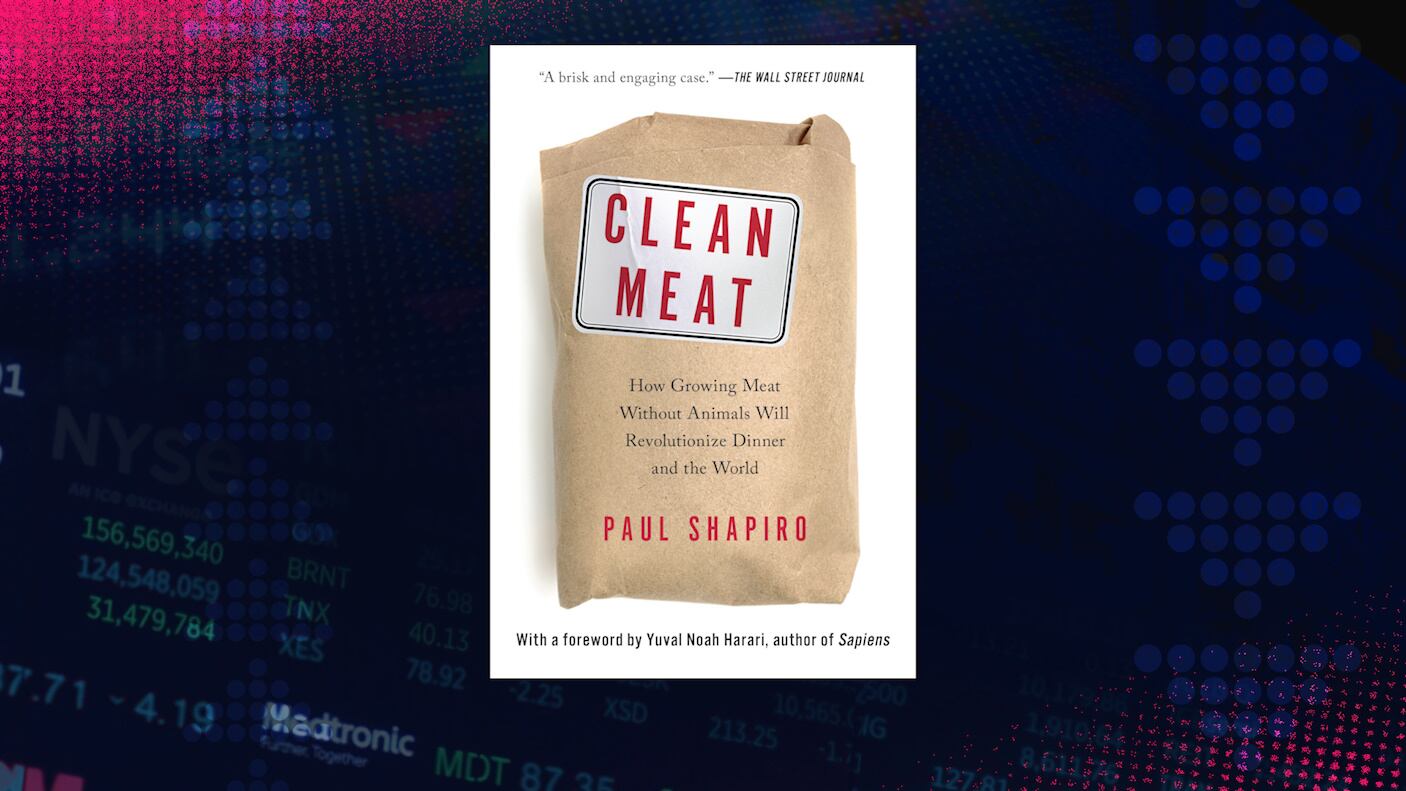
Author of 'Clean Meat,' Paul Shapiro joins Cheddar to discuss how the cellular agricultural revolution helps lower rates of foodborne illness and greatly improves environmental sustainability. Plus, how his company The Better Meat Co. is bringing healthier food options to the table.
Recent headlines might make it sound like World War III is imminent, but when it comes to your finances, it's not the time to panic. The market is coming off its longest winning streak since 2011.
You may have noticed fewer new venture capital-backed startups (like Airbnb or Uber) lately. The market slowed to a crawl after 2021, but things are expected to take off again in 2025.
Corporate earnings season is underway, that time when companies share their billions in sales or double-digit profits. But the data shows even companies are struggling with high inflation and interest rates.
Boeing continues their terrifying trend of having their planes fall apart mid-flight, inflation — checks notes — is still up and the future of AI looks terrifying. Cheery!
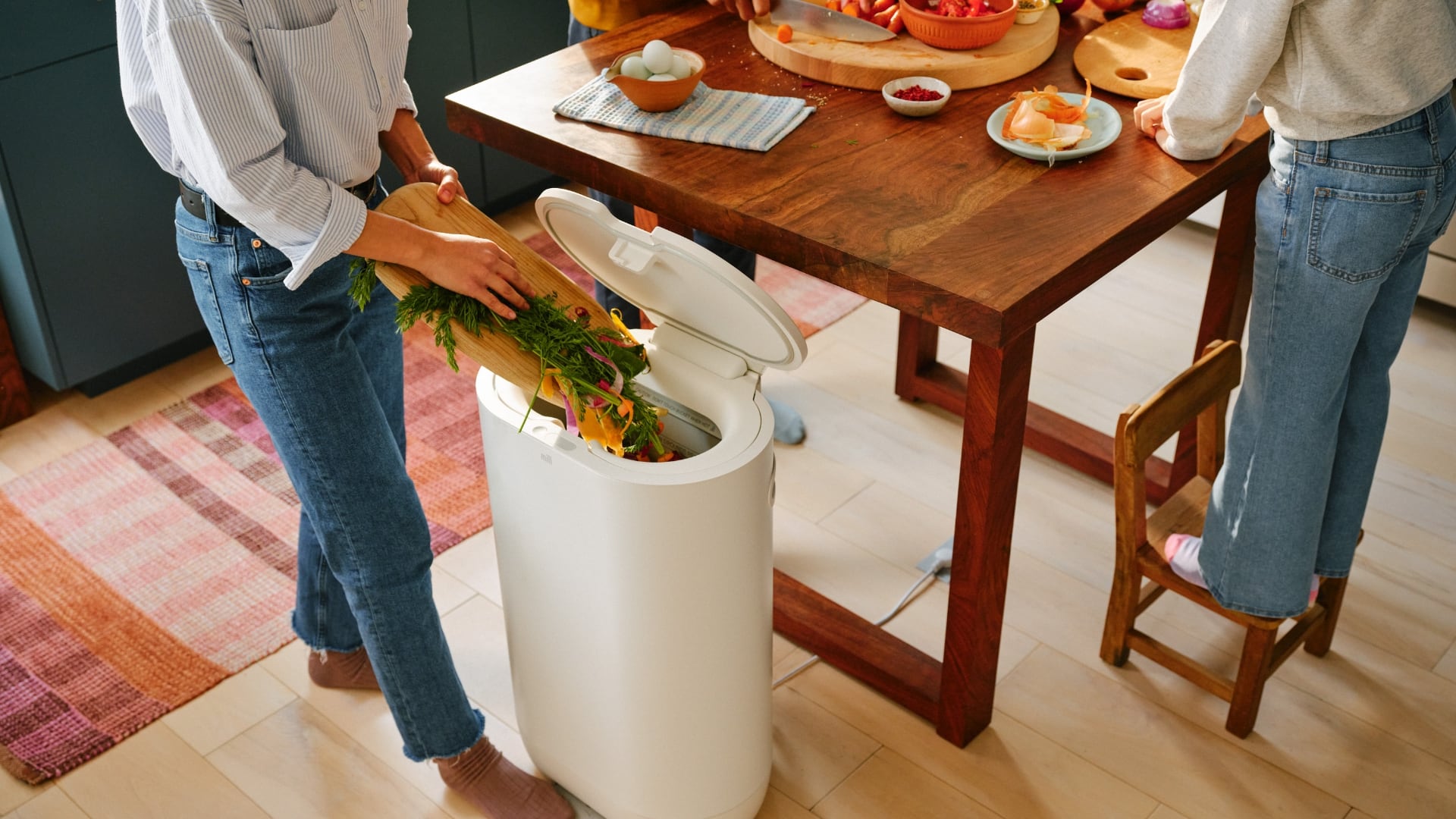
Food waste – uneaten scraps or leftovers sent to landfills – is responsible for 10% of global emissions. Mill, a new product from the co-founder of Nest, thinks technology can play a role in eliminating it.
By the time the 2024 election is over, be prepared to see some form of a recession – but this shouldn’t be as bad as what we experienced in 2020 or 2008.