Wall Street was split on Monday, as continued gains for technology and health care stocks helped cover up for more prevalent losses elsewhere.
The S&P 500 ended the day at a virtual standstill, up just 0.39 points at 2,930.19, despite a lot of movement going on underneath. It rallied back from an earlier loss of 0.9% in the morning.
The Dow Jones Industrial Average fell 109.33 points, or 0.4%, to 24,221.99, while the Nasdaq composite added 71.02, or 0.8%, to 9,192.34.
Through the muddled day, one of the market’s few points of clarity was that investors continue to love technology stocks.
Even with the coronavirus pandemic throwing the global economy into disarray, tech stocks in the S&P 500 have been remarkably resilient. They’re up 4.1% for 2020 as investors look for companies that can be winners in both a ”normal” and a stay-at-home economy.
Apple rose 1.6%, Nvidia added 3.2% to return to a record and Advanced Micro Devices climbed 4.8% for one of Monday’s biggest gains in the S&P 500.
This year’s second-best sector has been health care, which has trimmed its loss for 2020 to just 1%.
Biotech stocks were particularly strong Monday. And Cardinal Health had the biggest gain in the S&P 500, up 6.7%, after reporting stronger-than-expected earnings for its latest quarter, partly because of increased pharmaceutical sales due to the pandemic.
Those gains helped to make up for 69% of stocks falling in the S&P 500. It also leaves the index within reach of its highest level since early March.
“People are looking ahead, and they’re saying, ‘OK, the pandemic has happened, and the damage has swept through our economy and our businesses, and now we’re planning on the growth after the carnage, so we’re valuing equities as if we’re going to go back to a decent growth environment,’” said Mike Zigmont, head of trading and research at Harvest Volatility Management.
The S&P 500 has rallied 31% since late March, at first on relief after the Federal Reserve and Capitol Hill pledged massive amounts of aid for the economy. More recently, some investors have focused on the possibility of a strong recovery later this year, after governments reopen economies and lift business-shutdown orders meant to slow the spread of the coronavirus.
That optimistic view took some hits Monday, though, as worries rose about the possibility of new waves of infections hitting countries that are further ahead in lifting lockdown measures. Investors pointed to small but disconcerting increases of infections in South Korea, China, and elsewhere.
The worries helped lead companies whose profits are most closely tied to the strength of the economy to the market’s biggest losses.
“I don’t know why investors are feeling so comfortable with those expectations,” Zigmont said of forecasts for a turnaround in profit growth in 2021 and 2022. “They are so far away, and there’s so much uncertainty between now and then, and yet investors seem to be OK” with paying up in anticipation that companies will hit those targets.
Financial stocks fell 1.9% for the biggest loss among the 11 sectors that make up the index. Bank stocks have been hit hard this year on worries that the recession will lead to a wave of households and businesses defaulting on their loans. Bank of America dropped 4.2% Monday, and Citigroup lost 4.9%.
Energy companies and raw-material producers also fell on worries that a weaker global economy will need less oil and fewer basic building blocks.
The data streaming in on the economy remain oppressively bad. After a report on Friday showed U.S. employers cut a record-setting 20.5 million jobs in April, Italy reported Monday its largest-ever drop in industrial production. More data reports this week include U.S. unemployment claims and retail sales and Australian jobs.
Companies remain uncertain about the future, with many opting to give no financial forecasts during their latest quarterly earnings reports.
Even outside the possibility of a resurgence of infections, many analysts see other reasons for skepticism. Strategists at Goldman Sachs said the market appears to be downplaying a drop-off in buybacks and dividends as companies look to preserve cash, the threat of more U.S.-China trade tensions, and the possibility that the upcoming U.S. elections could lead to higher corporate tax rates.
Most of all, companies themselves are talking about how uncertain the recovery looks, which stands in stark relief to the quick, vigorous rebound that the stock market seems to be assuming will happen.
Japan’s Nikkei 225 rose 1%, while stocks in Shanghai were close to flat. South Korean stocks fell 0.5%. In Europe, the French CAC 40 fell 1.3%, and Germany’s DAX lost 0.7%. The FTSE 100 in London edged up 0.1%.
The yield on the 10-year Treasury rose to 0.70% from 0.68% late Friday.
Benchmark U.S. crude oil fell 60 cents, or 2.4%, to settle at $24.14 a barrel Monday. Brent crude oil, the international standard, fell $1.34, or 4.3% to $29.60 a barrel.
Wendy O, host of 'The O Show' joins Cheddar News to discuss the recent rally from cryptocurrency, Ether. She also discussed incoming New York City mayor Eric Adams wanting to teach kids crypto in schools.
Professional sports is facing a reckoning right now over several stories painting an ugly picture of a toxic work environment, encompassing multiple teams in multiple leagues and dealing with different issues.
This week, the NHL's Chicago Blackhawks ousted their general manager and senior director of hockey operations after an investigation confirmed former player Kyle Beach's claims that the team's former video coach Brad Aldrich sexual assaulted him back in 2010, with upper management ignoring his claims until after the team won the Stanley Cup that season. Last night, Joel Quenneville, now the coach of the Florida Panthers but Chicago's coach that season, stepped down from his post.
This comes just a few weeks after the NFL was rocked by leaked emails showing now-former Las Vegas Raiders Head Coach Jon Gruden using racist, sexist and homophobic language. He resigned soon after the emails came to light. We can't forget, though, that those emails come from a much broader investigation of the toxic work environment in the offices of the Washington Football Team. NFL Commissioner Roger Goodell said this week the league wouldn't publicly release anything from its investigation of the team, but lawyers for many of the women interviewed in the case say they want a public report.
And last January, just one month after hiring him, the New York Mets had to fire then-General manager Jared Porter, who admitted to sending explicit, unsolicited texts and images to a female reporter in 2016 when he worked for the Chicago Cubs. ESPN had been in possession of the texts since 2017, but the woman in question asked the network not to run the story out of fear her career would be harmed. She only reached back out to ESPN after she left the field of journalism altogether. Porter has been banned from the sport through next season.
If you believe in the phrase "where there's smoke, there's fire," professional sports is a five-alarm blaze.
Julie DiCaro, senior writer and editor at Deadspin, joins None of the Above to discuss.
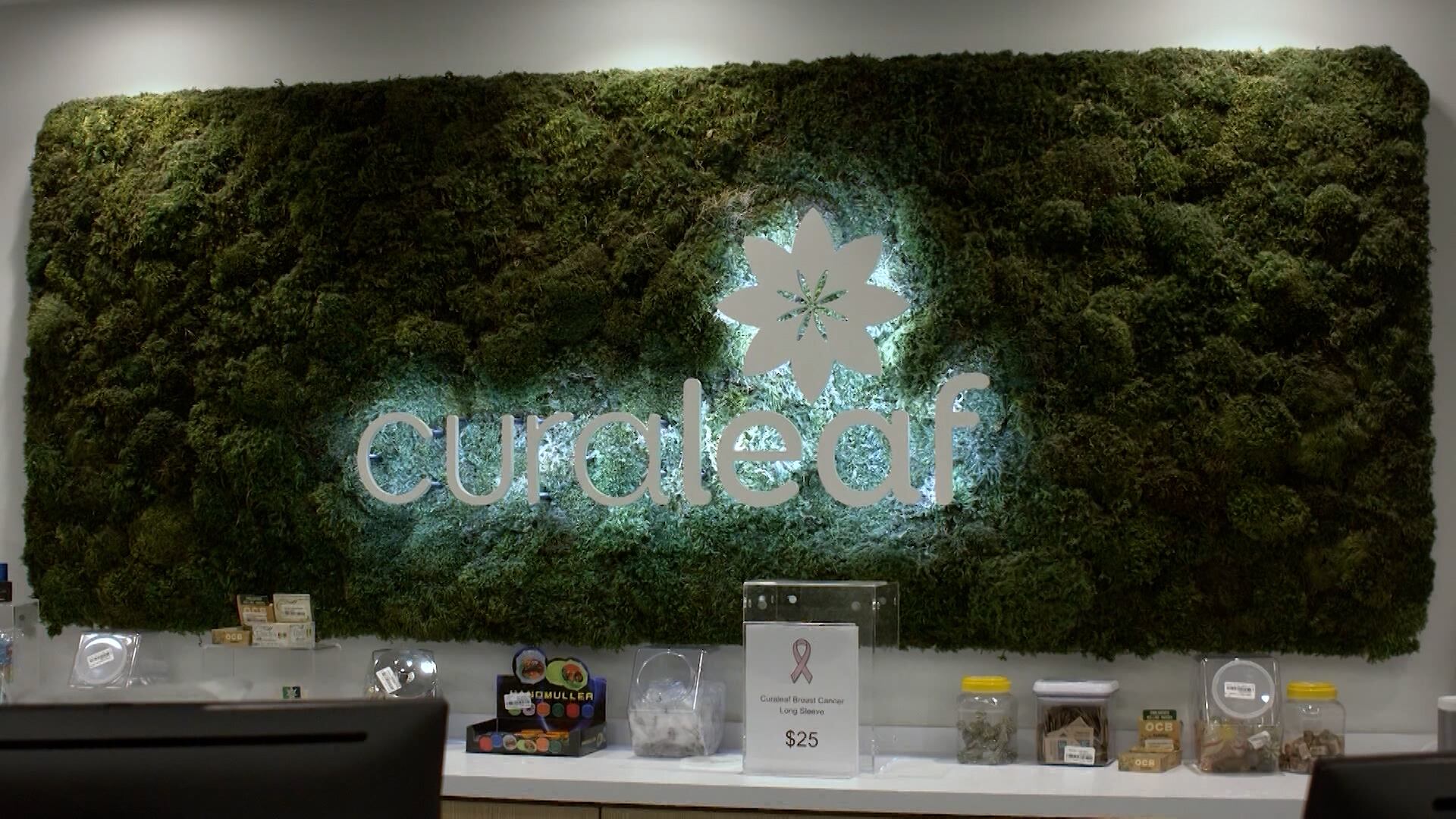
Curaleaf CEO Joe Bayern joined Cheddar's "Closing Bell" to discuss the cannabis company's Q3 earnings report, which came in under expectations and included widening losses. Bayern discussed taking a hit on profitability based on the slower-than-expected expansion in some Northeast markets. While the company reduced its fiscal guidance for 2021 due to a general slowing of the cannabis market, he did note that he still sees much room for growth in 2022 and beyond.
Online consignment and thrift shop thredUP reported a Q3 earnings beat on Monday, and CEO James Reinhart joined Cheddar to discuss exceeding expectations and the state of the business overall. Reinhart said the company is thriving while other businesses may face supply chain issues due to the convenience of its system of acquiring secondhand clothing. "In a world where most consumers are feeling squeezed by prices and seeing apparel shortages, everything we have on thredUP is 100 percent in stock and ready to ship," he said. "And so I think it speaks to real opportunity for resale and a company like thredUP during the holiday season and into 2022."
Former NBA star, commentator, and entrepreneur Baron Davis and Deluxe Corporation Chief Brand Officer Amanda Brinkman, joined Cheddar to discuss Season 6 of the reality show "Small Business Revolution," premiering Tuesday. The season will focus on helping six Black-owned businesses in the Twin Cities, Minneapolis and St. Paul. Davis noted learning about the lack of resources, connections, and opportunities for Black business owners during the show. "There are so many things we need to do as a society to address racial injustice and inequity, however, one of the ways for it is economic empowerment," Brinkman added.
Katia Beauchamp, strategic advisor for FemTec Health and former Birchbox CEO, joined Cheddar to discuss the health and beauty sciences company's recent acquisition of subscription beauty supply provider Birchbox. She noted that FemTec wants to change the perception of the brand to include health as well as beauty. "This is something where we are reimagining how can we help consumers discover beauty products that really help them take great care of themselves, have beautiful underlying health that is shown on the exterior too," she added.
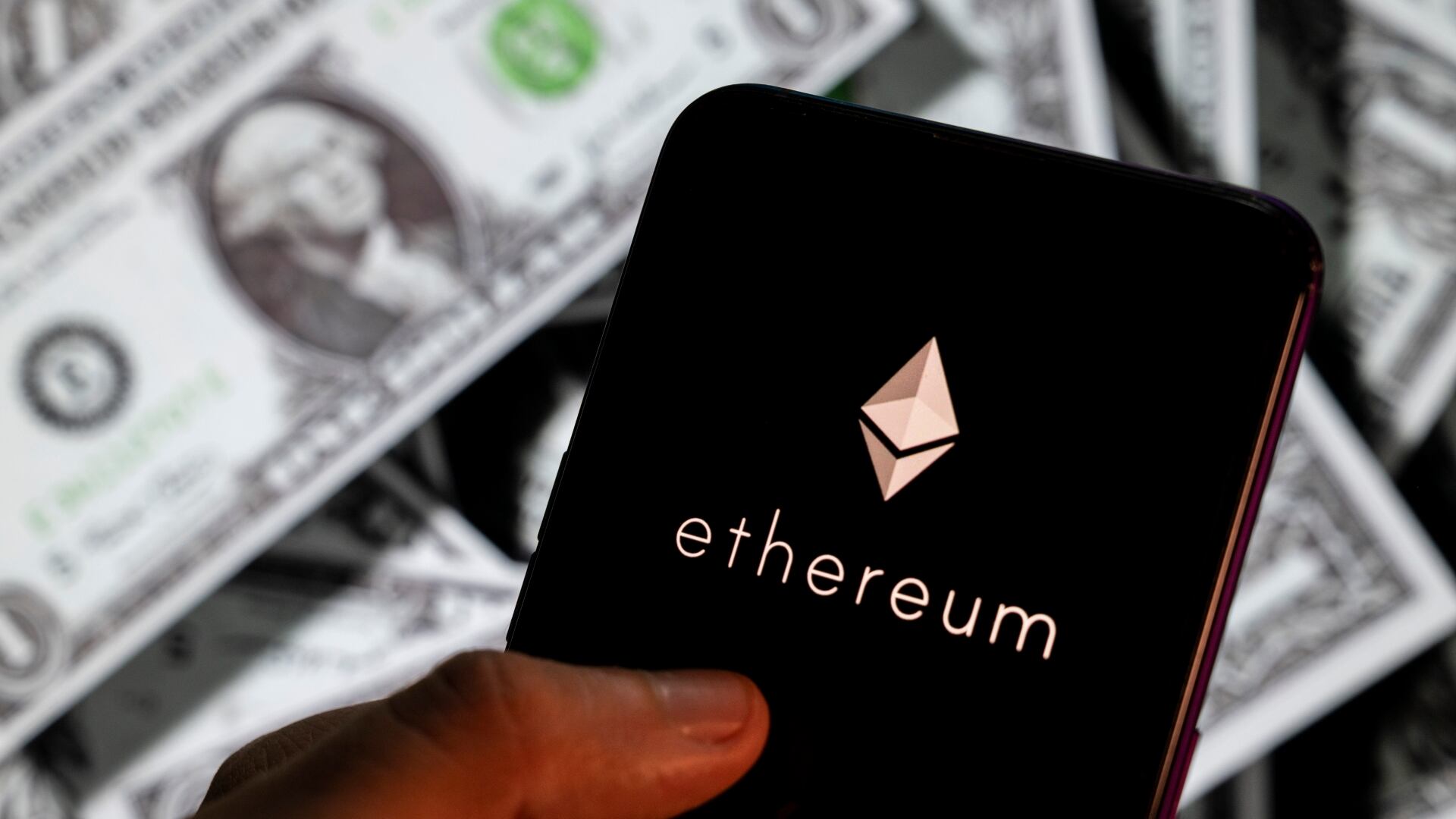
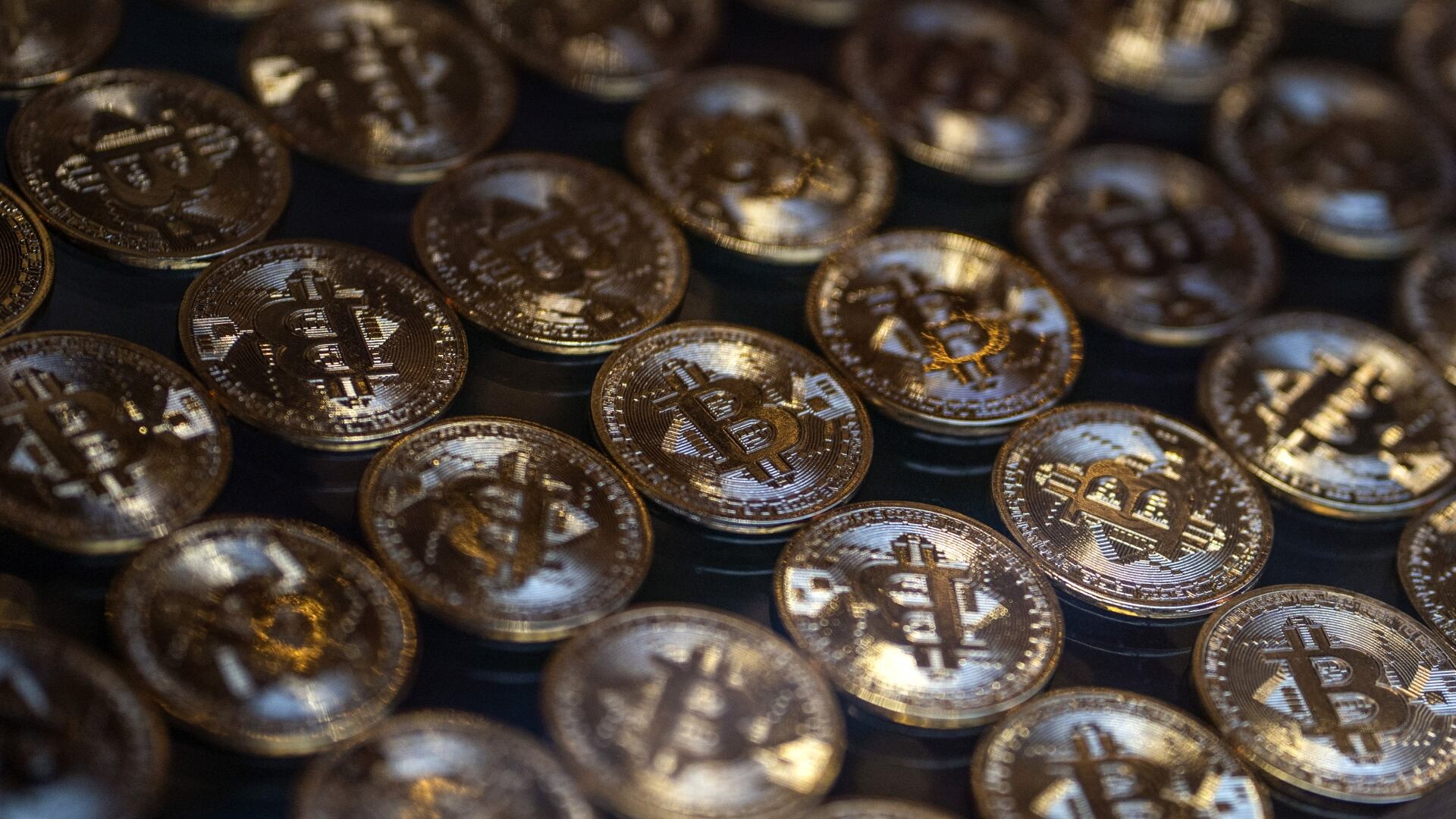
Cryptocurrencies are getting off to a good week. Ethereum surged more than 4% in 24 hours on Monday, hitting a new all-time high above $4,700. Meanwhile, Bitcoin surged 7% to a price of $66,250. Haohan Xu, founder and CEO of Apifiny, joins Cheddar News with thoughts on the growing sector.
The latest Marvel movie hit theaters with one of the biggest opening weekends of the year. 'Eternals' opened over the weekend with an estimated $71 million, the fourth-best domestic debut this year. Erik Davis, managing editor at Fandango, joins Cheddar News to talk about the state of box office sales.
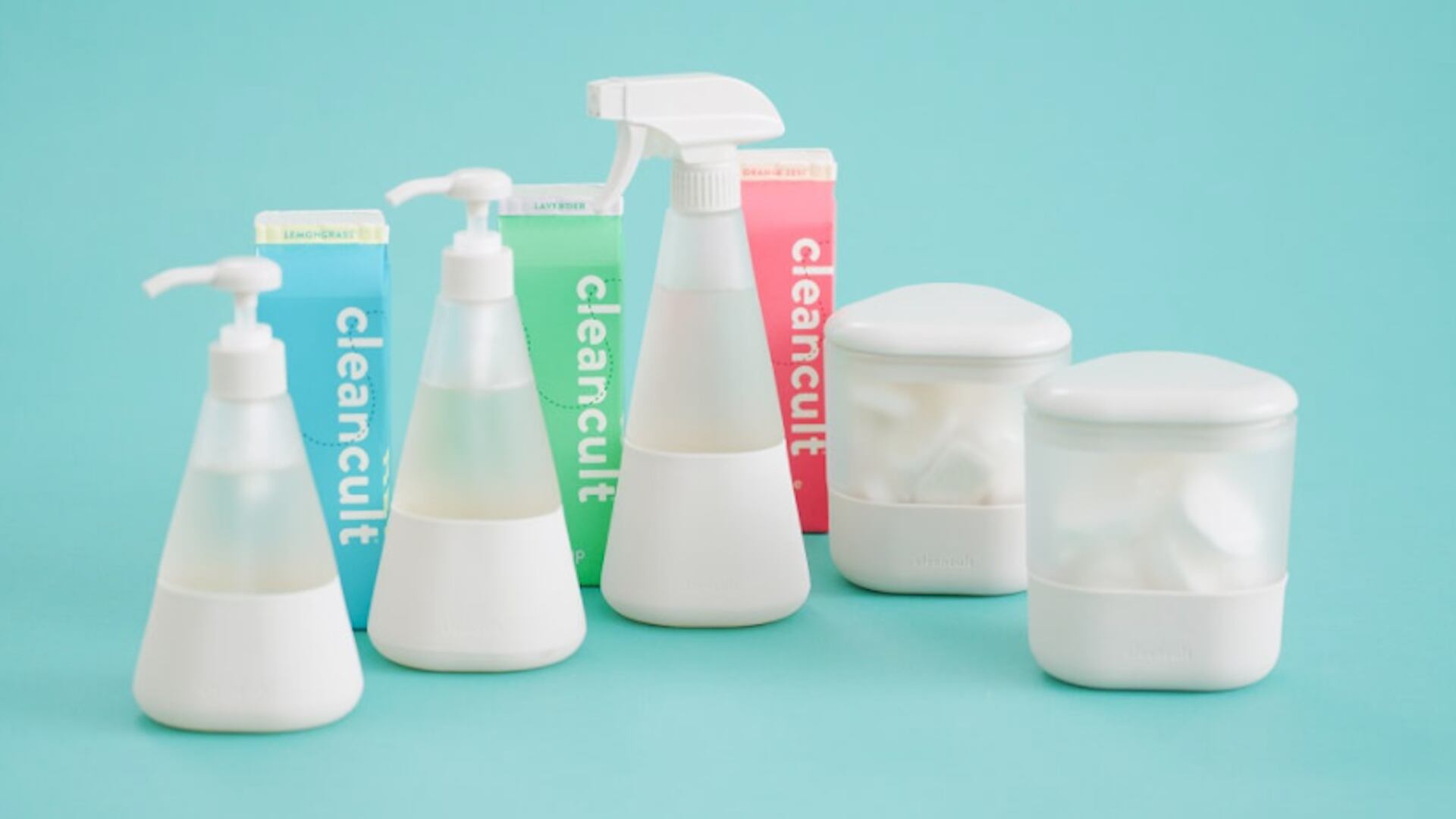
Ryan Lupberger, Sustainability Pioneer and CEO of Cleancult, joins 'Cheddar Reveals' to break down how Cleancult is redefining cleaning products and solutions to reduce their impact on the planet.