By Stan Choe, Damian J. Troise and Alex Veiga
Stocks closed broadly lower on Wall Street Friday following another choppy day of trading as worries about the worsening pandemic undercut growing optimism about a coming coronavirus vaccine.
The S&P 500 fell 0.7%, erasing its gains from a day earlier. The benchmark index, which climbed to an all-time high on Monday, posted its first weekly decline after two weeks of gains. The index is still up 8.8% so far this month.
Technology, financial and industrial companies drove much of the selling, which turned volatile in the final hour of regular trading. Treasury yields were mostly lower, a sign of caution in the market. Stock indexes around the world made modest moves.
Traders are balancing cautious optimism that a working coronavirus vaccine will be widely distributed next year against jitters over surging virus cases and the economic impact of new restrictions being put in place across the U.S. on people and businesses to limit the spread.
“It’s a market concerned about growth,” said Quincy Krosby, chief market strategist at Prudential Financial. “That’s the big uncertainty.”
The S&P 500 fell 24.33 points to 3,557.54. The Dow Jones Industrial Average slid 219.75 points, or 0.8%, to 29,263.48. The Nasdaq composite dropped gave up an early gain and dropped 49.74 points, or 0.4%, to 11,854.97.
Small company stocks held up better than the rest of the market. The Russell 2000 small-cap index rose 1.21 points, or 0.1%, to 1,785.34.
Wall Street suddenly began to teeter-totter this week after a big November rally swept both the S&P 500 and Dow to record highs. Evidence is piling up for investors both for hope about the economy’s prospects next year and for fear about the damage accruing in the shorter term.
Adding to the optimistic side of the ledger Friday was Pfizer and BioNTech saying they’ll submit an application with U.S. regulators for emergency use of their vaccine candidate. Data suggests it may be 95% effective at preventing mild to severe COVID-19 disease.
If approved, a limited number of doses could begin being administered as early as next month, though widescale vaccinations likely wouldn’t happen until after a potentially brutal winter. Other vaccines are also under development, and the hope is that one or more could get the economy running closer to normal next year.
On the pessimistic side, more governments around the world are bringing back restrictions on daily life to slow the spread of the virus. Surging coronavirus counts and hospitalizations also threaten to frighten consumers enough to keep them hunkered at home and drag on the economy.
“The market is supposed to be forward-looking, but the reality is it’s hard to look past what’s been going on the past couple of weeks,” said J.J. Kinahan, chief strategist with TD Ameritrade. “The other thing that’s a major concern is people going into lockdowns in major parts of the country. What is that going to be for businesses?”
California’s governor announced late Thursday an overnight curfew on most residents in the state, the Centers for Disease Control and Prevention is asking Americans not to travel for Thanksgiving and authorities from Lisbon to Sri Lanka announced varying degrees of restrictions.
“On the road to the other side of the pandemic are detours and we're in one of those detours,” Krosby said.
The U.S. Treasury Department also said late Thursday that it will not extend several emergency loan programs set up with the Federal Reserve during the worst of the spring’s turmoil to help prop up markets and the economy.
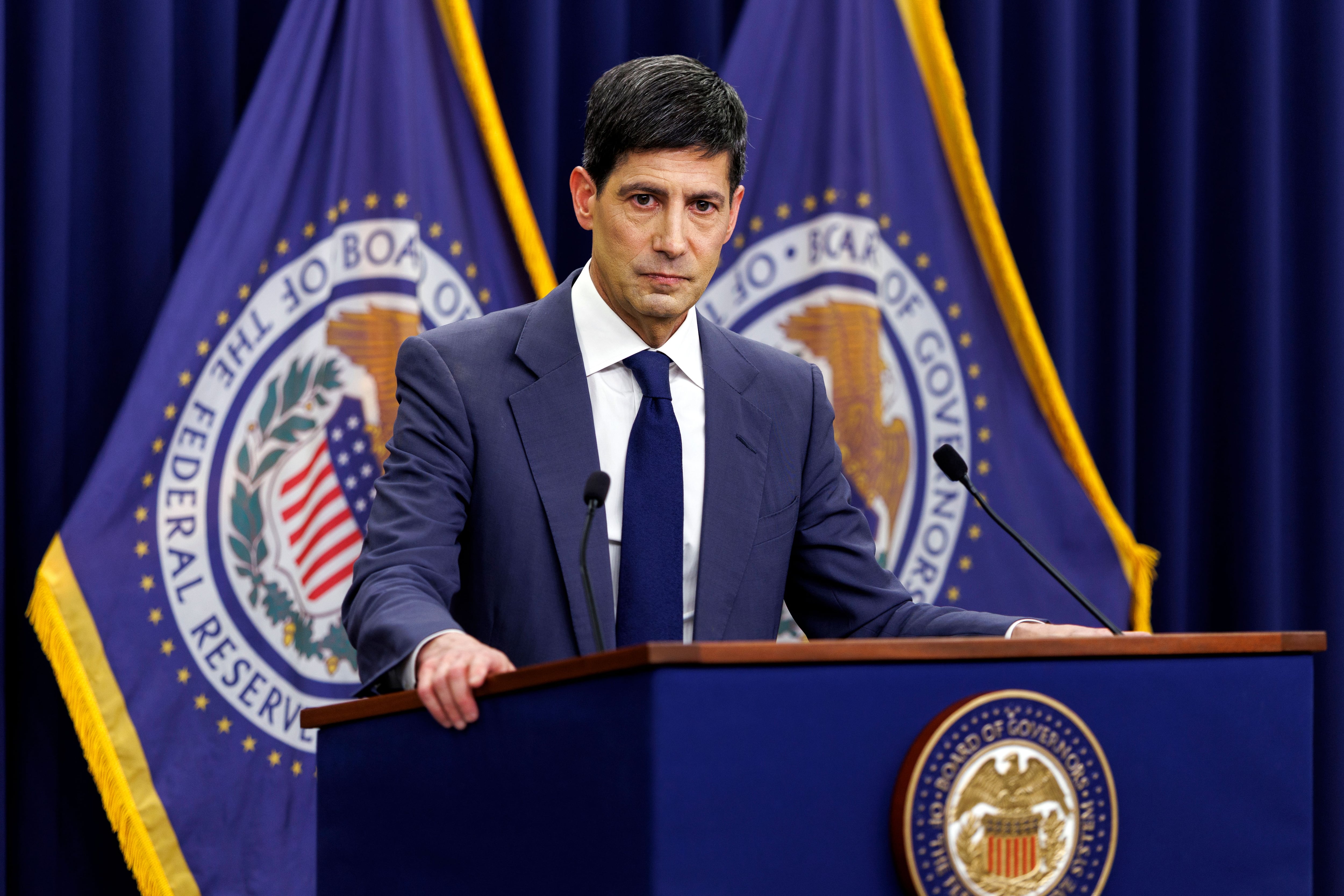
The announcement got some immediate pushback from the Fed, which has been keeping the accelerator floored on its support for the economy while asking politicians in the White House and Congress to do the same. The central bank said it “would prefer that the full suite of emergency facilities” created during the pandemic remain.
But Treasury Secretary Steven Mnuchin said closing the emergency loan programs could allow Congress to re-appropriate $455 billion to other relief programs. Democrats and Republicans in Washington have been deadlocked in efforts to deliver another round of financial support for the economy following the expiration of supplemental benefits for laid-off workers and other stimulus approved during the spring.
The majority of stocks in the S&P 500 fell, with technology companies taking the heaviest losses. Apple dropped 1.1%, while Intuit dropped 3.8%.
Travel-related stocks also fell. Cruise lines were among the biggest decliners. Norwegian Cruise Line slid 4.9% and Carnival fell 4.5%.
On the winning side was Williams-Sonoma, which rose 6.6% after reporting stronger profit and revenue for the latest quarter than analysts expected.
The yield on the 10-year Treasury slipped to 0.83% from 0.84% late Thursday.
European markets closed moderately higher and Asian markets ended mixed.
AP Business Writer Yuri Kageyama contributed.
Updated November 20, 2020 at 4:57 pm ET with latest news.