The holiday shopping season may be over, but Wal-Mart is not done innovating. The superstore is headed into 2018 with big technology goals including personal shopping via text message and cashier-less stores. Ted Rubin gives his take on these big retail moves.
Rubin argues Wal-Mart's move to offer personalized shopping via text message is misguided. The store is looking to capture the top 1%'s shopping habits, and he does not think that is possible. Instead, Rubin argues that Walmart should be focusing on their existing footprint and leveraging that to scale up delivery and shopping options.
Rubin also believes that Wal-Mart's acquisition of Jet.com was a multi-million dollar mistake. He argues the superstore should have built out their delivery options.
Seth Schachner, Managing Director at StratAmericas, weighs in on Spotify earnings and why that headline-grabbing deal with Joe Rogan could be worth that $250 million.
Mitch Roschelle, Managing Director at Madison Ventures, shares why investors may be waiting longer than expected for those interest rate cuts, and why he’s watching tech, oil, and homebuilder stocks.
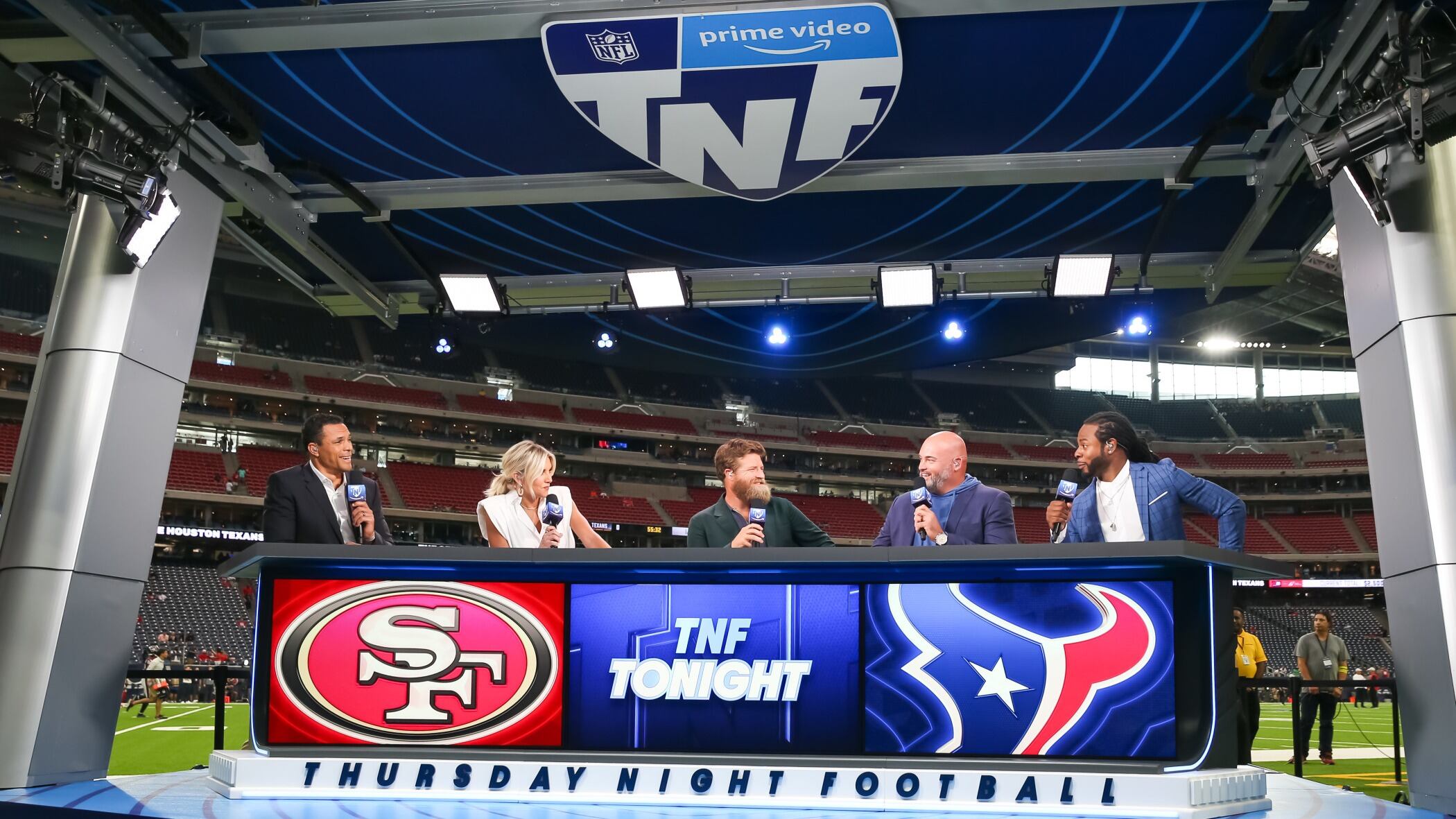
Amazon saw 24% growth in their Thursday Night Football audience in 2023. Subscribers will be rewarded with even more sports, but not without enduring more ads — unless they pay extra, of course.
Low unemployment + 350 thousand new jobs in January = ...more layoffs? A bunch of tech and retail companies have laid and are laying off employees after a nationwide hiring surge during the pandemic.
The most magical place on Earth wants a protective order to keep Gov. Ron DeSantis' appointees from knowing how the magic happens. A federal judge dismissed a separate Disney lawsuit last week.
Just days before the 49ers and Chiefs play in Las Vegas, Joe Pompliano, Investor at Pomp Investments and author of the Huddle Up Newsletter, discusses why he thinks this could be the most-watched Super Bowl in history.
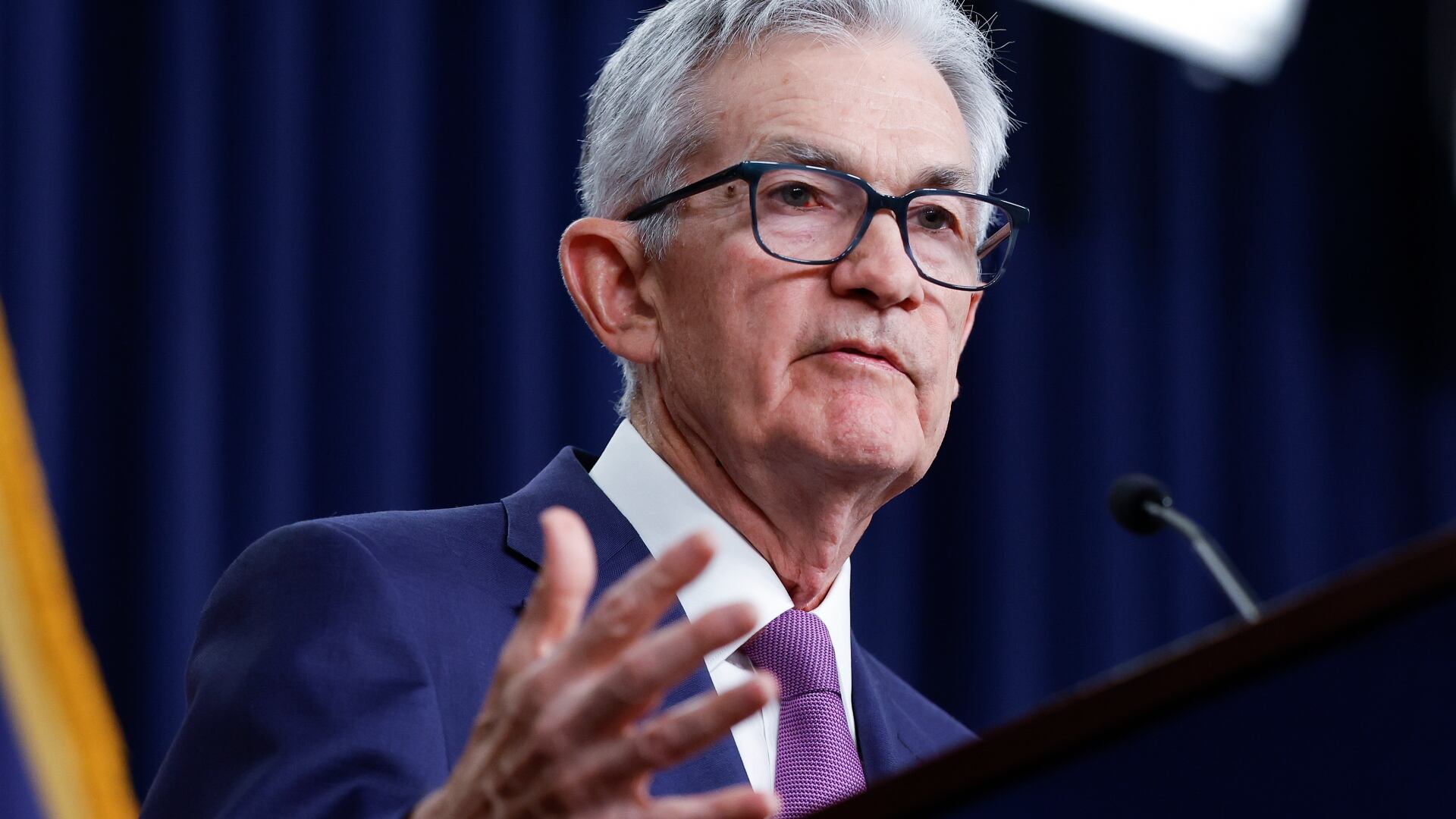
Chris Versace of Tematica Research LLC shares his thoughts on Jerome Powell's latest comments, the timing of those crucial rate cuts, and what semiconductor stocks he's watching closely.
We battle an onslaught of advertising every time we scroll through social media. Deinfluencers propose a less pricey, more honest approach to how we shop online. Could they convince us to spend less?