Volkswagen is making its first all-electric SUV available to American customers with deliveries to U.S. dealerships beginning this month.
"Obviously there's a movement at hand, and Volkswagen likes to lead and likes to be part of the movement," Volkswagen Group of America CEO Scott Keogh told Cheddar. "We think electric vehicles are ready to explode. It's already happening worldwide, and we want to be part of the lead."
The ID.4 model is currently manufactured in Germany and China but will begin U.S. production in 2022. Volkswagen's plant in Chattanooga, Tennessee, will produce the electric vehicle locally.
Keogh said the ID.4 was competitive at $39,995 but noted that the federal tax credit for electric vehicles helped put the model right in the "sweet spot" for the U.S. car market.
"Make no mistake, I think it is important," he said of the credit. "This is technology we want to have adopted. It's technology we want embraced by all American consumers, and certainly, the $7,500 tax credit helps build and lengthen that runway to get this off the ground."
The German automaker's stock price has soared in recent weeks, even as industry leader Tesla's sky-high valuation has shrunk.
Keogh attributed this to "old auto" showing its strength in the new electric vehicle market.
"In any competitive industry, there never is just a number one," he said. "There's always a two, and there's always a three, and frankly Volkswagen has now joined the game."
He also said the market is responding to the company's commitment to the Paris Climate Agreement, and its plan to reach net-zero emissions by 2050.
"The market buys the future. The market believes the future, and right now they're believing us."
As for how the ID.4 stacks up to Tesla's Model Y, another fully electric SUV, Keogh touted Volkswagen's sales infrastructure and market penetration.
"We have 650 dealers across the country," he said. "They've been trained. We have EV specialists. They're ready to sell the car. They're ready to service the car. They're ready to embrace the car."
This footprint, he added, gives the company an edge in capturing new customers in the electric vehicle market, which is more important than clawing customers away from Tesla.
"We need internal combustion engine owners to look at this car," he said.
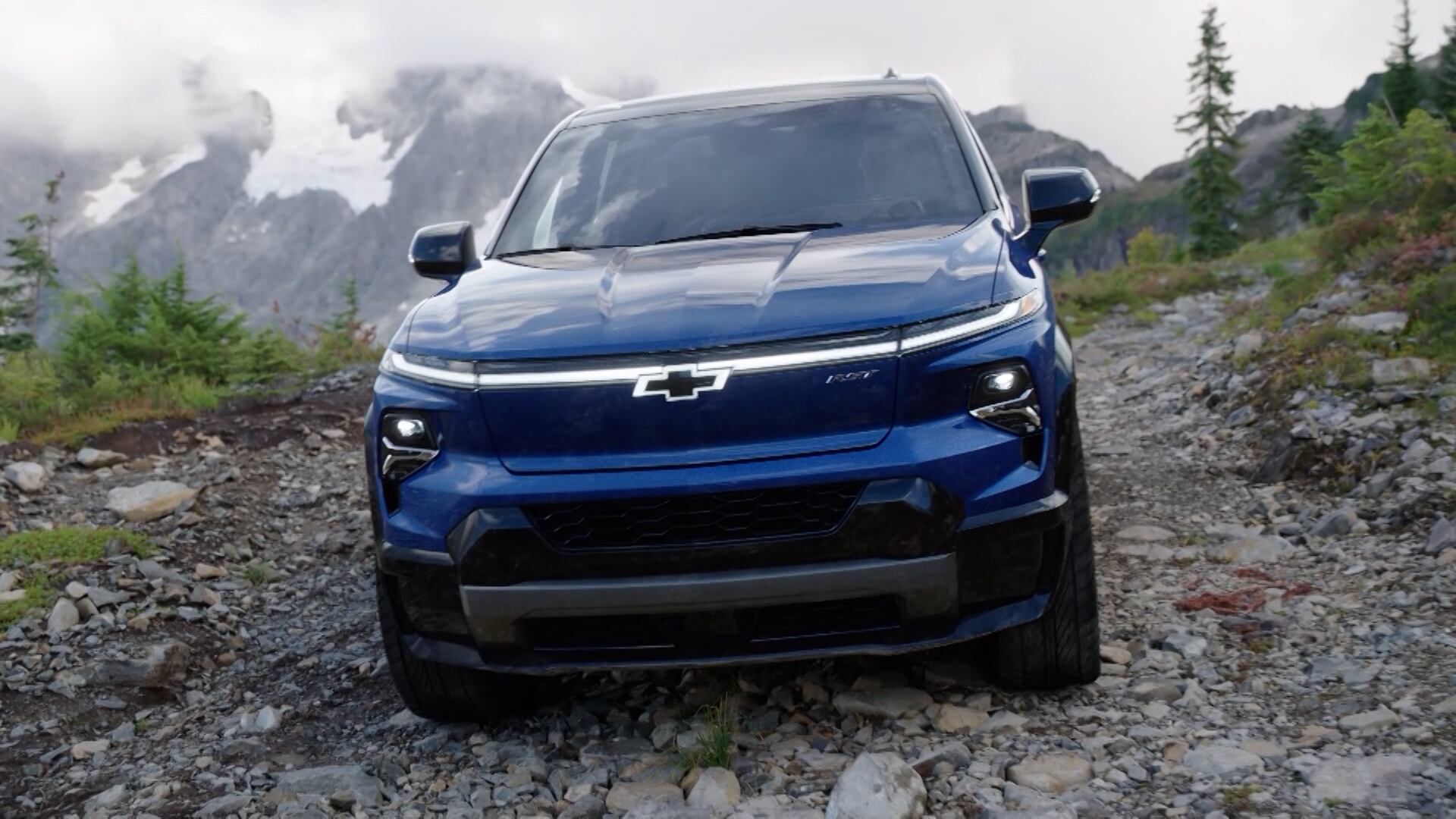
General Motors rolled out the newest addition to its EV fleet with the all-electric Silverado pickup truck. Deborah Wahl, chief marketing officer at GM, joined Cheddar to talk about the latest EV offering and how it matches up to its past gas-powered versions. She said she expects demand to soar after the "first-level truck" sold out in just 12 minutes and talked about steps GM plans to take to regain its title as top U.S. auto seller after being dethroned by Toyota in 2021 with emphasis on the EV market. "I think this is an exciting new inflection point for the market overall, for [an] idea of an all-electric future, and certainly shows that we're extremely committed to the idea of everybody in an electric vehicle," said Wahl.
With the annual CES convention underway amid COVID, HP unveiled rolled out a number of new products virtually this year, including new gaming PCs and 4K display monitors. But as industries look toward a greener future, HP is working with the climate crisis in mind. James McCall, chief sustainability officer at HP, joined Cheddar's Kristen Scholer to discuss the company's climate goals, which includes reducing its carbon footprint to net-zero by 2040. He admitted that reaching the ambitious goal will be difficult because much of the company's emissions totals come from third parties. "A large part of our footprint is outside of HP's direct control. A lot of it comes either from our incoming supply chain, the materials, our manufacturing process, or about 30 to 40 percent of it comes from our consumer-use base," McCall told Cheddar.
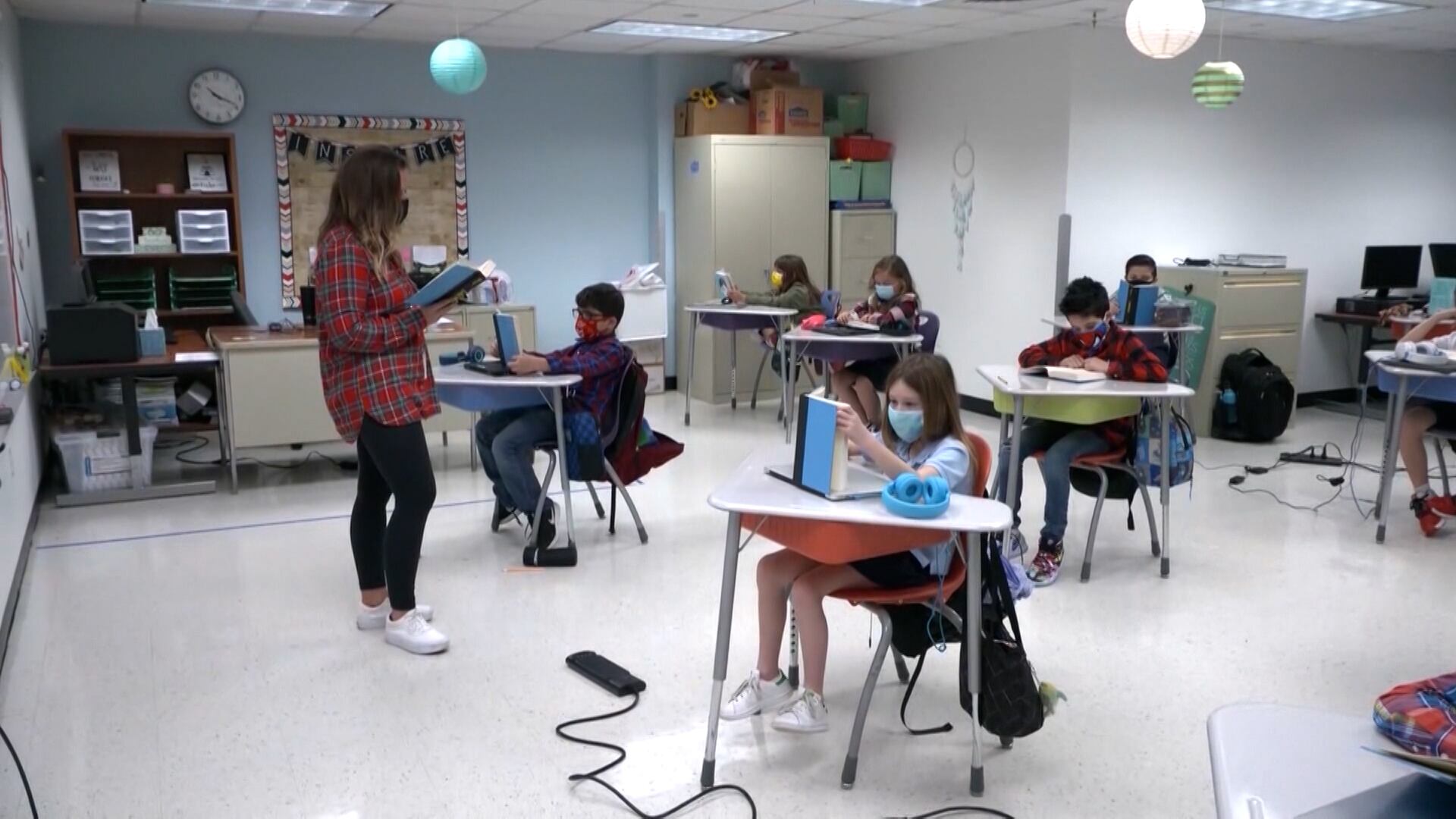
Jared C. Bass, senior director for Higher Education at the Center for American Progress, joins Cheddar News to discuss how schools are navigating the Omicron variant.
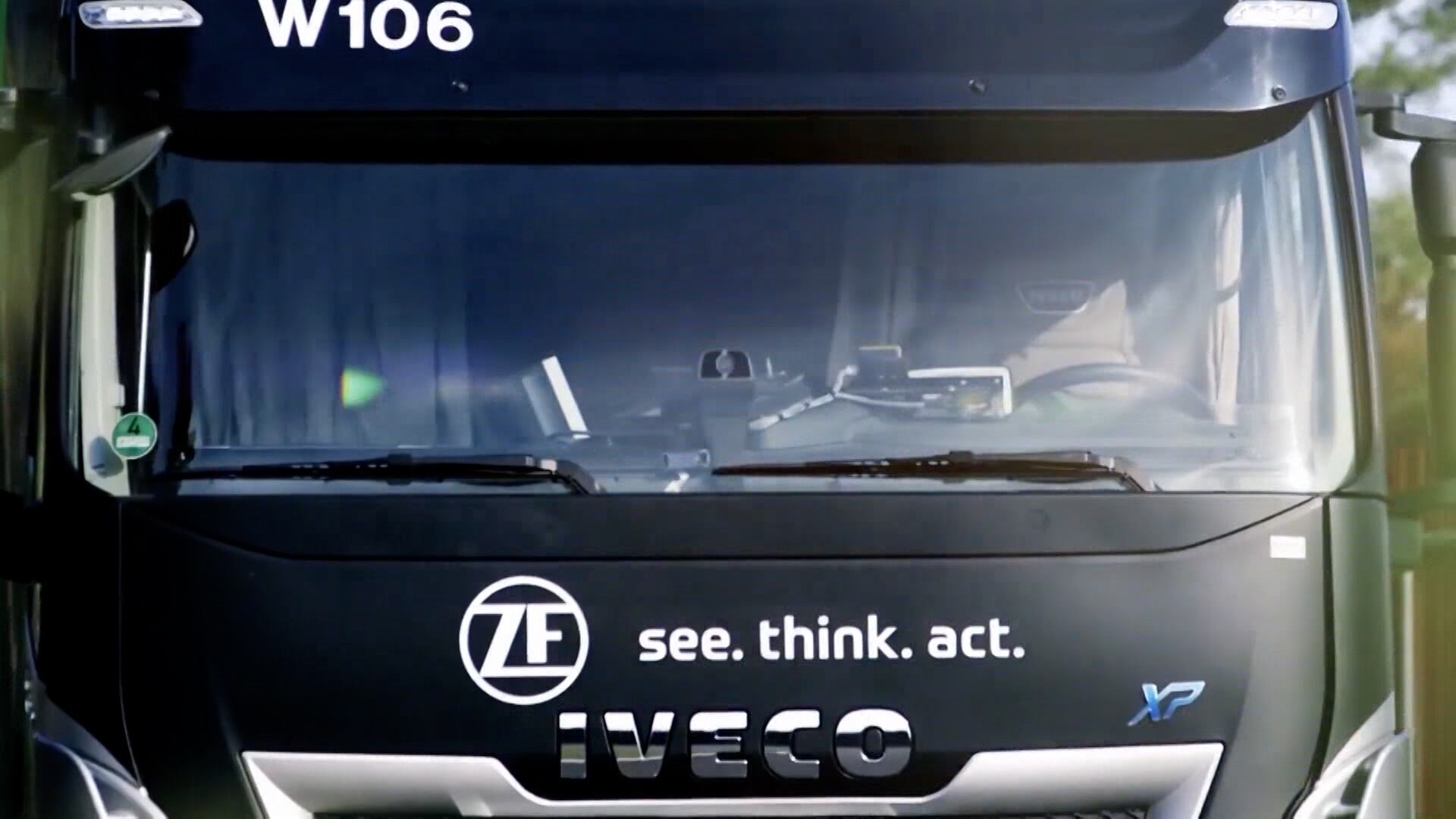
Martin Fischer, president of technology supplier for cars and commercial vehicles ZF North America, joined Cheddar to discuss the company's solutions for next-generation mobility in autonomous vehicles and its plans to usher in the next phase of electric vehicles. He also talked about the rising demand for self-driving technology on a global scale. "Whereas we are really active also there for passenger cars and commercial vehicles, what we showcase at CES now virtually is our autonomous shuttles," he said. "So, what that means is we bring these vehicles to busy city centers and can take traffic levels down."
Pfizer and BioNTech are working to develop an mRNA-based shingles vaccine following the success of the COVID-19 shot. This latest collaboration will mark the third time the pharmaceutical companies have worked together on a vaccine.
On Monday, President Biden announced his new plan to take on inflation by taking down the big meat monopolies - turning to the federal government's antitrust authorities to investigate the major meatpackers that control a significant share of the market. The White House plans to devote one billion dollars to aiding independent meat and poultry producers in an effort to undercut the few powerful meat producers that have control of the sector. Austin Frerick, deputy director of Thurman Arnold Project at Yale, joins Cheddar News to discuss.