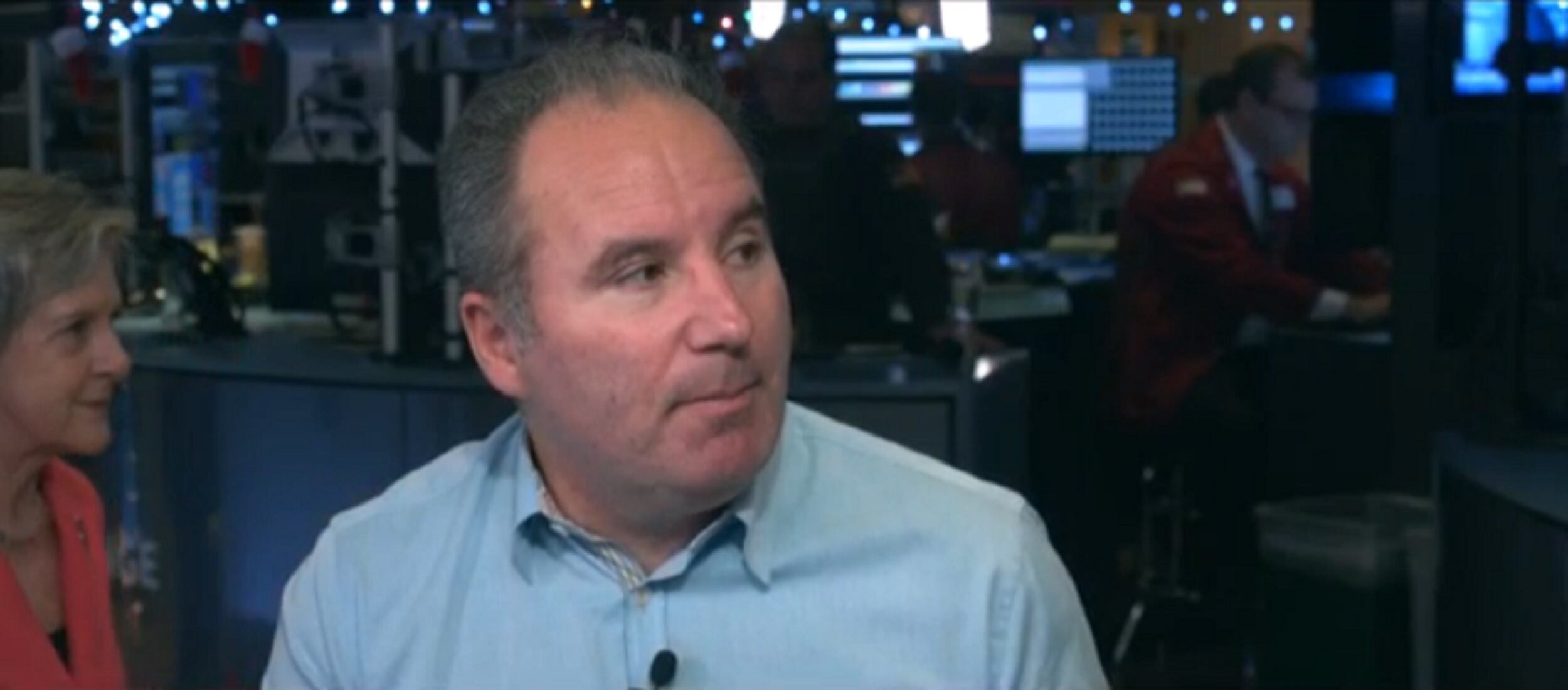
The digital advertising landscape is evolving as marketers compete for consumers' attention. Omnivirt is a 360-degree VR advertising platform for brands and publishers looking to gain an edge. The company's CEO and COO, Brad Phaisan and Michael Rucker, joined us to chat about virtual reality's full potential for advertisers.
We are in the early stages of VR technology, and some doubt whether it'll ever live up to high expectations. Phaisan compares the skepticism towards VR today to the way people viewed smartphones in the 1990s. The former Google software engineer is confident VR could end up being just as big.
The advertising space is extremely cluttered, and marketers are looking for ways to jump off the page, says Rucker. Omnivirt's 360 VR ads are offering advertisers and publishers the chance to do just that. When asked about Snap's place in virtual reality advertising, Rucker adds that he sees the social media platform as complementary to the solutions offered by Omnivirt.
STEM education in the U.S. is falling behind and 2.4 million STEM-related jobs are expected to go unfilled this year.
Ray Kerins, SVP, Corporate Affairs at Bayer, and Jackie
Joyner-Kersee, Olympic gold medalist, joined Cheddar to discuss the launch of Bayer's new Amazon Alexa skill integration.
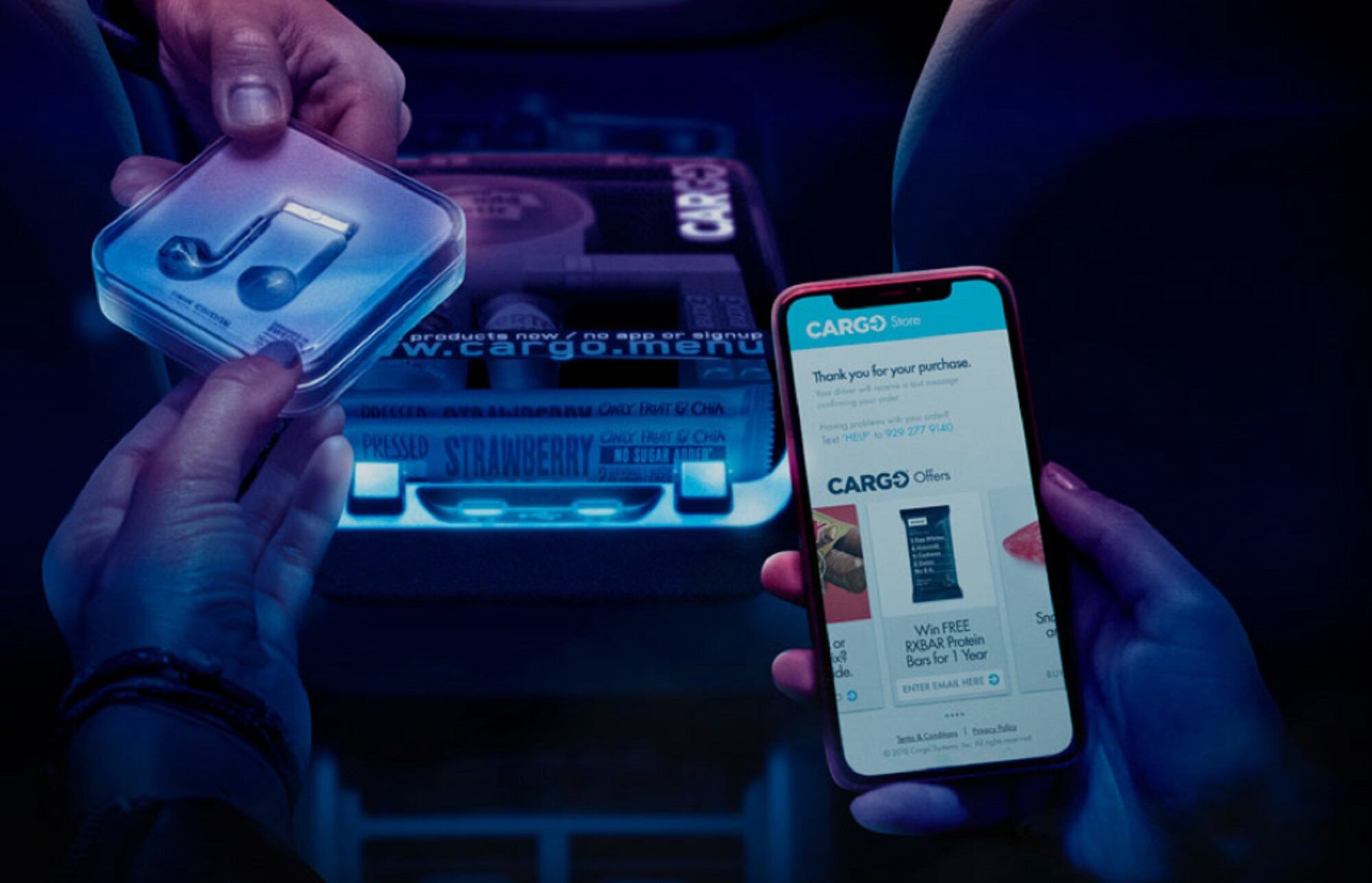
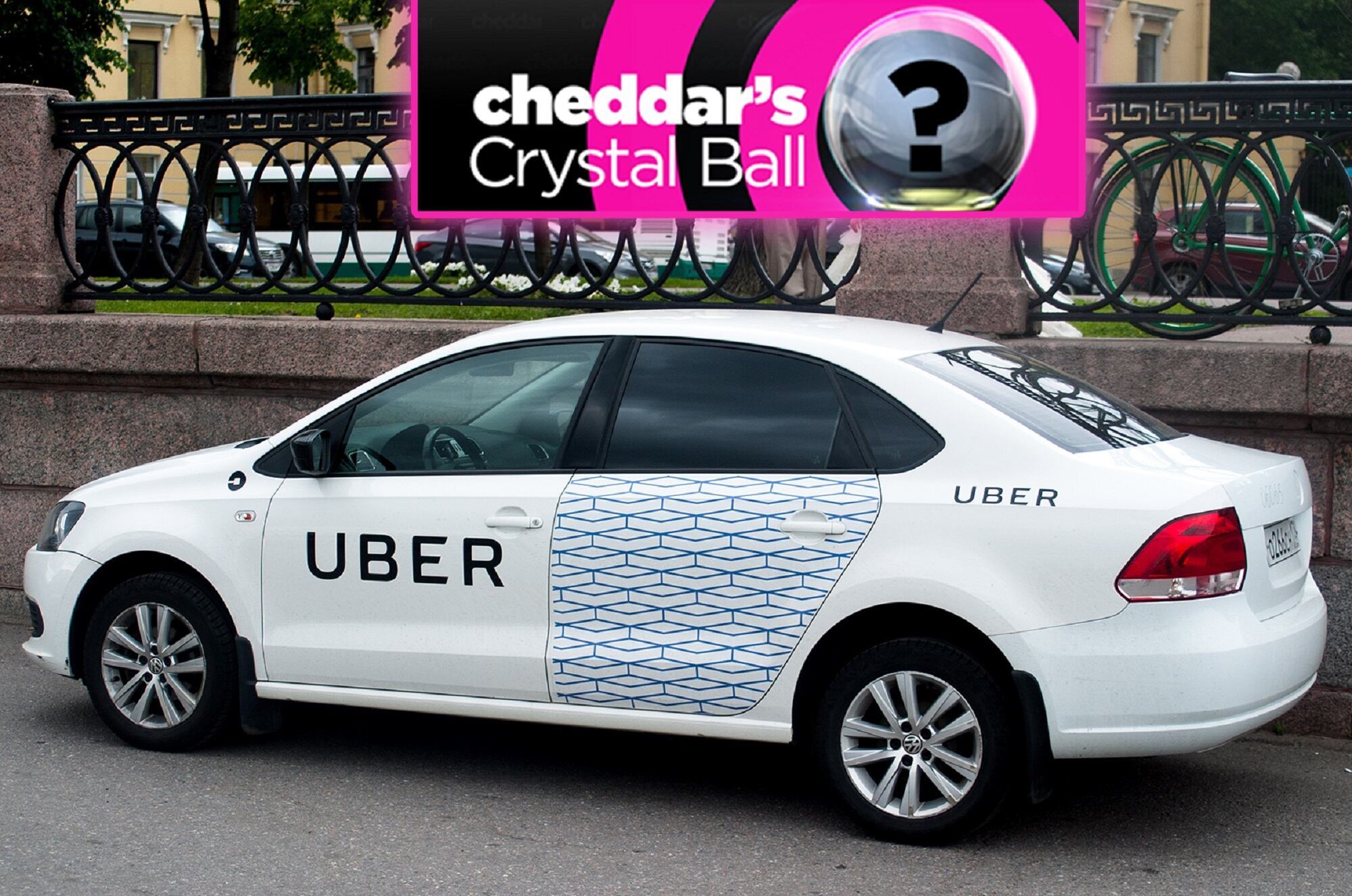
Cargo is essentially an in-car vending machine ー a box containing snacks and personal items for purchase installed on the center console of some Uber and Lyft vehicles. According to CEO Jeff Cripe, since so many riders were dividing their Uber and Lyft fares with Venmo, it made sense to make Venmo the payment option for their in-car purchases. Now, Venmo-happy millennials can purchase Cargo items through the app during their rides.
2019 is set to be a blockbuster year for tech IPOs. In preparation for the new year and all the public debuts it will bring, we're counting down the most likely and buzz-worthy candidates.
In five to seven years, Tesla will be valued as a diversified "technology titan" rather than just as an automaker, Wedbush's Dan Ives told Cheddar on Monday. Wedbush rated Tesla "outperform" and raised its 12-month price target on the company to $440 last week. Tesla shares jumped Thursday following the report.
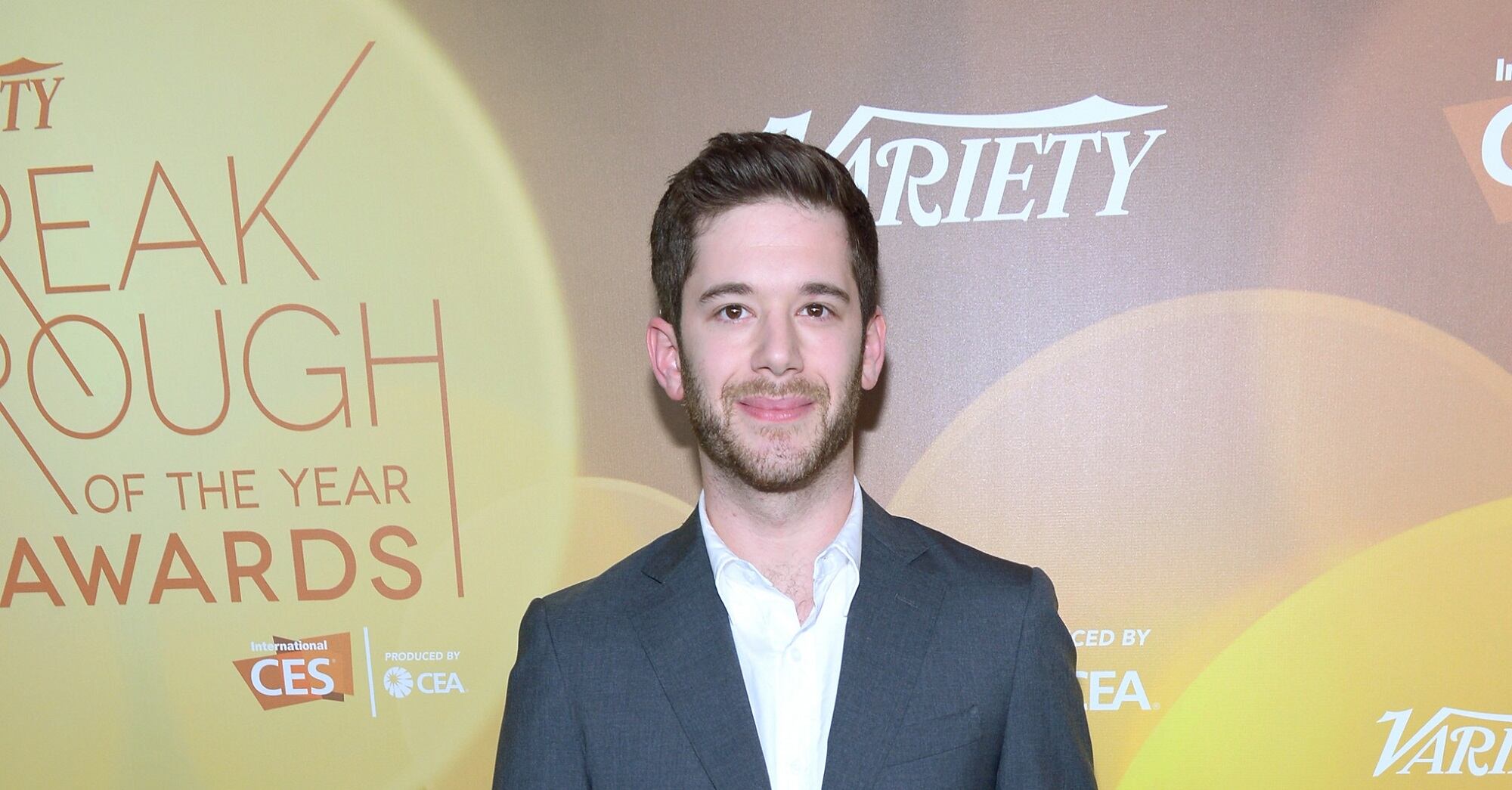
Colin Kroll, the founder of HQ Trivia and Vine, was found dead in his New York City apartment on Sunday of a suspected drug overdose. He was 34. Kroll's HQ Trivia was called the future of mobile gaming, the future of game shows, even the future of TV. Before his death, there seemed nowhere to go but up.
Federal prosecutors are investigating whether foreigners illegally funneled money to President Trump's inaugural committee to buy influence over American policy. Bomb threats emailed to multiple locations across the country deemed non-credible by the FBI. For the first time ever, the number of streaming shows has surpassed the number of basic cable and broadcast shows. From now until December 31st, users of the dating app Hinge can get a buy-one, get-one free meal at Chipotle to enjoy with their date.
From Wall Street to Silicon Valley, these are the top stories that moved markets and had investors, business leaders, and entrepreneurs talking this week on Cheddar.
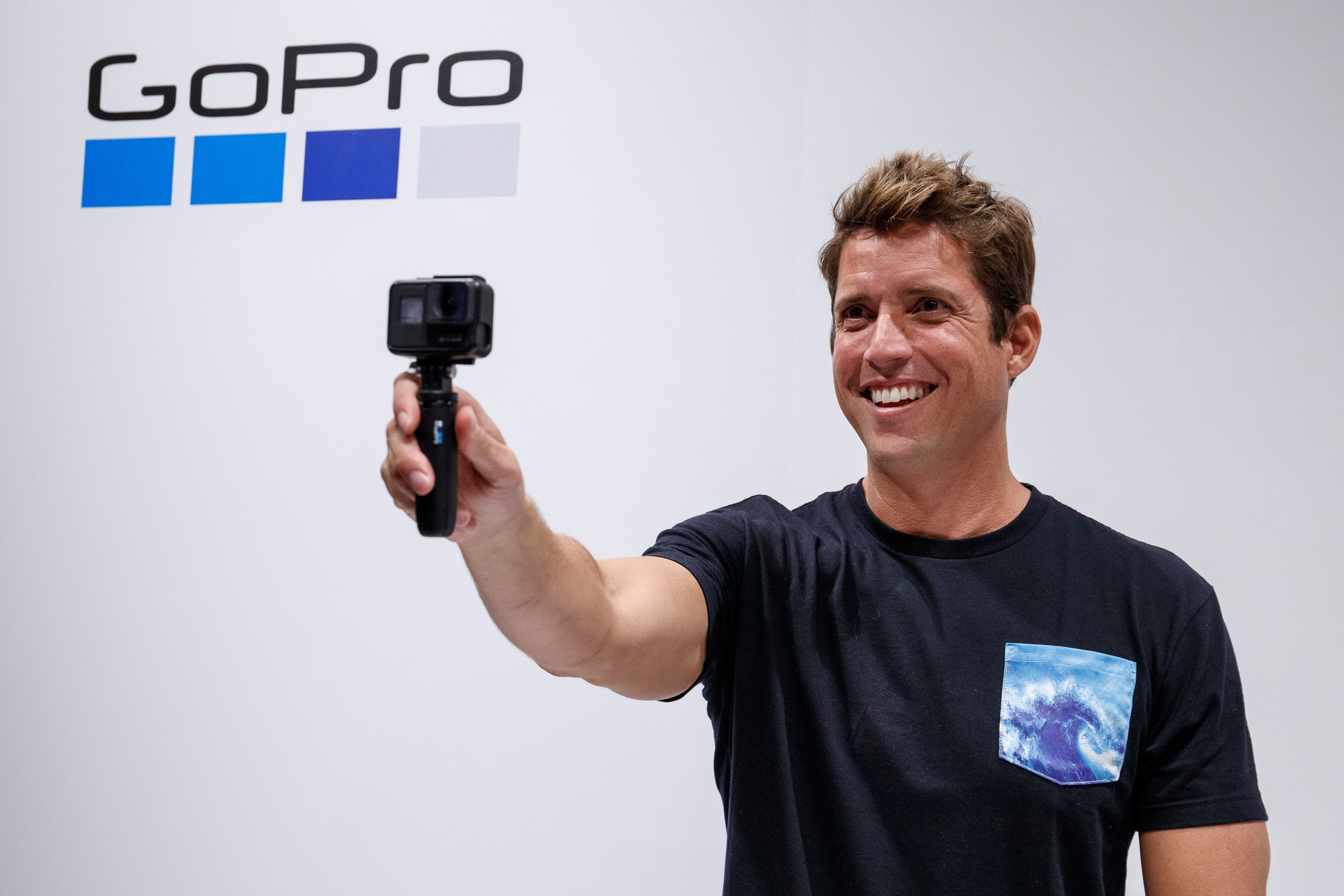
Under pressures from a slowing demand and the U.S.-China trade war, GoPro is doubling down on its core audience and engaging its existing customer base with contests and rewards.
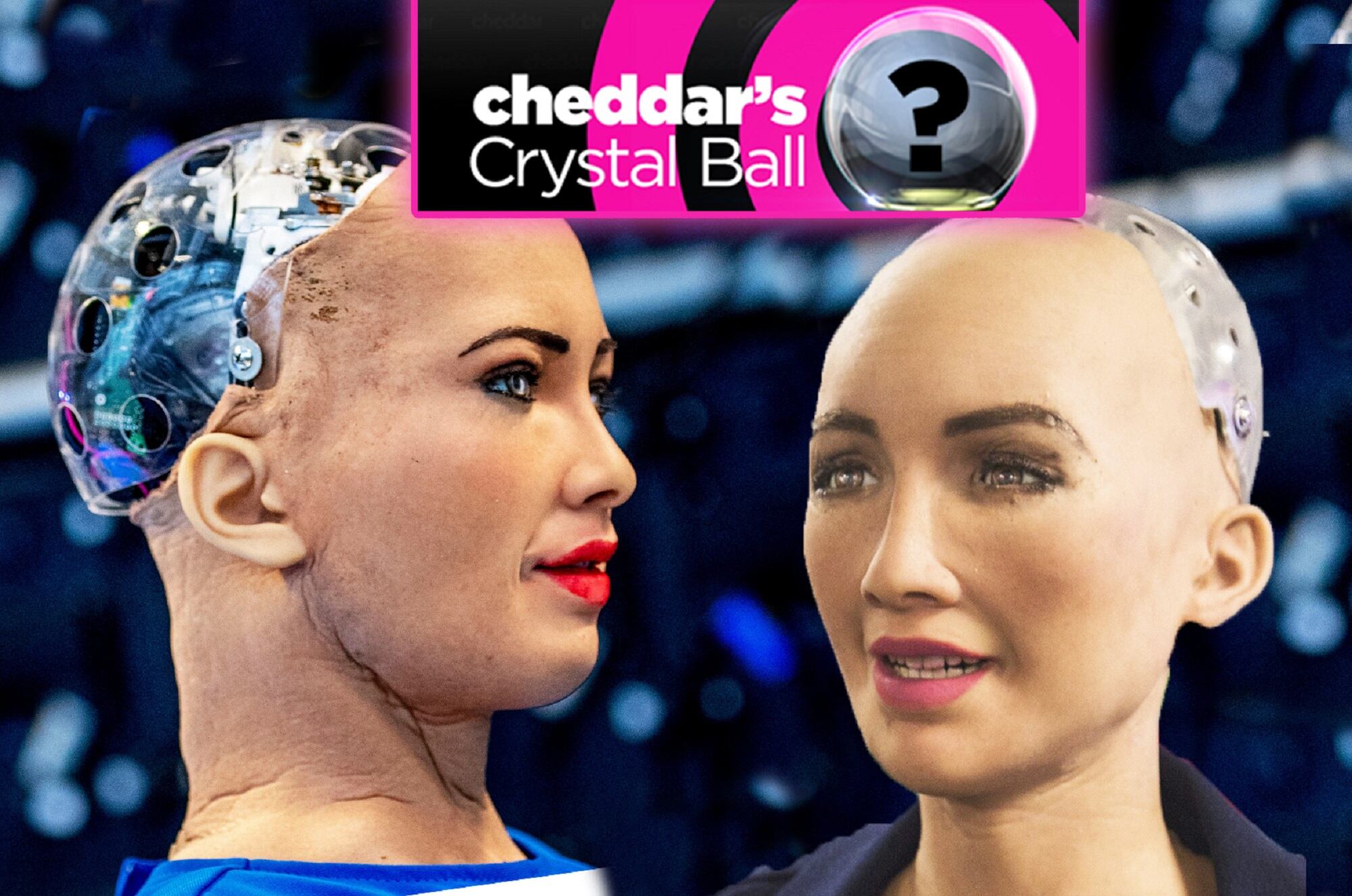
If you thought artificial intelligence took major strides in 2018, buckle up; 2019 may well be an even bigger year for the industry. What are insiders watching ー and what will make the biggest entrance in 2019? Cheddar's Crystal Ball has generated a prediction: Open source A.I., which allows information to be shared freely across many platforms.
As Cheddar reflects on 2018, we are profiling the most innovative, flamboyant, and often-controversial entrepreneurs and corporate leaders who delivered the year's most memorable moments in business. Cheddar's Biggest Loser Award Goes to Mark Zuckerberg and Sheryl Sandberg.