Video-sharing platform Portal Wants Each User to be a 'Mini-HBO'
*By Christian Smith*
New video-sharing platform Portal wants to help online video creators cash in on their content, says company founder Jonathan Swerdlin.
"Portal is the first video sharing platform that everyone can use that completely skips the ad model and introduces really easy ways for users to pay each other," Swerdlin said in an interview on Cheddar. "Everyone can be their own mini HBO."
Portal's "freemium" model allows content creators to decide whether to share their content for free or monetize it through subscriptions, paywalls, or tipping, at rates that can range from one cent to $100 per video. Swerdlin said that many content creators offer a few videos for free to hook users, and then require payment to view the rest of their content.
Swerdlin created the company, which counts Mark Cuban among its investors, with the intention of eliminating advertisers' control over digital content, which Swerdlin believes has broken the internet. Free speech is a key component to Portal's function, but Swerdlin notes there are some limitations.
"We have pretty clear guidelines around hate speech," Swerdlin said. "We're going to go on a case-by-case basis, but we're very committed to free speech."
For full interview [click here](https://cheddar.com/videos/how-portal-is-giving-power-back-to-the-internets-video-creators).
Americans traveled in record numbers over July 4th despite rising costs. Skift's Sarah Kopit explains what it says about consumers, airfares, and summer travel.
The U.S. economy is being held up in part by the AI boom, but that boom could still lead to broader prosperity or inequality, says a Nobel Prize winner.
Foundation Robotics co-founder Michael LeBlanc explains how humanoid robots are moving from the lab to military and industrial missions and what comes next.
Jeff Burnstein, President of the Association for Advancing Automation (A3), discusses humanoid robots, AI, smart manufacturing, and the future of U.S. industry.
Should kids be banned from social media? Nick Lichtenberg of Fortune breaks down the global push to restrict under-16 users and what it means for Big Tech.
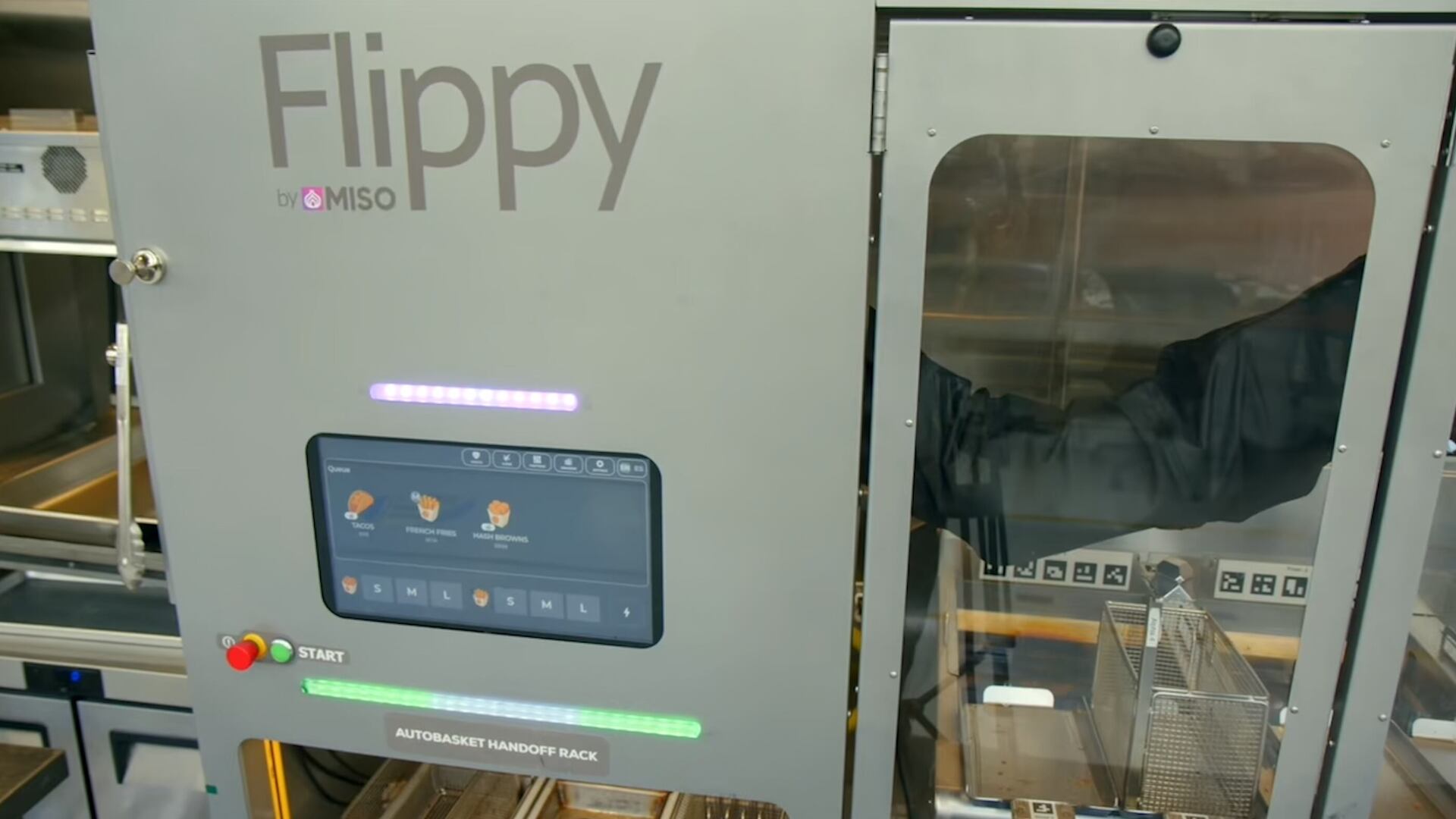
Miso Robotics CEO Rich Hull discusses Flippy Fry Station, the future of AI-powered restaurant automation and how acquiring Zume's IP could reshape food robotics
After two years of AI-fueled spending, Wall Street is asking what's next. Gil Luria breaks down monetization, valuations, winners, losers, and AI's future.