Number 2023, cash dollar banknotes and stock market indicators (money, economy, business, finance, inflation, crisis)
The U.S. economy grew at a lackluster 1.3% annual rate from January through March as businesses wary of an economic slowdown trimmed their inventories, the government said Thursday, a slight upgrade from its initial estimate.
The government had previously estimated that the economy grew at a 1.1% annual rate last quarter.
The Commerce Department's revised measure of growth in the nation's gross domestic product — the economy’s total output of goods and services — marked a deceleration from the second half of 2022.
Despite the first-quarter slowdown, consumer spending, which accounts for around 70% of America's economic output, rose at a healthy pace.
With mortgage rates having doubled over the past year, the real estate market has already taken a beating: Investment in housing fell from January through March. In April, sales of existing homes were 23% below their level a year earlier.
China-based DiDi is delisting from the New York Stock Exchange after Chinese officials reportedly asked the ride-hailing company to do so. It will instead list on the Stock Exchange of Hong Kong.
U.S. Futures were pointing to a higher open to round out the week despite a miss on the November Jobs Report, which showed slower job growth than expected-- and as the omicron variant continues to spread across the country. Patrick Healey, Founder & President at Caliber Financial Partners joined Cheddar's Opening Bell to discuss.
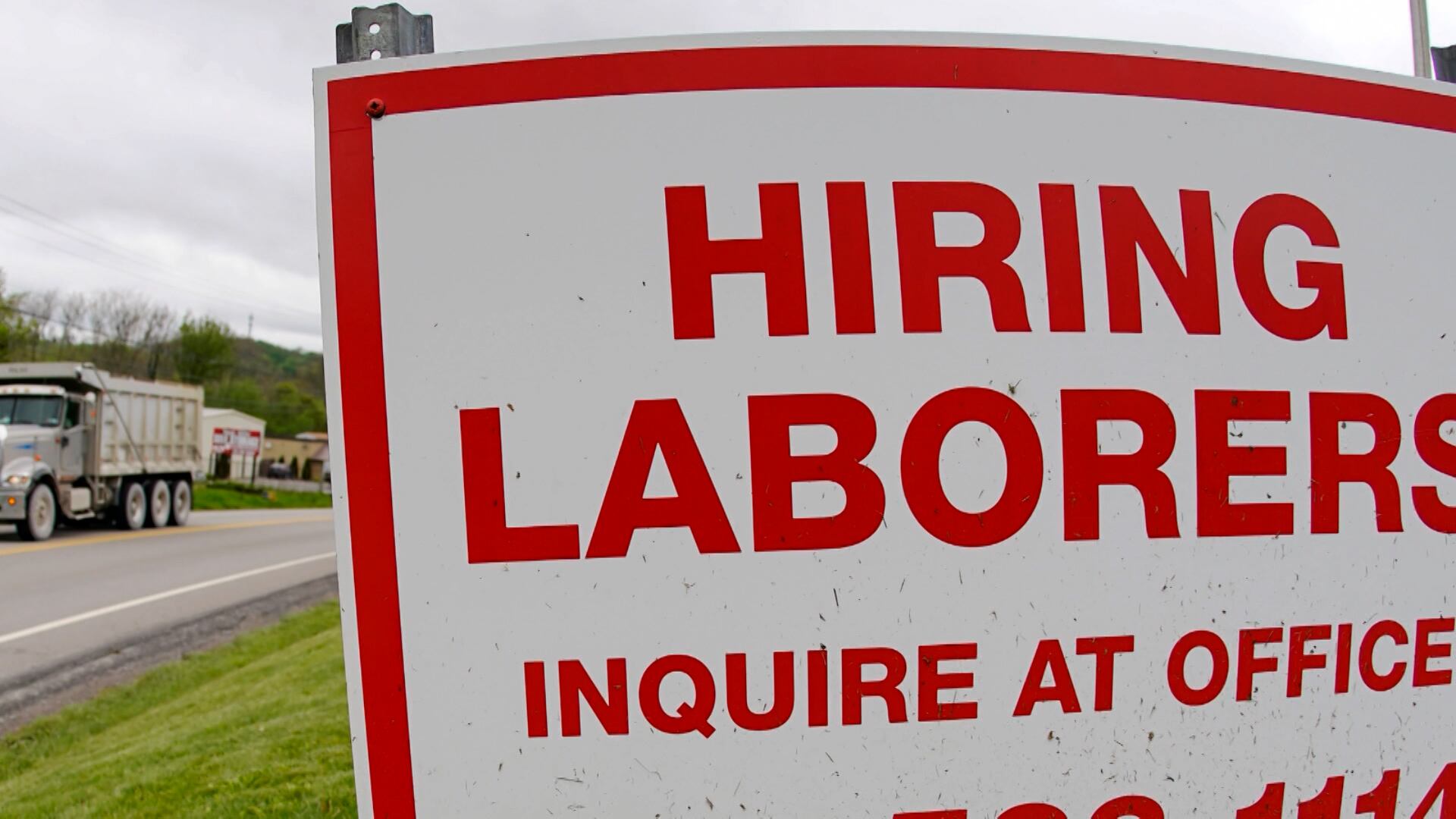
It's a mixed bag for the November jobs report. Hiring slowed last month as employers only added 210,000 jobs, massively missing the estimate of 550,000. But there was one bright spot: the unemployment rate fell to 4.2%, with the number of unemployed people dropping to 6.9 million. Both of those numbers are considerably down from their highs at the end of the 2020 recession. Heather Boushey, a member of President Biden's Council of Economic Advisers, joined Cheddar to discuss the report and the state of the country's ongoing economic recovery.
Many people are quitting their jobs just to have the flexibility of working from anywhere. A new survey conducted by The Conference Board reveals of those who have quit during the pandemic, 1 in 4 did so for the ability to work remotely. Rebecca Ray, executive vice president of Human Capital at The Conference Board, joined Cheddar to discuss why workplace flexibility is so important to employees, and how companies can better support the desires of their workers.
Chris Willman, Features Editor for Variety, discusses changes within the music industry and how venues can provide a safer environment for concert-goers.
As the U.S. continues to face supply chain shortages, President Joe Biden is reassuring U.S. consumers that the supply chain is in "very strong shape" ahead of the all-important holiday season. As supply bottlenecks start to show signs of improvement, the industry may be faced with yet another challenge: the Omicron variant. Rob Caucci, Co-Founder & Co-CEO of Fillogic joined Cheddar's Opening Bell to discuss.
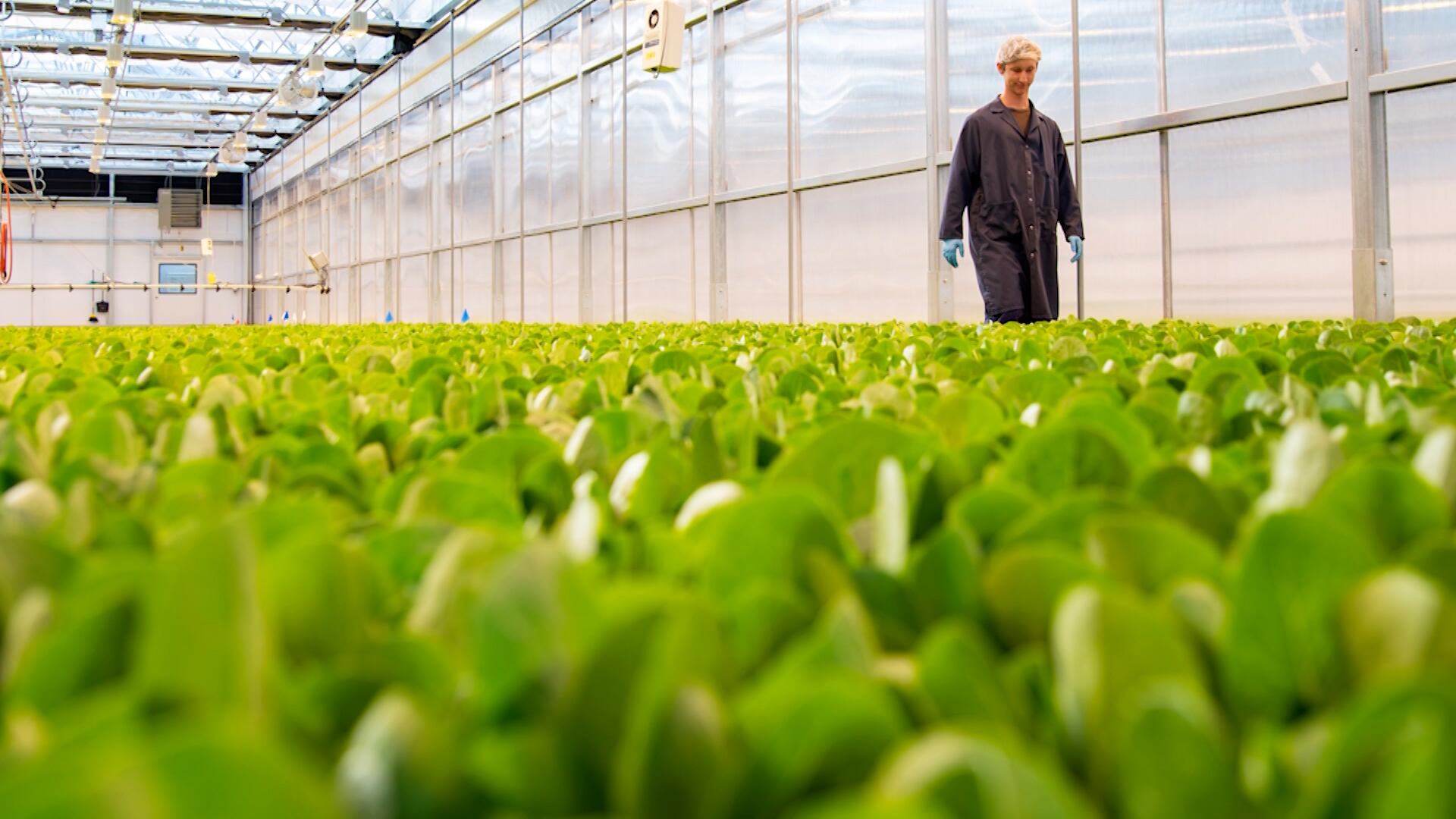
Local Bounti rang the opening bell December 3 in honor of its recent trading debut on the NYSE after closing a $1.1 billion SPAC deal. The company operates an indoor growing facility in Montana and aims to transform the production and delivery of local, fresh and sustainably-grown leafy greens. Craig Hurlbert, co-founder and co-CEO of Local Bounti, joined Cheddar to discuss the company's goals as a newly publicly-traded company.