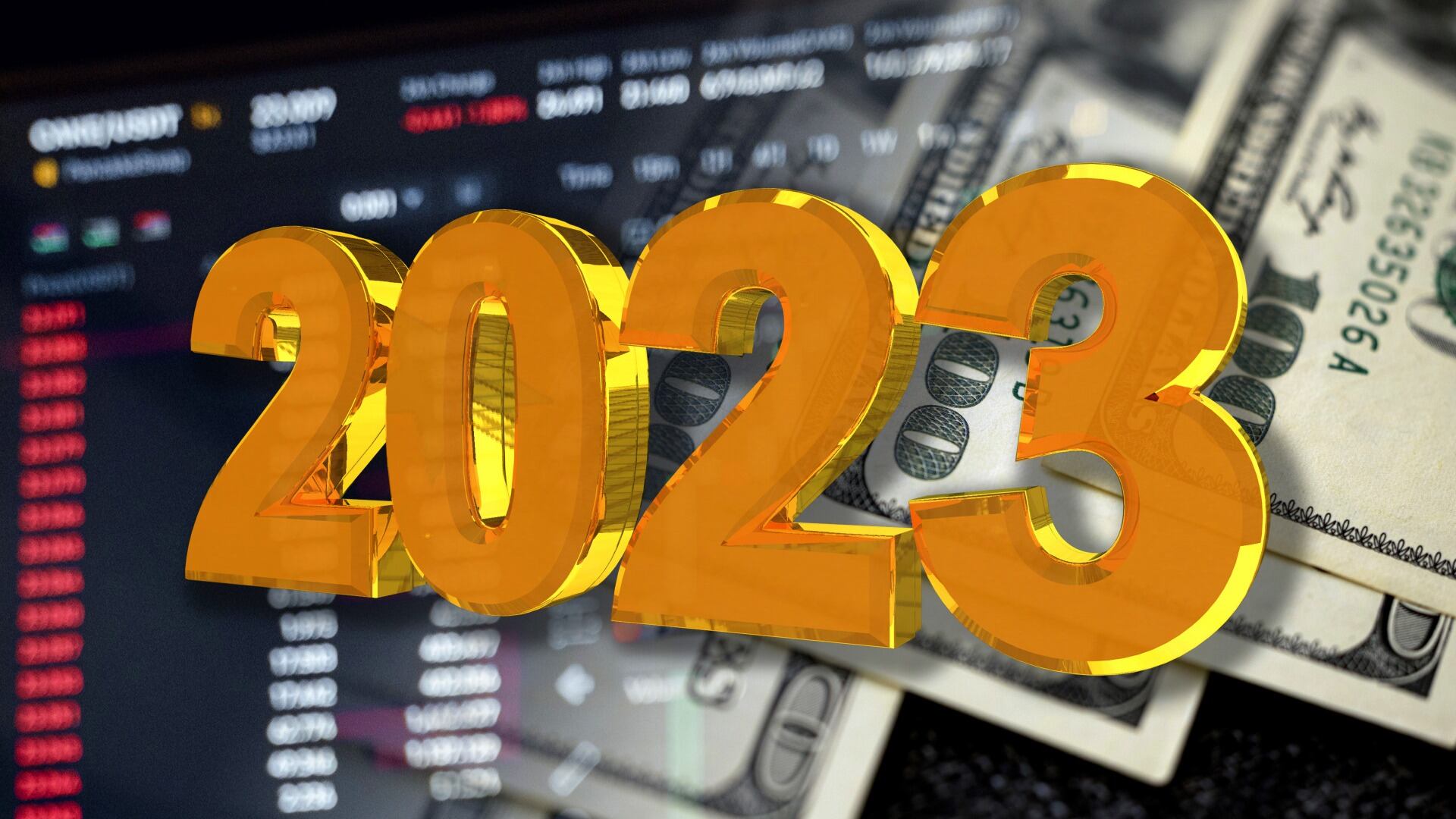
Number 2023, cash dollar banknotes and stock market indicators (money, economy, business, finance, inflation, crisis)
The U.S. economy grew at a lackluster 1.3% annual rate from January through March as businesses wary of an economic slowdown trimmed their inventories, the government said Thursday, a slight upgrade from its initial estimate.
The government had previously estimated that the economy grew at a 1.1% annual rate last quarter.
The Commerce Department's revised measure of growth in the nation's gross domestic product — the economy’s total output of goods and services — marked a deceleration from the second half of 2022.
Despite the first-quarter slowdown, consumer spending, which accounts for around 70% of America's economic output, rose at a healthy pace.
With mortgage rates having doubled over the past year, the real estate market has already taken a beating: Investment in housing fell from January through March. In April, sales of existing homes were 23% below their level a year earlier.
Fresh Vine Wine, a maker of low-carb, low-calorie, and gluten-free wines, made its public debut on the NYSE. Celeb do-owners Nina Dobrev and Julianne Hough, alongside CEO Janelle Anderson, joined Cheddar's Azia Celestino to talk about their partnership, the decision to launch an IPO, and tout the healthy lifestyle market their product is going for.
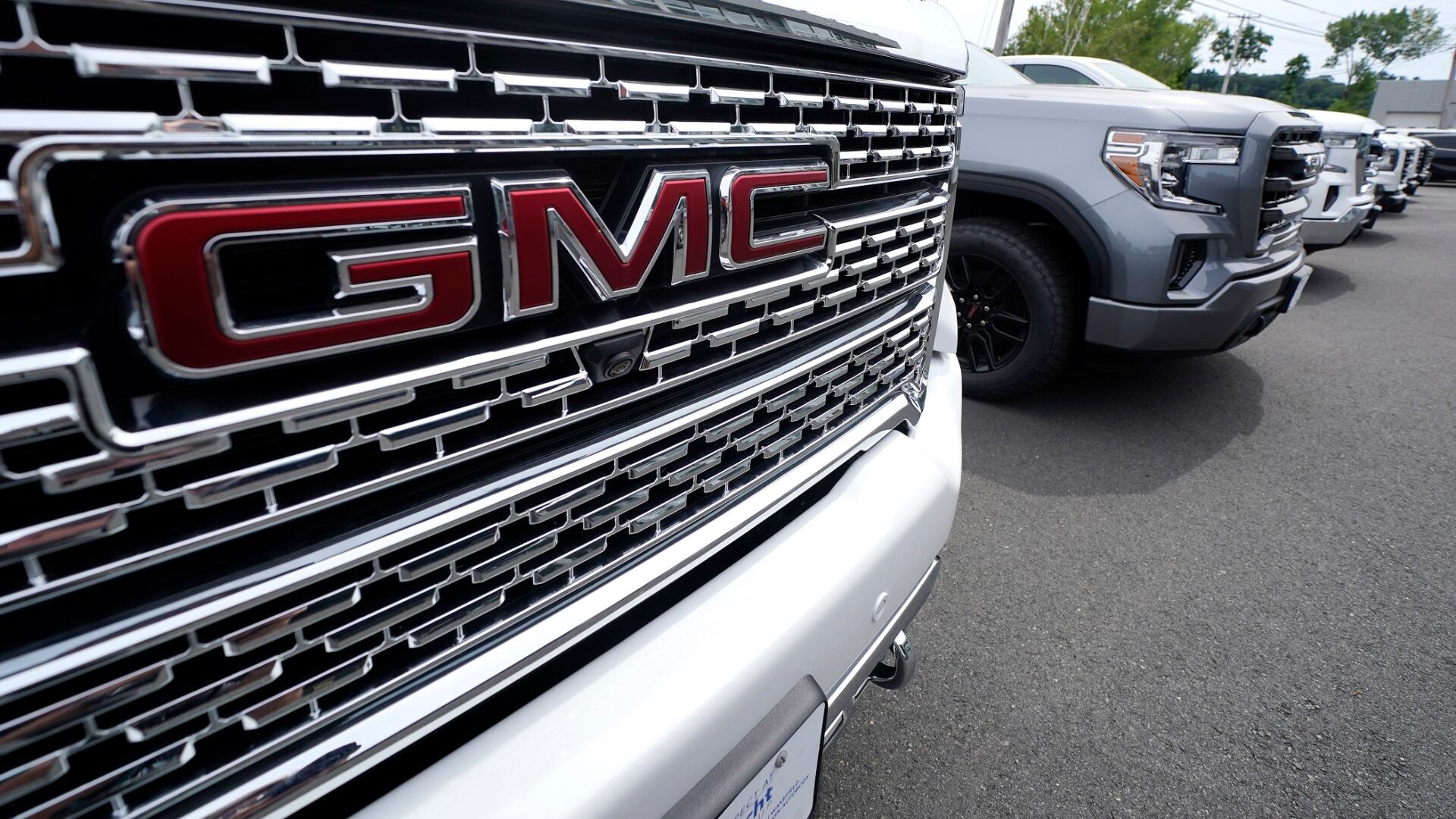
The automotive industry continues to reel as the ongoing global semiconductor chip shortage continues to cause prices to rise. Ben Preston, autos reporter for Consumer Reports, joined Cheddar to discuss the state of the car industry. "I think that right now is a terrible time to buy a new car because dealership lots are looking a bit thin," Preston said. He noted that once manufacturers had initially halted production due to the pandemic, chip companies shifted toward providing service to tech companies, leading to supply constraints as every new car built needs about 30 to 100 chips in its construction.
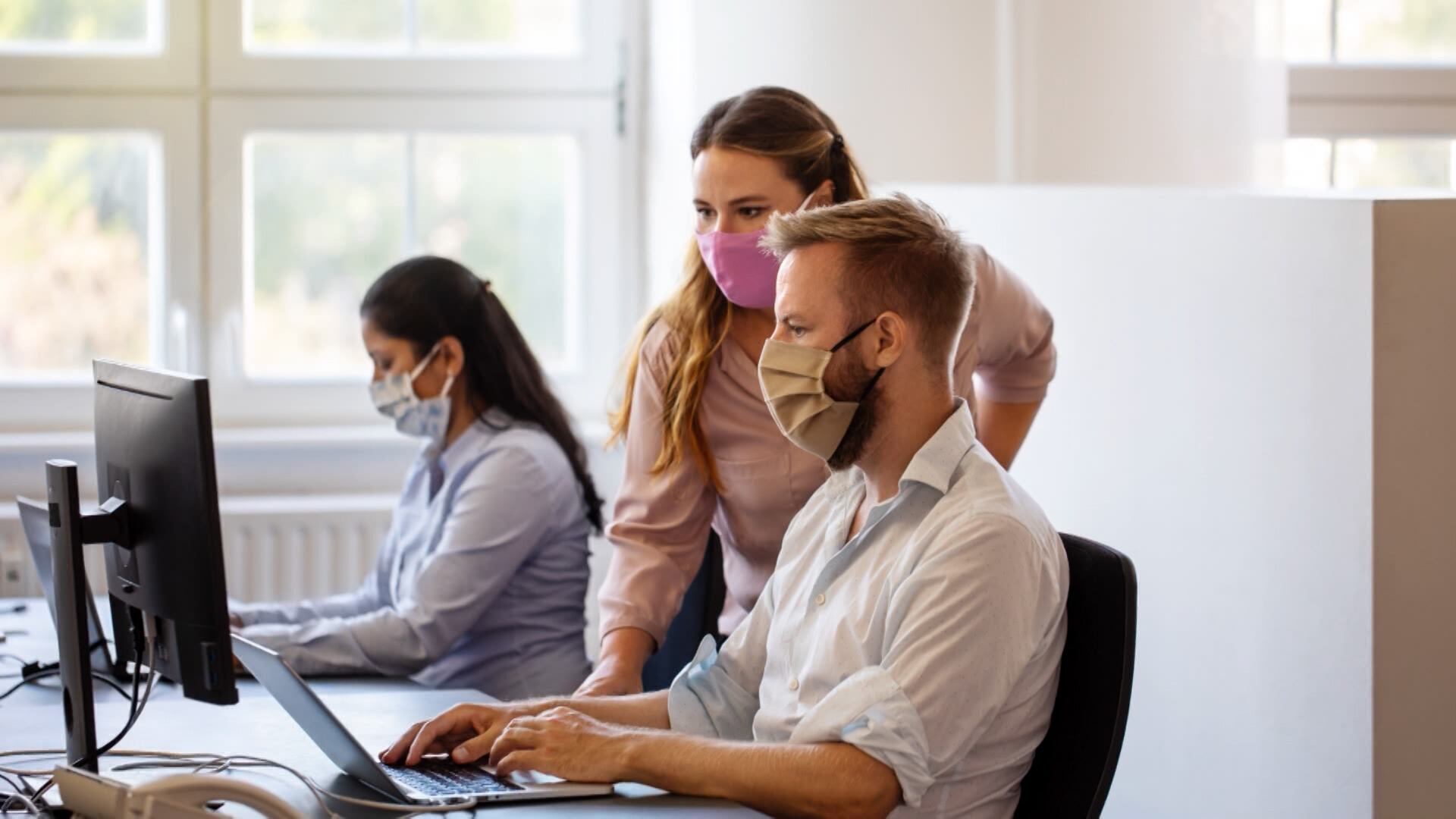
Erica Pandey, business reporter at Axios joins Cheddar News to discuss if companies should give up on trying to bring employees back to work in-person.