Number 2023, cash dollar banknotes and stock market indicators (money, economy, business, finance, inflation, crisis)
The U.S. economy grew at a lackluster 1.3% annual rate from January through March as businesses wary of an economic slowdown trimmed their inventories, the government said Thursday, a slight upgrade from its initial estimate.
The government had previously estimated that the economy grew at a 1.1% annual rate last quarter.
The Commerce Department's revised measure of growth in the nation's gross domestic product — the economy’s total output of goods and services — marked a deceleration from the second half of 2022.
Despite the first-quarter slowdown, consumer spending, which accounts for around 70% of America's economic output, rose at a healthy pace.
With mortgage rates having doubled over the past year, the real estate market has already taken a beating: Investment in housing fell from January through March. In April, sales of existing homes were 23% below their level a year earlier.
Following the surprising big beat on estimates for the January jobs report, William M. Rodgers III, vice president and director of the Institute for Economic Equity at the Federal Reserve Bank of St. Louis, joined Cheddar News to break down the data. “We ended 2021 with a strong crescendo to a recovery that had taken hold, and we started 2022 in good fashion." He also discussed the dueling pressures of wage growth and inflation.
While it was a volatile week in tech as Meta experienced the biggest one-day drop in the history of the U.S. stock market, industry giant Amazon reported 40 percent growth — largely on the strength of the cloud. Dan Ives, managing director of equity research at Wedbush Securities, joined Cheddar News to break down how the e-commerce company stock managed to pop despite headwinds against its core retail business. "It's all about cloud because of sum of the parts, you could argue, amazon could be $3,500/$4,000 stock just based on cloud," he said. Ives also addressed the apparent the differing impact of Apple iOS changes on Facebook and Snapchat.
Following Ford's earnings miss, the stock price dropped despite a bullish outlook from the auto giant. Karl Brauer, an executive analyst with ISeeCars.com, joined Cheddar to break down why investors may not be sold on the carmaker because of the ongoing factor of supply constraints. "The product is not an issue. There's really good product coming from them, including the electric vehicle side, and the demand is not an issue. There's plenty of demand, but nobody really has a solid grasp on when we're going to get past the supply chain issue," said Brauer.
Image-sharing app Pinterest reported big beats on its Q4 earnings for the top and bottom lines. The social platform surprised investors after seeing a decline in users while earnings and revenue were much higher than expected.
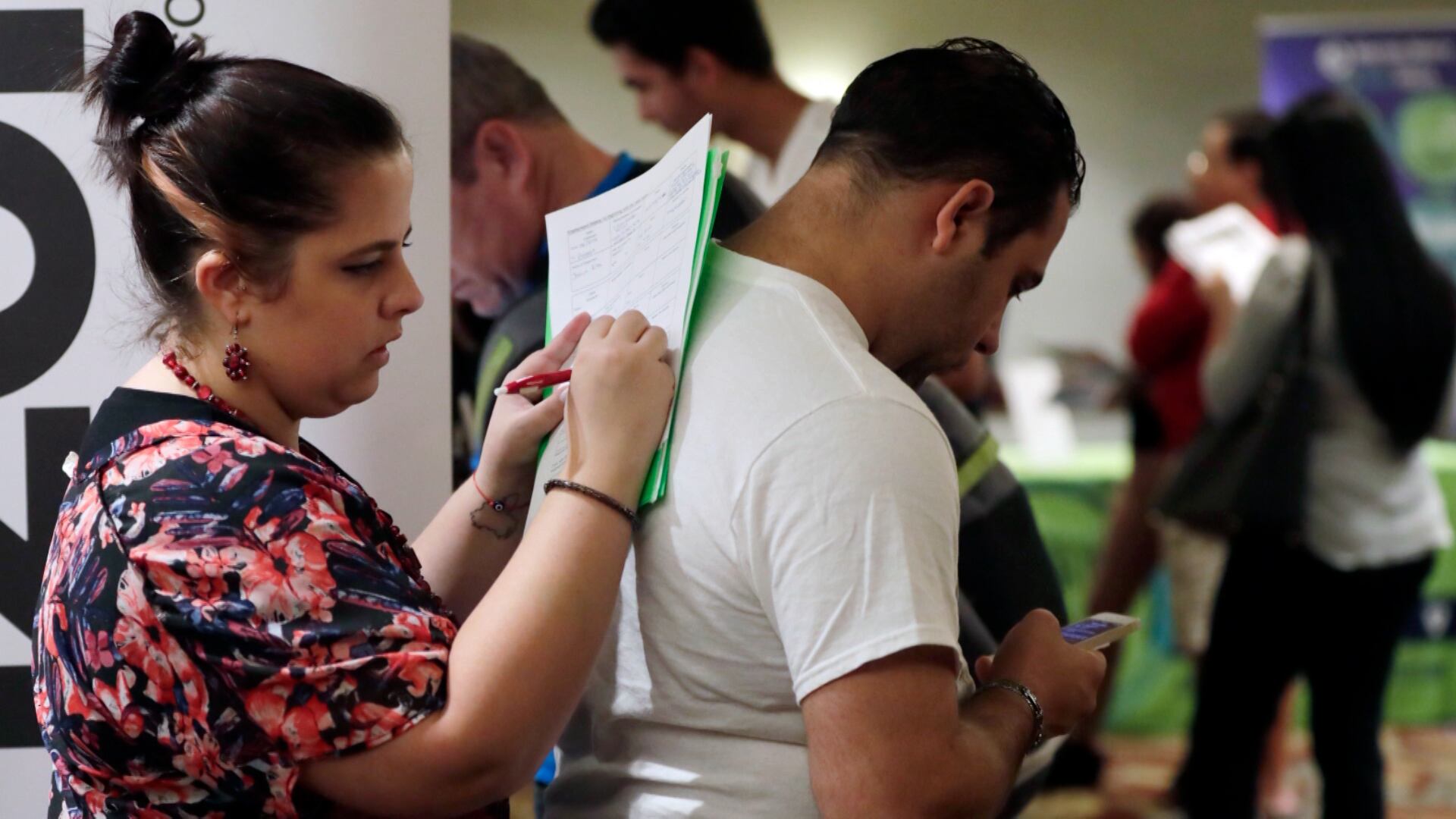
The Labor Department's January jobs report showed 467,000 jobs were added, compared to the 150,000 that were projected, a sign that employment is continuign to return to pre-pandemic levels. Lindsey Piegza, chief economist at investment bank Stifel, joined Cheddar to break down the report, noting the big gains but adding a note of caution. "Remember, even with this morning's stellar report, we're still millions below that level that we had reached prior to the onset of COVID-19," she said." Yes, we are recapturing jobs. We still have further ground that needs to be made before we can talk about reaching that previous peak." Piegza also discussed the role of the Federal Reserve going forward as the employment figures turn more positive.