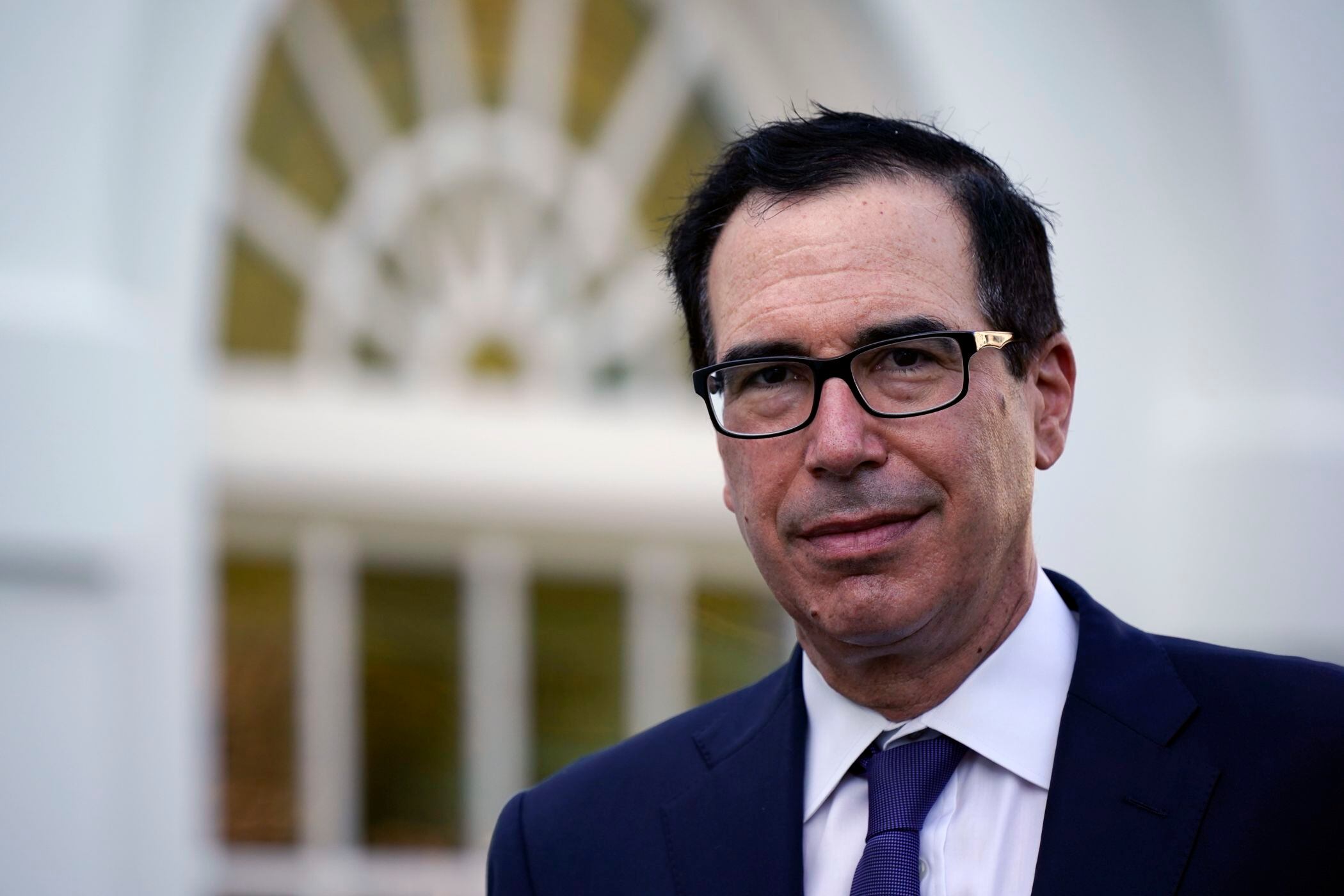
This Aug. 24, 2020 file photo shows Treasury Secretary Stephen Mnuchin at the White House in Washington. The U.S. government’s deficit in the first three months of the budget year was a record-breaking $572.9 billion. The Treasury Department reported Wednesday, Jan. 13, 2021 that with three months gone in the budget year, the deficit was $216.3 billion higher than the same October-December period a year ago. (AP Photo/J. Scott Applewhite, File)
By Martin Crutsinger
The U.S. government's deficit in the first three months of the budget year was a record-breaking $572.9 billion, 60.7% higher than the same period a year ago, as spending to deal with the COVID-19 pandemic surged while revenue declined.
The Treasury Department reported Wednesday that three months into the budget year, the deficit was $216.3 billion higher than the same October-December period a year ago.
The deficit reflects an 18.3% jump in outlays to $1.38 trillion, a record for the period, while revenues fell 0.4% to $803.37 billion. The red ink results from the difference between revenue collections and outlays.
For just the month of December, the deficit totaled a record $143.6 billion.
The shortfall for the 2020 budget year, which ended Sept. 30, climbed to an all-time high of $3.1 trillion. Beginning in the spring, Congress passed trillion-dollar-plus spending measures to combat the harm being done to the economy from a pandemic-induced downturn.
The recession, which has seen millions of Americans lose their jobs, has also meant a drop in tax revenues at a time when the demand on government support programs such as unemployment benefits and food stamps has risen.
The report showed that outlays in December were a record $489.7 billion, while receipts were $346.1 billion.
The spending figure did not include the $900 billion relief package Congress finally passed after months of wrangling because it was not signed into law until the end of the month. President Donald Trump delayed signing the bill, which he called a “disgrace,” because it included only $600 in direct payments to individuals.
President-elect Joe Biden has endorsed boosting the direct payments by another $1,400. He has said that higher amount will be included in another round of relief payments he will ask Congress to approve once he takes office on Jan. 20.
In addition to direct payments, the December relief bill extended two special unemployment benefit programs aimed at cushioning the pandemic’s blow. The unemployment benefits have totaled $80 billion from October through December, up from $5 billion during the same period in the last budget year.
The Congressional Budget Office has forecast that this year's deficit will total $1.8 trillion and the deficit will remain above $1 trillion each year though 2030. The CBO forecast for this year was made before the December relief package was passed and also does not take into account any extra spending that Congress may pass after Biden takes office.
Updated on January 13, 2021, at 3:28 p.m. ET with the latest information.
A Gallup poll finds that now 7.1% of American adults identify as LGBTQ, jumping from 3.5% in 2012. The increase is driven by Generation-Z – those born between 1997 and 2003 – of whom one out of five identify as LGBTQ. Cheddar News speaks with Washington Blade reporter Chris Johnson about the significant shift.
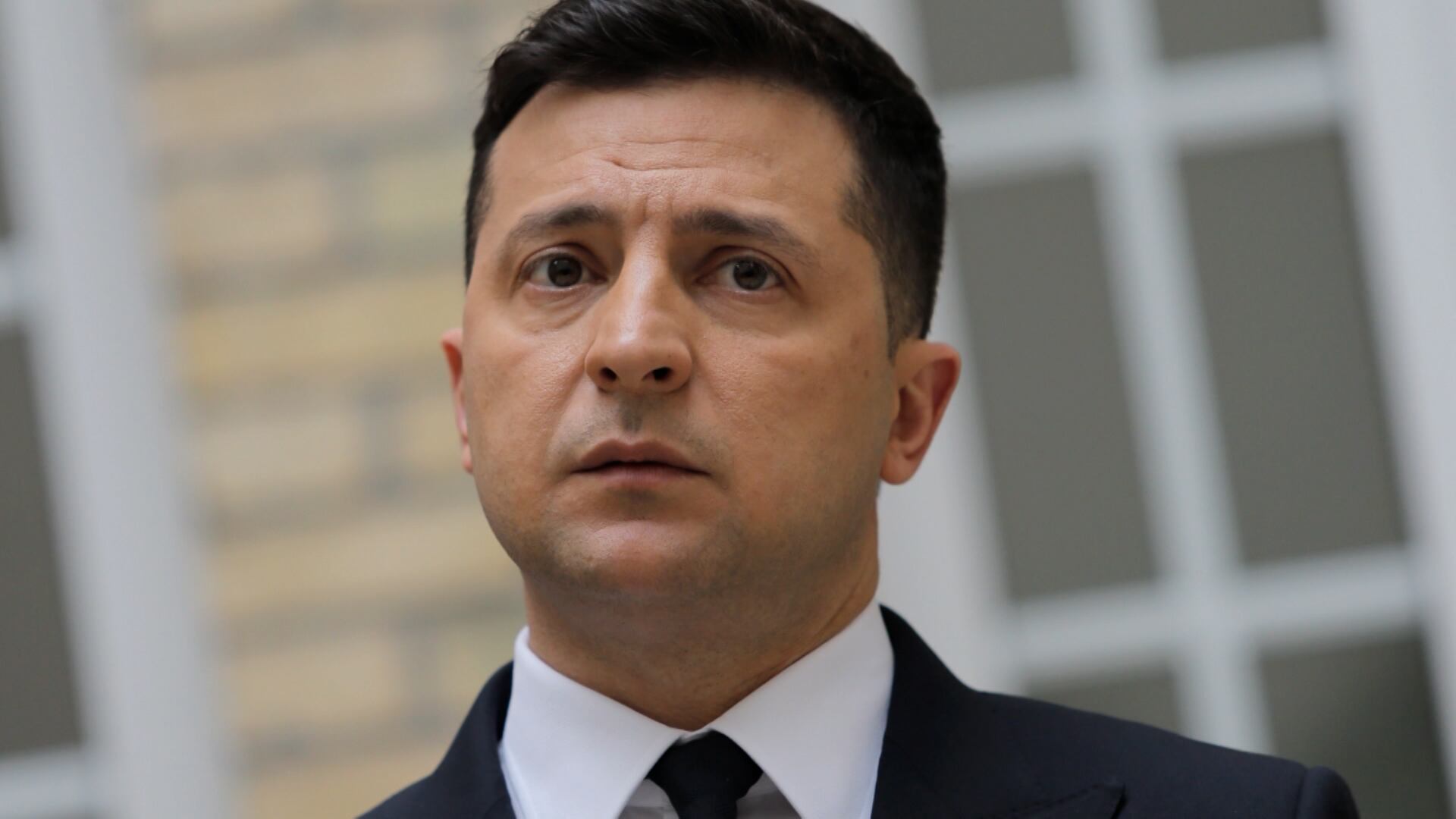
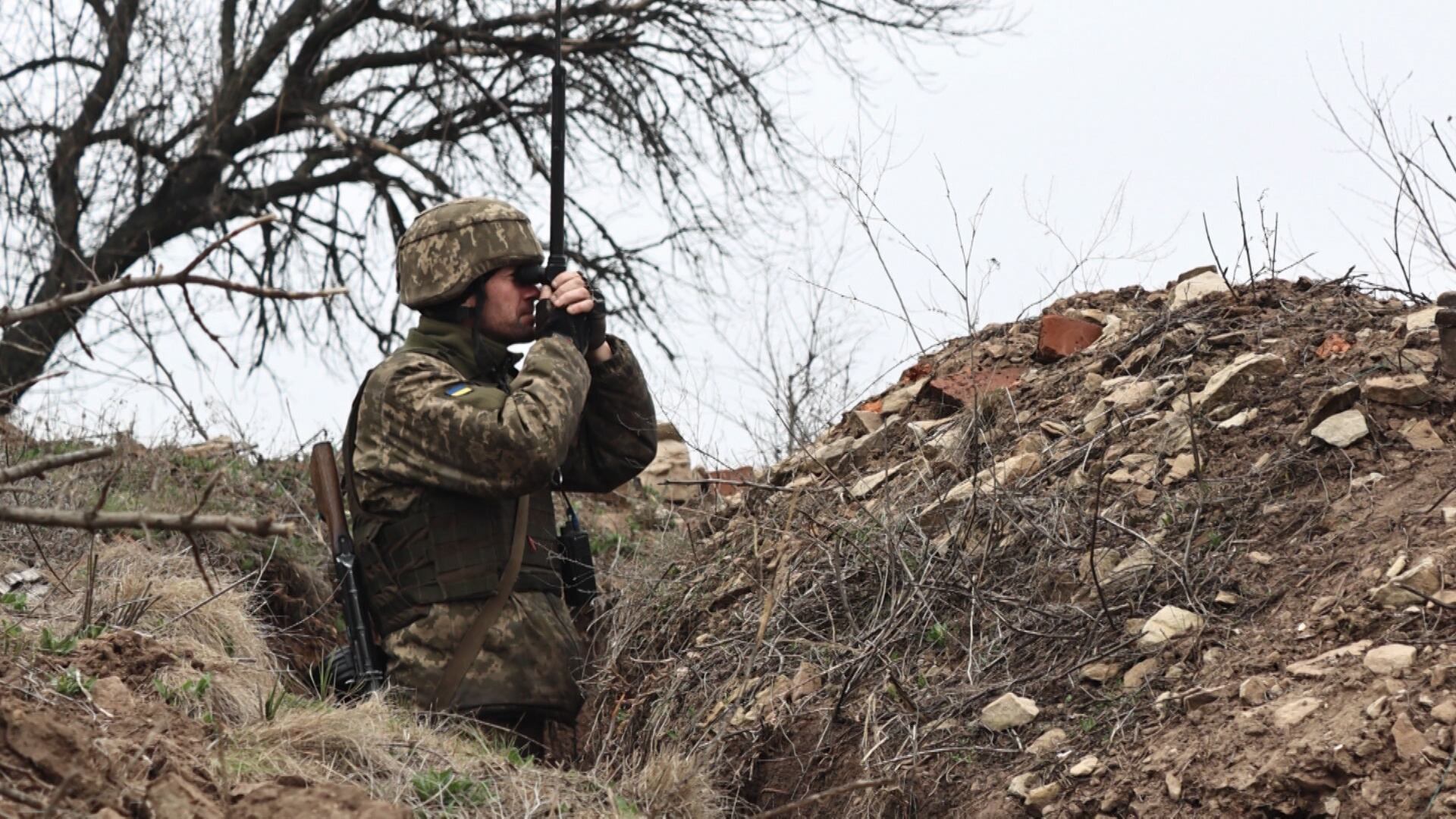
As the Biden administration continues to see the potential for an imminent invasion of Ukraine after contradictory reports of a Russian troop pullback or buildup, Rep. Ami Bera (D-Calif. 7th District), a member of the House Committee on Foreign Affairs, joined Cheddar News to give his insight into the tense situation. "When I was in Ukraine a couple of weeks ago and we were talking with the Ukrainian leadership with President Zelensky, they said we ought to approach Vladimir Putin as though he was a poker player," he said. "So this could be one of those head fakes where he's saying one thing and doing another thing."
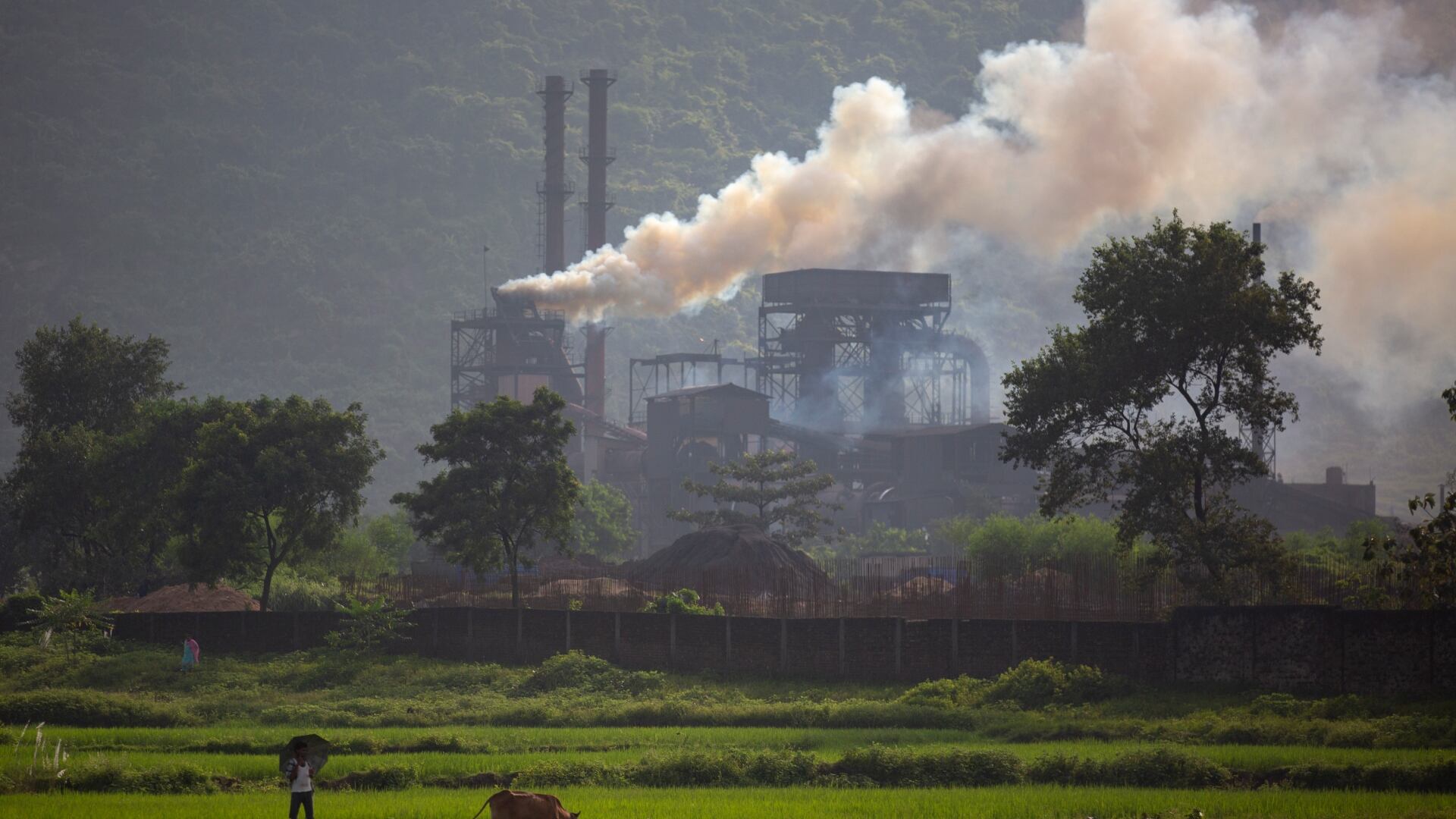
The Biden Administration has now issued new guidelines when it comes to carbon capture. The new guidelines handed down this week encouraged the widespread use of climate attacks that traps and stores carbon emissions. The goal here is the process would help keep carbon out of the atmosphere without requiring a whole lot of change by big companies and manufacturing plants. Several scientists say that this method would be crucial to help us decrease the use of carbon emissions by the year 2050. Professor of Civil and Environmental Engineering at Stanford University, Mark Jacobson, joined Cheddar to discuss more.
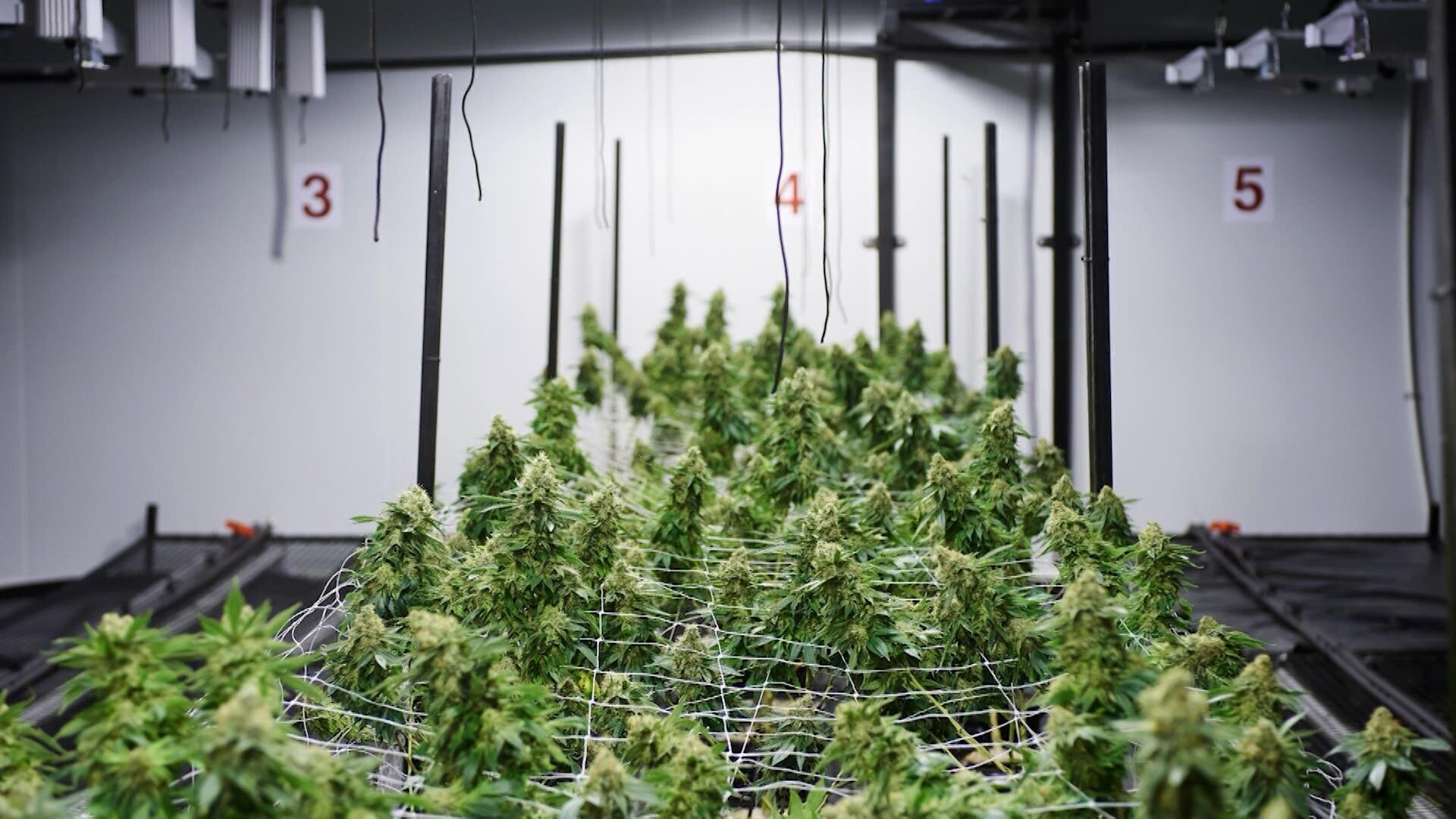
Natalie Fertig, federal cannabis policy reporter for Politico Pro, joins Cheddar News to discuss the latest in marijuana legalization in the United States.
The Biden administration is launching a new task force to promote the use of 'cleaner' construction materials with lower life cycle emissions. This comes as the White House works to speed up government purchases of greener products. Sweta Chakraborty, climate change expert and U.S. president of "We Don't Have Time," joins Cheddar News to discuss.
Due to the staffing shortages of teachers in New Mexico, the state has been encouraging its National Guard members to fill in as licensed substitutes to keep schools open. Kurt Steinhaus, New Mexico secretary of education, joined Cheddar News to explain the state's stopgap measure amid its lack of teaching professionals. "The first thing they have to go through a fingerprint background check, just like any other substitute new Mexico. The second thing they have to do is go through some online training, and then we provided some in-person professional development about classroom management," Steinhaus explained about the qualifications process.
With contradictory reports about Russian troops pulling back or being added to the border with Ukraine and the expulsion of a U.S. diplomat from Russia, tensions in the region appear to be escalating. Jack Detsch, a Pentagon and national security reporter for Foreign Policy, joined Cheddar News to break down the situation. "Certainly a different tone out of Moscow today and a different tone out of the West. Even as the Kremlin has made the case that troops are moving back, the U.S. is saying that is certainly not the case with the satellite imagery that we have pouring in," he said.
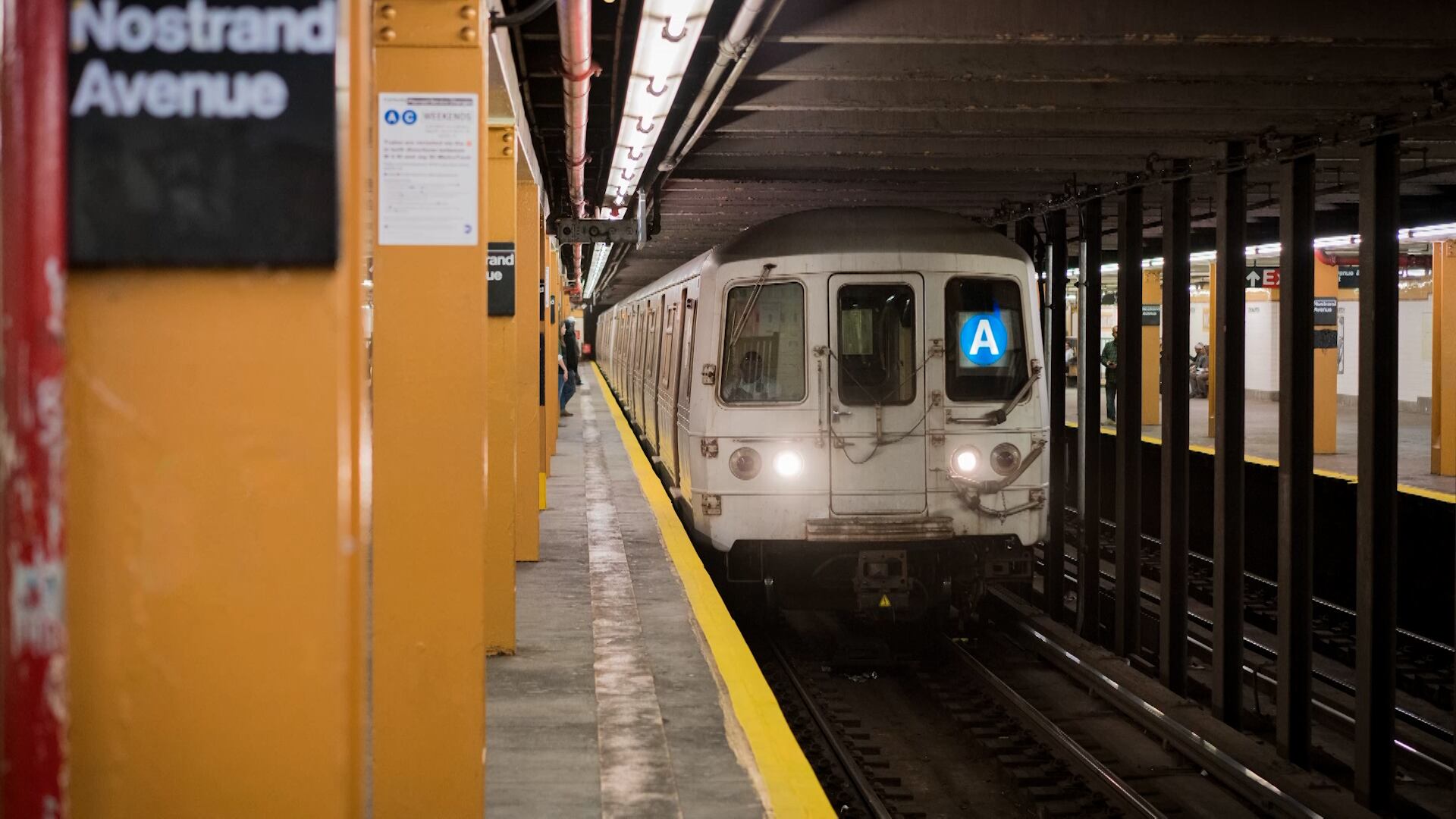
New York City's famous subway system is currently facing scrutiny after several recent attacks on platforms. Now, local leaders in the Big Apple are calling on the MTA. To step in and take action.