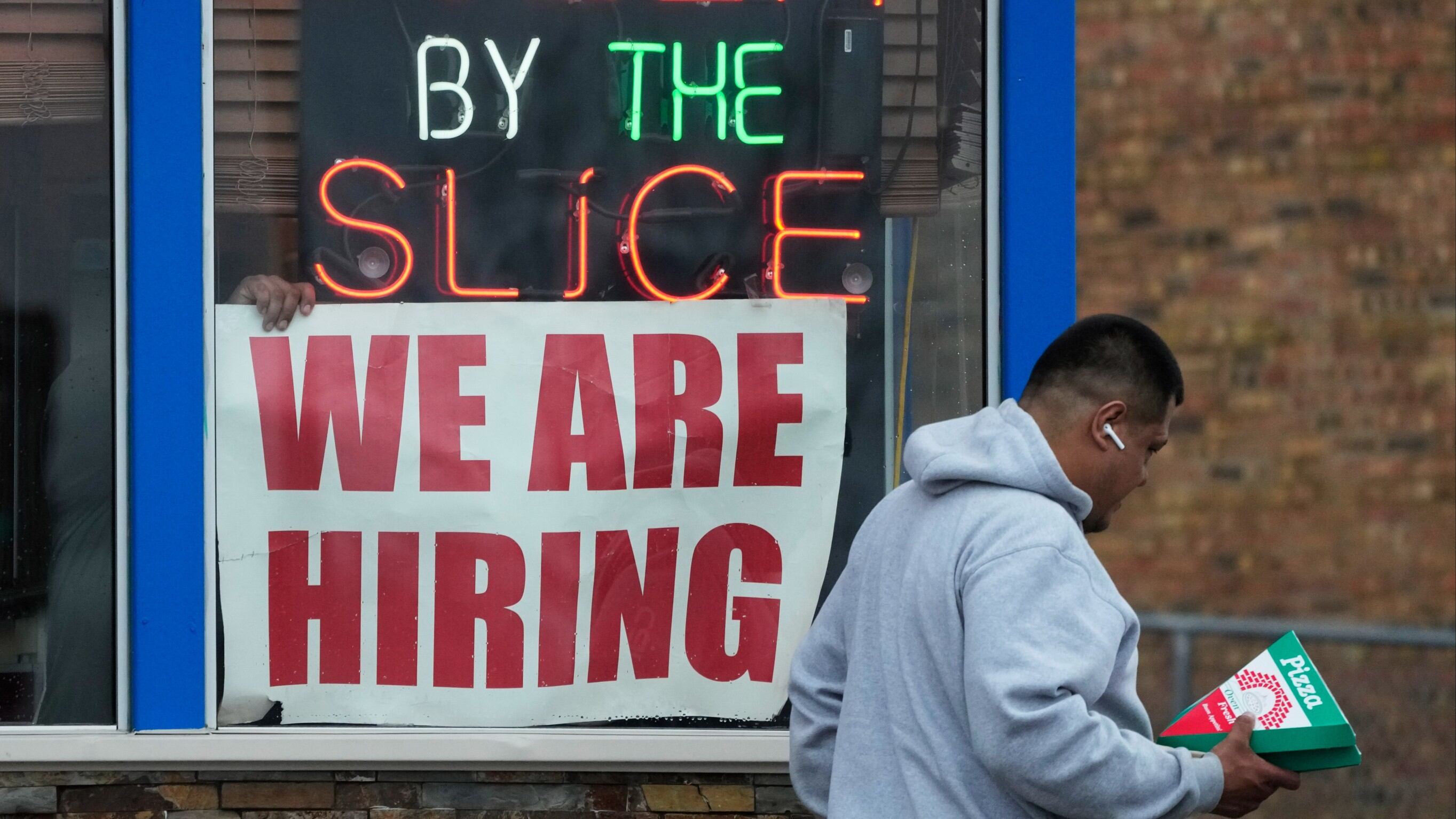
A hiring sign is displayed at a restaurant in Prospect Heights, Ill., on April 4, 2023. The hot jobs market has been defying a weakening economy and confounding the Federal Reserve for months, but now shows signs of cooling. The latest set of employment data from the government shows that job openings fell in March to their lowest level since April 2021. Layoffs rose to 1.8 million, their highest level since December 2020. (AP Photo/Nam Y. Huh, File)
By Matt Ott
The number of Americans applying for unemployment benefits last week rose to its highest level since October 2021, but the labor market remains one of the healthiest parts of the U.S. economy.
The Labor Department reported Thursday that U.S. applications for jobless claims were 261,000 for the week ending June 3, an increase of 28,000 from the previous week's 233,000. Weekly jobless claims are considered representative of U.S. layoffs.
The four-week moving average of claims, which evens out some of the weekly variations, rose by 7,500 to 237,250.
Despite last week’s sharp increase in filings for unemployment aid, some analysts cautioned against concluding that layoffs are picking up across the economy. They noted that the weekly figures are prone to revision and that last week’s numbers might have been distorted by the three-day Memorial Day weekend.
“The latest reading reflects a holiday-shortened week (Memorial Day), which ought to raise suspicions that the big move was more noise than signal,” said Stephen Stanley, chief U.S. economist for Santander. “I am eager to see next week’s reading before I draw any conclusions.”
The U.S. economy has added jobs at a furious rate since the pandemic purge of more than 20 million jobs in the spring of 2020. Americans have enjoyed unusual job security, despite the Federal Reserve's aggressive campaign to cool the economy and labor market in its bid to stifle persistent, decades-high inflation.
In early May, the Fed raised its benchmark lending rate for the 10th time in a row. There have been scattered signs that the Fed’s actions are working, but broadly, the job market continues to favor workers.
U.S. employers added a robust 339,000 jobs last month, well above expectations. Last week’s report painted a mostly encouraging picture of the job market but there were some mixed messages. Notably, the unemployment rate rose to 3.7%, from a five-decade low of 3.4% in April, the highest unemployment rate since October.
In April, employers posted 10.1 million job openings, up from 9.7 million in March and the most since January. Economists had expected vacancies to slip below 9.5 million.
Those reports, along with the jobless claims numbers, could help sway Fed officials one way or the other with regard to its next rate hike move. Most economists are predicting that the Fed will pause its rate hikes at its meeting next week, though the strong labor market could convince the central bank to stay the course with another small quarter-point increase.
The U.S. economy grew at a lackluster 1.3% annual rate from January through March as businesses wary of an economic slowdown trimmed their inventories. That’s a slight upgrade from its initial growth estimate of 1.1%.
Though the labor market remains strong, there have been notable high-profile layoffs recently, mostly in the technology sector, where many companies now acknowledge overhiring during the pandemic. IBM, Microsoft, Salesforce, Twitter, Lyft, LinkedIn, Spotify and DoorDash have all announced layoffs in recent months. Amazon and Facebook parent Meta have each announced two sets of job cuts since November.
Outside the tech sector, McDonald’s, Morgan Stanley and 3M also recently announced layoffs.
Overall, 1.76 million people were collecting unemployment benefits the week that ended May 27, about 37,000 fewer than the previous week.
After three straight days of gains, investors were skittish Thursday ahead of key inflation data out Friday. Markets are expecting consumer price index data to be higher than expected, with some economists expecting a number exceeding 7%. Chance Finucane, Chief Investment Officer at Oxbow Advisors joins Cheddar News' Closing Bell to discuss today's close, CPI predictions, the Fed's recent announcements about inflation and its taper timeline, Lululemon earnings, and more.
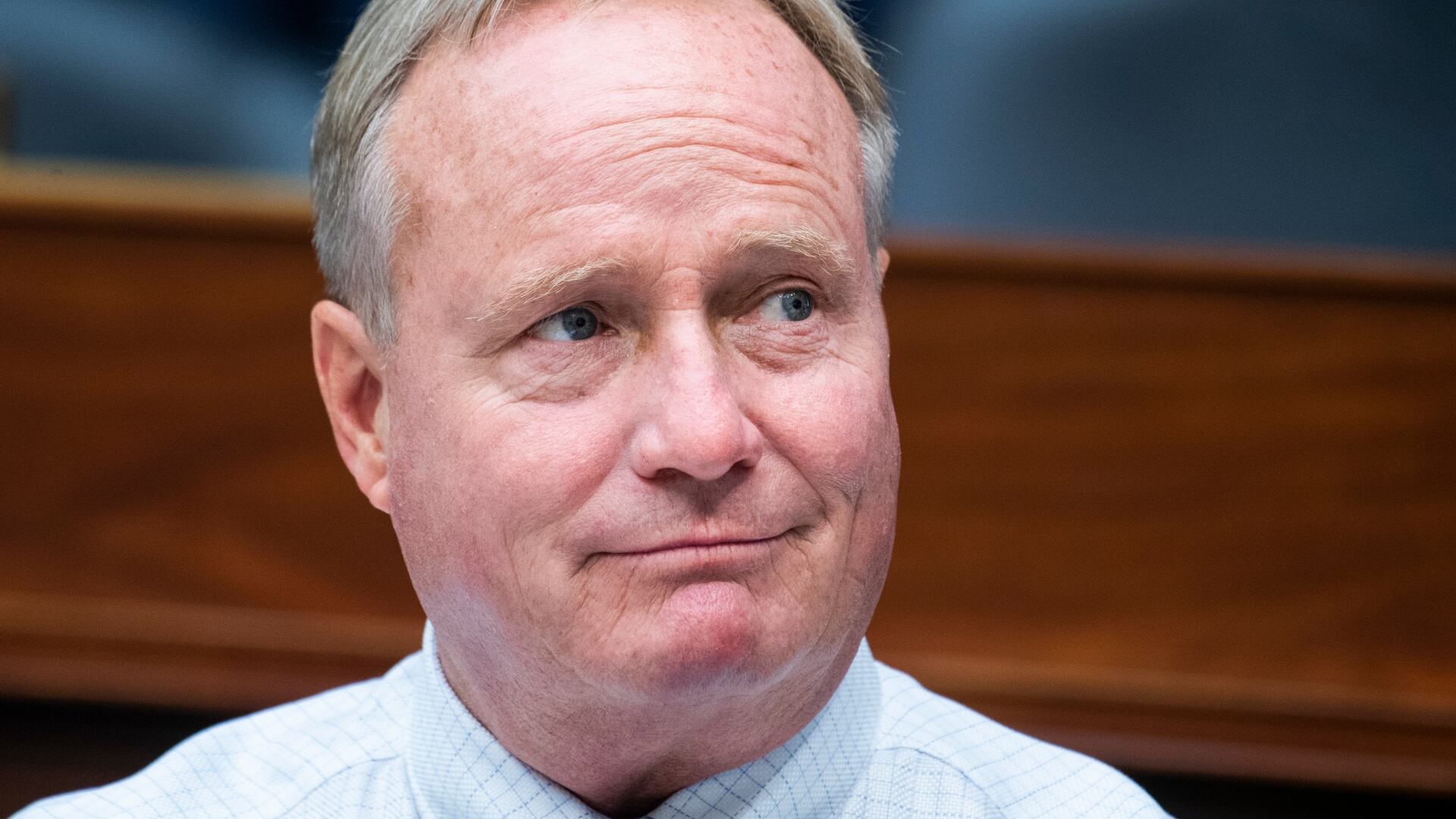
A new bill in Congress shows just how bipartisan cannabis really is. Rep. David Joyce, a Republican from Ohio, teamed up with progressive Rep. Alexandria Ocasio-Cortez on a cannabis expungement bill. Cheddar cannabis reporter Chloe Aiello spoke with the congressman about the legislation.
Rainmaker Games bills itself as a blockchain-based organization founded in the metaverse, built on a new type of gaming ecosystem called play-to-earn. The company announced a $6.5 million seed round after it was founded just this year. Rainmaker Games CEO and founder Will Deane joins Cheddar News' Closing Bell to discuss.
Analysts are all-in on tech giant Apple, issuing bullish ratings this week and calling it a 'safety blanket' and one of the best assets for investors in 2022. This comes as Apple edges closer to a $3 trillion market cap. Mario Stefanidis, Vice President at Roundhill Investments, joins Cheddar News' Closing Bell to discuss why analysts are bullish on the tech giant, how close the company is to hitting a $3 trillion market cap, and more.
Planet made its public debut on December 8, ringing the opening bell at the NYSE in honor of the occasion. With more than 200 satellites in orbit, the company operates the world's largest constellation of satellites, providing daily scans of the entire earth. This helps with everything from agriculture companies monitoring fields and crop health, to FEMA's disaster response, to marine protection programs. Will Marshall, co-founder and CEO of Planet, explains how this milestone will allow the company fulfill its mission of using space to help life here on Earth.
Lindsey Roeschke, travel and hospitality analyst at Morning Consult, breaks down how COVID-19 is impacting the travel sector and what the future of the industry looks like.
North Carolina is transitioning into an electric vehicle manufacturing hub, as Toyota plans to build its first North American lithium-ion battery plant. Machelle Baker Sanders, secretary of commerce for North Carolina, joined Cheddar to discuss the influx of tech-heavy businesses and what Toyota's 1,750 jobs mean for North Carolina's economy. Sanders said the carmaking giant's $1.29 billion project was contingent on it committing to align with the state's own climate goals for a greener future.
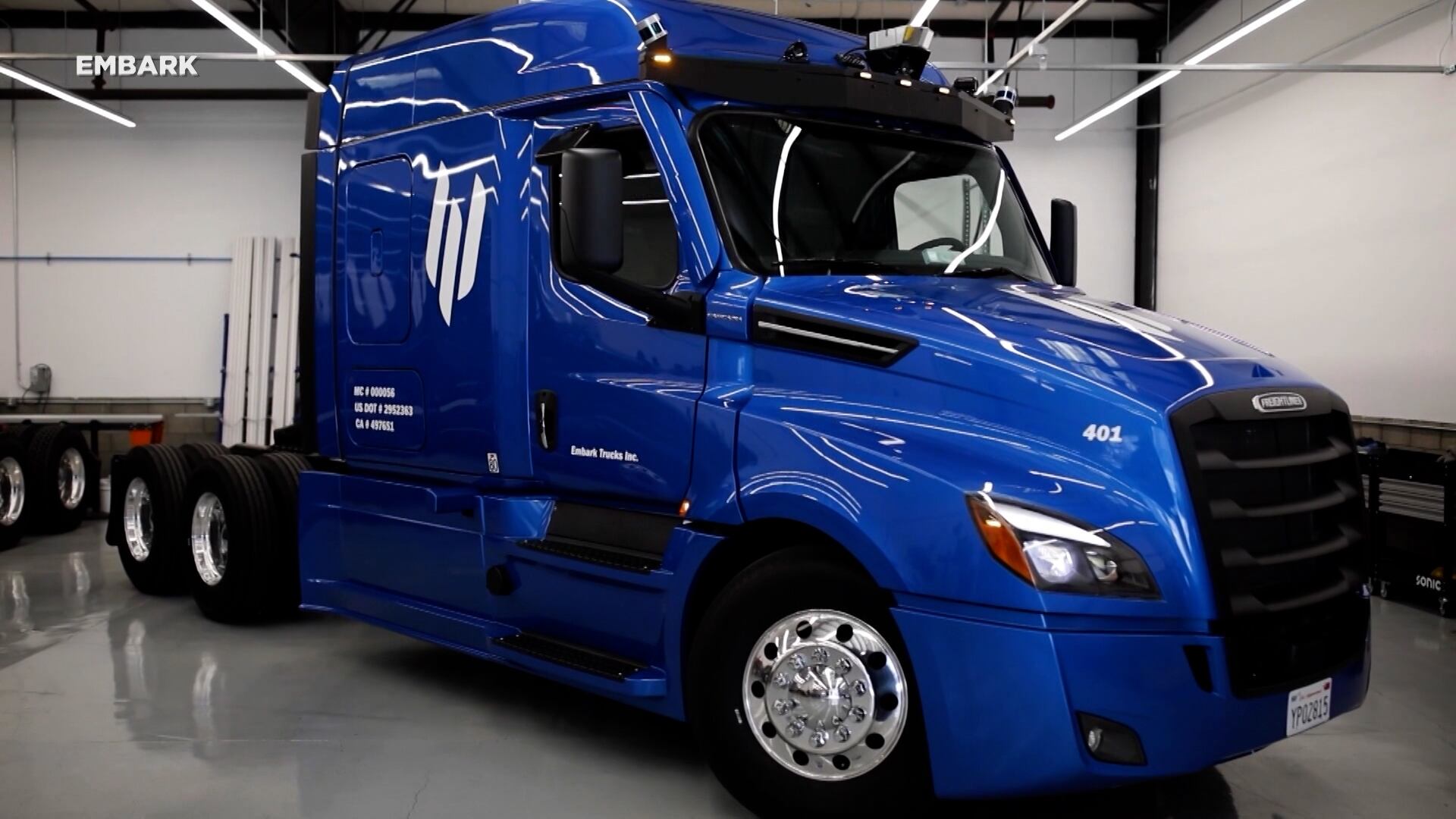
Just weeks after launching its IPO, Embark Trucks is looking to take trucking to the next level by establishing an autonomous truck lane between Houston and San Antonio, Texas. CEO Alex Rodrigues joined Cheddar's "Closing Bell" to talk about the company's expansion into the Lone Star State and the efforts taken to make the driverless vehicles safe for the shipping corridor. "I think the biggest thing you'll notice as a person driving on the road is that they're going to be a little bit more patient, a little bit more law-abiding because they don't have to get there under the same kind of time pressure," he said. "They don't have the hours of service limitations." He also explained that the lane itself isn't a segregated road but a digital route on an existing roadway for the vehicles to follow.