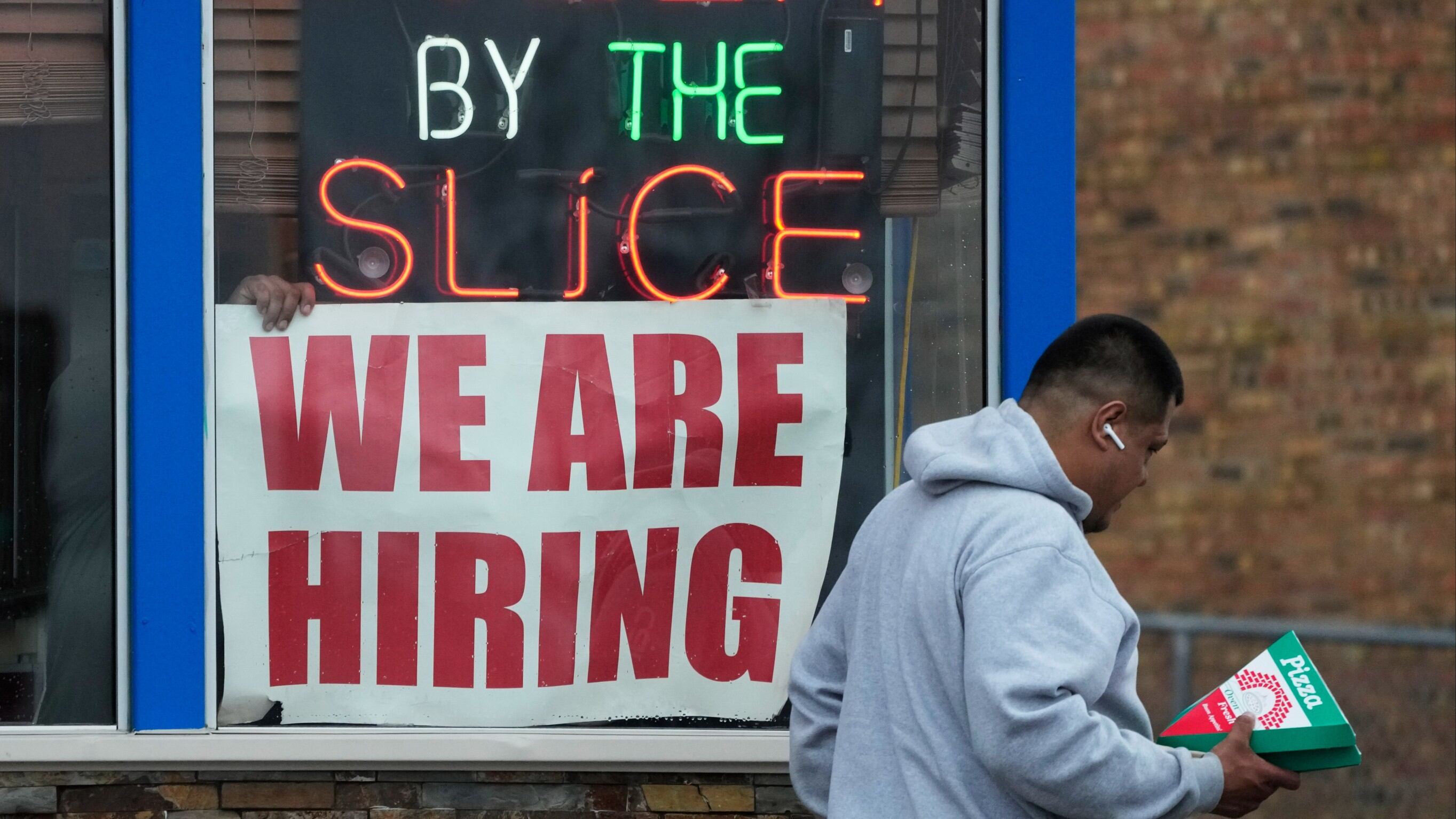
A hiring sign is displayed at a restaurant in Prospect Heights, Ill., on April 4, 2023. The hot jobs market has been defying a weakening economy and confounding the Federal Reserve for months, but now shows signs of cooling. The latest set of employment data from the government shows that job openings fell in March to their lowest level since April 2021. Layoffs rose to 1.8 million, their highest level since December 2020. (AP Photo/Nam Y. Huh, File)
By Matt Ott
The number of Americans applying for unemployment benefits last week rose to its highest level since October 2021, but the labor market remains one of the healthiest parts of the U.S. economy.
The Labor Department reported Thursday that U.S. applications for jobless claims were 261,000 for the week ending June 3, an increase of 28,000 from the previous week's 233,000. Weekly jobless claims are considered representative of U.S. layoffs.
The four-week moving average of claims, which evens out some of the weekly variations, rose by 7,500 to 237,250.
Despite last week’s sharp increase in filings for unemployment aid, some analysts cautioned against concluding that layoffs are picking up across the economy. They noted that the weekly figures are prone to revision and that last week’s numbers might have been distorted by the three-day Memorial Day weekend.
“The latest reading reflects a holiday-shortened week (Memorial Day), which ought to raise suspicions that the big move was more noise than signal,” said Stephen Stanley, chief U.S. economist for Santander. “I am eager to see next week’s reading before I draw any conclusions.”
The U.S. economy has added jobs at a furious rate since the pandemic purge of more than 20 million jobs in the spring of 2020. Americans have enjoyed unusual job security, despite the Federal Reserve's aggressive campaign to cool the economy and labor market in its bid to stifle persistent, decades-high inflation.
In early May, the Fed raised its benchmark lending rate for the 10th time in a row. There have been scattered signs that the Fed’s actions are working, but broadly, the job market continues to favor workers.
U.S. employers added a robust 339,000 jobs last month, well above expectations. Last week’s report painted a mostly encouraging picture of the job market but there were some mixed messages. Notably, the unemployment rate rose to 3.7%, from a five-decade low of 3.4% in April, the highest unemployment rate since October.
In April, employers posted 10.1 million job openings, up from 9.7 million in March and the most since January. Economists had expected vacancies to slip below 9.5 million.
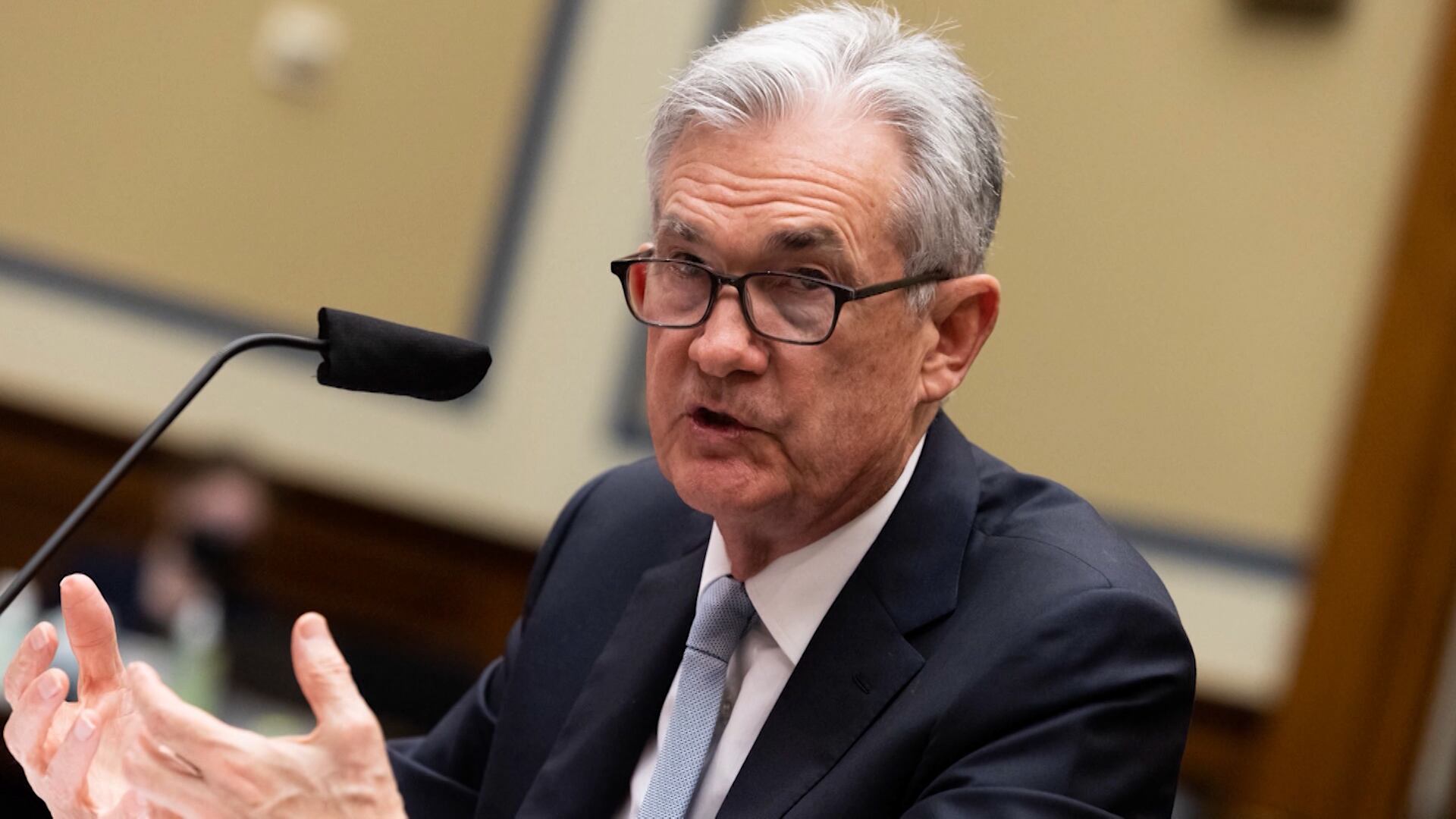
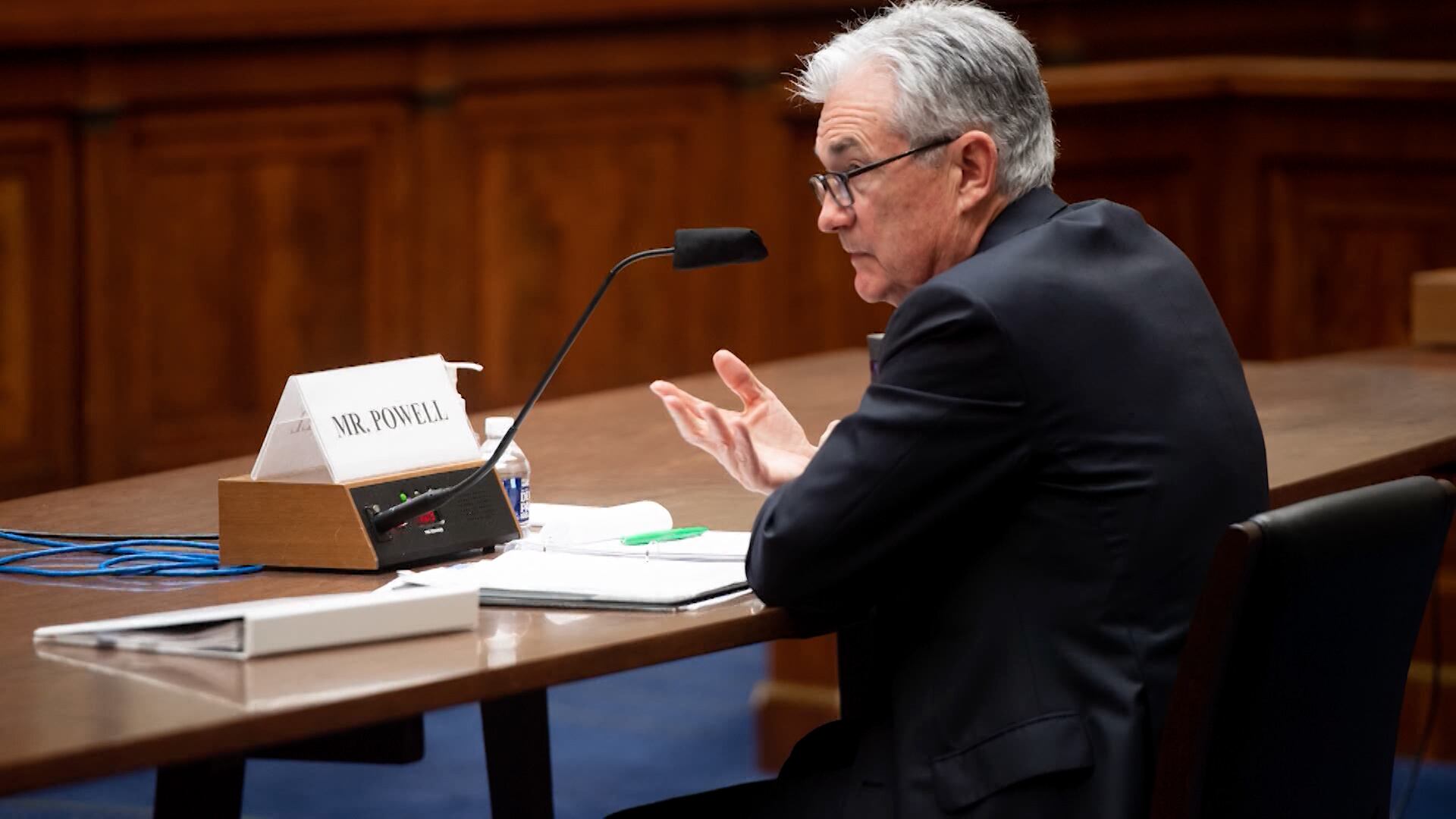
Those reports, along with the jobless claims numbers, could help sway Fed officials one way or the other with regard to its next rate hike move. Most economists are predicting that the Fed will pause its rate hikes at its meeting next week, though the strong labor market could convince the central bank to stay the course with another small quarter-point increase.
The U.S. economy grew at a lackluster 1.3% annual rate from January through March as businesses wary of an economic slowdown trimmed their inventories. That’s a slight upgrade from its initial growth estimate of 1.1%.
Though the labor market remains strong, there have been notable high-profile layoffs recently, mostly in the technology sector, where many companies now acknowledge overhiring during the pandemic. IBM, Microsoft, Salesforce, Twitter, Lyft, LinkedIn, Spotify and DoorDash have all announced layoffs in recent months. Amazon and Facebook parent Meta have each announced two sets of job cuts since November.
Outside the tech sector, McDonald’s, Morgan Stanley and 3M also recently announced layoffs.
Overall, 1.76 million people were collecting unemployment benefits the week that ended May 27, about 37,000 fewer than the previous week.
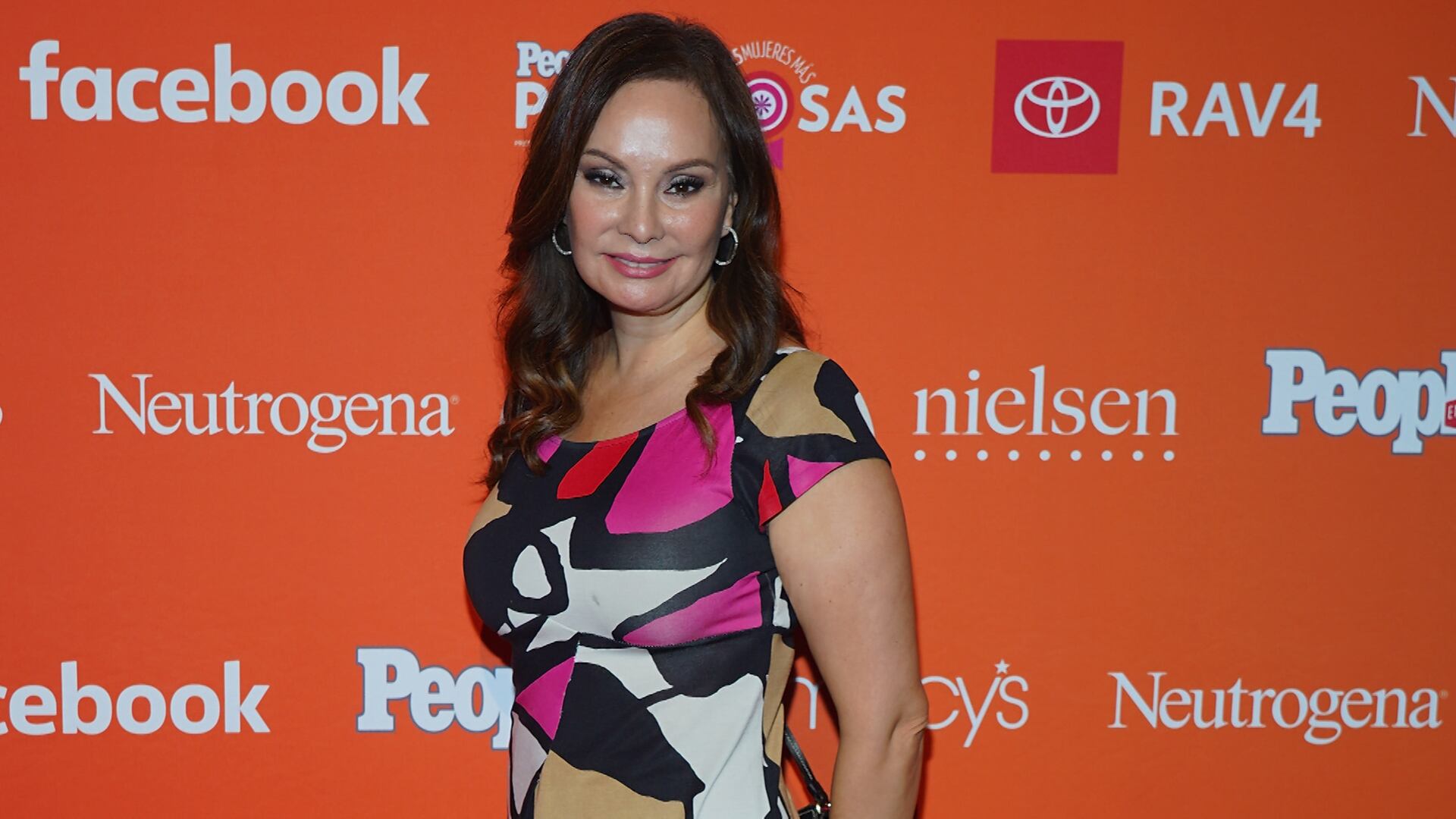
'Unicorn Hunters' gives business owners the potential of reaching a billion-dollar valuation, but before they can get the capital they have to impress the 'Circle of Money.' Rosie Rios, former U.S. Treasurer and co-host of 'Unicorn Hunters,' joins Cheddar News to talk more about the show.
Stocks closed lower Thursday, with the Nasdaq falling close to 2.5% for its worst day since September. Tech stocks dragged on the index, which is down nearly 3% for the week. Investors are continuing to respond to the Federal Reserve's taper timeline and interest rate announcement, as well as keeping an eye on the COVID-19 omicron variant as cases spike in major metropolitan areas like New York. David Sadkin, president and partner at Bel Air Investment Advisors, joins Cheddar News' Closing Bell to discuss.
There's a new ETF designed to offer investors exposure to 'meme stocks.' Roundhill Investments launched it earlier this month and says the ETF is the first that is explicitly designed to track the performance of meme stocks. Roundhill Investments Vice President of Research Mario Stefanidis joins Cheddar News' Closing Bell to discuss.
Jared Madfes, Partner at Tribe Capital, joins Cheddar's Closing Bell, where he says crypto investors should continue to focus on the long-term despite the recent price boost in the hours following Wednesday's Fed decision.
Mobile bill payment application Papaya recently raised $50 million in a series B round led by Bessemer Venture Partners.
Papaya lets users take a photo of any bill, and the app's AI-powered 'bill understanding technology' pays the bill in seconds. The company says its goal is to help people spend more time on things that matter, by making bill-paying as painless and quick as possible. Papaya CEO and co-founder Patrick Kann joined Cheddar News' Closing Bell to discuss.
Markets jumped on the Federal Reserve's announcement it would speed up its tapering timeline and institute three rate hikes in 2022 — but that was before the COVID-19 omicron variant seemed to be a threat. This announcement also comes as it took the central bank a number of weeks to recognize that inflation does not seem to be transitory as consumers feel price pressure across the board. Bill Adams, senior economist at PNC, joins Cheddar News' Closing Bell to discuss the Fed's moves, how the ongoing pandemic could continue to impact the economy, the Fed's dual mandate, and more.
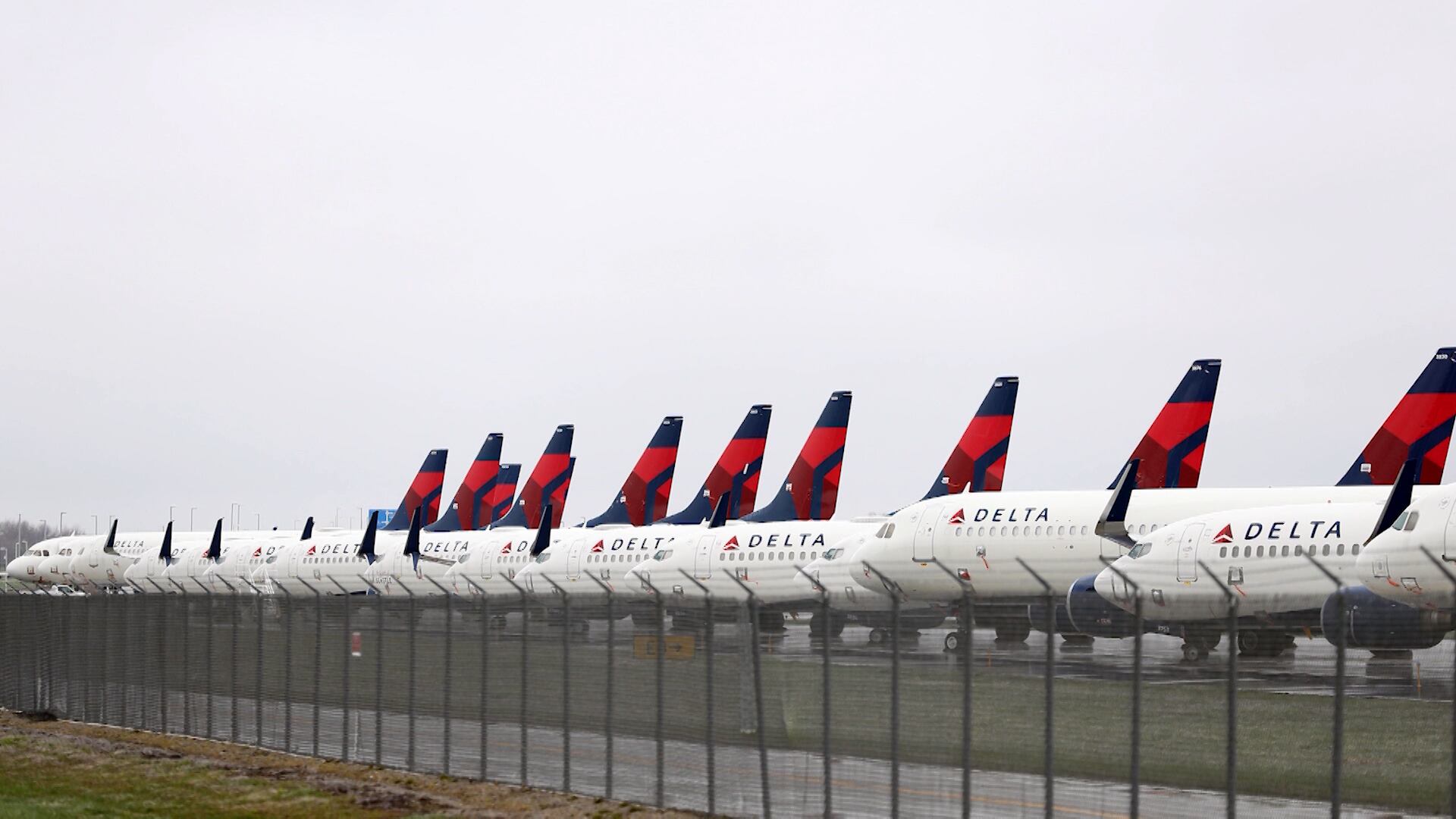
Delta Air Lines CFO Dan Janki joined Cheddar's Kristen Scholer to talk about the airline's 2022 outlook on its Capital Markets Day as the travel industry recovers from pandemic disruptions. The airline projects a return to profitability next year despite the emergence of the omicron variant during the peak holiday season. Janki said that there had been no impact on domestic travel as of yet, but the company is remaining vigilant for any change. He did note that there had been some international fallout as countries implemented travel restrictions.
Tom Shannon, Bowlero CEO, joined Cheddar to discuss the decision to bring the company to the New York Stock Exchange via a SPAC merger with Isos Acquisition Corporation. Shannon said one of the goals of the public offering is to expand operations internationally, noting that Bowlero has the potential to reach worldwide markets due to the sport's popularity. "Bowling is a global market, and I'll give you an example. In South Korea, there are three million league bowlers and 1,200 bowling centers in South Korea alone," he said.