Conversational artificial intelligence company Uniphore has raised $51 million in its most recent funding round, the latest step in the firm's plans to incorporate its tech throughout the customer service sector.
"Bringing AI into the call centers is one of the biggest disruptions that we're going to see in the next three to five years in the tech space," CEO Umesh Sachdev told Cheddar.
Sachdev claimed Uniphore's AI isn't intended to target call center jobs. A short question or after-hours call could be handled by a bot, he said, while a human call could handle more complex programs.
"This is an industry which has traditionally employed millions of people. Businesses look at this as a tremendous amount of cost in servicing customers, but also a way of differentiating customer experience," said Sachdev.
"The big point I'm making is that the consumer demands and expectations are shifting to be able to reach these brands either through bots or human beings," he said. "The choice shouldn't be with the enterprise. The choice should be with the consumer."
Sachev's company is one of a growing number of tech companies selling AI systems built for customer service, which include IBM and Google.
But there's growing concern that call center jobs could be outsourced to automation and artificial intelligence. For instance, the BBC reported last year that the British retail chain Marks & Spencer had transferred customer service calls for all 640 of its stores to an artificial intelligence-based system, moving its call center staff to other roles.
Sachdev asserted that "This is one where AI will have a major impact, but not one where it's going to have an impact on people losing their jobs."
He claimed that artificial intelligence can handle repetitive tasks, but that call center workers will transition to become "knowledge workers."
"We will quickly move to a point where the human beings who work in call centers — because of their native knowledge, because of their training or time — they will become knowledge workers," he said, saying that those individuals will take on roles that train and analyze the artificial intelligence systems that call centers might use.
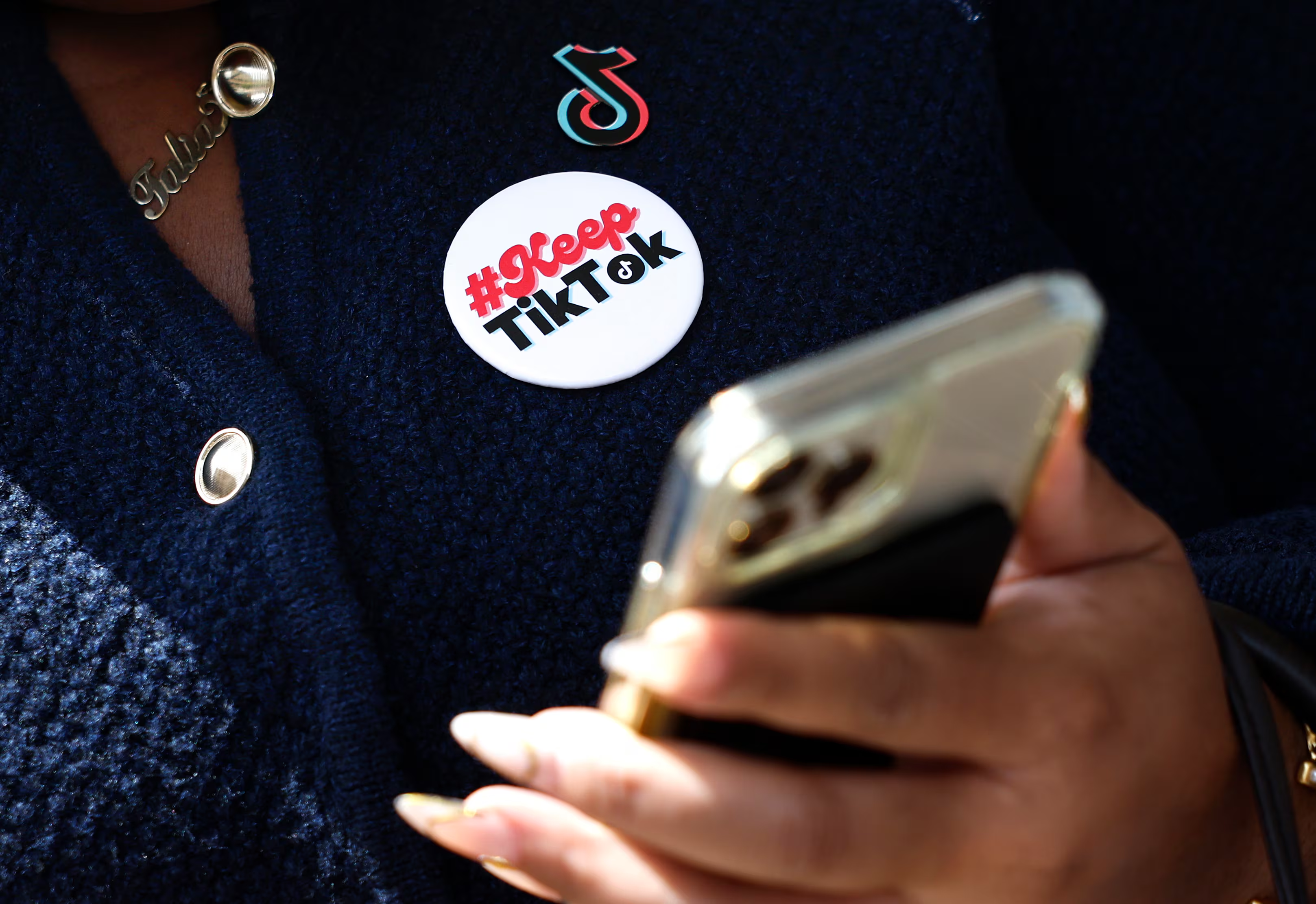
The social video platform's future remains in doubt, as players scramble to profit from the chaos. Plus: Big oil gets bigger, DOGE downsizes, and tariffs!
Ty Young, CEO of Ty J. Young Wealth Management, joins Cheddar to discuss Trump's moves as he returns to Washington D.C. and how it may affect the U.S. economy.
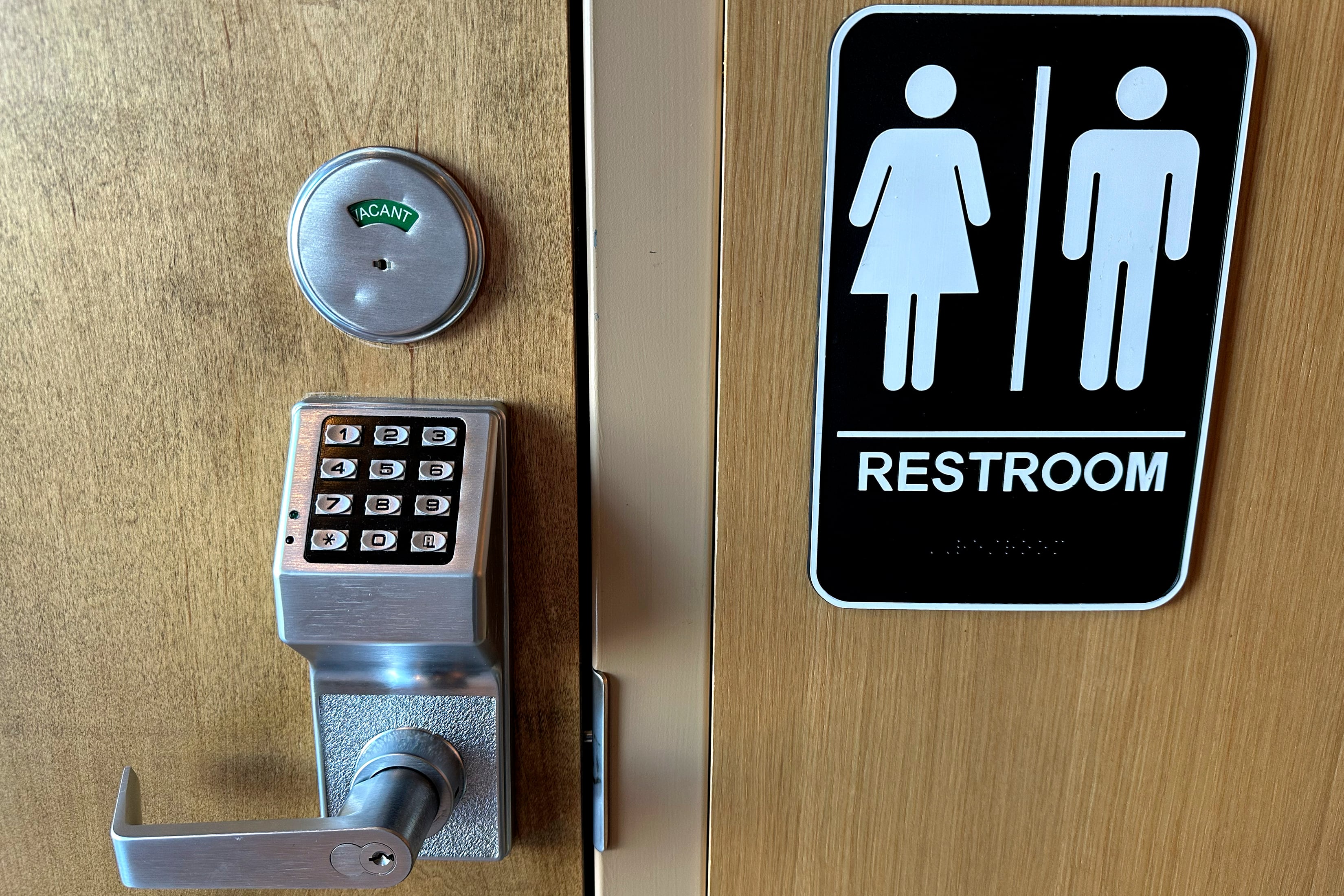
Starbucks’ decision to restrict its restrooms to paying customers has flushed out a wider problem: a patchwork of restroom use policies that varies by state and city. Starbucks announced last week a new code of conduct that says people need to make a purchase if they want to hang out or use the restroom. The coffee chain's policy change for bathroom privileges has left Americans confused and divided over who gets to go and when. The American Restroom Association, a public toilet advocacy group, was among the critics. Rules about restroom access in restaurants vary by state, city and county. The National Retail Federation says private businesses have a right to limit restroom use.
President Donald Trump is talking up a joint venture investing up to $500 billion for infrastructure tied to artificial intelligence by a new partnership formed by OpenAI, Oracle and SoftBank. The new entity, Stargate, will start building out data centers and the electricity generation needed for the further development of the fast-evolving AI in Texas, according to the White House. The initial investment is expected to be $100 billion and could reach five times that sum. While Trump has seized on similar announcements to show that his presidency is boosting the economy, there were already expectations of a massive buildout of data centers and electricity plants needed for the development of AI.
Chris Ruder, Spikeball Founder and CEO, explains how he and his friends put roundnet on the global map, plus, how Spikeball helps people "find their circle."
J.W. Roth, CEO of Venu Holding Corporation, discusses the company's IPO and plans to redefine live music entertainment with their fan founded, fan-owned model.
Variety's Clayton Davis discusses why more than just the 1% are struggling after the LA fires. Plus, how awards shows will pivot to help victims. Watch!