The UN Intergovernmental Panel on Climate Change (IPCC) has released a new report providing multiple options for how the world can survive and adapt to climate change.
"The climate time bomb is ticking," said U.N. Secretary-General António Guterres in a press release. "But today's IPCC report is a how-to guide to defuse the climate time bomb. It is a survival guide for humanity."
The IPCC's Synthesis Report is the most comprehensive document from the agency since the 2015 Paris Agreement and is intended to serve as a set of guidelines for governments around the world to keep warming within 1.5°C.
The agency stressed that carbon emissions have only increased since the agency established that temperature limit in 2018. Global temperatures are currently 1.1°C above pre-industrial levels, which the agency said has caused more frequent and intense extreme weather events around the world.
"Mainstreaming effective and equitable climate action will not only reduce losses and damages for nature and people, it will also provide wider benefits," said IPCC Chair Hoesung Lee. "This [report] underscores the urgency of taking more ambitious action and shows that, if we act now, we can still secure a liveable sustainable future for all."
The UN panel is calling for "climate resilient development" to reduce emissions and increased investment in developing clean energy sources and new transportation options that emphasize walking, cycling, and public transport.
"Transformational changes are more likely to succeed where there is trust, where everyone works together to prioritize risk reduction, and where benefits and burdens are shared equitably," Lee said. "We live in a diverse world in which everyone has different responsibilities and different opportunities to bring about change. Some can do a lot while others will need support to help them manage the change."
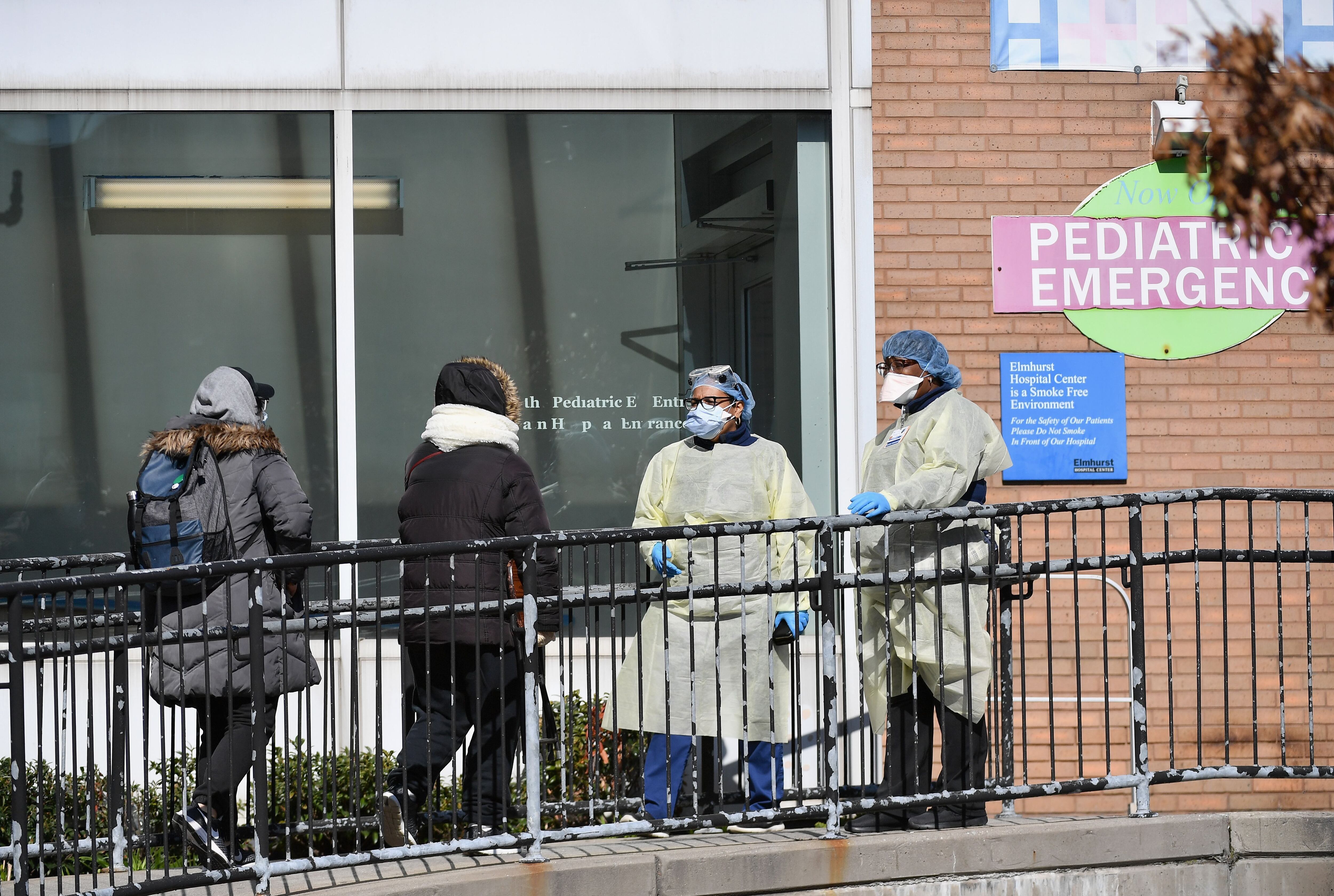
Healthcare workers have launched their own campaigns for gathering personal protective equipment as they fight the coronavirus on the frontlines, with #GetUsPPE trending across social media.
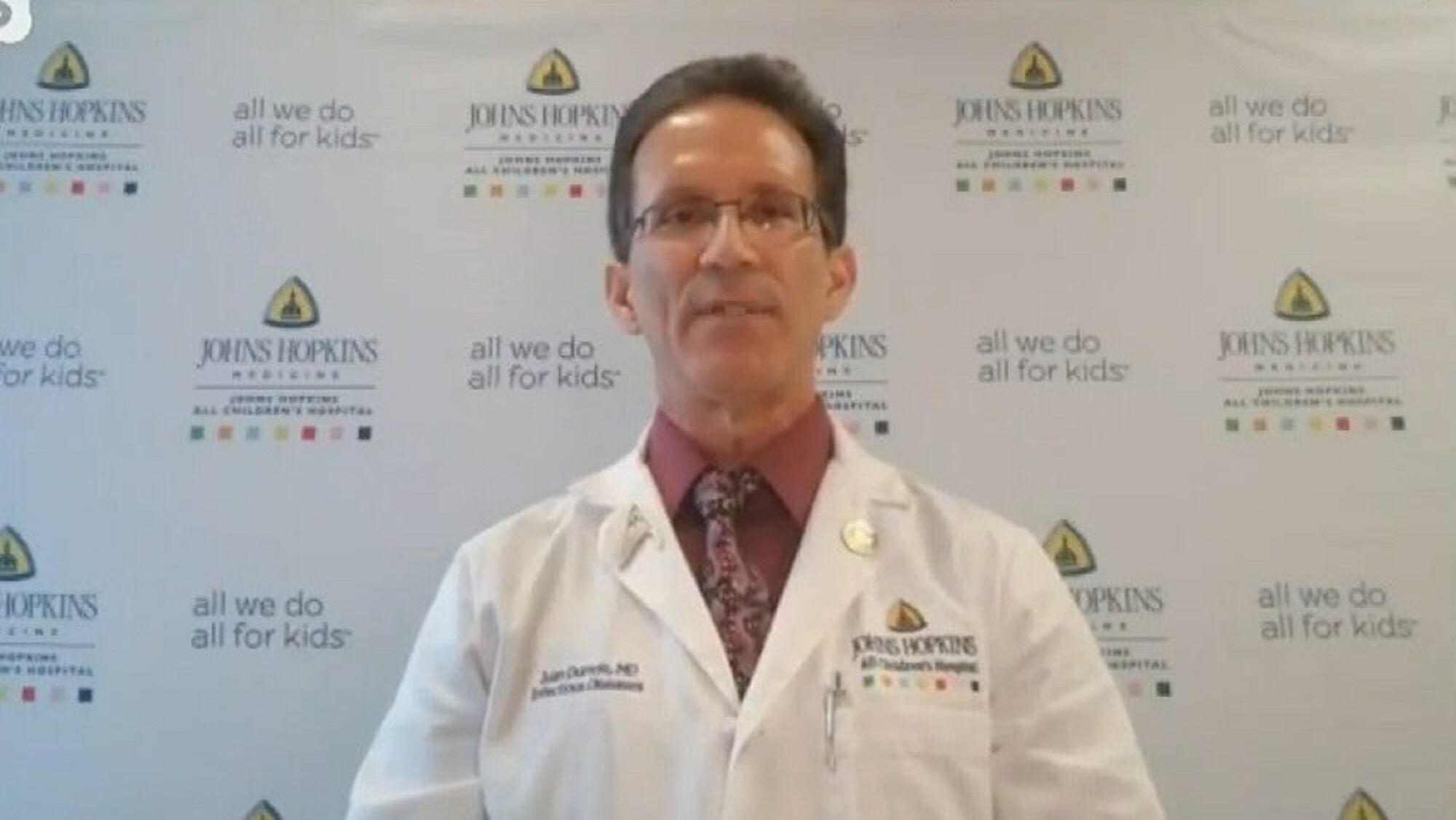
Despite President Donald Trump’s call to put the economy back to work by Easter, one Johns Hopkins physician says there may have to be “variability” in when states and cities restart their economies.
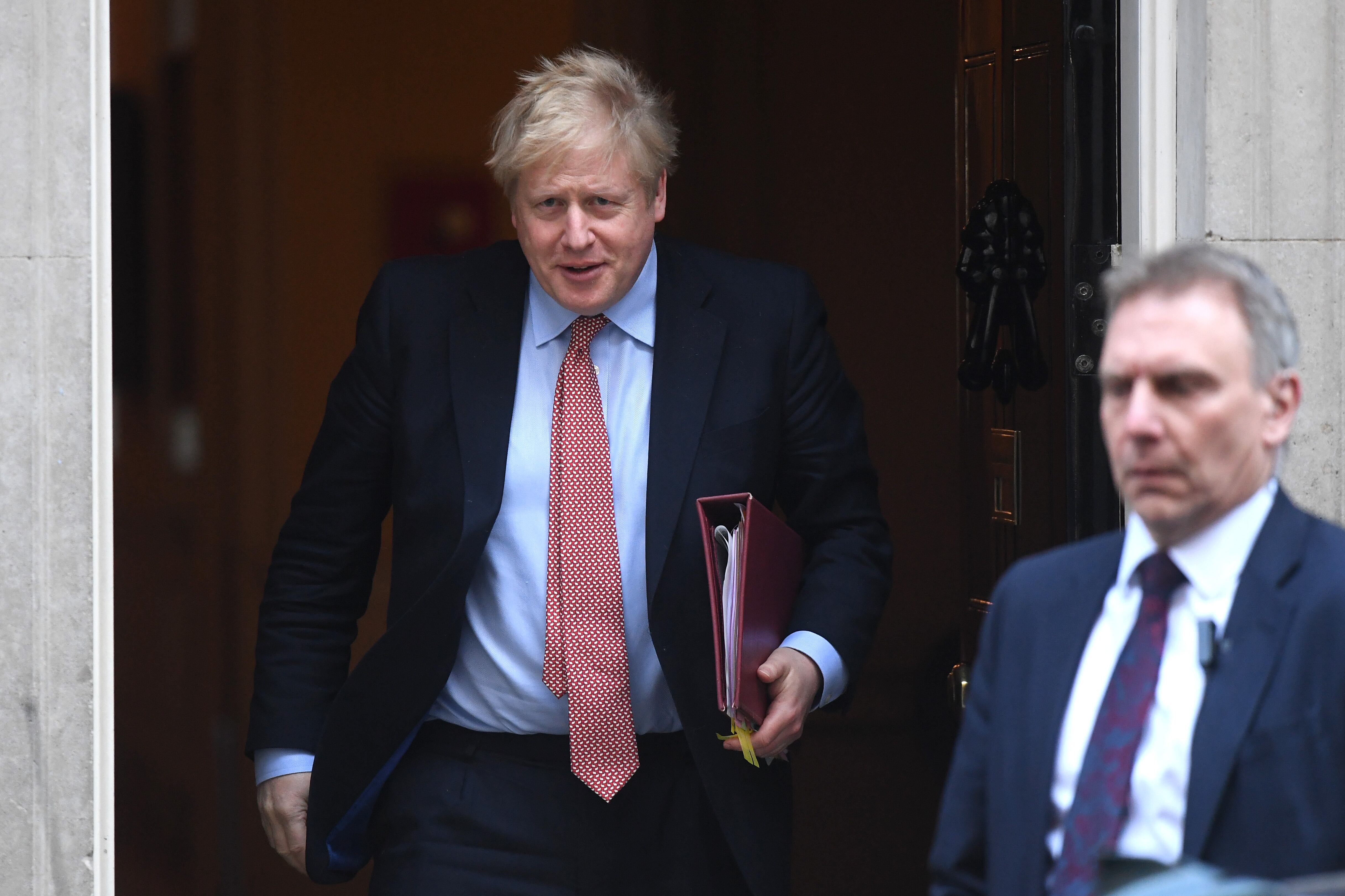
British Prime Minister Boris Johnson has tested positive for the new coronavirus, but remains in charge of the U.K.’s response to the outbreak.
Stocks are rising more than 3% early Thursday, putting the market on track for its first three-day rally in six weeks, even as the astonishing scale of the downturn slamming the economy because of the coronavirus becomes more apparent.
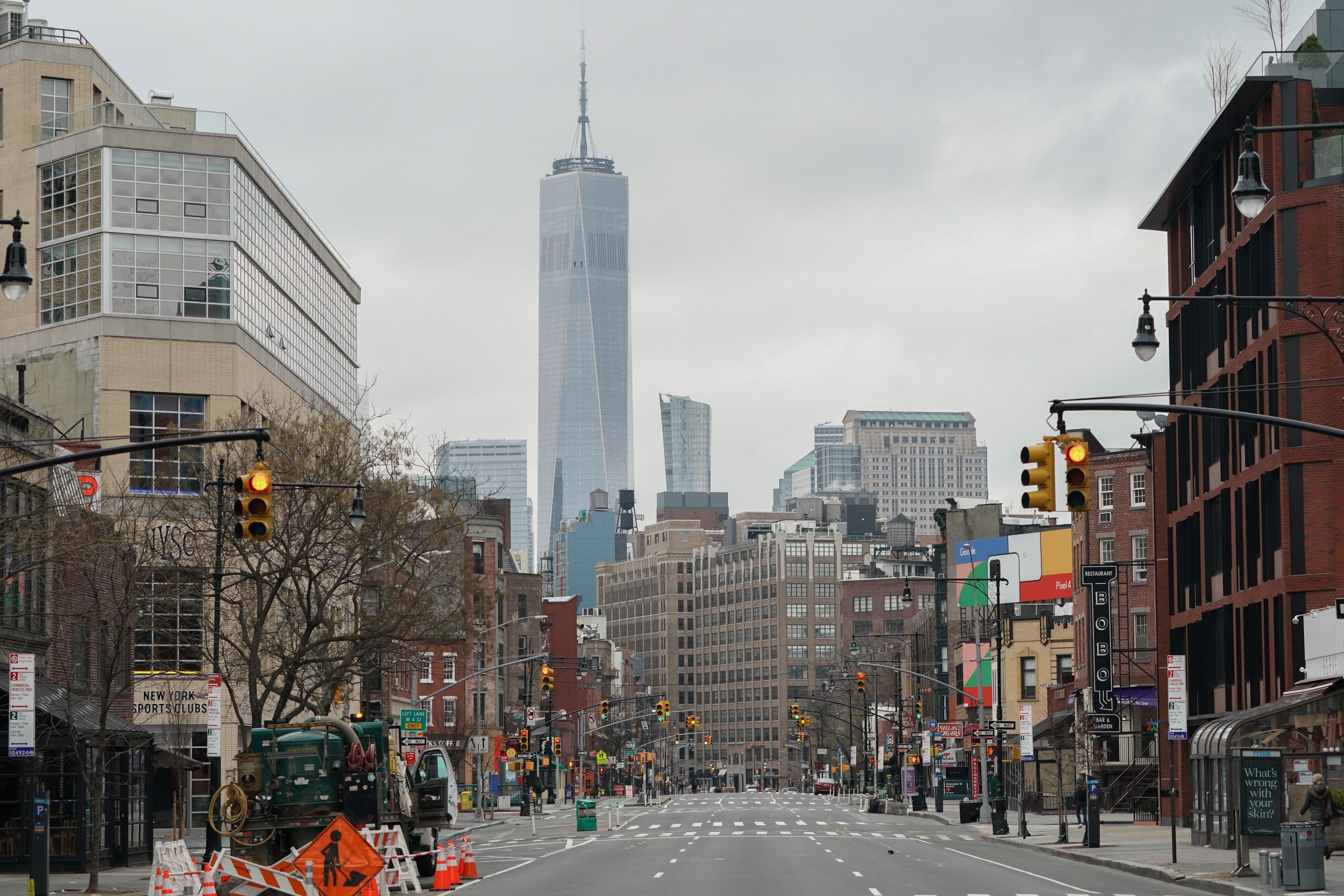
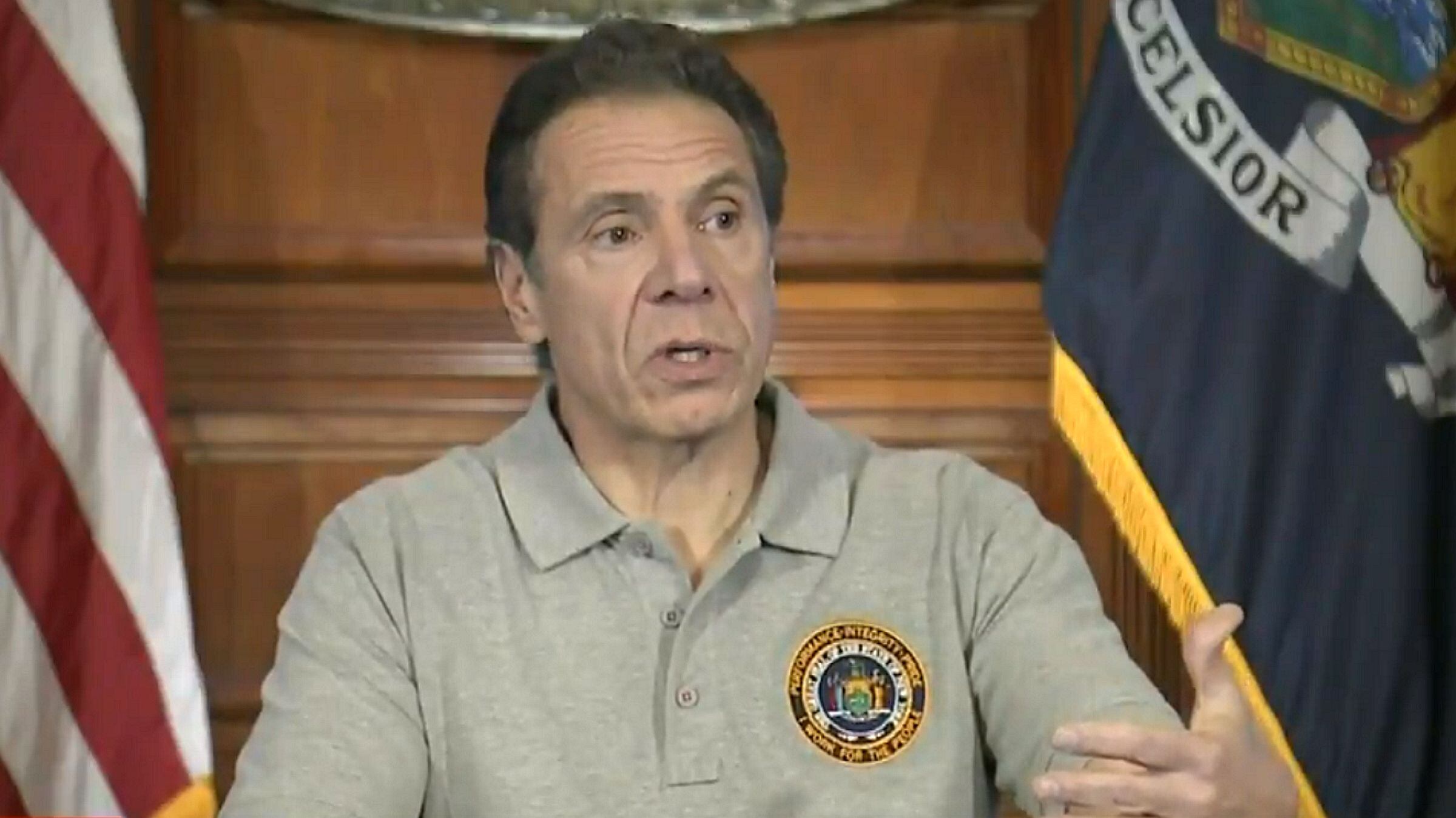
New York Governor Andrew Cuomo Wednesday afternoon said the greatest strain on the state’s health care system from the coronavirus could come in approximately 21 days, while also providing early indications about steps the state might eventually take to restart the economy.
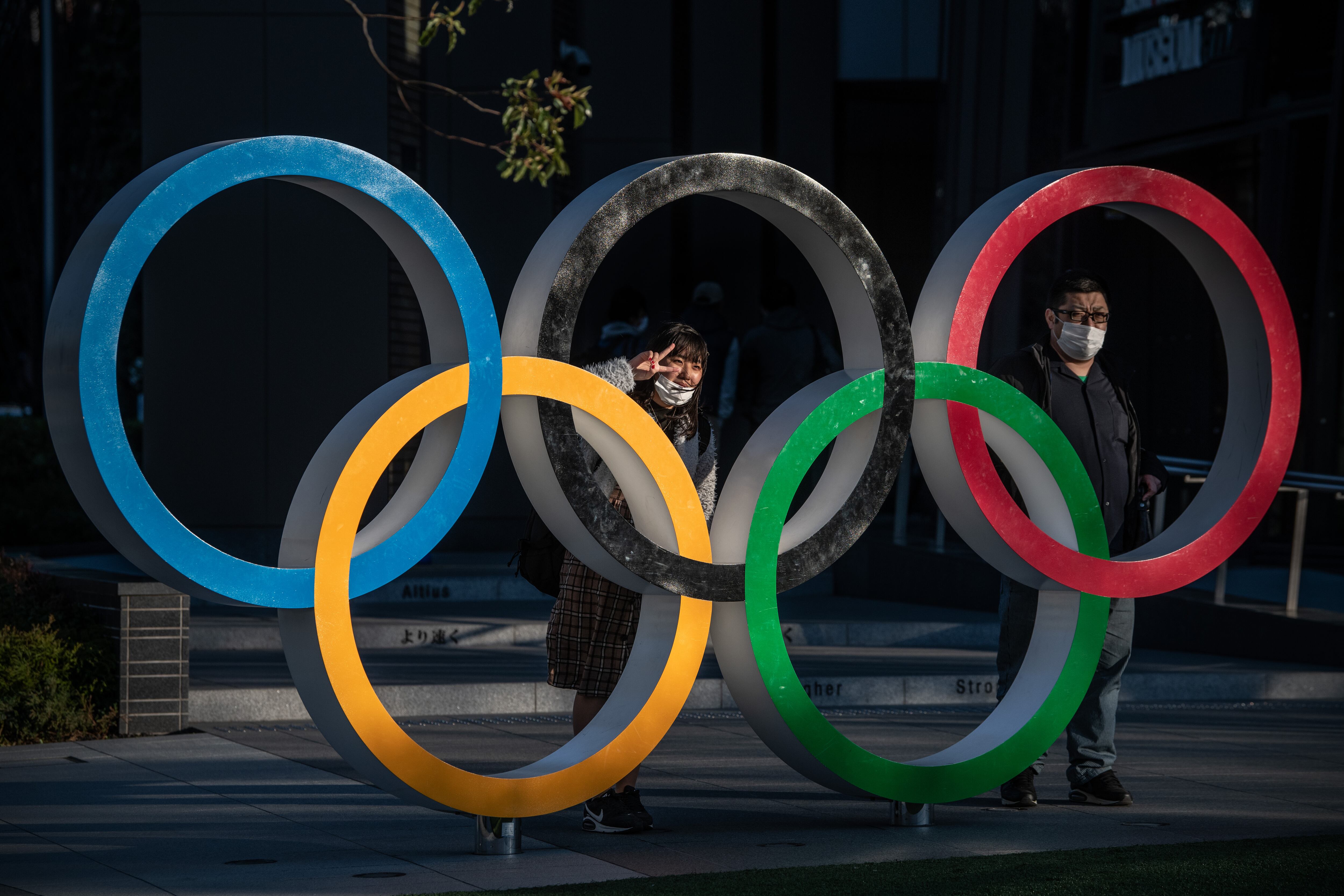
The IOC announced a first-of-its-kind postponement of the Summer Olympics on Tuesday, bowing to the realities of a coronavirus pandemic that is shutting down daily life around the globe and making planning for a massive worldwide gathering in July a virtual impossibility.
Despite localized reductions in emissions and pollution due to coronavirus-related shutdowns, it doesn't mean that the pandemic and ensuing economic crisis will somehow turbocharge the globe's glacial steps toward reducing humanity's impact on the environment.
In a news conference, NY Gov. Andrew Cuomo said he has ordered the state's hospitals to increase their capacity for intake at least by half, if not doubling it., and also revealed that New York had procured more medical supplies in the fight against the coronavirus pandemic.
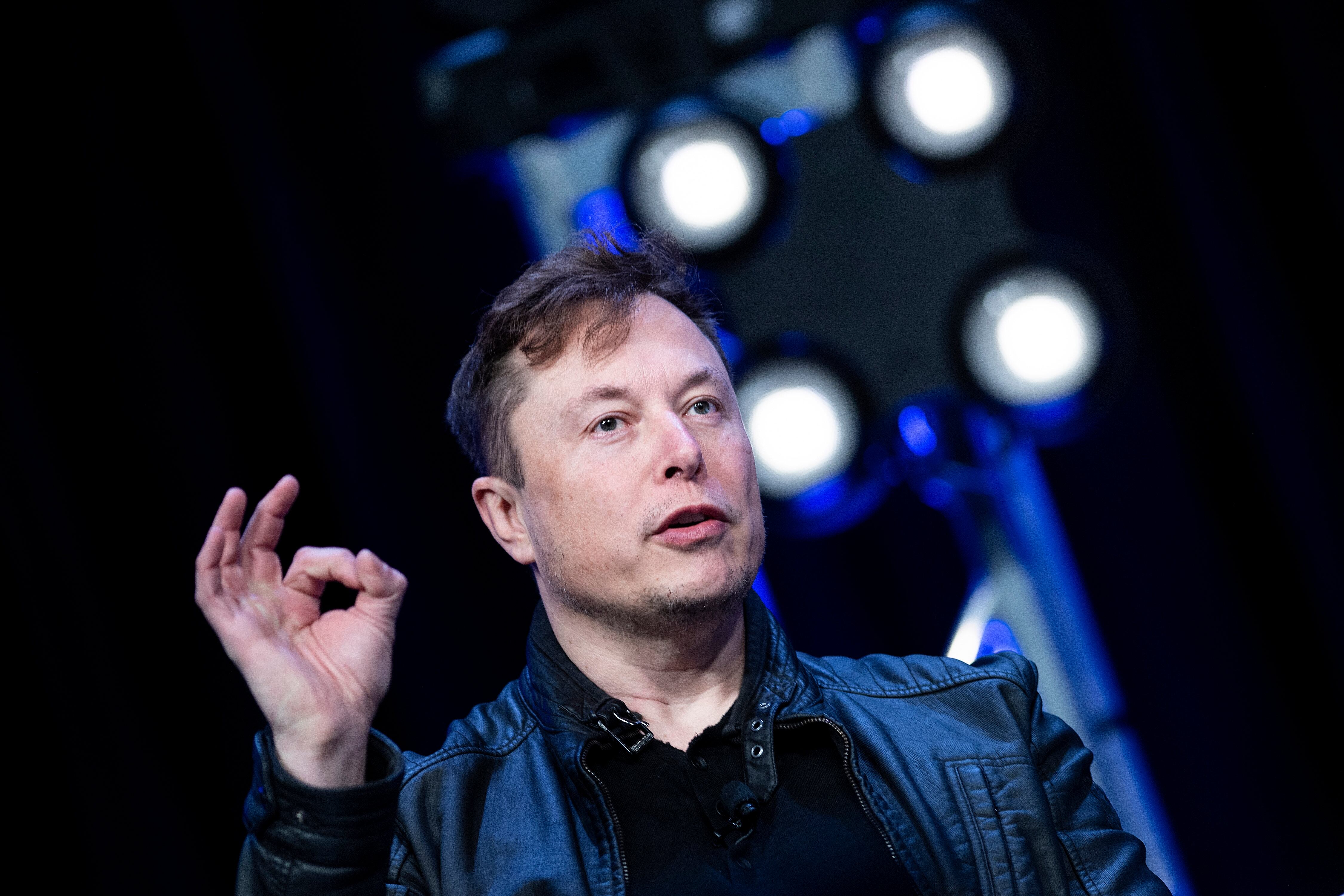
Tesla and SpaceX CEO Elon Musk on Sunday said that his companies are on track to build and ship approximately 1,200 direly-needed ventilators as soon as this week.
A lot of illnesses can present the same. So what symptoms indicate a possible novel coronavirus case versus the flu, a common cold or even seasonal allergies?