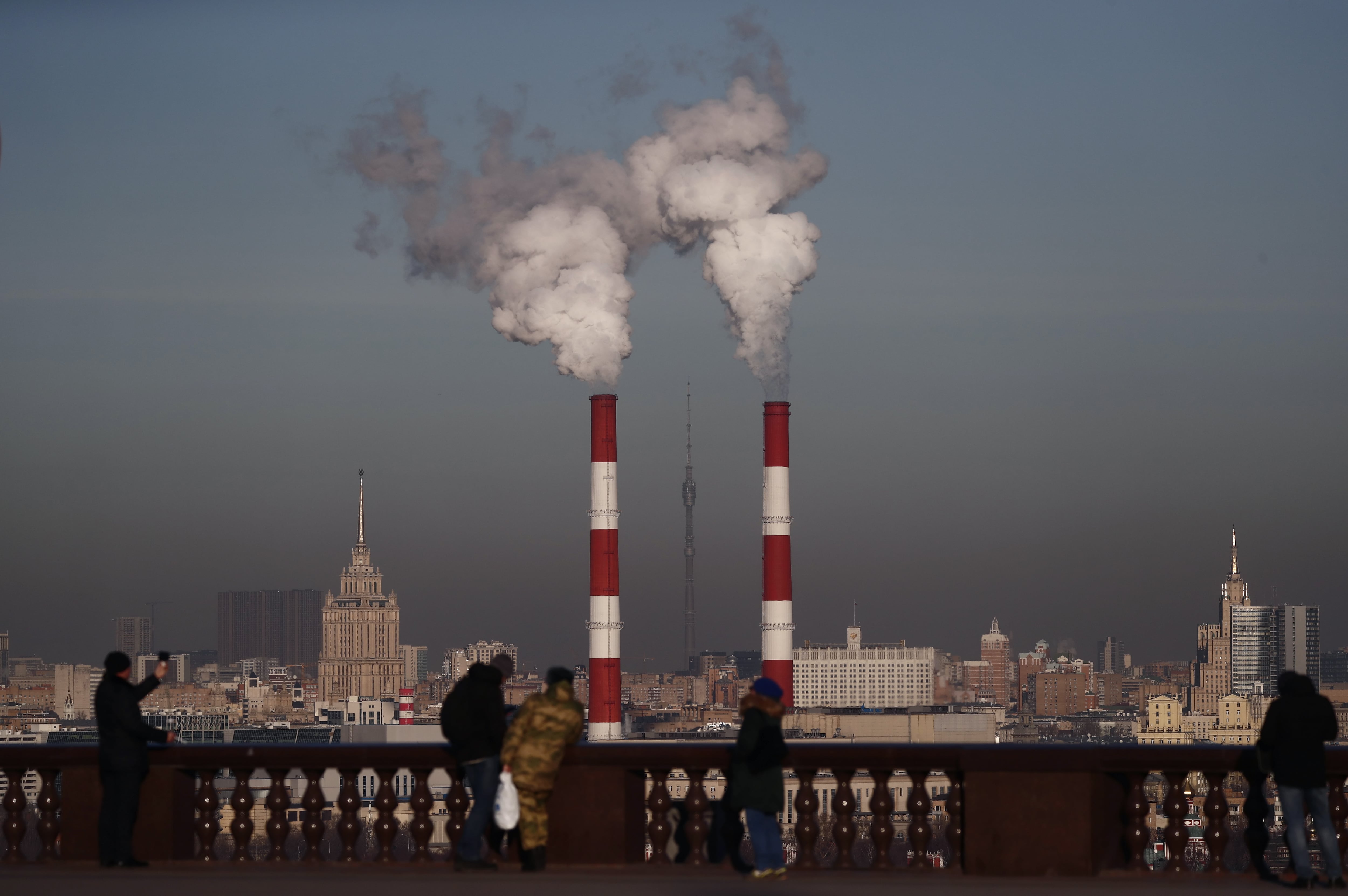
The 2010s amounted to "a decade lost" for slowing climate change, as nations around the world failed to substantially rein-in the heat-trapping emissions generated by power plants, factories, cars and trucks, and other sources that burn fossil fuels, a United Nations report said Tuesday.

The Earth's average temperature is now on track to soar by close to 4 degrees Celsius – or 7.2 degrees Fahrenheit – by the end of the century compared to pre-industrial levels. Scientists have broadly concluded that the planet needs to keep warming to within 2 degrees Celsius, or 3.6 degrees Fahrenheit, to avoid the most catastrophic impacts of climate change.

Rapid rates of warming, meanwhile, are already essentially locked-in: Even ambitious new efforts to slash carbon emissions, as represented in nations' commitments under the 2015 Paris climate accord, will still produce 2.9 to 3.4 degrees of warming.

The report, from the UN's World Meteorological Organization, renewed calls for yet more urgent action to drastically reduce emissions around the world.

"There is no sign of a slowdown, let alone a decline, in greenhouse gases concentration in the atmosphere despite all the commitments under the Paris Agreement on Climate Change," WMO Secretary-General Petteri Taalas said in a statement. "We need to translate the commitments into action and increase the level of ambition for the sake of the future welfare of mankind."

Despite rapid growth in renewable energy sources such as wind and solar, sharp declines in coal-fired power generation in developed nations, and recent high-profile investments in electric vehicles and EV charging infrastructure, global emissions are next expected to peak by the end of the next decade.

"The effects of climate policies have been too small to offset the impact of key drivers of emissions such as economic growth and population growth," the report said, characterizing the finding as a "rather bleak fact."

Already, the amount of carbon dioxide in the atmosphere is comparable to 3-5 million years ago, when temperatures were roughly 2-3 degrees warmer and sea levels were 30-60 feet higher, the WMO said.

"In this critical period, the world must deliver concrete, stepped-up action on emissions," Inger Andersen, executive director of the UN Environment Programme said in a statement. "We face a stark choice: set in motion the radical transformations we need now, or face the consequences of a planet radically altered by climate change."
Share:
More In Politics
Dems' Platform for Midterms? 'Throw the Bums Out'
Tea Party Republicans and President Trump ran campaigns on a platform of being the Washington outsiders needed to save the country. Now the Democrats will have their own opportunity in the 2018 midterms.
Rep. Castro 'Dumbfounded' by Proposal to Arm Teachers
The Democratic Congressman from Texas says state and local officials should do more to limit the places people can carry guns, not introduce more guns into schools. "Like so many other teachers, they didn't sign up to be soldiers or police officers," says Castro.
EU Lawmakers Pile on Zuckerberg
European lawmakers aggressively questioned Facebook's CEO on Tuesday, indicating they may consider further restricting the social media company's unchecked growth and regulating its business practices.
CEO of Invisalign Braces Maker Is Confident in China
Align Technology, which makes Invisalign orthodontics, opened its first manufacturing plant in China in 2017 and expects to have a "good, contained business" there by the end of the year, despite a wider reassessment of U.S.-China trade relations, says Joe Hogan, the CEO of Align Technology.
Netflix Gives Obamas Global Reach, Local Responsibility
The streaming platform will give the former president and first lady a global platform to focus on issues important to them. But they need to be mindful of making that content available to communities that don't have access to high-speed internet or Netflix, says Alexander Heffner, the host of "The Open Mind" on PBS.
China Cuts Car Tariffs in Latest Move to Ease U.S. Trade Tensions
China, the world's largest auto market, announced it will cut taxes on imported cars from 25 percent to 15 percent in its latest attempt to appease Washington. But most global car makers don't pay that added tariff because they've set up manufacturing plants in China. Cheddar's Kristen Scholer and Tim Stenovec look into the details.
Markets Rally as U.S.-China Trade War Cools
The Dow crossed 25,000 points on Monday for the first time in two months and the S&P 500 and NASDAQ were also up as two of the world's largest economies appeared to back away from a full-blown trade war.
Bernie Sanders Considering Another Run for President
The Vermont Senator's 2016 campaign manager says Sanders hasn't made up his mind one way or the other. "At the end of the day, it comes down to who is going to be the strongest candidate to beat Trump," Jeff Weaver tells Cheddar's J.D. Durkin.
Load More