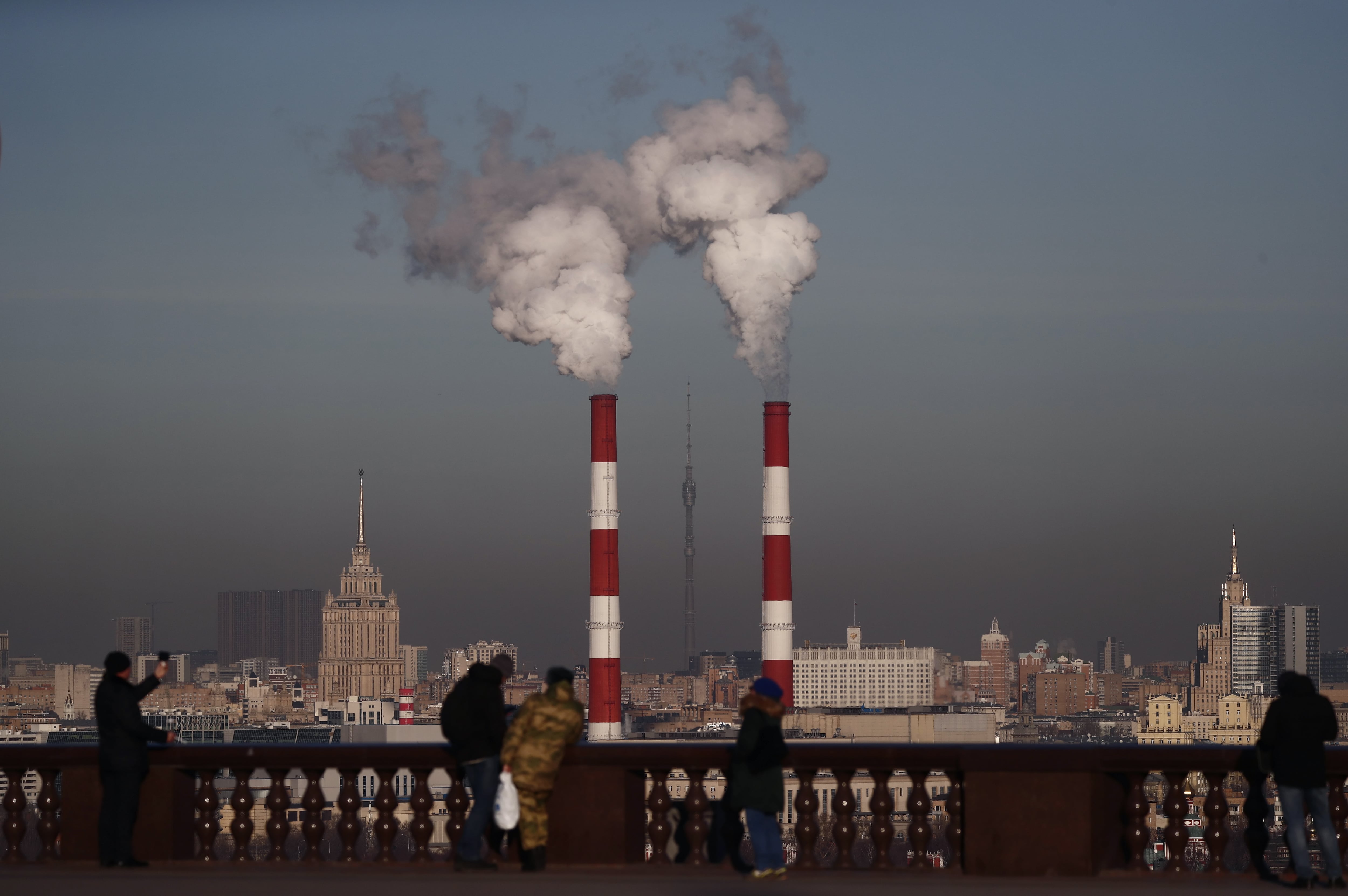
The 2010s amounted to "a decade lost" for slowing climate change, as nations around the world failed to substantially rein-in the heat-trapping emissions generated by power plants, factories, cars and trucks, and other sources that burn fossil fuels, a United Nations report said Tuesday.
The Earth's average temperature is now on track to soar by close to 4 degrees Celsius – or 7.2 degrees Fahrenheit – by the end of the century compared to pre-industrial levels. Scientists have broadly concluded that the planet needs to keep warming to within 2 degrees Celsius, or 3.6 degrees Fahrenheit, to avoid the most catastrophic impacts of climate change.
Rapid rates of warming, meanwhile, are already essentially locked-in: Even ambitious new efforts to slash carbon emissions, as represented in nations' commitments under the 2015 Paris climate accord, will still produce 2.9 to 3.4 degrees of warming.
The report, from the UN's World Meteorological Organization, renewed calls for yet more urgent action to drastically reduce emissions around the world.
"There is no sign of a slowdown, let alone a decline, in greenhouse gases concentration in the atmosphere despite all the commitments under the Paris Agreement on Climate Change," WMO Secretary-General Petteri Taalas said in a statement. "We need to translate the commitments into action and increase the level of ambition for the sake of the future welfare of mankind."
Despite rapid growth in renewable energy sources such as wind and solar, sharp declines in coal-fired power generation in developed nations, and recent high-profile investments in electric vehicles and EV charging infrastructure, global emissions are next expected to peak by the end of the next decade.
"The effects of climate policies have been too small to offset the impact of key drivers of emissions such as economic growth and population growth," the report said, characterizing the finding as a "rather bleak fact."
Already, the amount of carbon dioxide in the atmosphere is comparable to 3-5 million years ago, when temperatures were roughly 2-3 degrees warmer and sea levels were 30-60 feet higher, the WMO said.
"In this critical period, the world must deliver concrete, stepped-up action on emissions," Inger Andersen, executive director of the UN Environment Programme said in a statement. "We face a stark choice: set in motion the radical transformations we need now, or face the consequences of a planet radically altered by climate change."
The recent crisis at the U.S.-Mexico border isn't that different from the injustices committed against the transgender community, says actress and transgender rights activist Angelica Ross. "We, as a country and as a global society, have lost touch with our humanity," she tells Cheddar.
Mike Corbat, head of the fourth biggest bank in the U.S. with $1.84 trillion in assets, said that, while many of the current trade agreements in place need to be updated to reflect the modern economy, it's 'unfortunate' that progress from other policies, like tax reform, could be hampered by the threat of trade wars.
Employees of big tech companies hold their leaders to a high moral standard and force them to speak out, says Dana Wollman, executive editor at Endgadget. Microsoft staff recently protested against letting U.S. Immigration and Customs Enforcement, which has been criticized for its treatment of migrant children at the border, use the company's Azure cloud technology.
The president said he will sign an executive order as soon as Wednesday to prohibit officials from separating children and parents at the southern border, after days of standing by the zero tolerance policy. His changed stance may stem from national backlash in the political and private sectors, says Jack Crowe, news writer at the National Review.
President Trump on Tuesday again deflected blame for tearing apart families at the U.S. border and suggested deporting entire family units, and Republicans scrambled to come up with a legislative fix for the crisis.
The former president of Mexico, a long-time advocate of legalizing cannabis globally, joined the board of the cannabis culture company. Adam Levine, CEO of High Times, said his addition will lend support to its efforts.
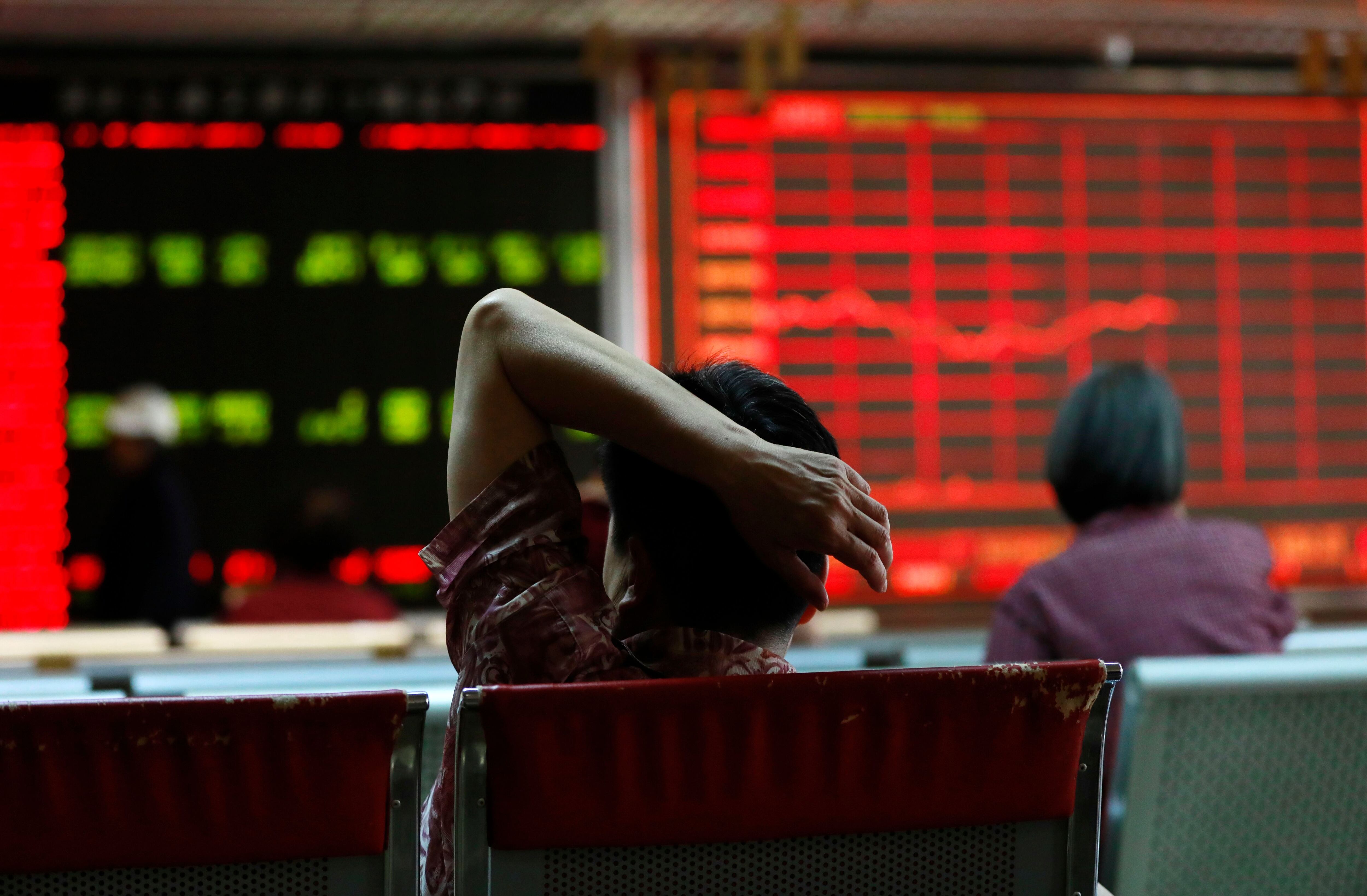
Markets opened sharply lower on Tuesday after President Trump directed his administration to identify an additional $200 billion worth of Chinese goods that could be hit with taxes, upping the ante in the potential U.S.-China trade war. Trump's announcement comes in response to China's threats to retaliate against an original round of tariffs, targeting $50 billion worth of U.S. imports.
Suraj Patel, a former Obama campaign staffer, is trying to boost voter turnout in New York's 12th District by collaborating with coffee carts, taking workout classes with voters, and engaging with people on the streets. He's running to unseat 25-year incumbent Rep. Carolyn Maloney in the Democratic primary next week.
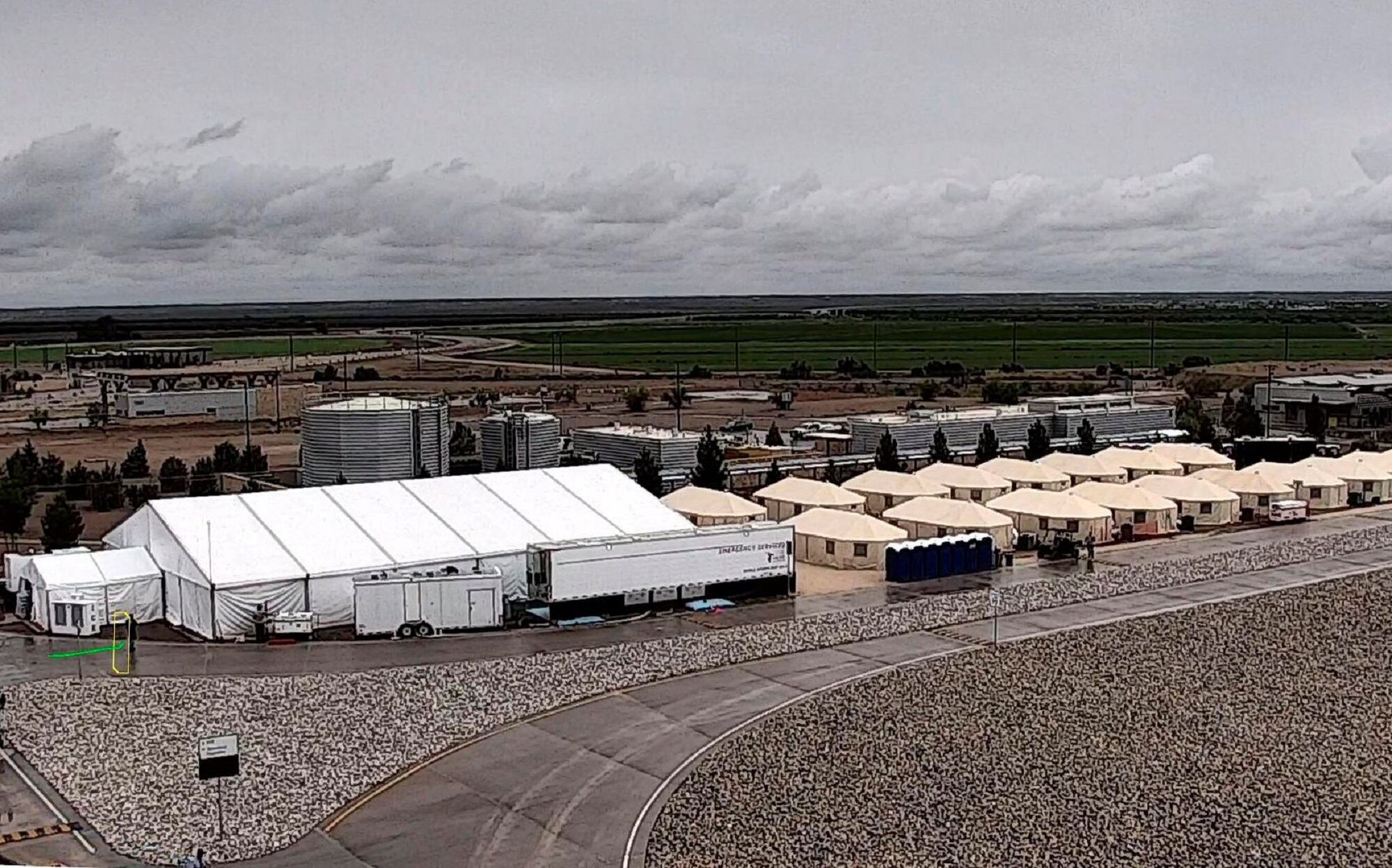
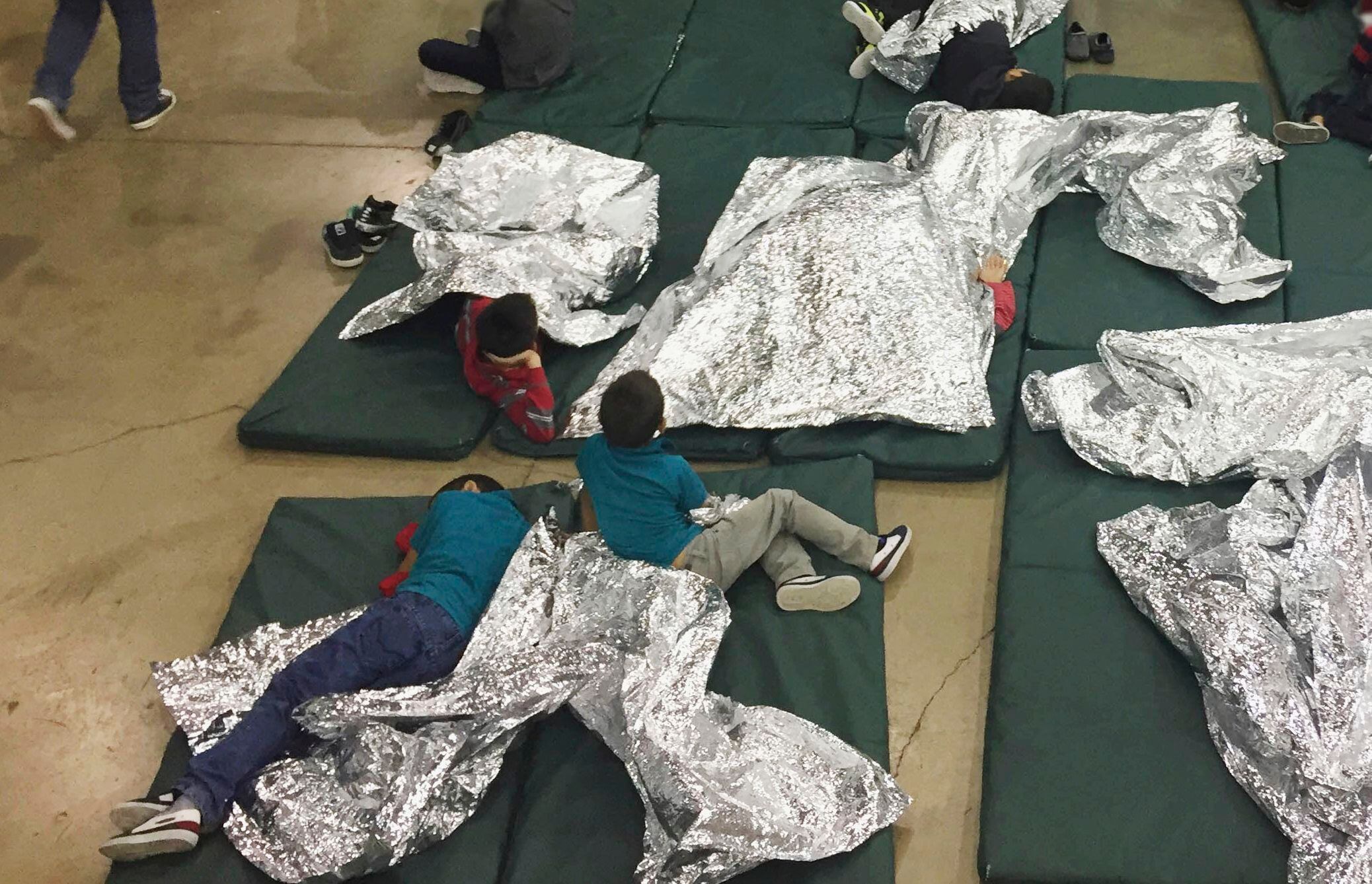
The president on Monday said the U.S. "will not be a migrant camp," responding to concern over families being separated at the southern border. Trump also blamed the situation on the Democrats because he realizes that the emotional images of children at processing centers are "unspinably bad right now," says Republican strategist Rick Wilson.
Google is investing $550 million in Chinese e-commerce giant JD.com. Now, JD.com products will be featured on Google's shopping service. JD.com is China's second largest e-commerce company, just behind Alibaba.
Audi CEO Rupert Stadler was arrested on Monday in Germany. Authorities detained him for fear that he would interfere with the ongoing investigation into Volkswagen over its emissions testing scandal. Volkswagen is the parent company of Audi.
Pressure is mounting on President Trump to end the zero-tolerance immigration policy that's separating children and parents at the border. Mike Allen, executive editor at Axios, weighs in on the controversy.