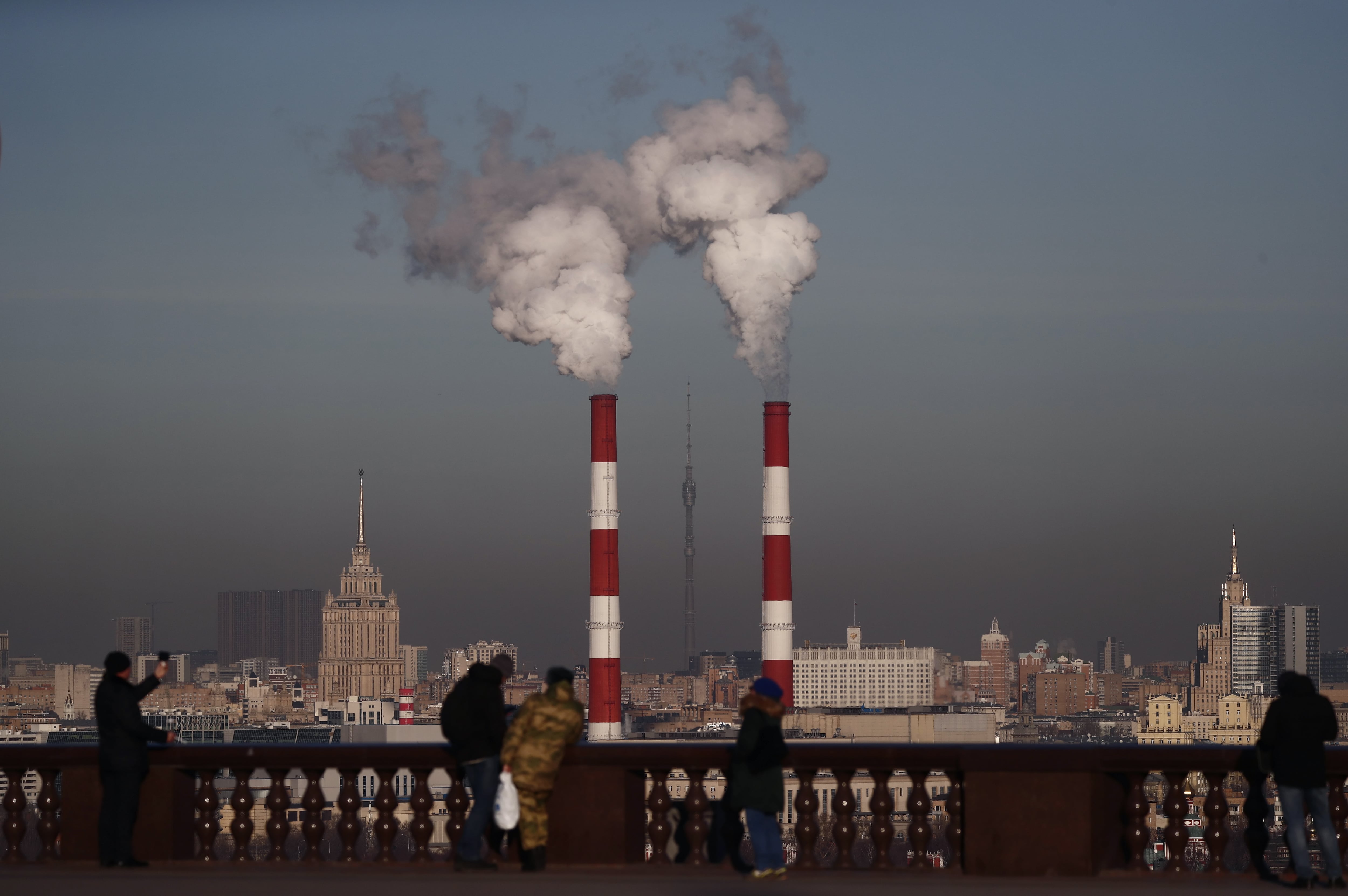
The 2010s amounted to "a decade lost" for slowing climate change, as nations around the world failed to substantially rein-in the heat-trapping emissions generated by power plants, factories, cars and trucks, and other sources that burn fossil fuels, a United Nations report said Tuesday.
The Earth's average temperature is now on track to soar by close to 4 degrees Celsius – or 7.2 degrees Fahrenheit – by the end of the century compared to pre-industrial levels. Scientists have broadly concluded that the planet needs to keep warming to within 2 degrees Celsius, or 3.6 degrees Fahrenheit, to avoid the most catastrophic impacts of climate change.
Rapid rates of warming, meanwhile, are already essentially locked-in: Even ambitious new efforts to slash carbon emissions, as represented in nations' commitments under the 2015 Paris climate accord, will still produce 2.9 to 3.4 degrees of warming.
The report, from the UN's World Meteorological Organization, renewed calls for yet more urgent action to drastically reduce emissions around the world.
"There is no sign of a slowdown, let alone a decline, in greenhouse gases concentration in the atmosphere despite all the commitments under the Paris Agreement on Climate Change," WMO Secretary-General Petteri Taalas said in a statement. "We need to translate the commitments into action and increase the level of ambition for the sake of the future welfare of mankind."
Despite rapid growth in renewable energy sources such as wind and solar, sharp declines in coal-fired power generation in developed nations, and recent high-profile investments in electric vehicles and EV charging infrastructure, global emissions are next expected to peak by the end of the next decade.
"The effects of climate policies have been too small to offset the impact of key drivers of emissions such as economic growth and population growth," the report said, characterizing the finding as a "rather bleak fact."
Already, the amount of carbon dioxide in the atmosphere is comparable to 3-5 million years ago, when temperatures were roughly 2-3 degrees warmer and sea levels were 30-60 feet higher, the WMO said.
"In this critical period, the world must deliver concrete, stepped-up action on emissions," Inger Andersen, executive director of the UN Environment Programme said in a statement. "We face a stark choice: set in motion the radical transformations we need now, or face the consequences of a planet radically altered by climate change."
Though FAANG stocks hit an all-time high last week, their gains could be undermined by the Trump administration's trade stand-off with China that could soon widen into the technology sector, says Jason Ware, chief investment officer at Albion Financial Group.
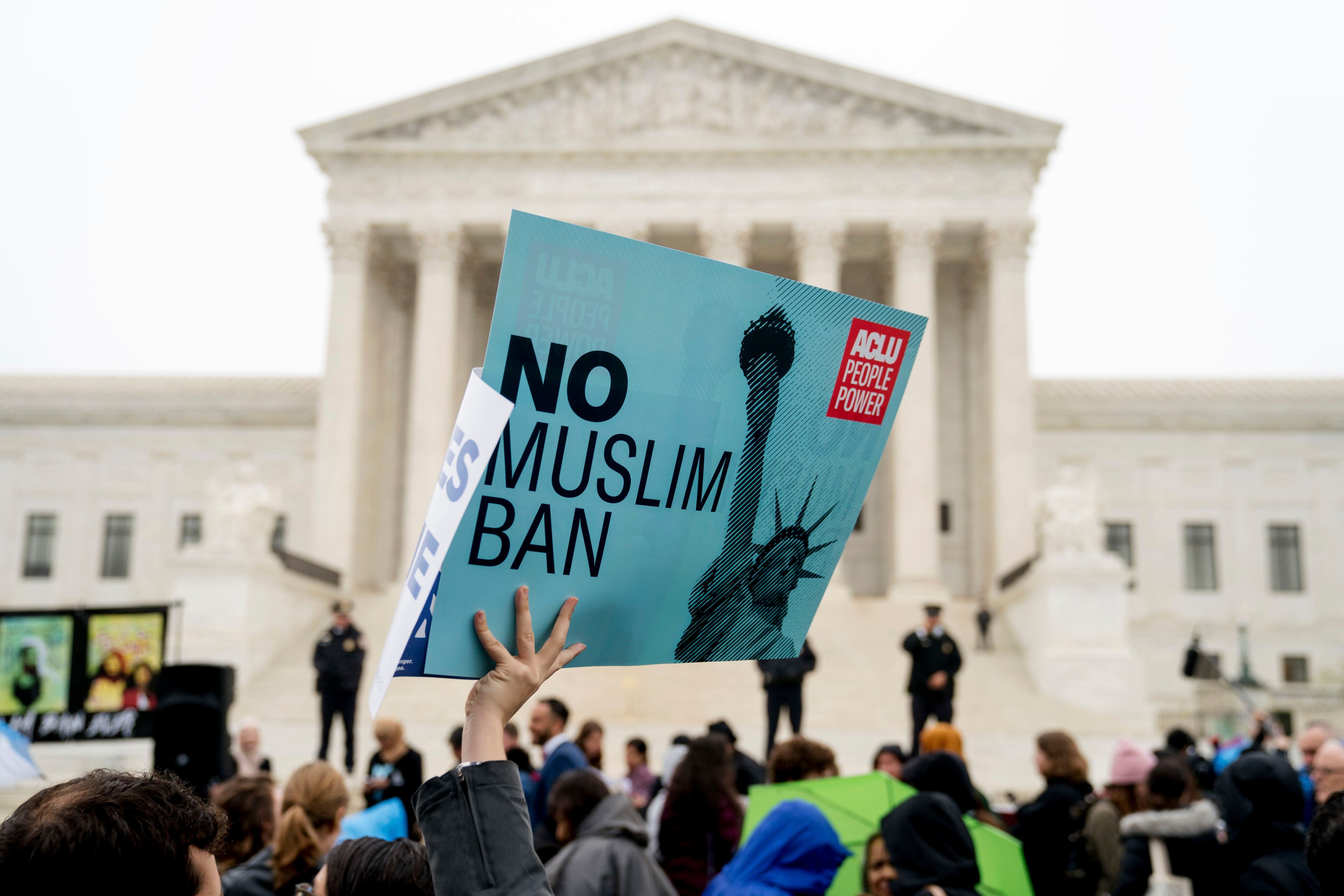
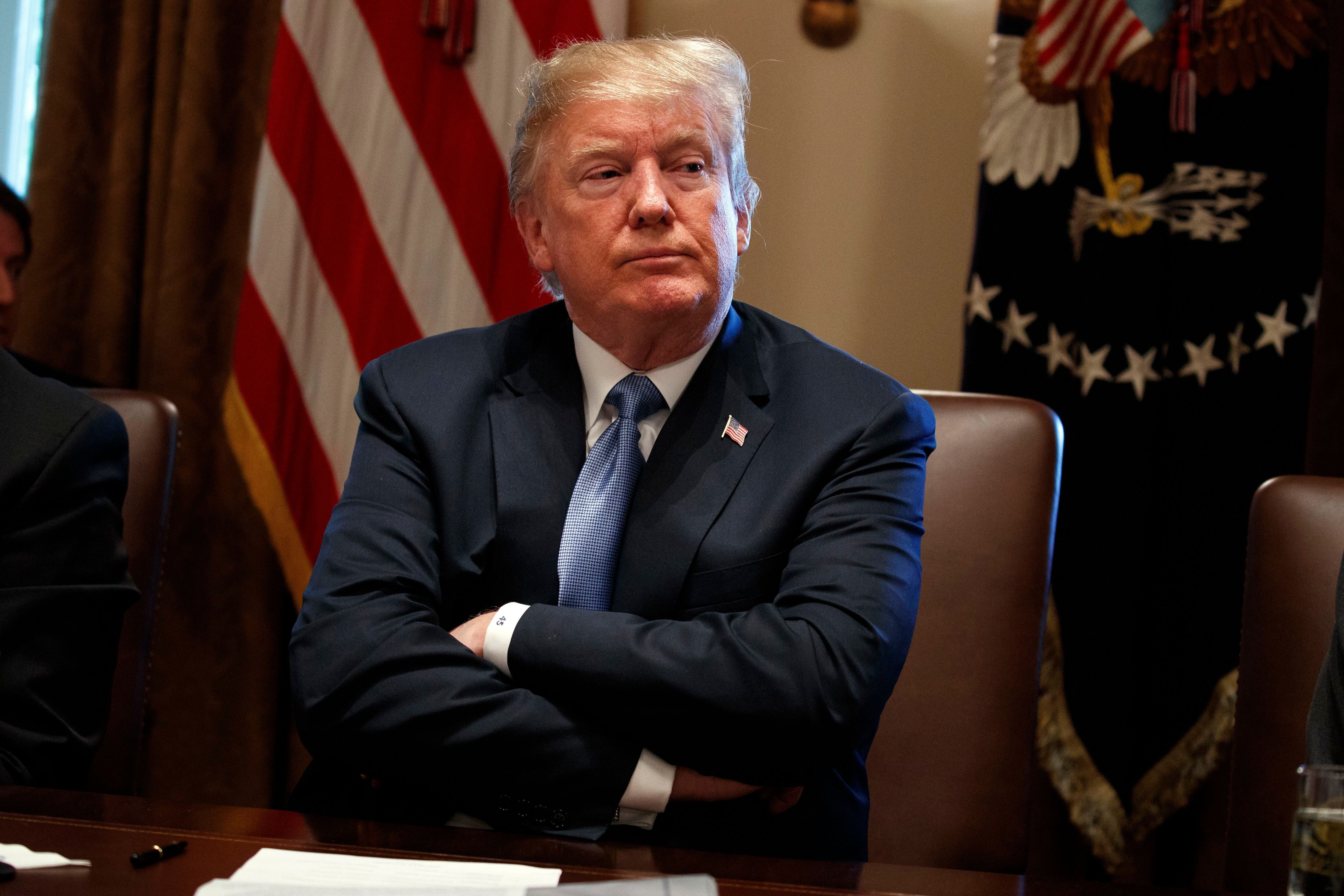
The country's highest court on Tuesday ruled in favor of the travel ban the Trump administration attempted to implement last year. The court rejected the argument that the policy exceeded the president's authority and that it discriminated against Muslims.
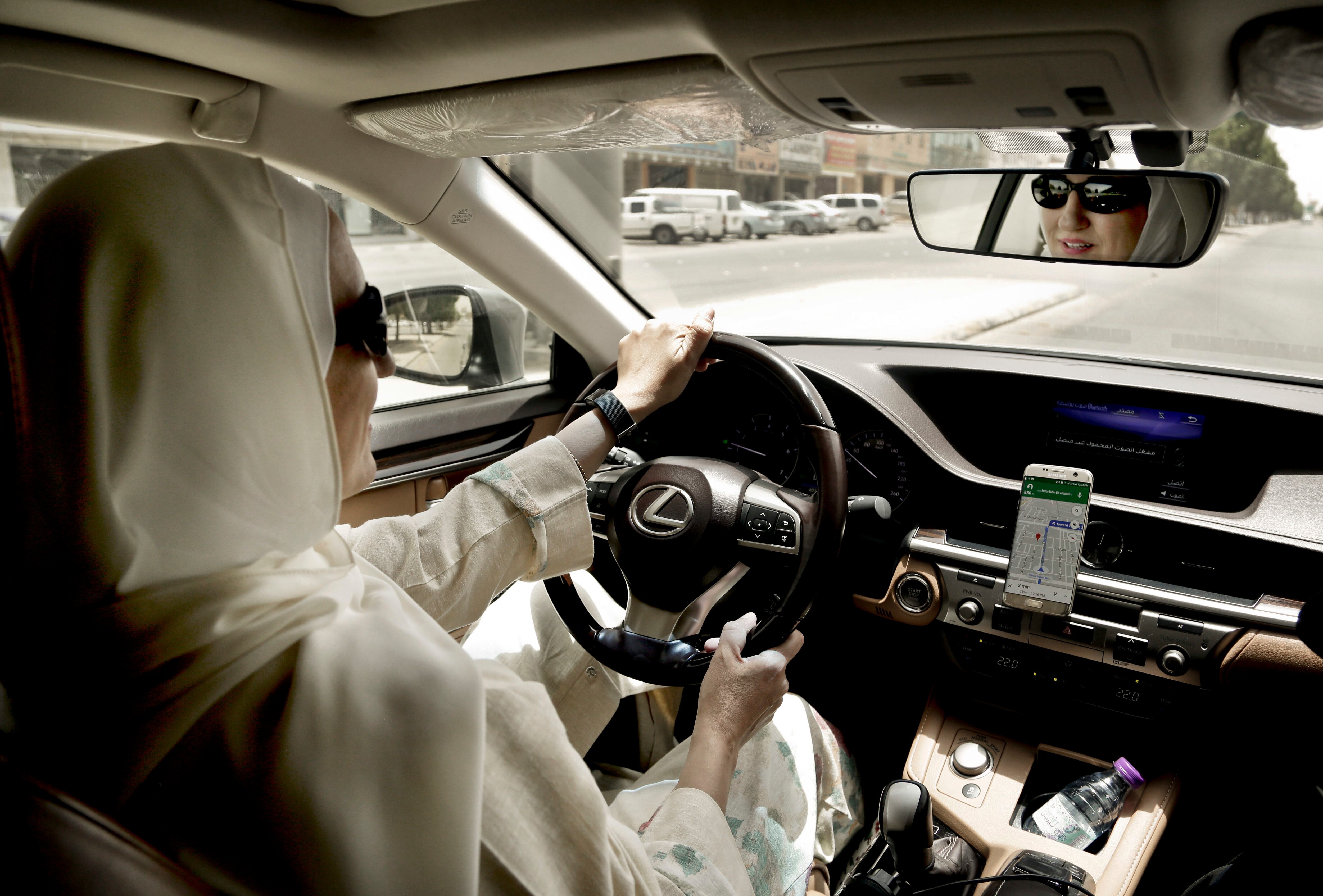
Letting women drive will make them "good workers and consumers," says Hiba Zayadin, the acting Saudi researcher at Human Rights Watch. But "the power structures and systems that keep women as second-class citizens" remain prevalent., she tells Cheddar.
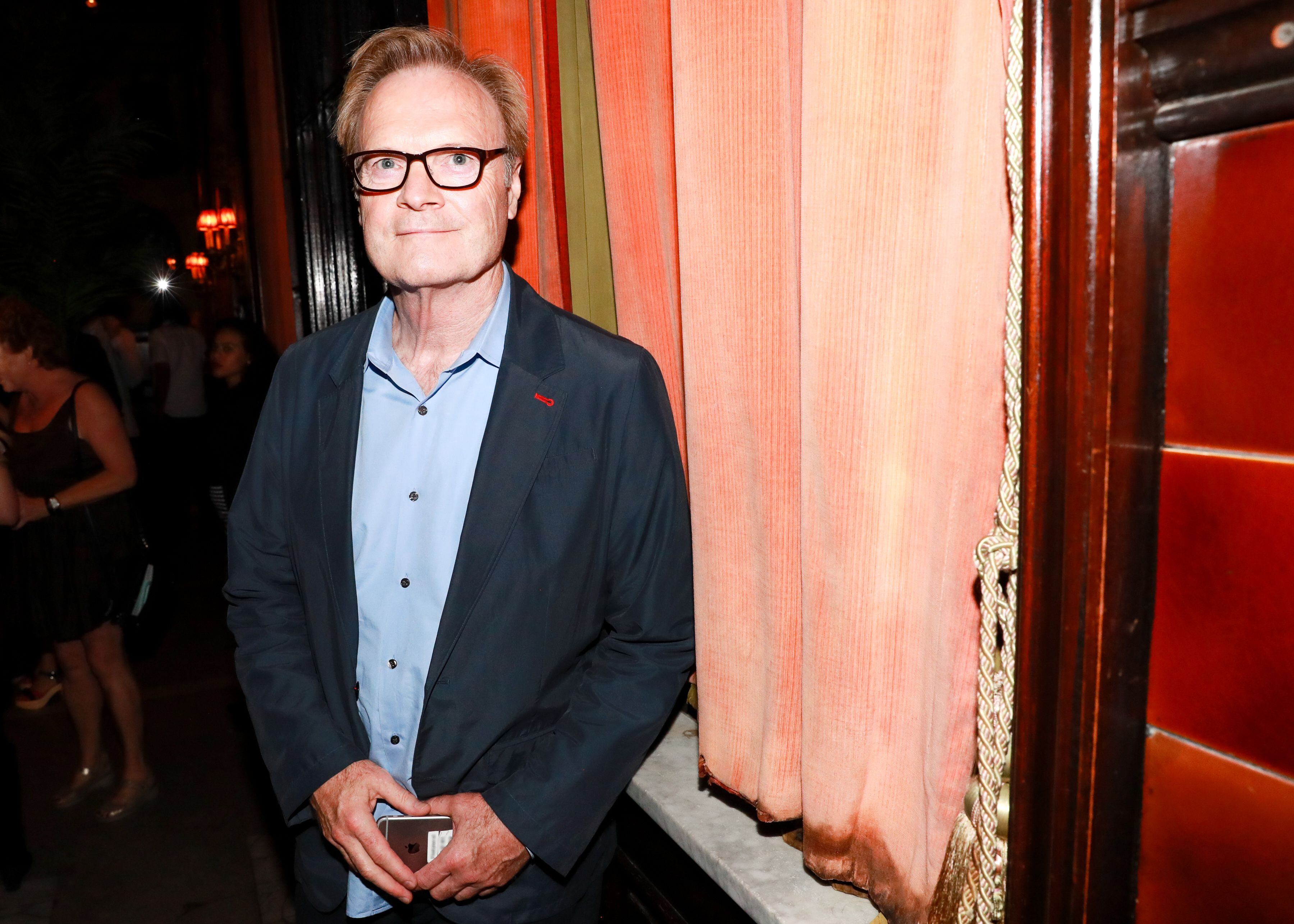
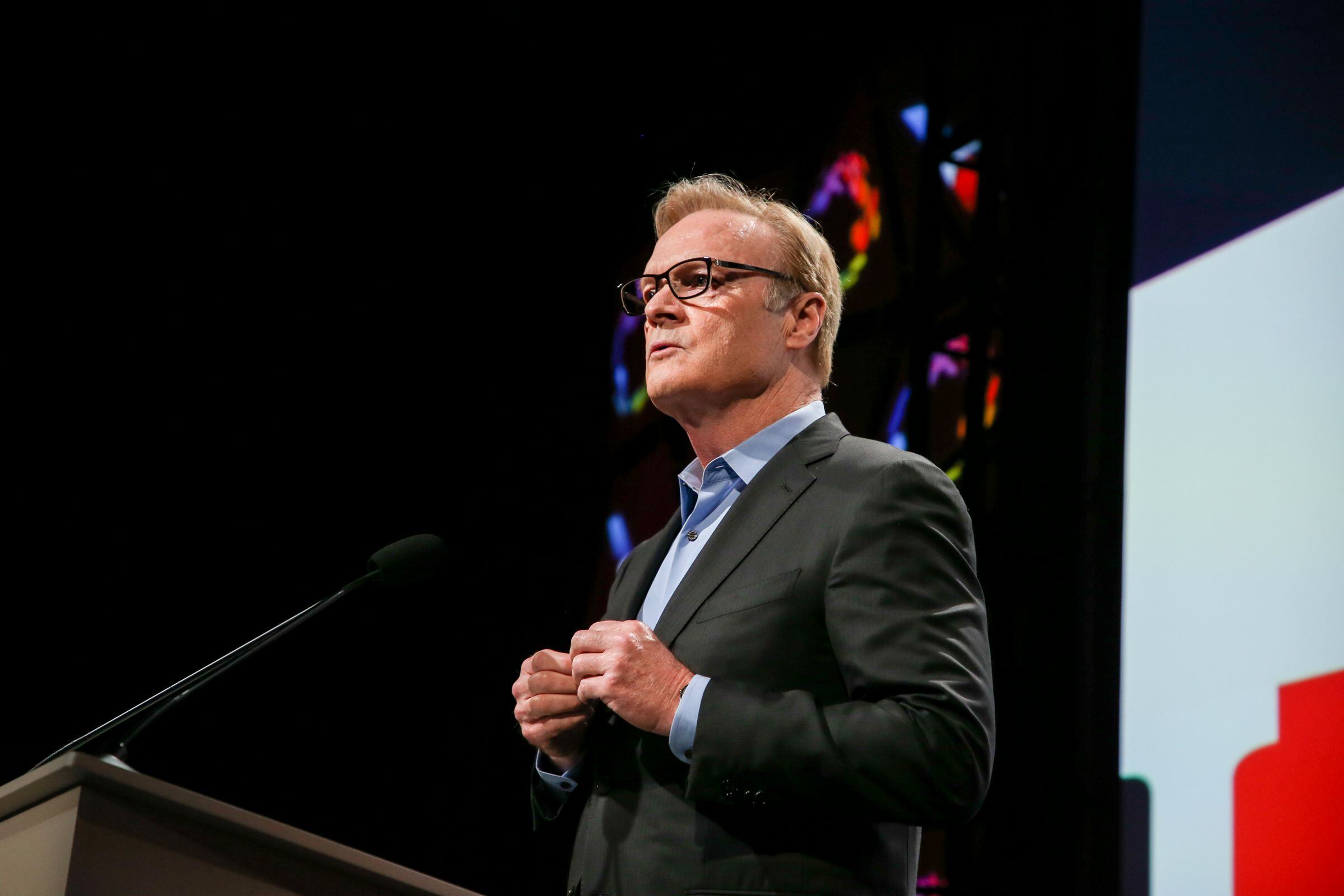
Police shootings have persisted in America for the last several decades but now personal video footage is holding officers accountable, says O'Donnell. The MSNBC host is re-publishing his book "Deadly Force" that chronicles the 1975 police shooting of an unarmed black man that was criticized as "basically a murder".
The president's consistent attacks on media outlets like CNN is "very, very good for business." But Trump has avoided directing his wrath at MSNBC since taking the White House, because the network "is much higher rated" and "he would prefer people to watch CNN," which features many pro-Trump speakers, says O'Donnell.
The MSNBC host explains what happened leading up to the moment when his co-worker, Rachel Maddow, broke down in tears on air while covering the border crisis. O'Donnell tells Cheddar that if he had to report the story on tender age shelters, he might have cried too.
Markets plunged on Monday as President Trump escalated already-tense trade relations with China and investors saw the first sign of American manufacturers feeling the impact of the Trump administration’s increasingly protectionist stance.
Melania Trump received a lot of criticism for wearing a jacket with the phrase "I DON'T REALLY CARE, DO U?" scrawled across the back on her way to meet with migrant children at the Texas-Mexico border. The bizarre choice, at such a heated moment, may have been "a very calculated move," said Vox reporter Rebecca Jennings.
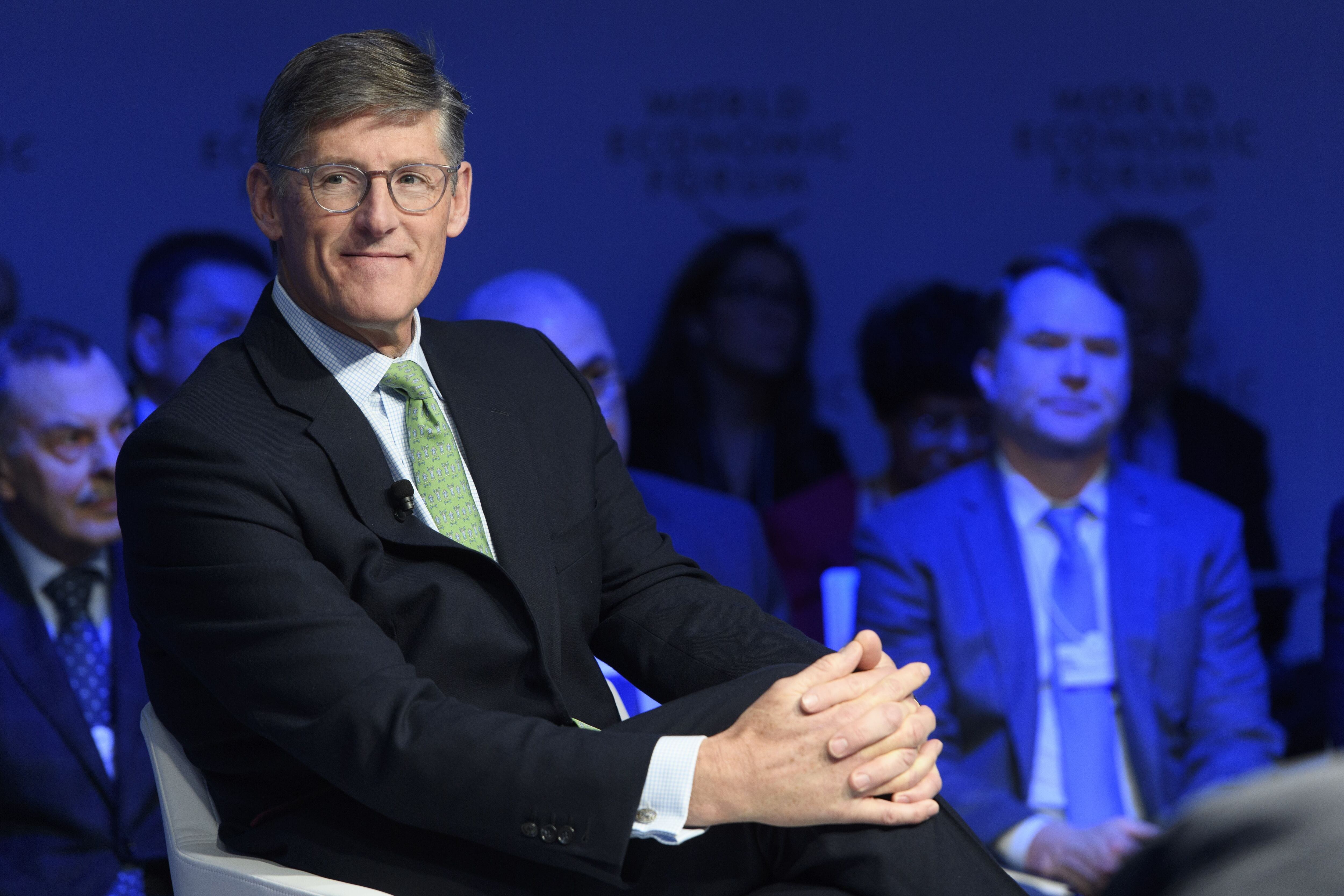
Citigroup CEO Michael Corbat weighs in on the backlash over family separation at the border and the need for immigration reform.
Image Credit: Shutterstock
The country's top court on Thursday ruled that states can force online retailers to charge sales taxes on purchases even if they don't have a physical presence in the state. D.A. Davidson's Tom Forte says Amazon may actually end up benefiting from that rule.