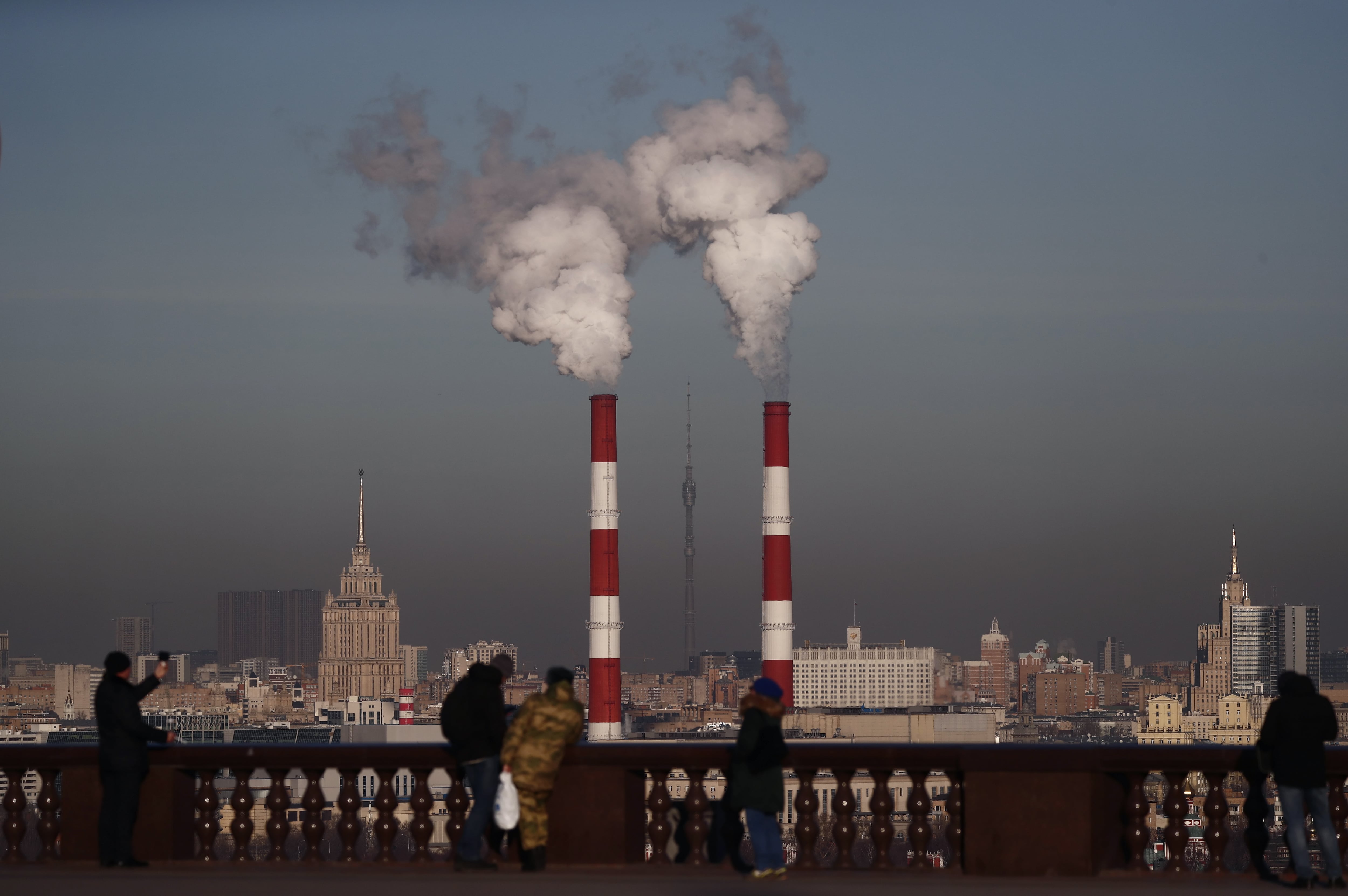
The 2010s amounted to "a decade lost" for slowing climate change, as nations around the world failed to substantially rein-in the heat-trapping emissions generated by power plants, factories, cars and trucks, and other sources that burn fossil fuels, a United Nations report said Tuesday.
The Earth's average temperature is now on track to soar by close to 4 degrees Celsius – or 7.2 degrees Fahrenheit – by the end of the century compared to pre-industrial levels. Scientists have broadly concluded that the planet needs to keep warming to within 2 degrees Celsius, or 3.6 degrees Fahrenheit, to avoid the most catastrophic impacts of climate change.
Rapid rates of warming, meanwhile, are already essentially locked-in: Even ambitious new efforts to slash carbon emissions, as represented in nations' commitments under the 2015 Paris climate accord, will still produce 2.9 to 3.4 degrees of warming.
The report, from the UN's World Meteorological Organization, renewed calls for yet more urgent action to drastically reduce emissions around the world.
"There is no sign of a slowdown, let alone a decline, in greenhouse gases concentration in the atmosphere despite all the commitments under the Paris Agreement on Climate Change," WMO Secretary-General Petteri Taalas said in a statement. "We need to translate the commitments into action and increase the level of ambition for the sake of the future welfare of mankind."
Despite rapid growth in renewable energy sources such as wind and solar, sharp declines in coal-fired power generation in developed nations, and recent high-profile investments in electric vehicles and EV charging infrastructure, global emissions are next expected to peak by the end of the next decade.
"The effects of climate policies have been too small to offset the impact of key drivers of emissions such as economic growth and population growth," the report said, characterizing the finding as a "rather bleak fact."
Already, the amount of carbon dioxide in the atmosphere is comparable to 3-5 million years ago, when temperatures were roughly 2-3 degrees warmer and sea levels were 30-60 feet higher, the WMO said.
"In this critical period, the world must deliver concrete, stepped-up action on emissions," Inger Andersen, executive director of the UN Environment Programme said in a statement. "We face a stark choice: set in motion the radical transformations we need now, or face the consequences of a planet radically altered by climate change."
President Trump has already spurned key allies at the annual summit, accusing Germany of being a "captive of Russia." Cheddar's J.D. Durkin, who is on the ground in Brussels, gets into the latest.
The U.S. tariffs would only end up hurting the consumer and the automakers employees across its plants and distribution centers in America, says Zack Hicks, CEO and president of the Toyota Connected unit in North America.
President Donald Trump nominated the DC appellate court judge to replace Supreme Court Justice Anthony Kennedy, who's retiring at the end of the month.
A study finds male political reporters in Washington, D.C., retweet other men more than women. “Men and women are operating in gender echo chambers in Washington on Twitter,” says Nikki Usher, the lead author of the study.
Members of the military alliance are prepared to be spurned by the president and worry he may start to unravel the organization. But the Trump administration has, in fact, increased its spending on NATO, suggesting that worries surrounding the event might not turn transpire, says Dan Michaels, the Wall Street Journal Brussels bureau chief.
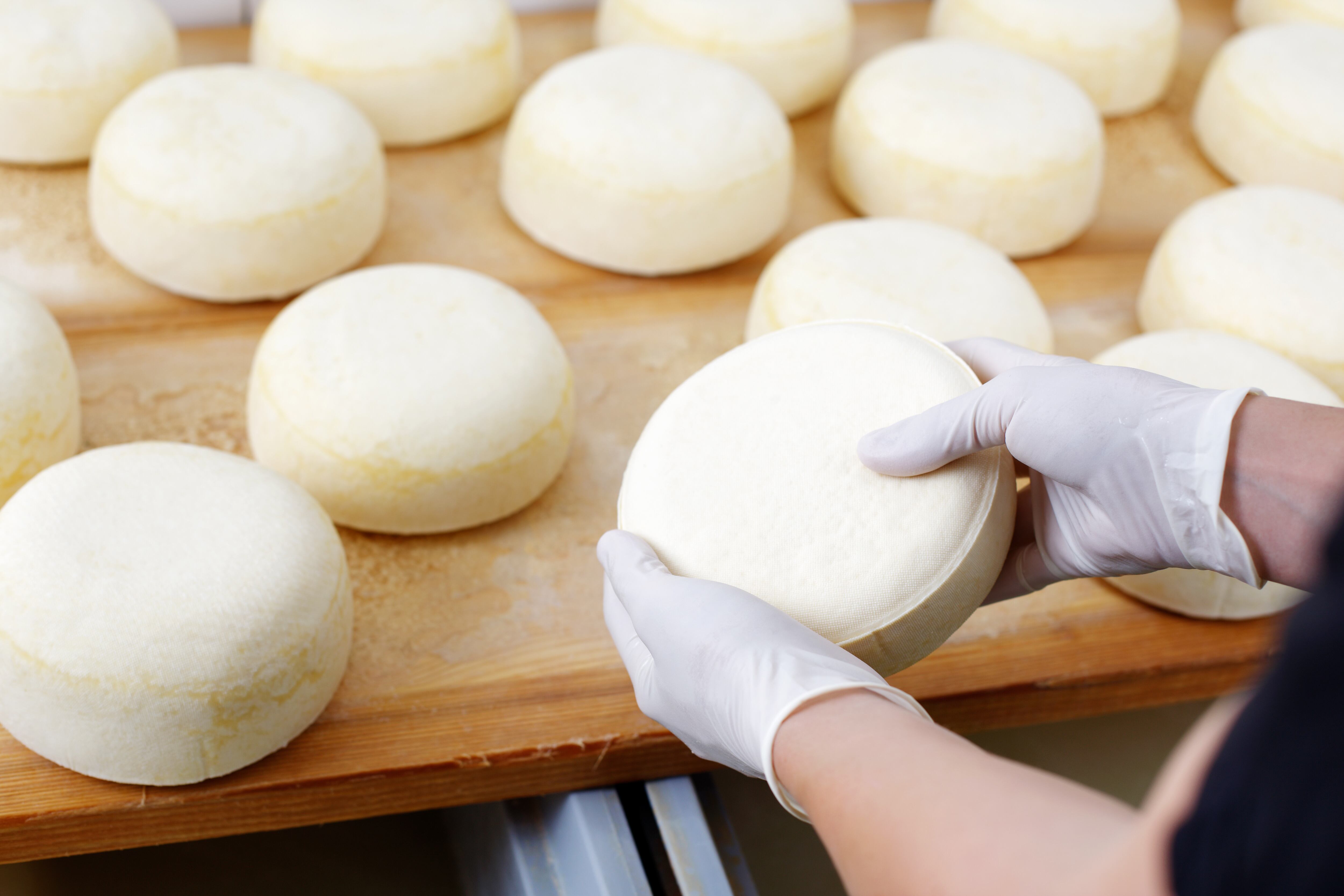
American cheese producers that rely heavily on exports are already feeling the impact of tariffs on their products, forcing them to reconsider their strategy completely, says Heather Hadden, a reporter for the Wall Street Journal.
Although the recent job report showed the U.S. economy added 213,000 jobs in June, the trade war is predicted to have a significant impact on the economy. "Unless we get either isolated resolutions of these disputes or global resolutions ... we don't see any momentum in that space," Mark Hamrick, senior economic analyst at Bankrate.com, tells Cheddar.
President Trump is expected to submit his Supreme Court nominee to replace Justice Anthony Kennedy on Monday.
The three favorites are almost "identical" in policy stances, says Rick Hasen, professor of law and political science at UC-Irvine.
The U.S. tariffs on Chinese products that kicked in on Friday are specifically targeted at high-tech goods, an attempt to crack down on alleged intellectual property theft. But they could end up raising the cost of products like e-cigarettes, e-bikes, and smart home devices that are overwhelmingly used by millennials, says Axios reporter Erica Pandey.
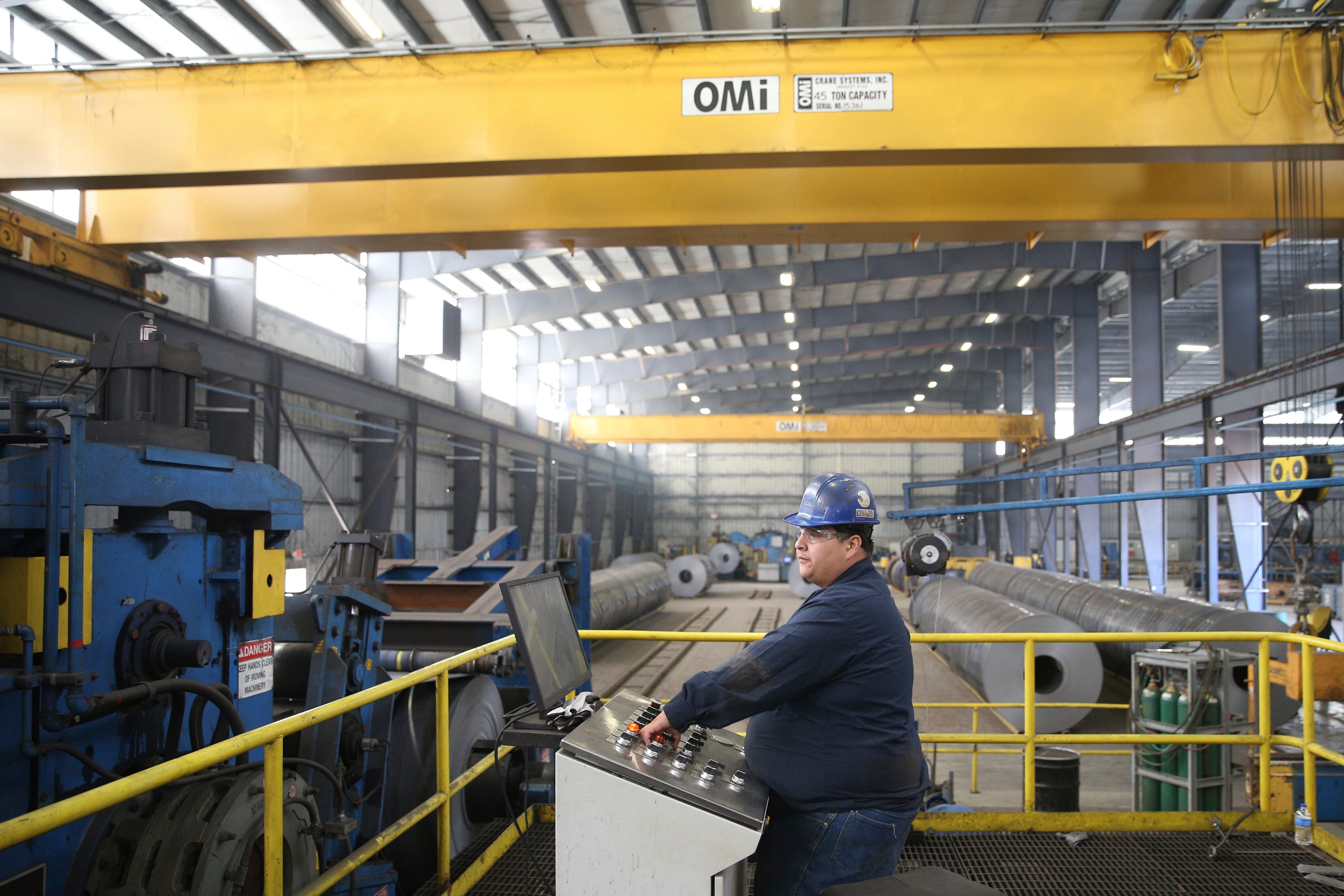
U.S. tariffs on $34 billion worth of Chinese goods kicked in early Friday, prompting China to respond in kind and escalating tensions between the two countries into what Beijing describes as "the biggest trade war in economic history."