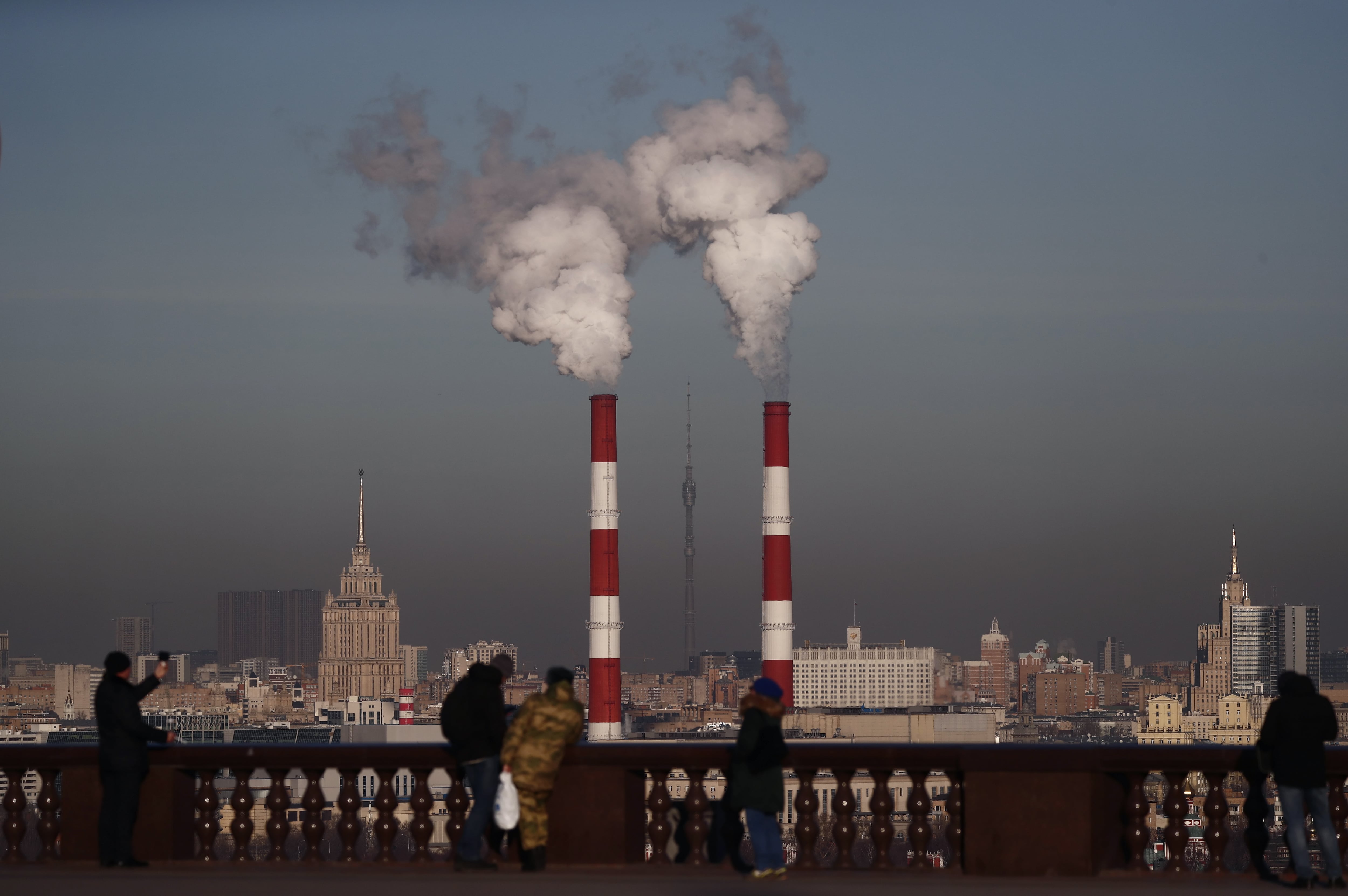
The 2010s amounted to "a decade lost" for slowing climate change, as nations around the world failed to substantially rein-in the heat-trapping emissions generated by power plants, factories, cars and trucks, and other sources that burn fossil fuels, a United Nations report said Tuesday.
The Earth's average temperature is now on track to soar by close to 4 degrees Celsius – or 7.2 degrees Fahrenheit – by the end of the century compared to pre-industrial levels. Scientists have broadly concluded that the planet needs to keep warming to within 2 degrees Celsius, or 3.6 degrees Fahrenheit, to avoid the most catastrophic impacts of climate change.
Rapid rates of warming, meanwhile, are already essentially locked-in: Even ambitious new efforts to slash carbon emissions, as represented in nations' commitments under the 2015 Paris climate accord, will still produce 2.9 to 3.4 degrees of warming.
The report, from the UN's World Meteorological Organization, renewed calls for yet more urgent action to drastically reduce emissions around the world.
"There is no sign of a slowdown, let alone a decline, in greenhouse gases concentration in the atmosphere despite all the commitments under the Paris Agreement on Climate Change," WMO Secretary-General Petteri Taalas said in a statement. "We need to translate the commitments into action and increase the level of ambition for the sake of the future welfare of mankind."
Despite rapid growth in renewable energy sources such as wind and solar, sharp declines in coal-fired power generation in developed nations, and recent high-profile investments in electric vehicles and EV charging infrastructure, global emissions are next expected to peak by the end of the next decade.
"The effects of climate policies have been too small to offset the impact of key drivers of emissions such as economic growth and population growth," the report said, characterizing the finding as a "rather bleak fact."
Already, the amount of carbon dioxide in the atmosphere is comparable to 3-5 million years ago, when temperatures were roughly 2-3 degrees warmer and sea levels were 30-60 feet higher, the WMO said.
"In this critical period, the world must deliver concrete, stepped-up action on emissions," Inger Andersen, executive director of the UN Environment Programme said in a statement. "We face a stark choice: set in motion the radical transformations we need now, or face the consequences of a planet radically altered by climate change."
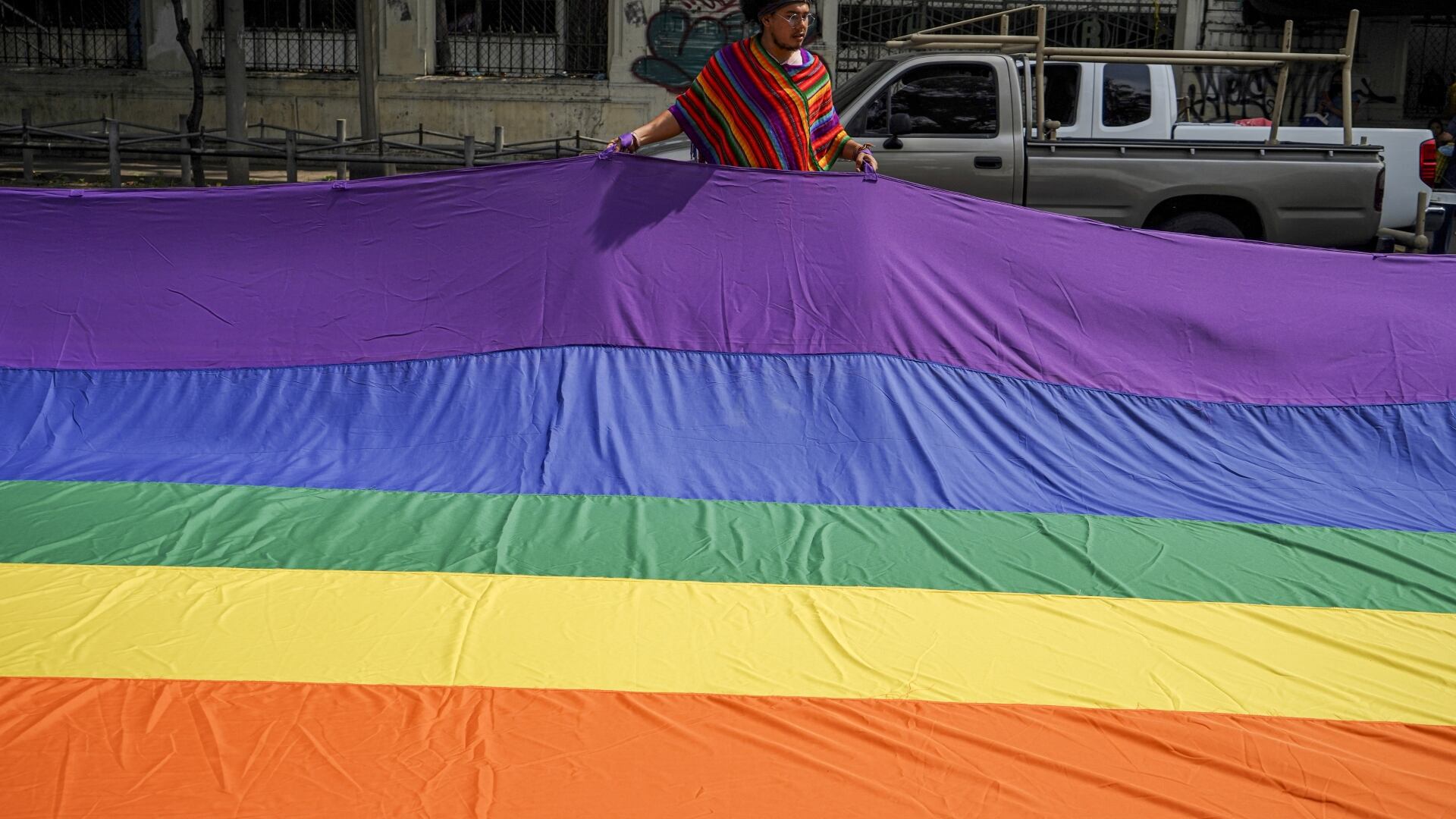
Liana Guzmán, CEO of FOLX Health, joins Cheddar News to discuss the company launching billboards across the country in response to anti-LGBTQ+ legislation.
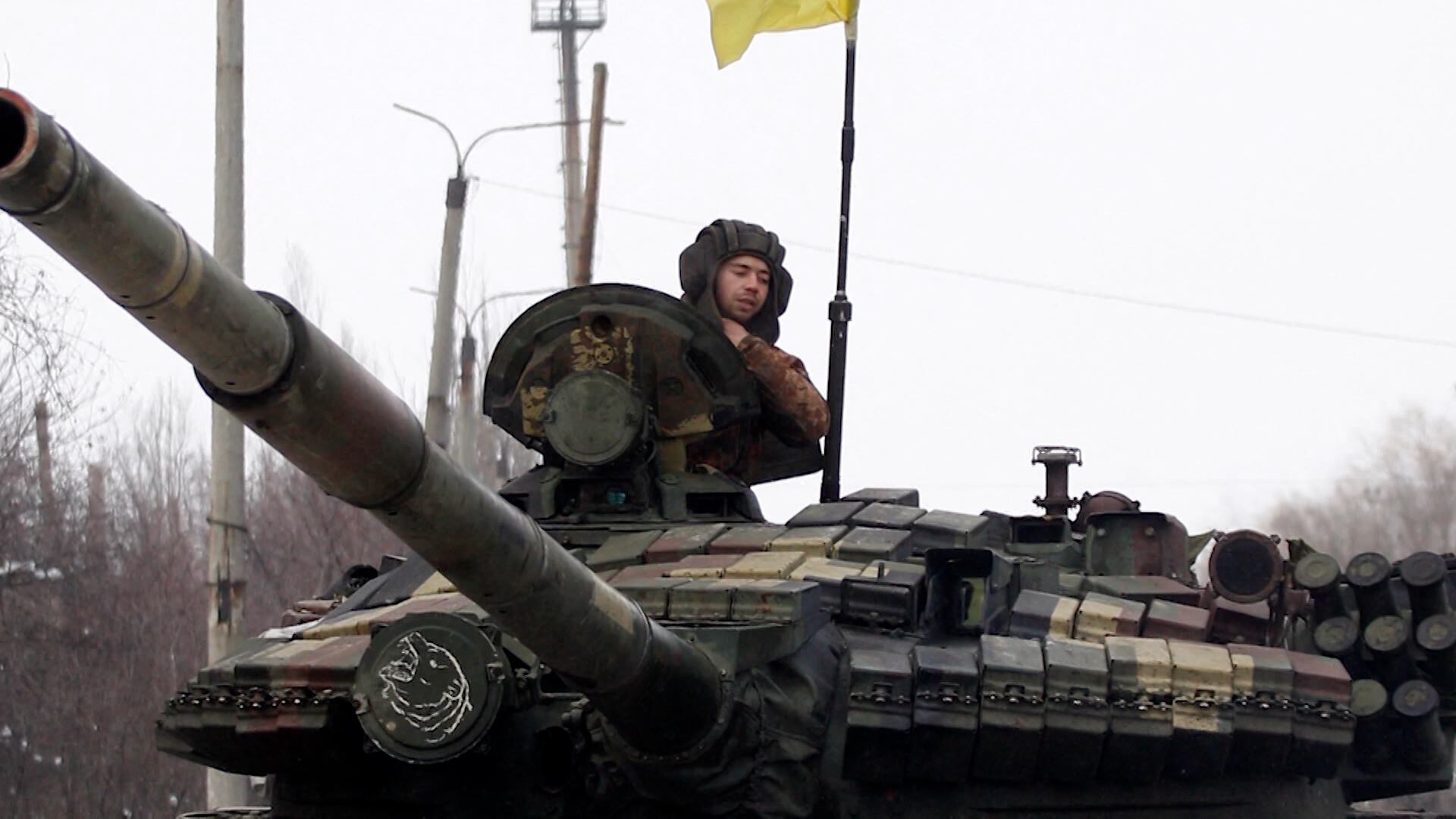
President Biden has announced an additional $800 million in military assistance to Ukraine, including artillery, armored personnel carriers, and helicopters. It comes as Russian forces appear to be preparing for a new, aggressive offensive in the eastern part of Ukraine. Paul McLeary, defense reporter for Politico, joined Cheddar to discuss this new round of aid and what it means for the U.S. commitment to arming the embattled country.
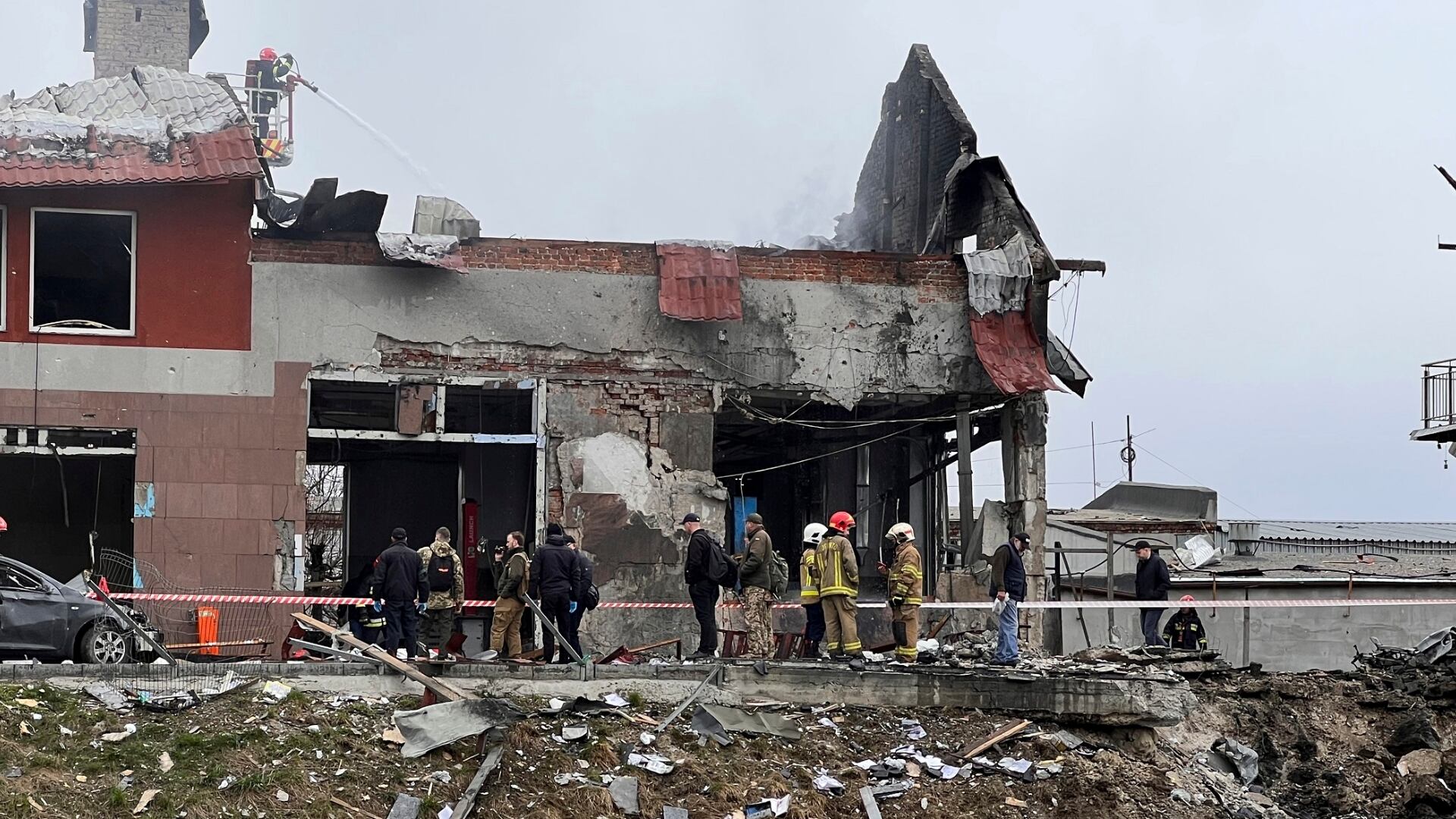
Catching you up on what you need to know on April 18, 2022, with Russian missile attacks on the Ukrainian city of Lviv killing seven, mass shootings in South Carolina and Pittsburgh, Lucky Charms cereal under official investigation by the FDA, and more.
Activism is growing around the country in response to school boards banning books from shelves that focus on sexuality, gender, identity, or race. Jen Cousins, co-founder of The Florida Freedom to Read Project, joins Cheddar News to discuss.
As the Russian invasion of Ukraine intensifies, President Biden has announced a ban on importing Russian oil, gas, and energy. To discuss how this ban will impact the war and Americans, Amir Handjani, non-resident fellow at Quincy Institute, joins Cheddar News.
Thousands of protesters around the world are expressing their solidarity with Ukraine against Russia's invasion.
Jason Beardsley, national executive director of the Association of the U.S. Navy and national security expert, joins Cheddar News to discuss.
As gas prices surge amid the Russian invasion of Ukraine, other nations could potentially transition faster to using clean energy than previously expected. Philip K. Verleger, a senior fellow at the Niskanen Center, joined Cheddar News to explain how this could be a possibility in the near future. "Part of the reason I think we have this invasion and the tantrum that's being thrown by Russia, terrible tantrum, is because the Russians were trying to slow down the transition," he said. "Ironically they speeded it up."
Following the invasion of Ukraine, a multitude of Western companies have paused doing business with Russia. PepsiCo, Coca-Cola, McDonald's, and Starbucks are the most recent companies to temporarily cease operations in Russia. Dean of Miami Herbert Business School at the University of Miami, John Quelch, joined Cheddar News to discuss what message this sends to Russia and the Russian consumer. “I would not underestimate the collective strength of all of these multinational companies, essentially coming together to make their collective statement in support of the political statements that have come out of Washington," he said.
The war in Ukraine continues to reveal heartbreaking gut-wrenching stories. The war in itself is not only devastating but also expensive. Experts estimate that Russia is draining nearly $20 million dollars each day to continue occupying and invading Ukraine. All this could force the country to turn to cryptocurrencies. It's a major turn for the country that briefly considered outlined digital assets entirely, but it could also have serious implications for cryptos. Managing Director at Quantum Fintech Group, Harry Yeh, joined Cheddar to discuss more.