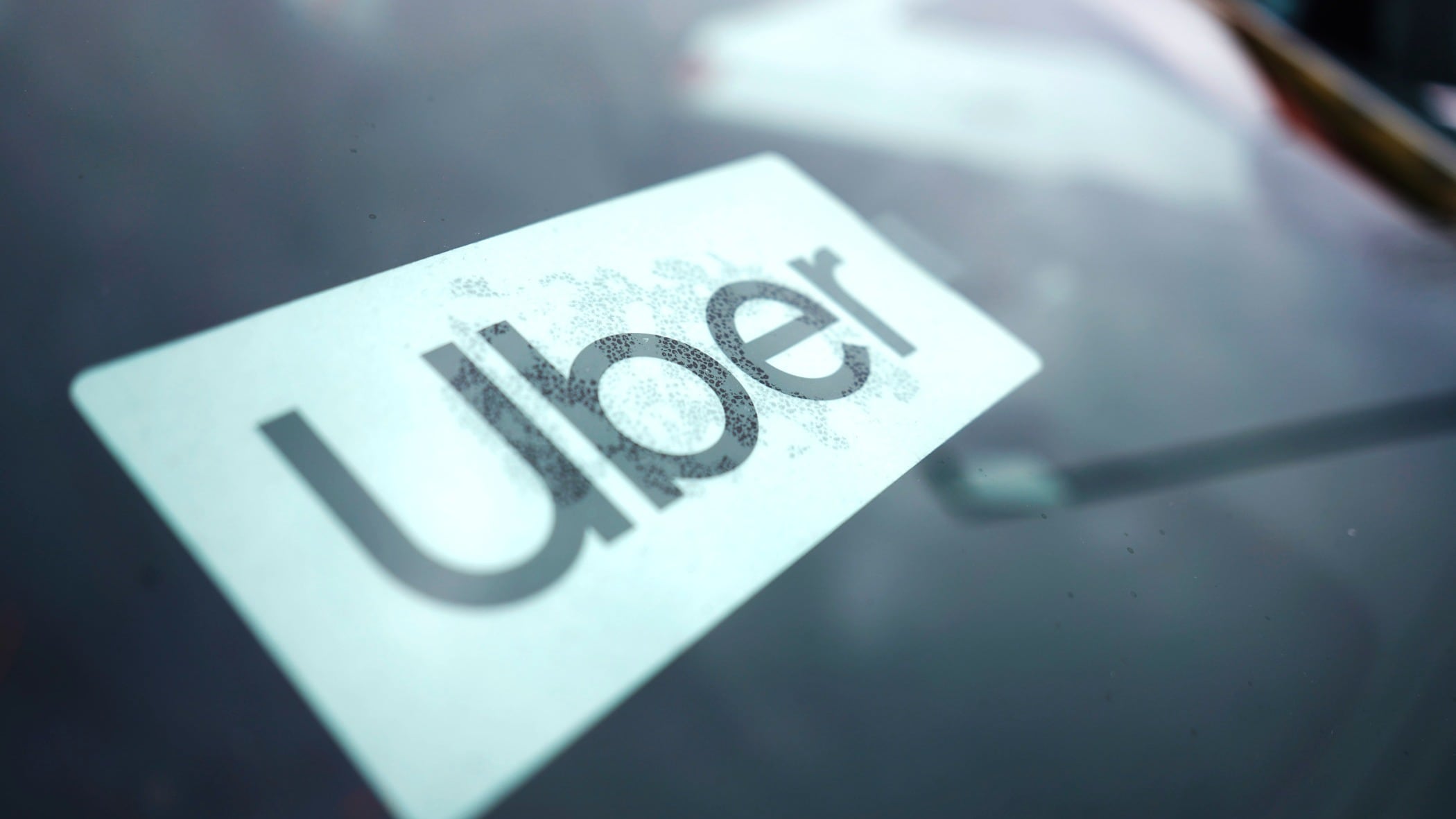
An Uber sign is displayed inside a car in Palatine, Ill., Thursday, Feb. 10, 2022. (AP Photo/Nam Y. Huh, File)
Uber is shutting down alcohol delivery app Drizly, the company confirmed, three years after acquiring the platform for $1.1 billion.
Drizly will officially shut down at the end of March, Uber told The Associated Press. That means orders are open until then, Drizly said in details posted on X, the platform formerly known as Twitter.
"We'll be sure to let you know when it's last call," Drizly wrote in a post Monday.
In a prepared statement, Uber's senior vice president of delivery Pierre Dimitri Gore-Coty said that the company decided to close Drizly's business and "focus on our core Uber Eats strategy of helping consumers get almost anything — from food to groceries to alcohol — all on a single app."
Uber purchased Drizly in a cash-and-stock deal back in 2021. The Boston-based subsidiary continued to operate as a standalone app, with its marketplace also integrated into the Uber Eats platform.
Drizly currently delivers beer, wine and spirits in states where it's legal, and partners with retailers across North America.
Regulators accused the alcohol delivery app of security failures several years ago that exposed personal information of some 2.5 million customers. To resolve these allegations, Drizly later agreed to tighten security and limit data collection.
Axios first reported on Uber's decision to shutter Drizly Monday.
In a Tuesday email to The AP, Uber said it plans to learn from Drizly's time in the industry as the company continues to grow its own "BevAlc" offerings, which are currently available in 35 U.S. states and 25 countries worldwide. The San Francisco company added that the majority of current Drizly customers also have Uber accounts.
James Gallagher, CEO and Co-Founder of GreenLite, discusses the challenges of rebuilding the fire-affected LA area and how permitting complicates the process.
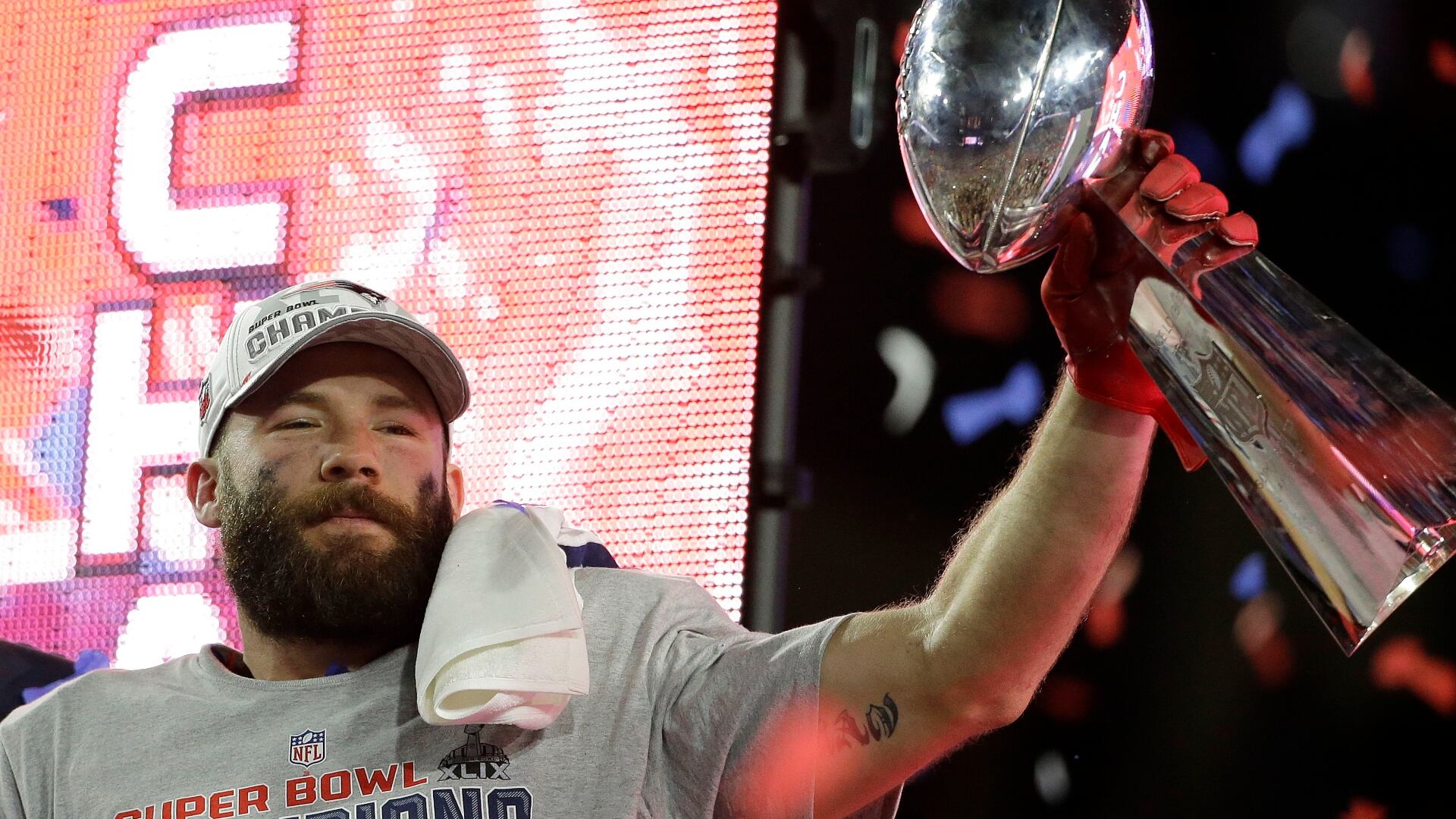
Super Bowl Champion, Julian Edelman, talks Chiefs' conspiracies, his fave TSwift song and his bet for Super Bowl LIX. Plus, the best time for a bathroom break.
Ron Hammond, Sr. Director of Government Relations at the Blockchain Association, breaks down Trump’s plan to strengthen U.S. leadership in financial technology.
BiggerPockets Money podcast is now available on Cheddar Wednesdays at 10am ET! Mindy Jensen shares how her podcast is helping people gain financial freedom.
The social video platform's future remains in doubt, as players scramble to profit from the chaos. Plus: Big oil gets bigger, DOGE downsizes, and tariffs!
Ty Young, CEO of Ty J. Young Wealth Management, joins Cheddar to discuss Trump's moves as he returns to Washington D.C. and how it may affect the U.S. economy.
Starbucks’ decision to restrict its restrooms to paying customers has flushed out a wider problem: a patchwork of restroom use policies that varies by state and city. Starbucks announced last week a new code of conduct that says people need to make a purchase if they want to hang out or use the restroom. The coffee chain's policy change for bathroom privileges has left Americans confused and divided over who gets to go and when. The American Restroom Association, a public toilet advocacy group, was among the critics. Rules about restroom access in restaurants vary by state, city and county. The National Retail Federation says private businesses have a right to limit restroom use.