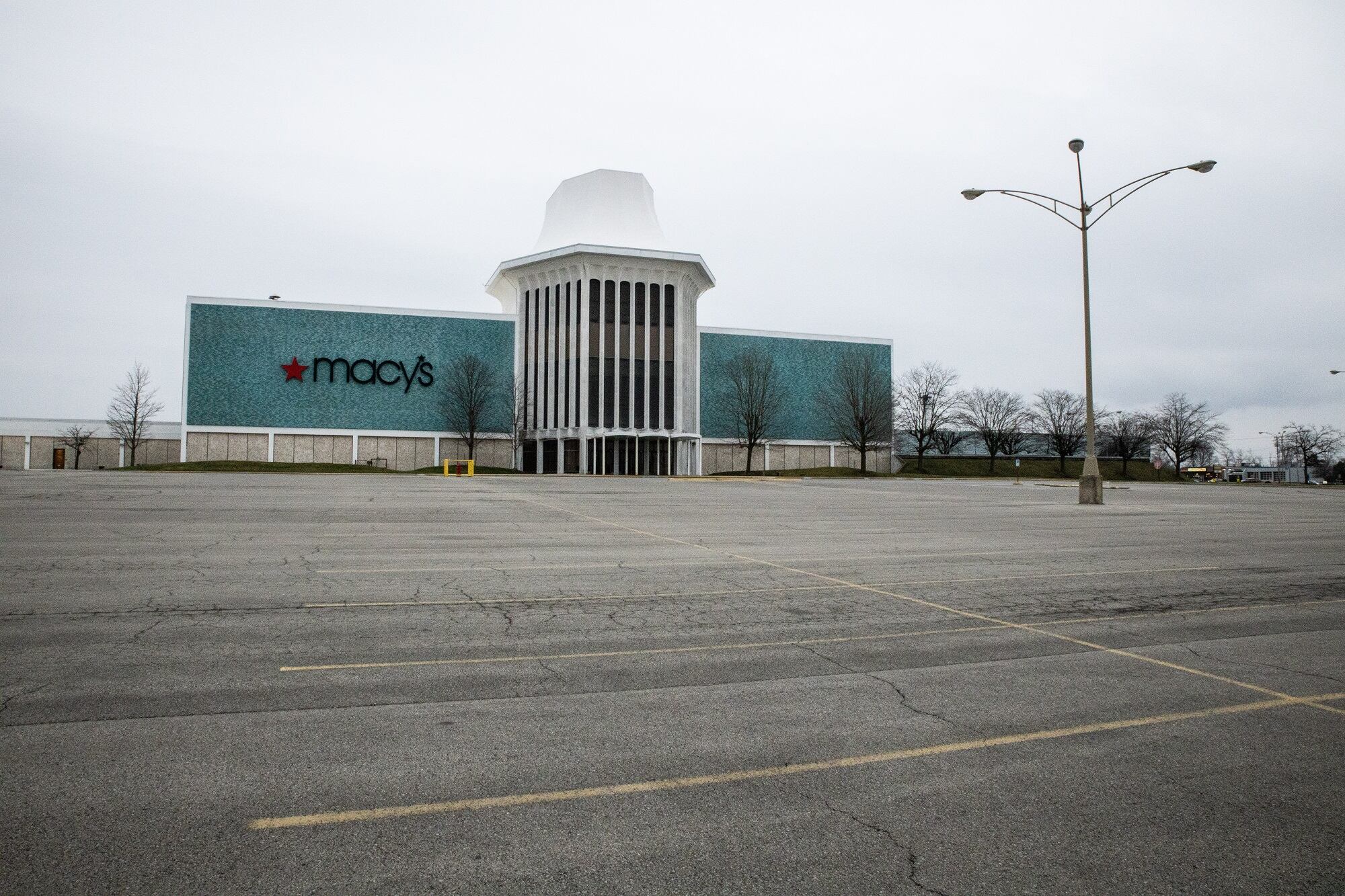
A closed shopping mall is seen in Lima, Ohio on March 24, 2020 amidst the coronavirus pandemic. (Photo by Megan JELINGER/Anadolu Agency via Getty Images)
By Christopher Rugaber
A record-long streak of U.S. job growth ended suddenly in March after nearly a decade as employers cut 701,000 jobs because of the viral outbreak that's all but shut down the U.S. economy. The unemployment rate jumped to 4.4% from a 50-year low of 3.5%.
Last month's actual job loss was likely even larger because the government surveyed employers before the heaviest layoffs hit in the past two week. Nearly 10 million Americans applied for unemployment benefits in the last two weeks of March, far exceeding the figure for any corresponding period on record.
Virus-induced shutdowns have forced widespread layoffs throughout the economy, from hotels, restaurants and movie theaters to auto factories, department stores and administrative offices.
One sign of how painfully deep the job losses will likely prove to be: During its nearly decade-long hiring streak, the U.S. economy added 22.8 million jobs. Economists expect the April jobs report being released in early May to show that all those jobs will have been lost.
Altro founder and CEO Michael Broughton shares how his company is bringing both expanded credit access and financial wellness to underserved consumers, plus netting early investments from Tinashe, Quavo, and Jay Z’s Marcy Ventures.
Portillo’s CEO Michael Osanloo discusses the company’s decades of profitability, opening restaurants in new markets, and why it doesn’t need trends like dynamic pricing.
Adam Turnquist, Chief Technical Strategist for LPL Financial, weighs in on the latest CPI data, what could get the Fed to lower borrowing costs, and the crypto rally.
Mark Hamrick, senior economic analyst at Bankrate, breaks down the current housing market and why he’s expecting affordability will get better as the year goes on.