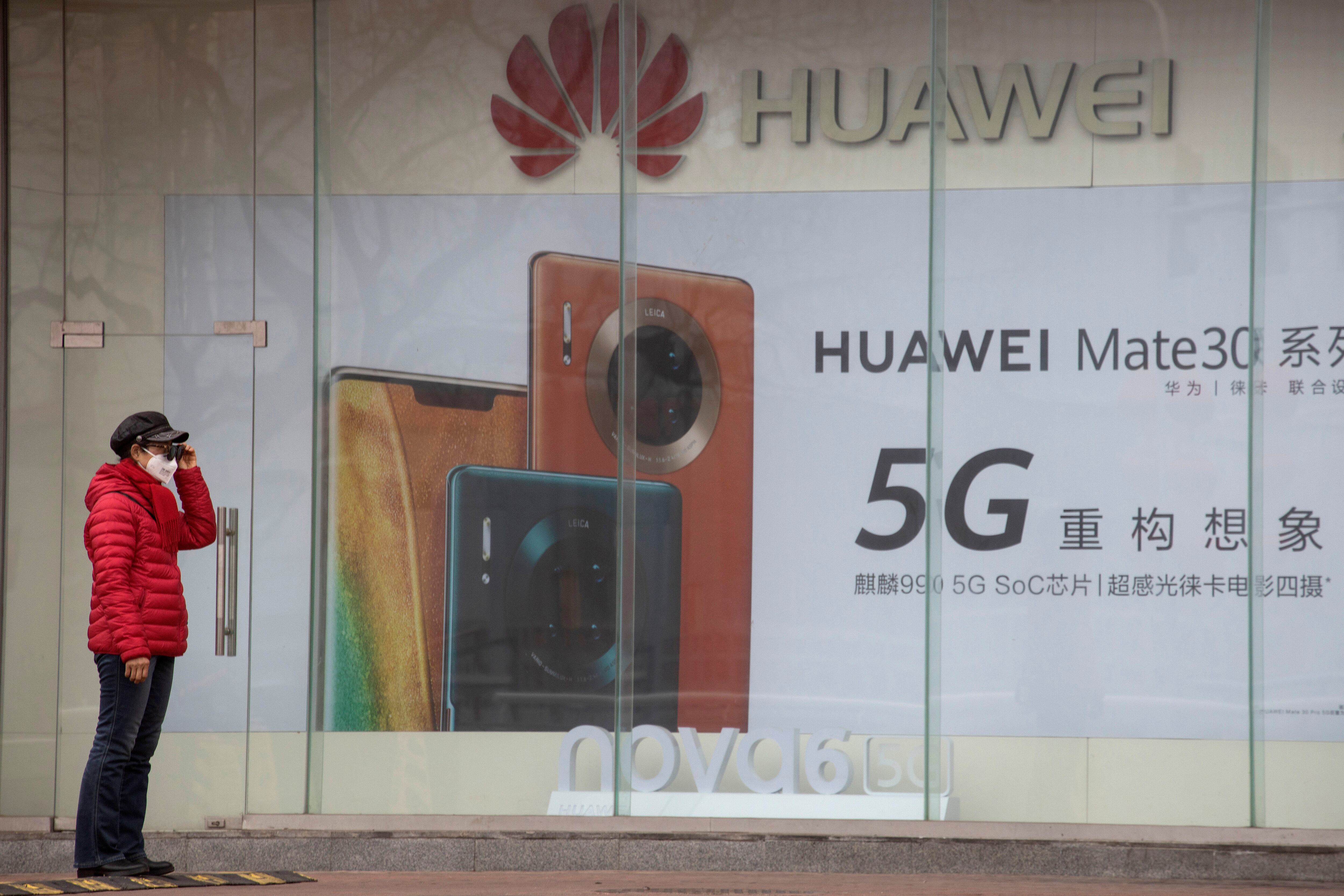
In this photo taken Sunday, March 8, 2020, a woman wearing a mask against COVID-19 stands near an advertisement for Huawei mobile phones in Beijing. (AP Photo/Ng Han Guan)
The U.S. government is imposing new restrictions on Chinese tech giant Huawei by limiting its ability to use American technology to build its semiconductors.
The Commerce Department said Friday the move aims to cut off Huawei's undermining of existing U.S. sanctions.
The new restriction is separate from an ongoing Trump administration reprieve on U.S. technology sales to Huawei. The U.S. government blacklisted the Chinese tech company a year ago, deeming it a national security risk, but the limited reprieve allows wireless companies to keep offering service in remote parts of the U.S.
The Commerce Department said this week that reprieve is being extended for another 90 days.
But numerous loopholes have been exploited, especially as U.S. companies continued to supply Huawei with chips made outside the United States. The Commerce Department said the new restriction will “narrowly and strategically" target Huawei’s acquisition of semiconductors built in overseas foundries but using U.S. software and technology.
Cheddar News' Courtney Sturgeon reports live from the options trading floor on the 50th annivesrary of Cboe to break down the global impact of the U.S. options industry, and an outlook on the options market.
A new survey from the National Council for Mental Wellbeing shows that four in five behavioral health workers were concerned that labor shortages in their field “negatively impact society as a whole.”
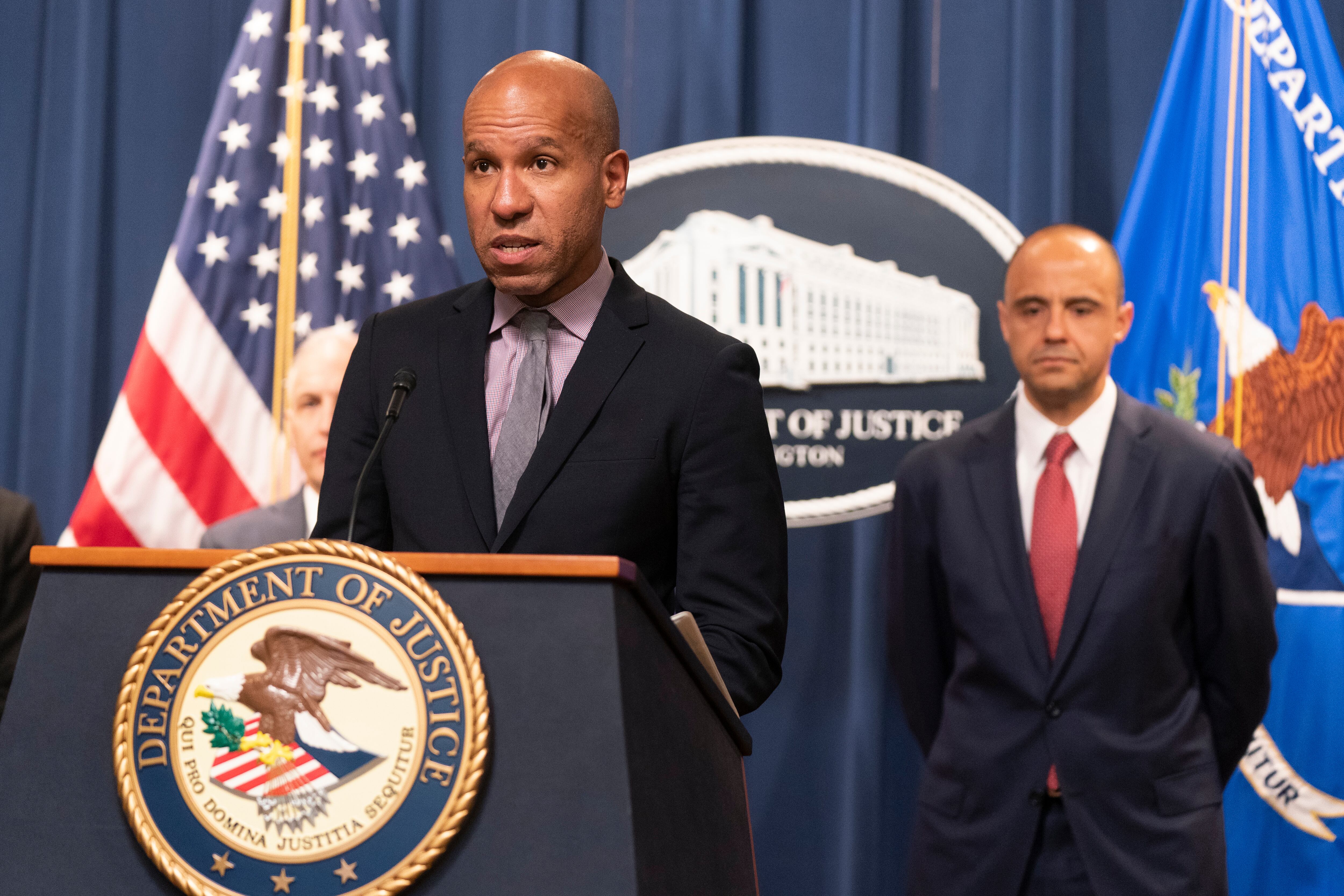
A British tobacco company has agreed to pay more than $629 million to settle allegations that it did illegal business with North Korea in violation of U.S. sanctions, the Justice Department said Tuesday.
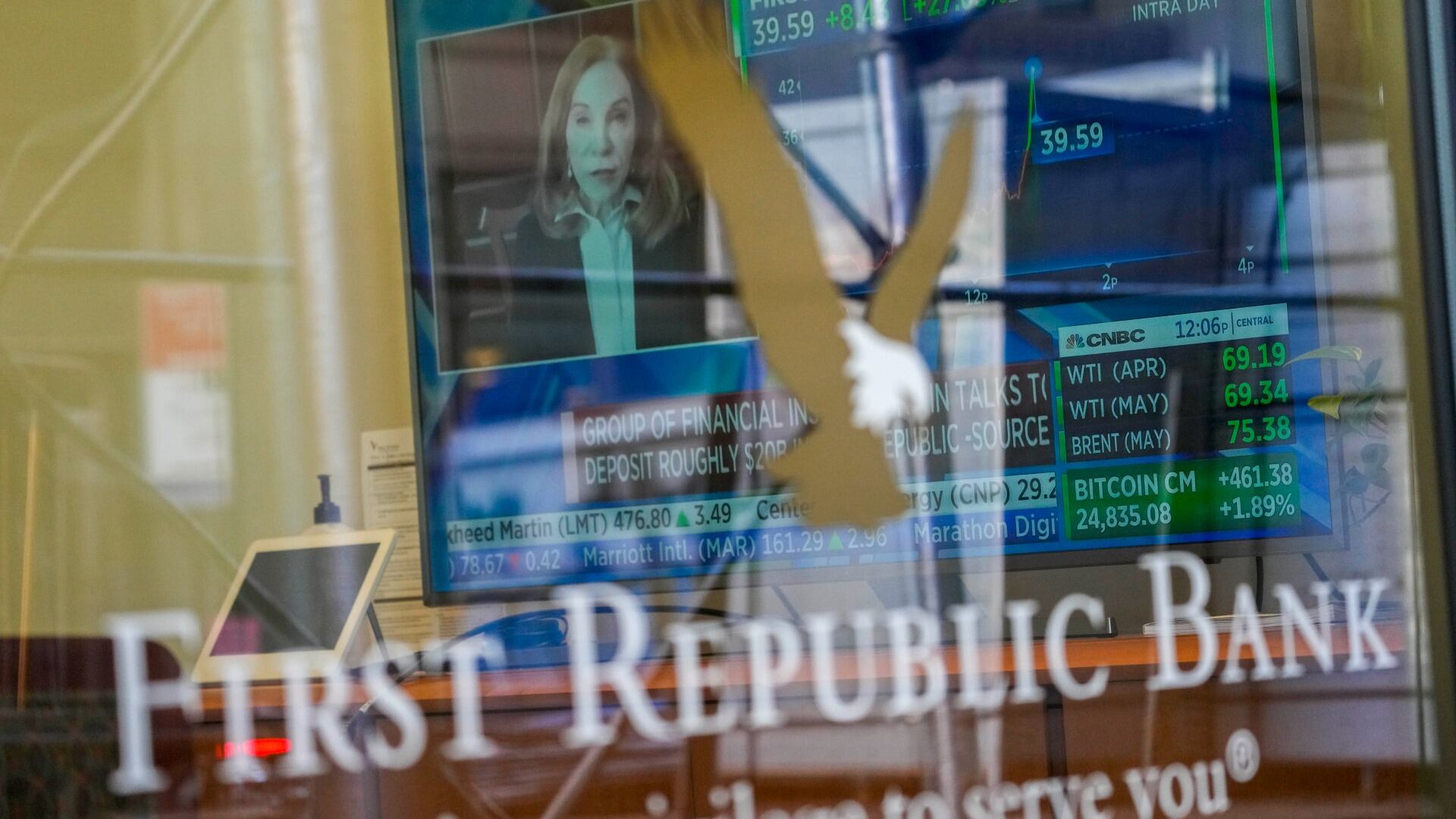
First Republic Bank's stock plunged Tuesday after it said depositors withdrew more than $100 billion during last month’s crisis, with fears swirling that it could be the third bank to fail after the collapse of Silicon Valley Bank and Signature Bank.
Strong U.S. sales helped General Motors increase its first-quarter net profit 19% over a year ago, leading the company to raise its full-year earnings guidance on expectations that people will keep buying new vehicles.