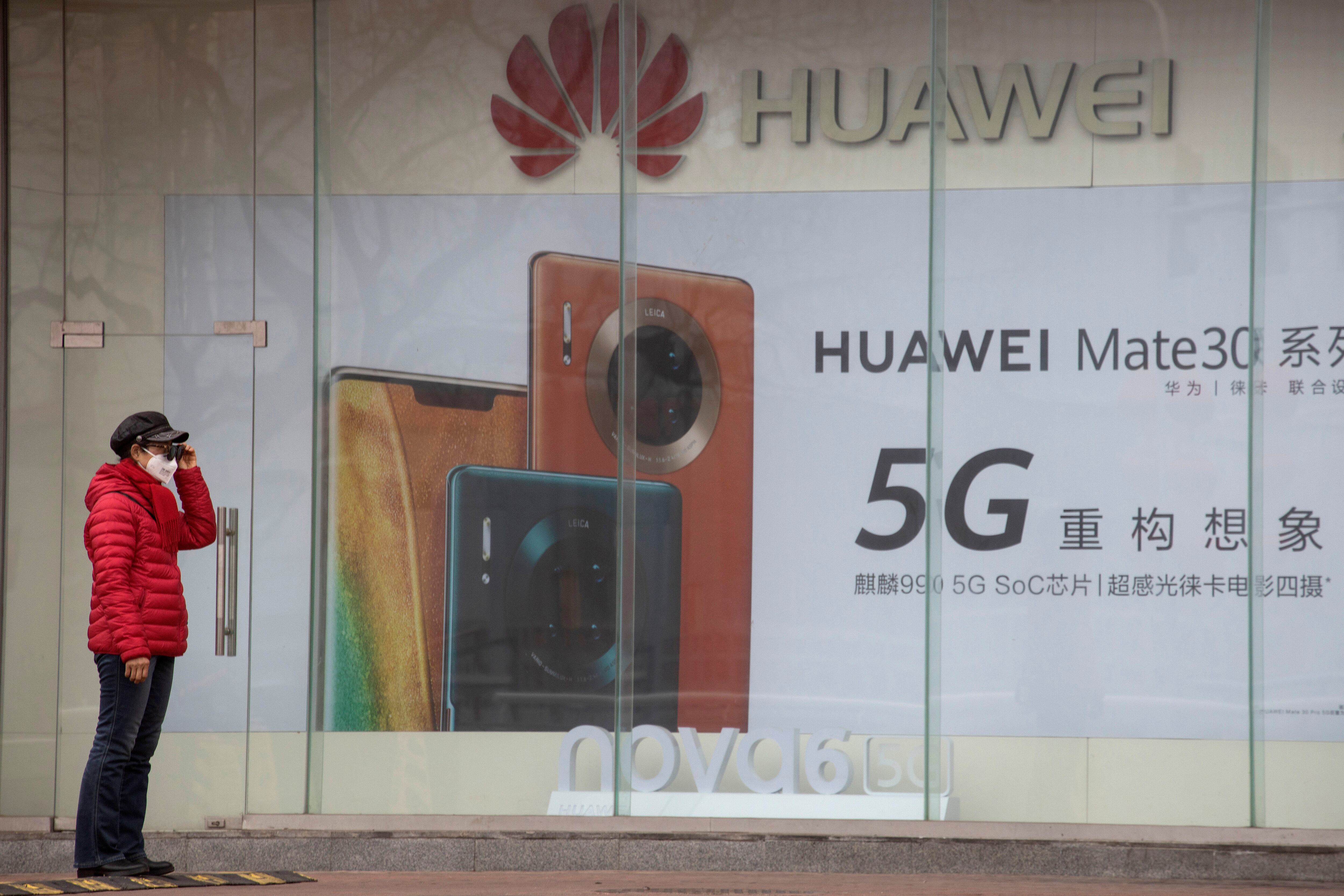
In this photo taken Sunday, March 8, 2020, a woman wearing a mask against COVID-19 stands near an advertisement for Huawei mobile phones in Beijing. (AP Photo/Ng Han Guan)
The U.S. government is imposing new restrictions on Chinese tech giant Huawei by limiting its ability to use American technology to build its semiconductors.
The Commerce Department said Friday the move aims to cut off Huawei's undermining of existing U.S. sanctions.
The new restriction is separate from an ongoing Trump administration reprieve on U.S. technology sales to Huawei. The U.S. government blacklisted the Chinese tech company a year ago, deeming it a national security risk, but the limited reprieve allows wireless companies to keep offering service in remote parts of the U.S.
The Commerce Department said this week that reprieve is being extended for another 90 days.
But numerous loopholes have been exploited, especially as U.S. companies continued to supply Huawei with chips made outside the United States. The Commerce Department said the new restriction will “narrowly and strategically" target Huawei’s acquisition of semiconductors built in overseas foundries but using U.S. software and technology.
Brian Vendig, president of MJP Wealth Advisors, joined Cheddar News to discuss the market ahead of the Federal Reserve's meeting on Wednesday and as investors digest JPMorgan's takeover of First Republic Bank, which was recently seized by regulators. A slew of earnings are also slated to be released this week as well.
The saga of Adidas' high-profile break-up with Ye, formerly known as Kanye West, continues. Investors have filed a class action lawsuit alleging that executives were aware of Ye's behavioral issues well before Adidas ended its relationship with him last October.
The top financial concern for Americans in 2023 is inflation. Sudha Chandrasekharan, SVP, of Global E-Commerce at Auctane, joins Cheddar News to discuss how this outlook will change consumer spending habits, and why e-commerce is playing a vital role in the economy.
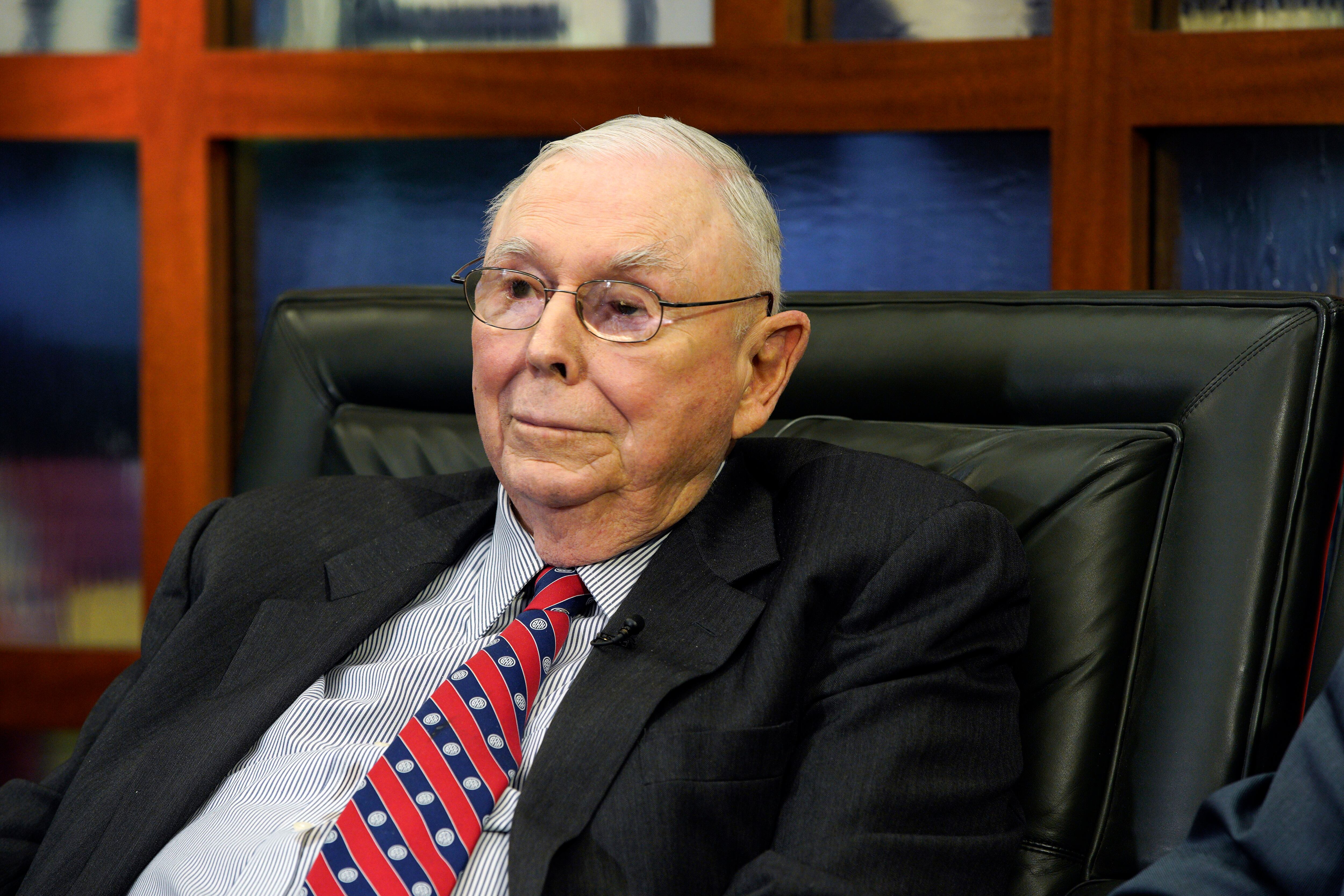
Charlie Munger, vice chairman of Berkshire Hathaway, told the Financial Times that the U.S. commercial property market is in trouble. “It’s not nearly as bad as it was in 2008,” he said. “But trouble happens to banking just like trouble happens everywhere else.”
Labor strife is coming to a head in the entertainment industry, as the Writers Guild of America (WGA) said it's prepared to strike at midnight Tuesday if it doesn't come to terms with the Alliance of Motion Picture and Television Producers (AMPTP).