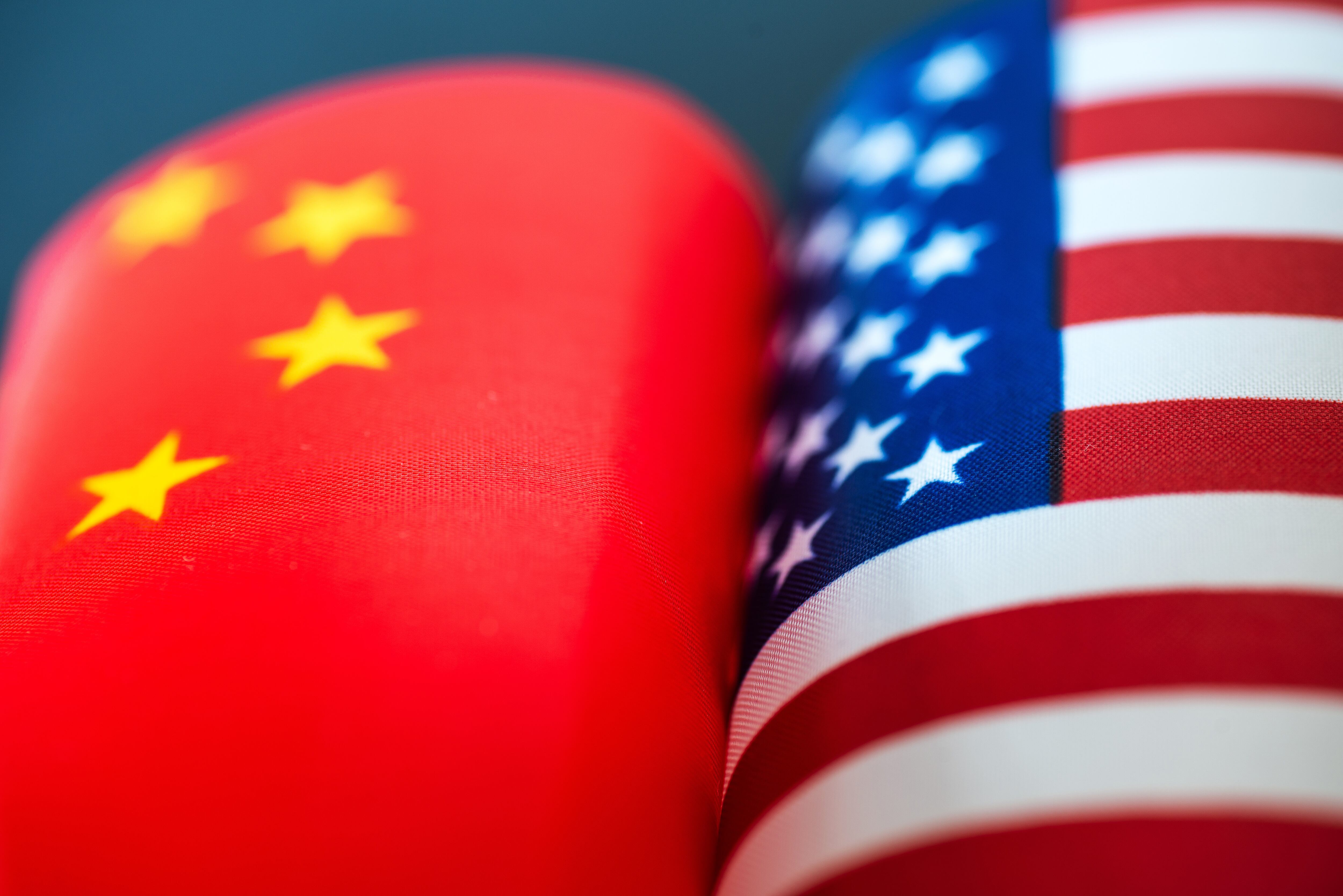
Stocks in the U.S. opened higher Tuesday, reversing pre-market losses after a report in the Wall Street Journal signified that American and Chinese negotiators were preparing to delay the next round of tariffs, scheduled to go into effect Sunday. The Journal cited sources close to the matter on both sides of the table.
Dec. 15 is the date that U.S. tariffs on Chinese imports would increase and hit the consumer electronics industry especially hard. Chinese-made products like Bluetooth headphones, smart watches, and other smart devices have been spared, so far, in the 17-month trade war.
Scheduled tariffs have been delayed in the past as the two sides appeared to show progress in reaching a "phase one" deal, though it has yet to materialize. One of the largest impediments to the deal remains China's refusal to commit to buying more agricultural products and farming equipment from the U.S., according to the Journal. American farmers are considered by the White House to be a key bloc of support for President Trump's re-election.
News that the Dec. 15 deadline could be punted came as President Trump and House Speaker Nancy Pelosi appear to be on the verge of announcing a separate trade deal, known as UMSCA, which would involve just Mexico and Canada, replacing NAFTA. That deal could be announced as soon as this week ー raising the specter of House Democrats handing the president a major policy victory just as they also prepare to impeach him.
Credit Suisse violated a plea agreement with U.S. authorities by failing to report secret offshore accounts that wealthy Americans used to avoid paying taxes, U.S. lawmakers said Wednesday.
Honda is recalling more than 330,000 vehicles because heating pads behind both side-view mirrors may not be bonded properly, which could lead to the mirror glass falling out and increase the risk of a crash.
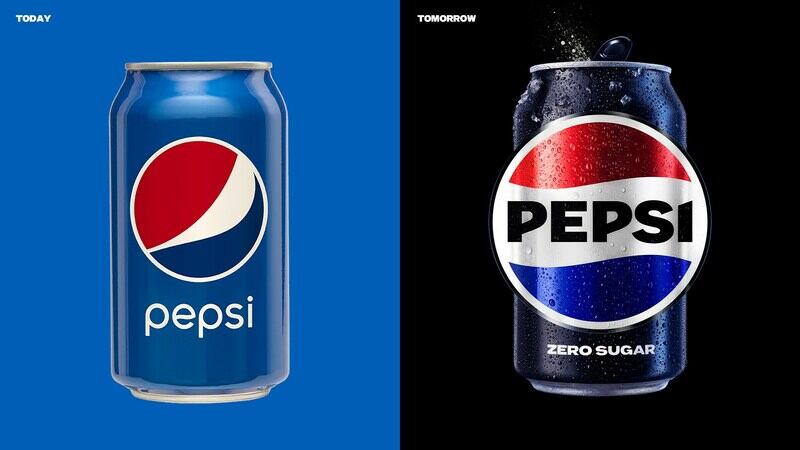
PepsiCo just unveiled a new nostalgic logo, and it might look familiar to long-time fans of the bubbly beverage. The new logo is a slightly modified version of the one last used in the 1990s.
U.S. highway safety regulators have opened yet another investigation into problems with Teslas, this time tied to complaints that the seat belts may not hold people in a crash.
Kia McCallister-Young, director of America Saves, joined Cheddar News to explain key differences to consider when making a choice between a credit union and a bank. "You want to do your research and know exactly how to gain membership to a credit union," she said, "but, again, banks often are able to be more accessible and be in neighborhoods."
Cheddar News breaks down what to look for on The Day Ahead. The House will hold a hearing on the federal response to the recent banking issues while Starbucks CEO will testify on Capitol Hill about union-busting claims. Disney Parks workers are set to vote on a new contract proposal.