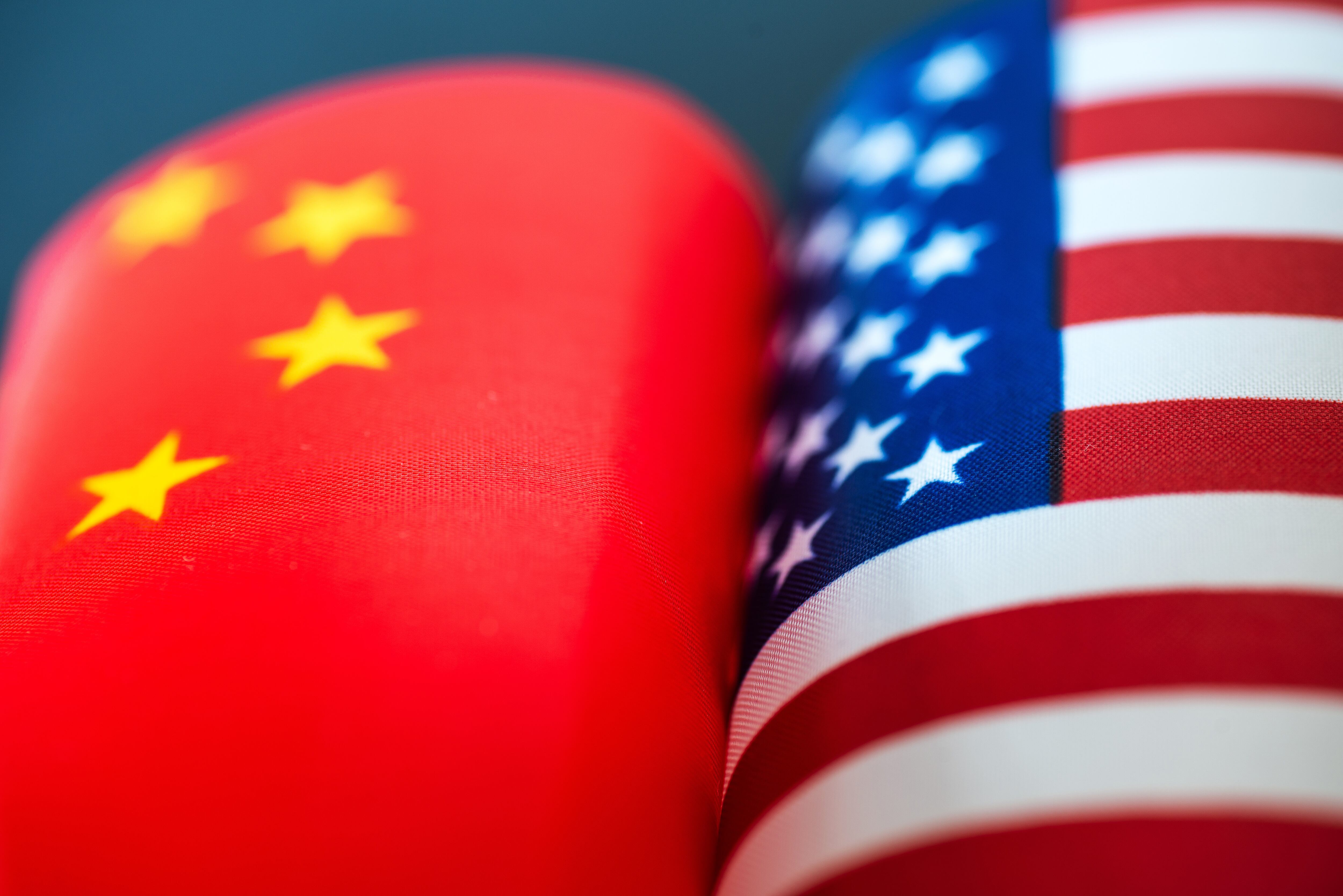
Stocks in the U.S. opened higher Tuesday, reversing pre-market losses after a report in the Wall Street Journal signified that American and Chinese negotiators were preparing to delay the next round of tariffs, scheduled to go into effect Sunday. The Journal cited sources close to the matter on both sides of the table.
Dec. 15 is the date that U.S. tariffs on Chinese imports would increase and hit the consumer electronics industry especially hard. Chinese-made products like Bluetooth headphones, smart watches, and other smart devices have been spared, so far, in the 17-month trade war.
Scheduled tariffs have been delayed in the past as the two sides appeared to show progress in reaching a "phase one" deal, though it has yet to materialize. One of the largest impediments to the deal remains China's refusal to commit to buying more agricultural products and farming equipment from the U.S., according to the Journal. American farmers are considered by the White House to be a key bloc of support for President Trump's re-election.
News that the Dec. 15 deadline could be punted came as President Trump and House Speaker Nancy Pelosi appear to be on the verge of announcing a separate trade deal, known as UMSCA, which would involve just Mexico and Canada, replacing NAFTA. That deal could be announced as soon as this week ー raising the specter of House Democrats handing the president a major policy victory just as they also prepare to impeach him.
A new complaint by an advocacy group is urging the Federal Trade Commission to open up an investigation into OpenAI, accusing it of violating part of an FTC Act that prohibits unfair and deceptive business practices.
Kim Billeter, EY Americas People Advisory Services Leader, joins Cheddar News to discuss why empathy is seen as a top leadership skill, and how to authentically lead with empathy.
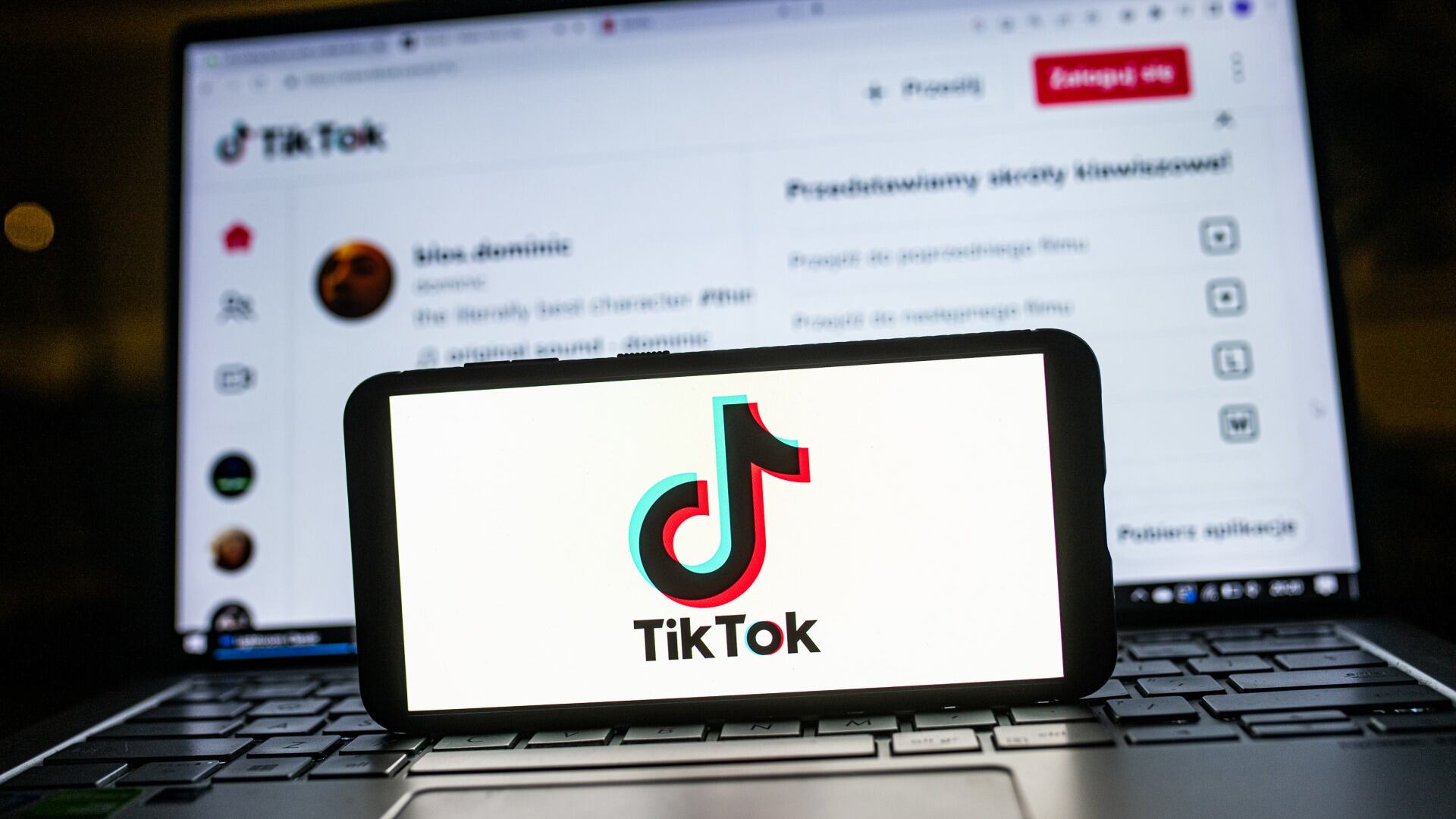
The state of Arkansas sued TikTok and Facebook parent Meta on Tuesday, claiming the social media companies were misleading consumers about the safety of children on their platforms and protections of users' private data.
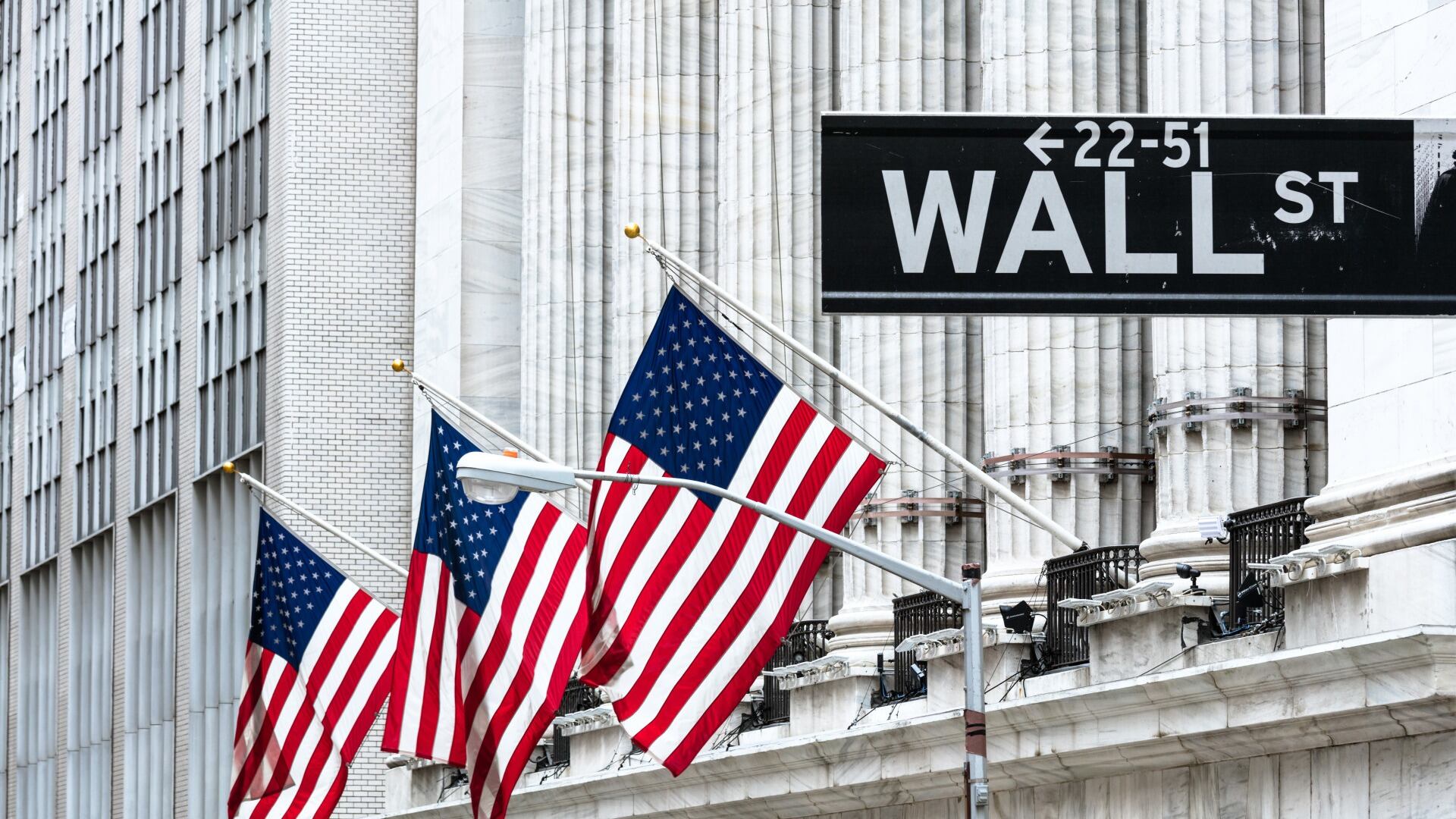
Stocks are rising again as a bit more fear evaporates from Wall Street. The S&P 500 was up 0.7% early Thursday. The benchmark index is on pace for its fifth gain in the last six days.
The Federal Deposit Insurance Corp. is set to pay almost $23 billion to stabilize the banking sector. That money comes from an insurance fund that is refilled through fees paid by banks. Now the agency is considering a special assessment on the entire industry to help make up the costs, according to a Bloomberg report.
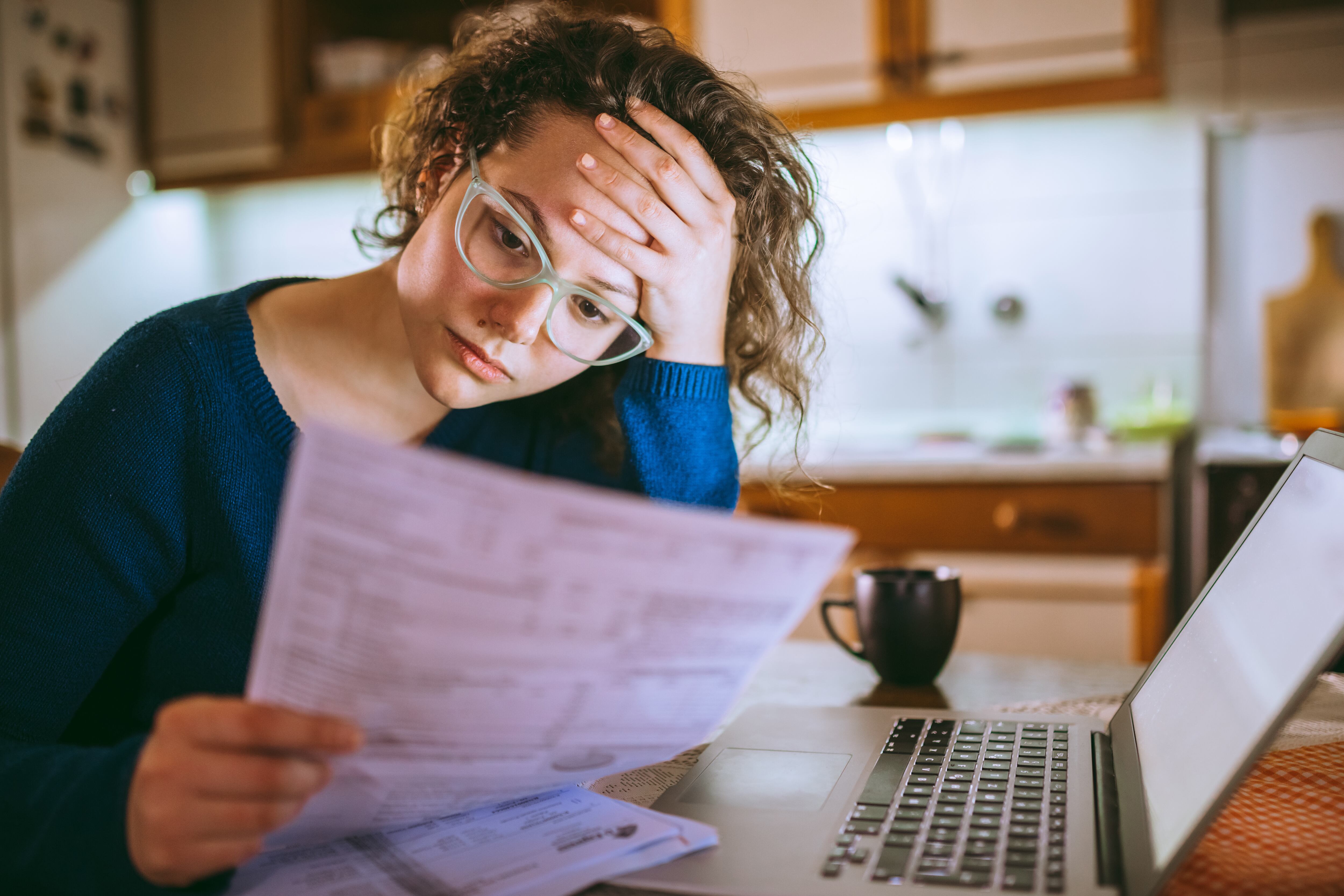
About 61% of Americans say the economy is impacting their mental health, according to a PayPal survey. Shanthi Sarkar, vice president of financial services at PayPal, joined Cheddar News to break down some key takeaways from the survey and offer tips on saving and managing money.