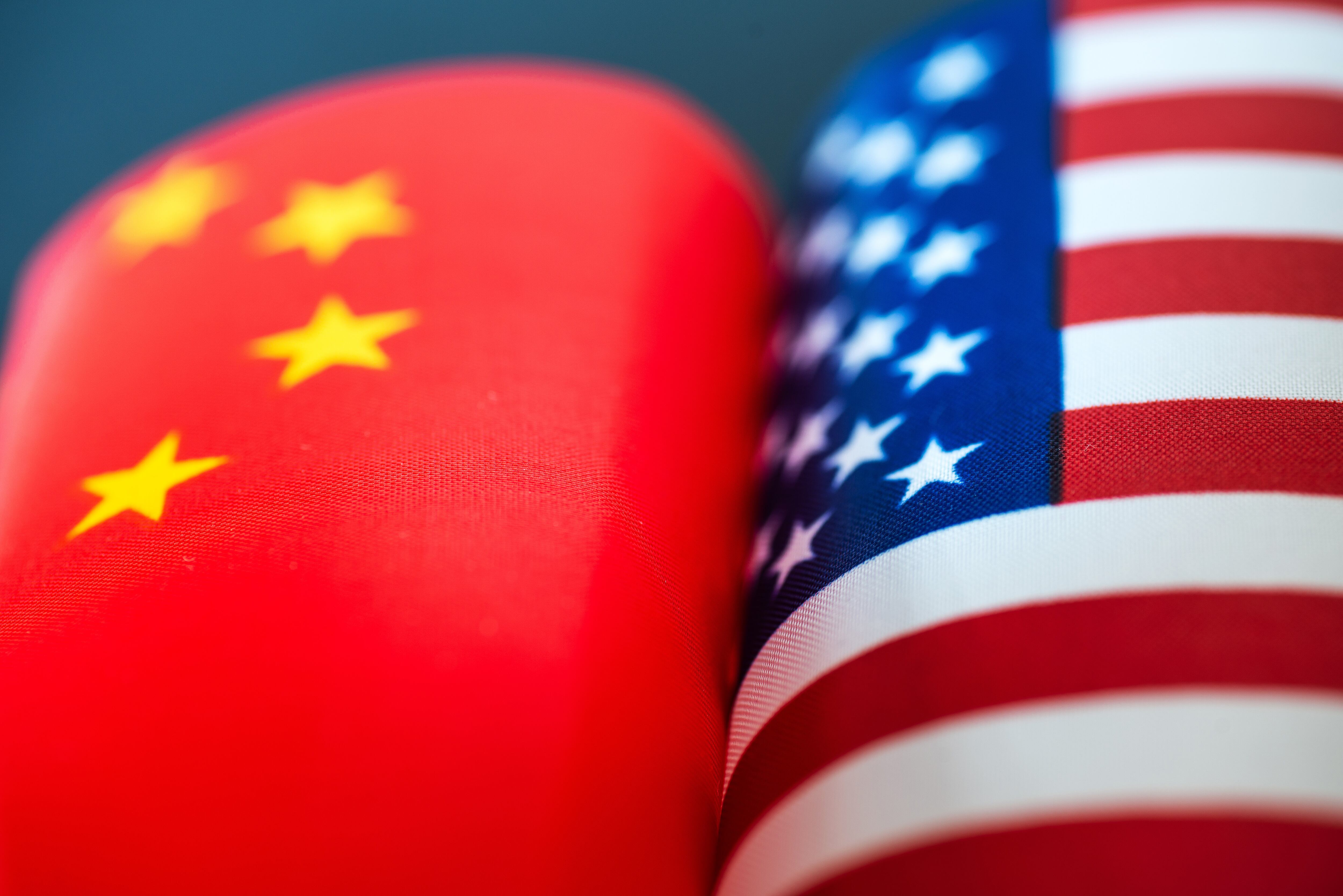
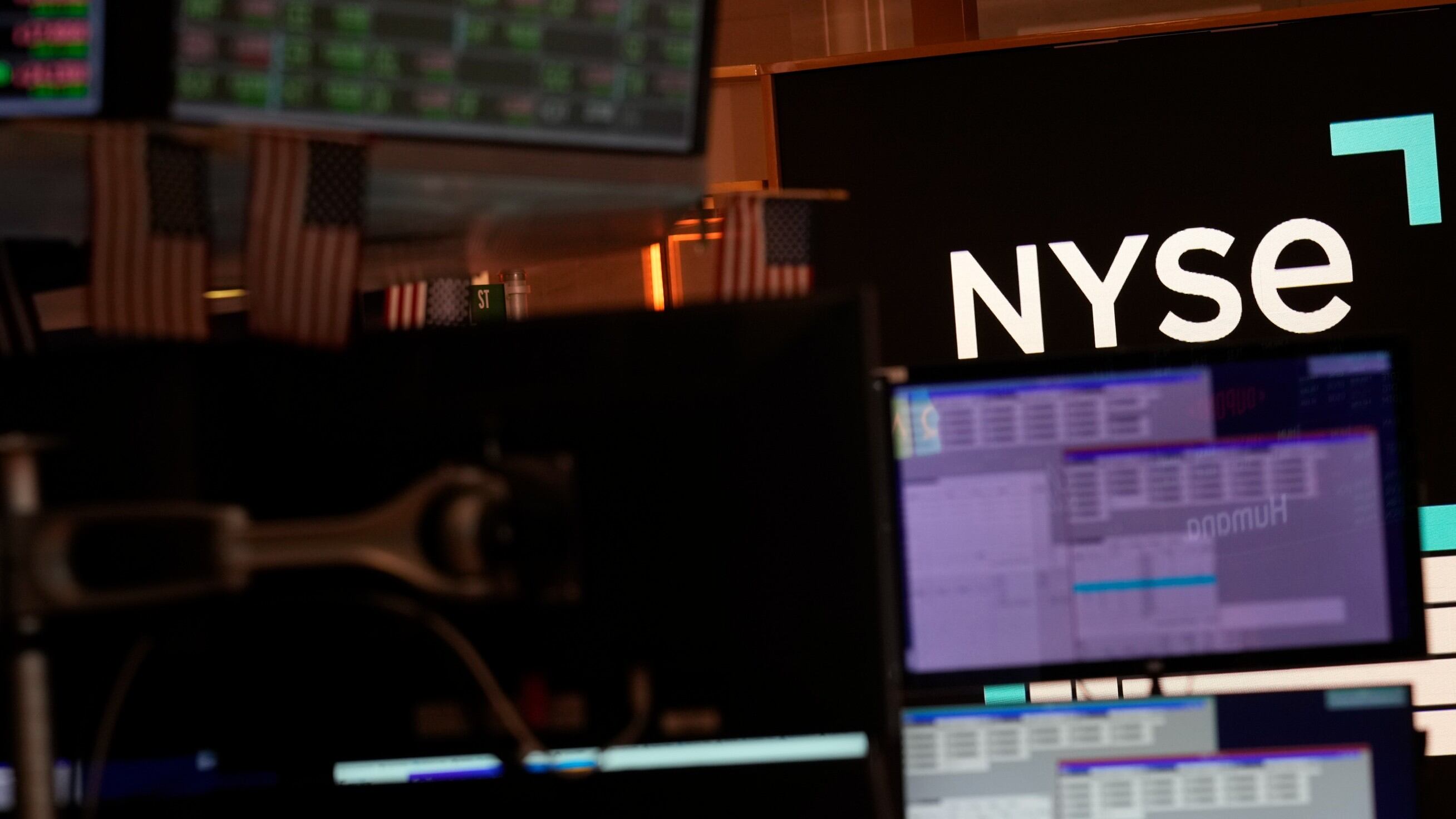
Stocks in the U.S. opened higher Tuesday, reversing pre-market losses after a report in the Wall Street Journal signified that American and Chinese negotiators were preparing to delay the next round of tariffs, scheduled to go into effect Sunday. The Journal cited sources close to the matter on both sides of the table.
Dec. 15 is the date that U.S. tariffs on Chinese imports would increase and hit the consumer electronics industry especially hard. Chinese-made products like Bluetooth headphones, smart watches, and other smart devices have been spared, so far, in the 17-month trade war.
Scheduled tariffs have been delayed in the past as the two sides appeared to show progress in reaching a "phase one" deal, though it has yet to materialize. One of the largest impediments to the deal remains China's refusal to commit to buying more agricultural products and farming equipment from the U.S., according to the Journal. American farmers are considered by the White House to be a key bloc of support for President Trump's re-election.
News that the Dec. 15 deadline could be punted came as President Trump and House Speaker Nancy Pelosi appear to be on the verge of announcing a separate trade deal, known as UMSCA, which would involve just Mexico and Canada, replacing NAFTA. That deal could be announced as soon as this week ー raising the specter of House Democrats handing the president a major policy victory just as they also prepare to impeach him.
The price of one kitchen staple is dropping at a historic rate. In May, egg prices had their largest monthly decline in 72 years. Ricky Richardson, CEO of South Carolina-based Eggs Up Grill, joined Cheddar News to discuss the state of play in the egg industry as prices fall while food costs overall are on the rise again. Egg prices are "returning to more normal levels now, we're running down about 40% on a year-over-year basis," he said.
Eric Lynch, managing director of Scharf Investments, joined Cheddar News to discuss market trends and what lies ahead as the Federal Reserve paused interest rate hikes.
On this edition of Stretching Your Dollar, AJ Ayers, certified financial planner and co-founder of Brooklyn Fi, provided some tips on how to boost your credit score.
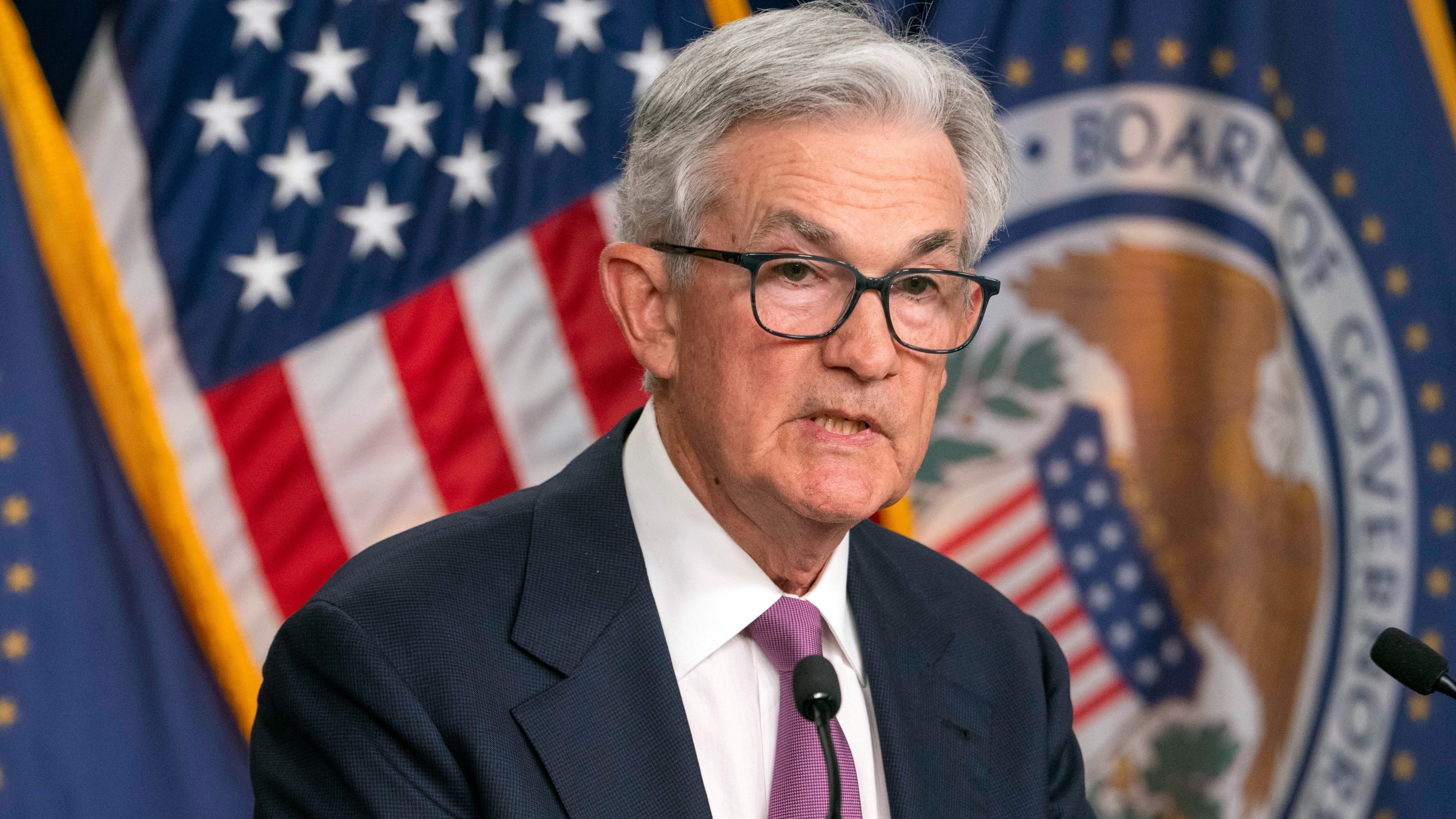
The Federal Reserve, having raised interest rates at the fastest pace in four decades, is poised Wednesday to leave rates alone for the first time in 15 months to allow time to gauge the impact of its aggressive drive to tame inflation.