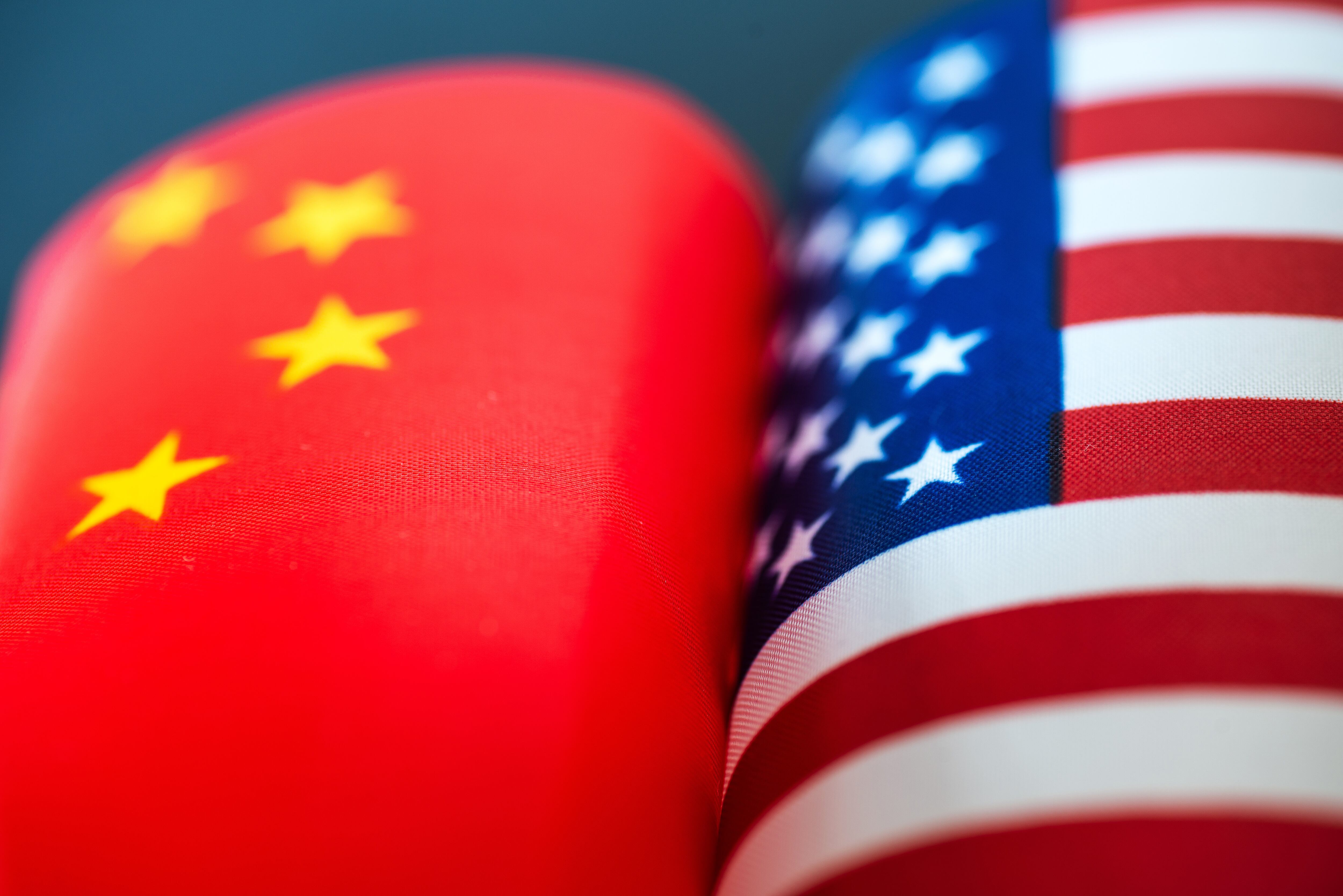
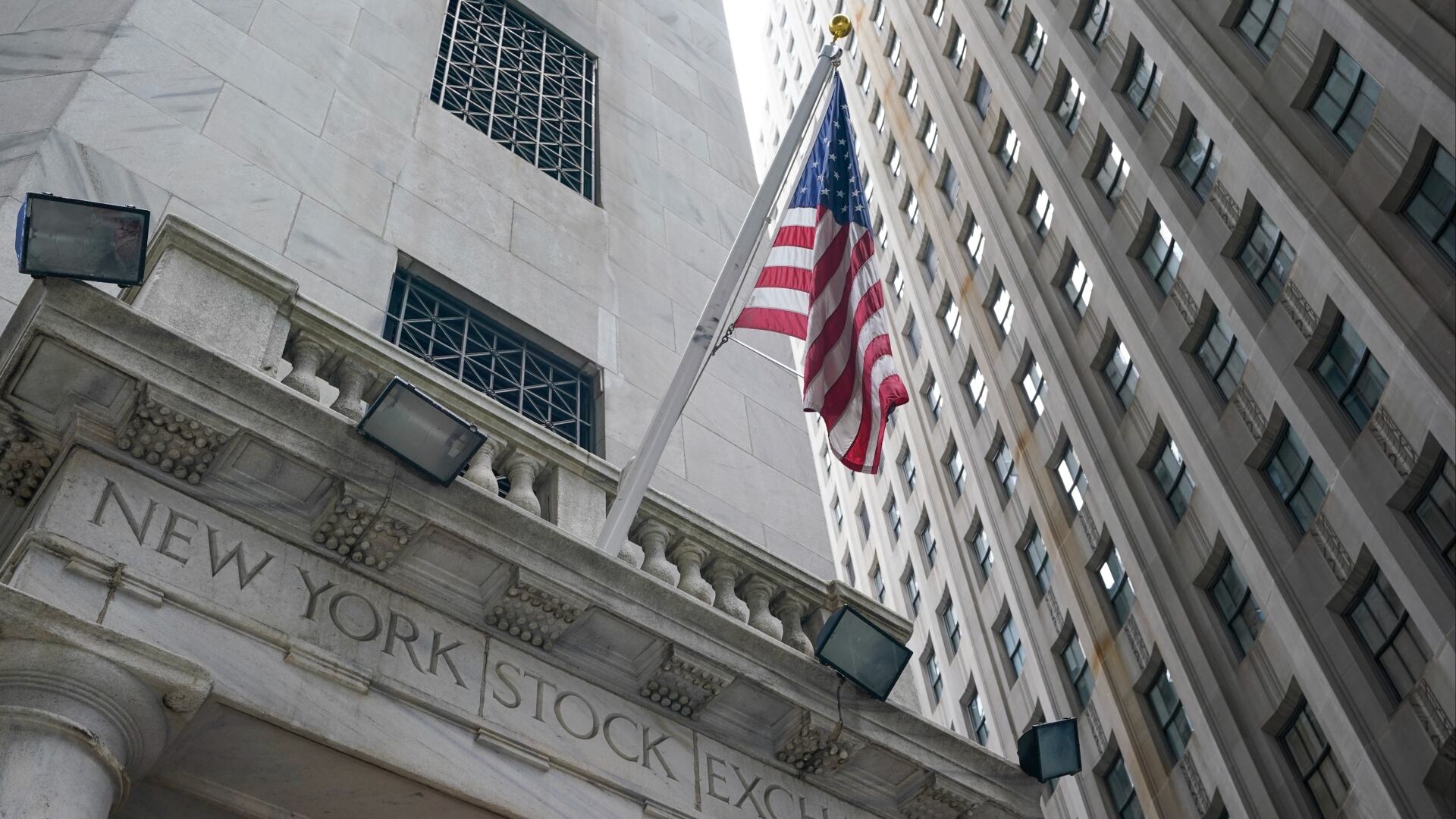
Stocks in the U.S. opened higher Tuesday, reversing pre-market losses after a report in the Wall Street Journal signified that American and Chinese negotiators were preparing to delay the next round of tariffs, scheduled to go into effect Sunday. The Journal cited sources close to the matter on both sides of the table.
Dec. 15 is the date that U.S. tariffs on Chinese imports would increase and hit the consumer electronics industry especially hard. Chinese-made products like Bluetooth headphones, smart watches, and other smart devices have been spared, so far, in the 17-month trade war.
Scheduled tariffs have been delayed in the past as the two sides appeared to show progress in reaching a "phase one" deal, though it has yet to materialize. One of the largest impediments to the deal remains China's refusal to commit to buying more agricultural products and farming equipment from the U.S., according to the Journal. American farmers are considered by the White House to be a key bloc of support for President Trump's re-election.
News that the Dec. 15 deadline could be punted came as President Trump and House Speaker Nancy Pelosi appear to be on the verge of announcing a separate trade deal, known as UMSCA, which would involve just Mexico and Canada, replacing NAFTA. That deal could be announced as soon as this week ー raising the specter of House Democrats handing the president a major policy victory just as they also prepare to impeach him.
The government will require heavy trucks and buses to include automatic emergency braking equipment within five years, the federal traffic safety agency said Thursday, estimating it will prevent nearly 20,000 crashes save at least 155 lives a year.
The Food and Drug Administration on Thursday said it has sent warning letters to dozens of retailers selling fruit- and candy-flavored disposable e-cigarettes, including the current best-selling brand, Elf Bar.
Whether your credit card has declined or if you had difficulty splitting a bill at an outing, those awkward financial moments can get the best of us. Bobbi Robell, founder of Financial Wellness Strategies and author of "Launching Financial Grownups," joined Cheddar News to provide tips on how to handle those tense situations.
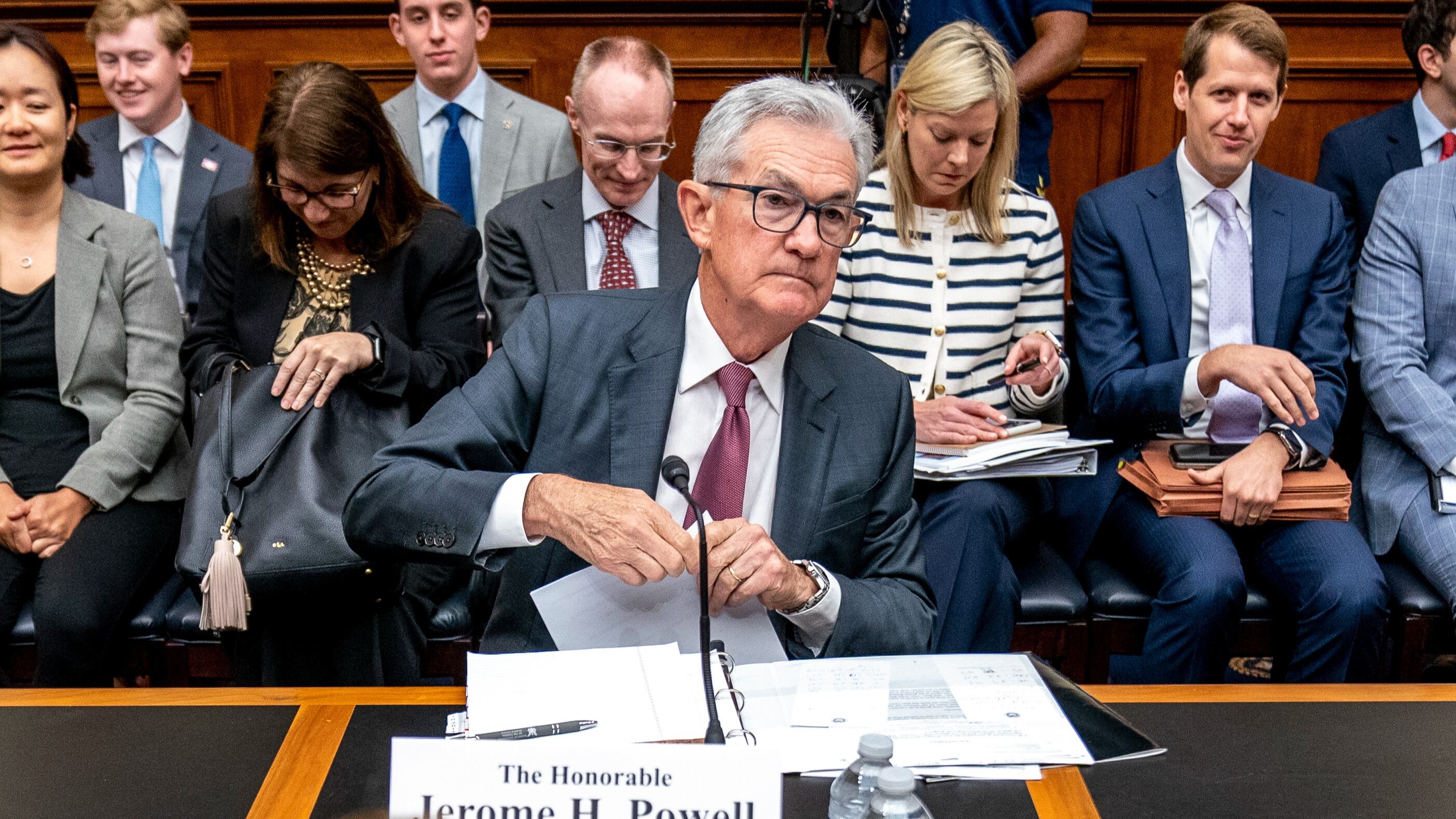
With inflation in the United States still excessive, most Federal Reserve officials expect to raise interest rates further this year, Chair Jerome Powell told a House committee Wednesday.
For the first time, U.S. regulators on Wednesday approved the sale of chicken made from animal cells, allowing two California companies to offer “lab-grown” meat to the nation's restaurant tables and eventually, supermarket shelves.
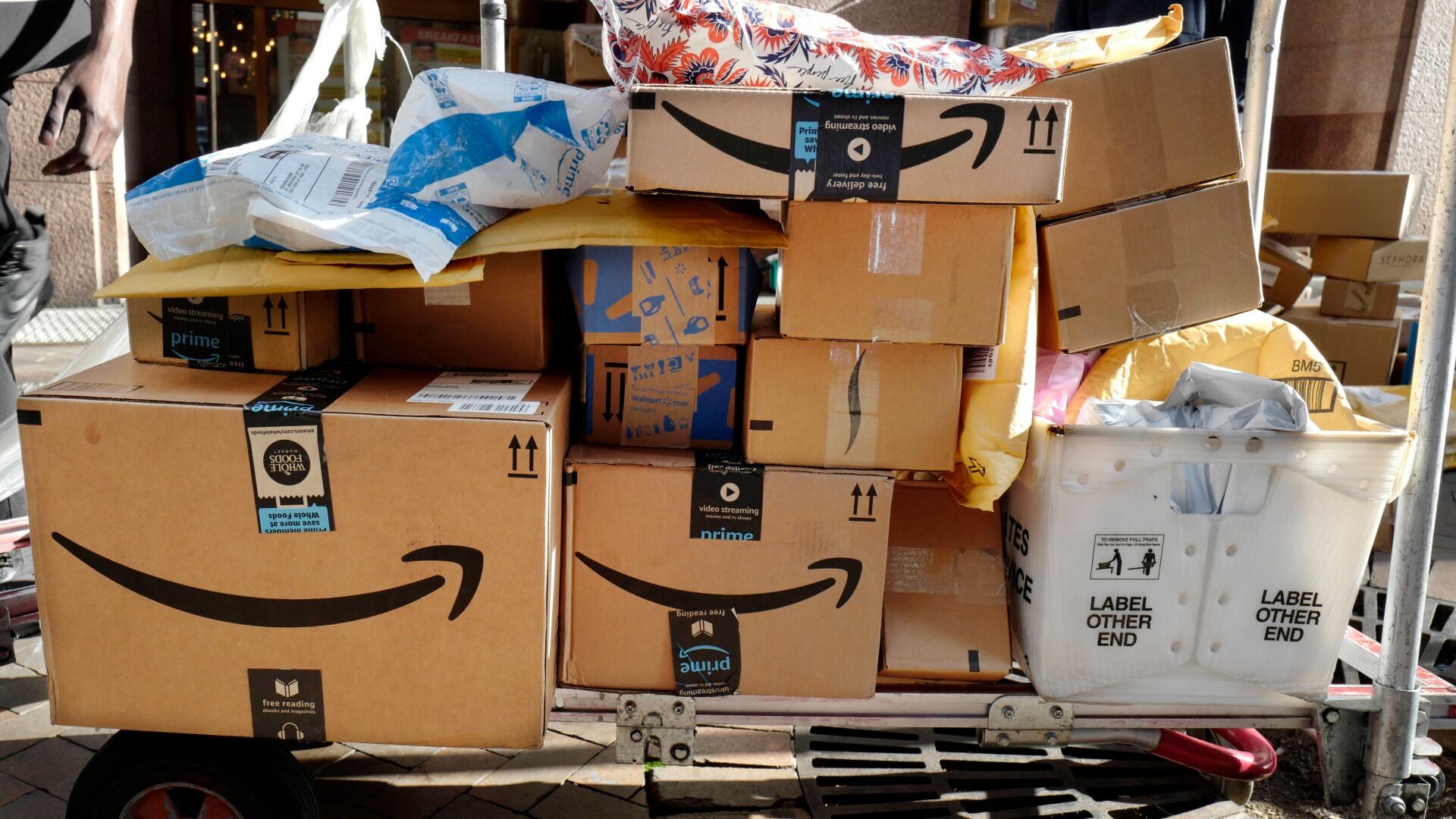
Amazon was sued Wednesday by Federal Trade Commission for what it called a years-long effort to enroll consumers without consent into its Prime program and making it difficult for them to cancel their subscriptions.