*By Brittany Terrell*
Twitter's new slate of premium video content, nearly double what it offered last year, will include shows by some of the biggest TV networks, putting traditional television content on a social media platform that's disrupting long-held viewing habits.
"Obviously the big bet is television," said Kerry Flynn, a media reporter for Digiday. "And one of the biggest announcements was NBC as well as ESPN putting some of their biggest shows and channels on Twitter."
The agreements to stream TV content on Twitter may seem like a gamble for both sides, but Flynn said Tuesday in an interview with Cheddar that it can be an interesting and useful way to develop new viewing habits and test what works and what doesn't in an increasingly digital and fragmented media landscape.
Viewership for live sports, for example, has steadily declined for traditional media outlets like ESPN. In recent years, major sports leagues have turned to nontraditional outlets such as Twitter, Facebook and Amazon to stream sporting events to a wider audience. The NFL, which streamed Thursday Night Football games on Twitter in 2016, will show weeknight games on Amazon for the second year in a row.
Flynn said the major sports leagues, and the TV networks that have traditionally paid big money for the broadcast rights, can afford to experiment on different platforms to see where they can find the most engaged audience outside the usual television paradigm.
Twitter has positioned itself to be a proving ground for live sports content, but what happens when ESPN's parent Disney launches its own streaming service in 2019?
"That's what's super interesting about putting Sports Center Live and Fantasy Football Live on Twitter because if Disney is going to offer something and ESPN already has their stand alone app, what are you doing?" said Flynn. "I agree that maybe longevity is brought into question, but Disney has the time and resources to experiment."
Playing content in various spaces might offer media companies more of an opportunity to diversify and increase ratings, said Flynn.
"I wouldn't say TV is dead at all," she said. "We obviously watch it. But its smart to try to boost the ratings by slowly diversifying it out."
For full interview, [click here](https://cheddar.com/videos/twitter-doubles-down-on-video).
Rita Brooks, Co-Founder of Palmly, joins ChedHER to discuss how she's creating a social networking app for Christians, and her experience being a female founder in the tech industry.
A year after the r/WallStreetBets community on Reddit drove GameStop and other meme stocks to unprecedented heights, the subreddit seems to be losing its luster among retail investors. Caitlin McCabe, markets and retail trading reporter from The Wall Street Journal, joined Cheddar to talk about the waning popularity of the group “Users are going on to find the next GameStop, and instead, they're seeing many of the new users who have joined the subreddit still talking about GameStop and AMC," McCabe noted. "And, they've become frustrated as they're ready to move on from those original meme stocks."
Tech titan Microsoft reported its second fiscal quarter of 2022 earnings on Tuesday, its first earnings report since announcing its plans to acquire gaming company Activision Blizzard in a multibillion dollar deal. Steve Larsen, co-founder of PlannerDAO, explains the role that cloud services played for Microsoft in the quarter and what the future may hold for Microsoft in the midst of the new acquisition.
Microsoft is expected to report financial results for its second fiscal quarter of 2022. It comes after the company beat on its top and bottom line in its previous four quarters. John Freeman of CFRA Research explains what investors will be keeping an eye out for as Microsoft continues to expand its domain.
High-speed connectivity solutions provider Credo went public on the Nasdaq on Thursday, raising $200 million in its IPO. CEO Bill Brennan, joined Cheddar to discuss its entry into the capital markets and the next chapter for the company. "We're going to be focused on what we have been focused on, which is really creating, creating innovative connectivity solutions that really pushed the edge on efficient power as well as very effective cost," he said.
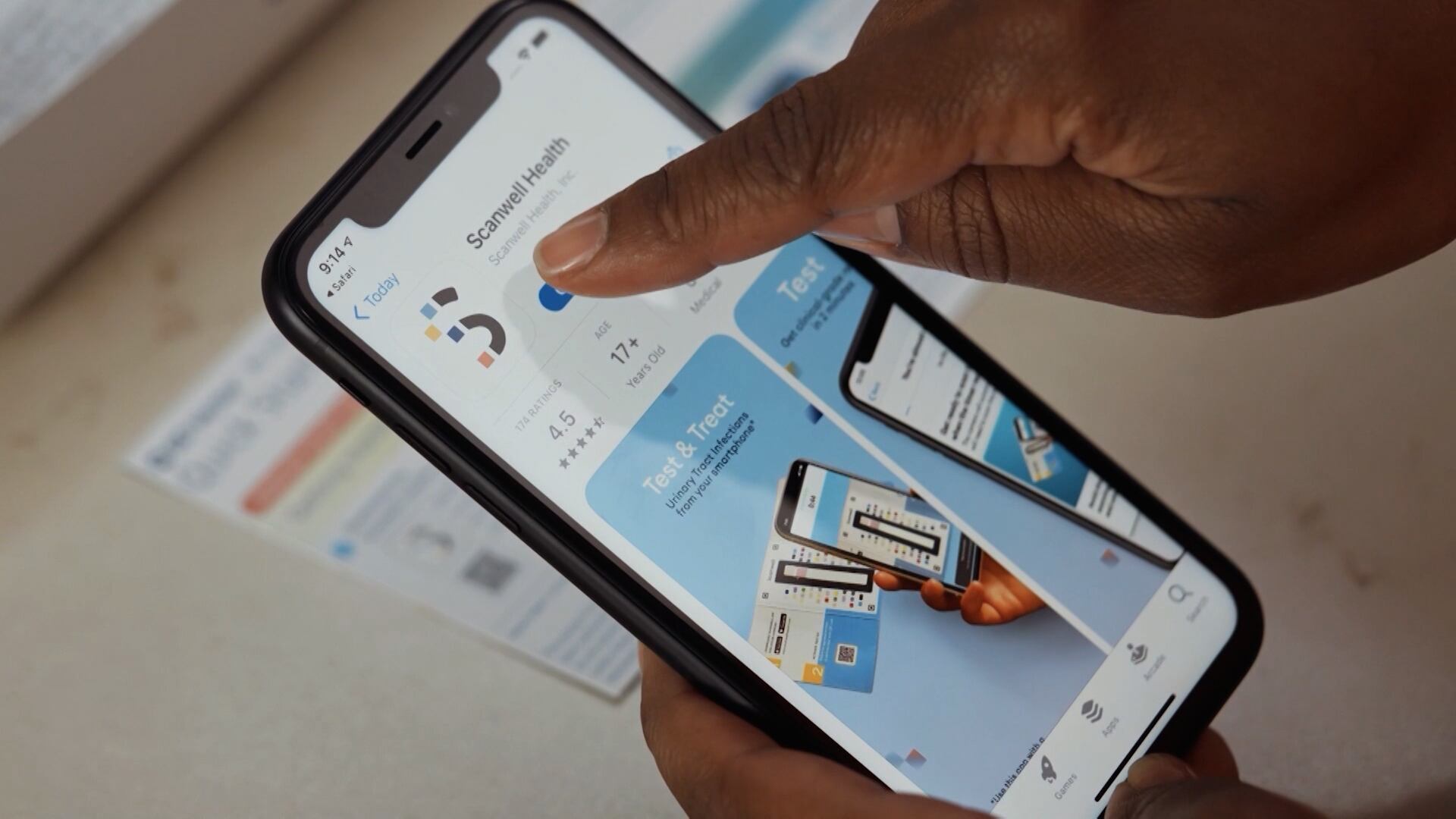
BD Veritor is a variation of the at-home COVID test that uses a smartphone to interpret the results. The test is taken via a nose swab test strip that is then scanned by your phone’s camera with the result clearly displayed as positive or negative. James Walker, vice president of integrated diagnostics USA for BD, joined Cheddar to discuss how the test hopefully takes the "guesswork out of testing." Walker also went into what BD is doing to deal with the surging demand for at-home tests amid the omicron spread. "While we don't disclose how much we produce, we have capacity to manufacture up to 12 million rapid antigen tests per month and are delivering on our commitments to distributors and retailers," he said.