*By Bridgette Webb*
Turtle Beach is on a roll.
The headset producer unveiled a new line of gaming gear called Atlas that's specifically designed for PC gamers.
"We are doing the same thing in the PC segment that we are doing in the console headset gaming segment for many years," said Turtle Beach CEO Juergen Stark in an interview Thursday on Cheddar. "We've put a lot of effort in making sure the build quality, the audio quality and the mic quality is the best you can get."
The new headset was introduced after the company reported second-quarter results that blew away analysts' expectations. Net revenue, net income, and earnings were higher than any second quarter since the company's 2014 IPO. Turtle Beach reported $60.8 million in revenue for the quarter ー up from $19.1 million the year before.
Stark attributed Turtle Beach's success to cost cutting on one side of its balance sheet and the booming demand for headsets generated by the popularity of battle royale games Fortnite and PUBG.
As promising a year as it's been so far, Stark said international tariffs could hurt sales of the imported Turtle Beach headsets.
"It will effect retail pricing for us, and for everyone in the category if what people are threatening goes through," he said. "I'm hopeful that it doesn't happen, I don't see how increasing the prices for consumers for everything you buy that's electronic is going to help anybody."
When asked how tariffs would affect the price of gaming headsets, Stark offered a matter-of-fact outlook.
"If there is a 10 percent tariff and you are building a product in China, the retail price point is going to go up 10 percent. If it's a 25 percent tariff that's being threatened, the retailer is it going to go up 25 percent."
For more on this story, [click here](https://cheddar.com/videos/turtle-beach-expands-further-into-pc-gaming).
Kevin Systrom and Mike Krieger, who launched the photo-sharing app in 2010, have resigned and will leave the company in the coming weeks, according to the New York Times. The news is the latest blow for Facebook, which bought Instagram in 2012 for $1 billion. The app has been a bright point for the company, with a billion monthly active users as of June.
Tune in to Cheddar Tuesday morning for the latest.
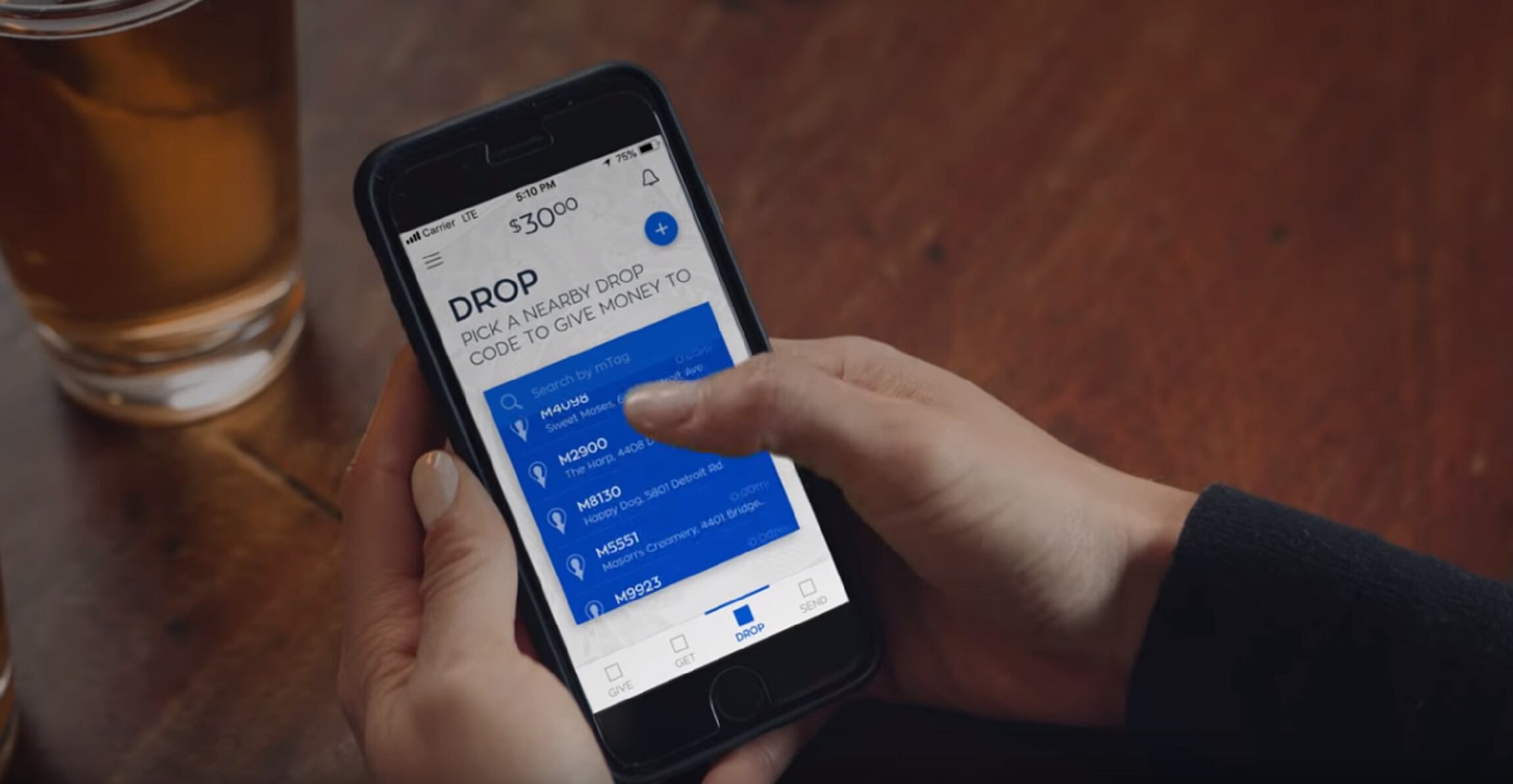
Mezu is joining the growing list of money-transfer apps by staking out a niche for privacy-conscious consumers. CEO Yuval Brisker said Mezu's selling point is the ability to transfer money without the use of personal information, like email or phone numbers.
Warren Schlichting, president of Sling TV, spoke to Cheddar from Denver Startup Week Monday about the changing media landscape. "I don't want to pay for things I'm not watching," he said, channeling the mantra of the 2.3 million cord-cutters who make up Sling's customer base.
These are the headlines you Need 2 Know.
Comcast's $38.8 billion winning bid for British satellite broadcaster Sky was a "shocking price" to pay for international expansion, said Rich Greenfield, media and tech analyst at BTIG.
Shares of Pandora surged Monday after the satellite radio company announced an all-stock deal to acquire the streaming service. Sirius made a $480 million investment in the company last year, taking about a 15 percent stake in it. BTIG analyst Rich Greenfield says the deal is probably bittersweet for Pandora which "really failed as a public company."
The blockchain has made its way into a slew of industries. Next at bat ー the sports world. The Los Angeles Dodgers are moving away from traditional promotions and have begun using crypto tokens to give away digital bobbleheads to fans. Ralph Esquibel, VP of information technology for the team, said this is the first giveaway of its kind and could lead to more experiments with cryptocurrencies.
GSTV, which delivers content across thousands of fuel retailers in the U.S., reaches 75 million unique visitors and hopes to reach one in two adults in the next few years. Sean McCaffrey, president and CEO of GSTV, said that the scale of the company is increasing daily.
GSTV recently partner with Cheddar to distribute content through its outlets.
The Canadian cannabis company has seen exponential growth with shares doubling since just mid-August, when Corona-maker Constellation Brands upped its stake with a $4 billion investment. CEO Bruce Linton said interest is now coming from pharma giants, which will rely on companies like Canopy for research, patented technology, and formulas.
Facebook plans to finally unveil its Portal video chat device for the home next week, Cheddar has learned. The device will function similarly to an Amazon Echo Show with social features and come in two screen sizes, according to people familiar the matter. The wide-angle video camera will use artificial intelligence to recognize people in the frame and follow them as they move throughout a room.