Turkey’s president promised Saturday to rescue the Marmara Sea from an outbreak of “sea snot” that is alarming marine biologists and environmentalists.
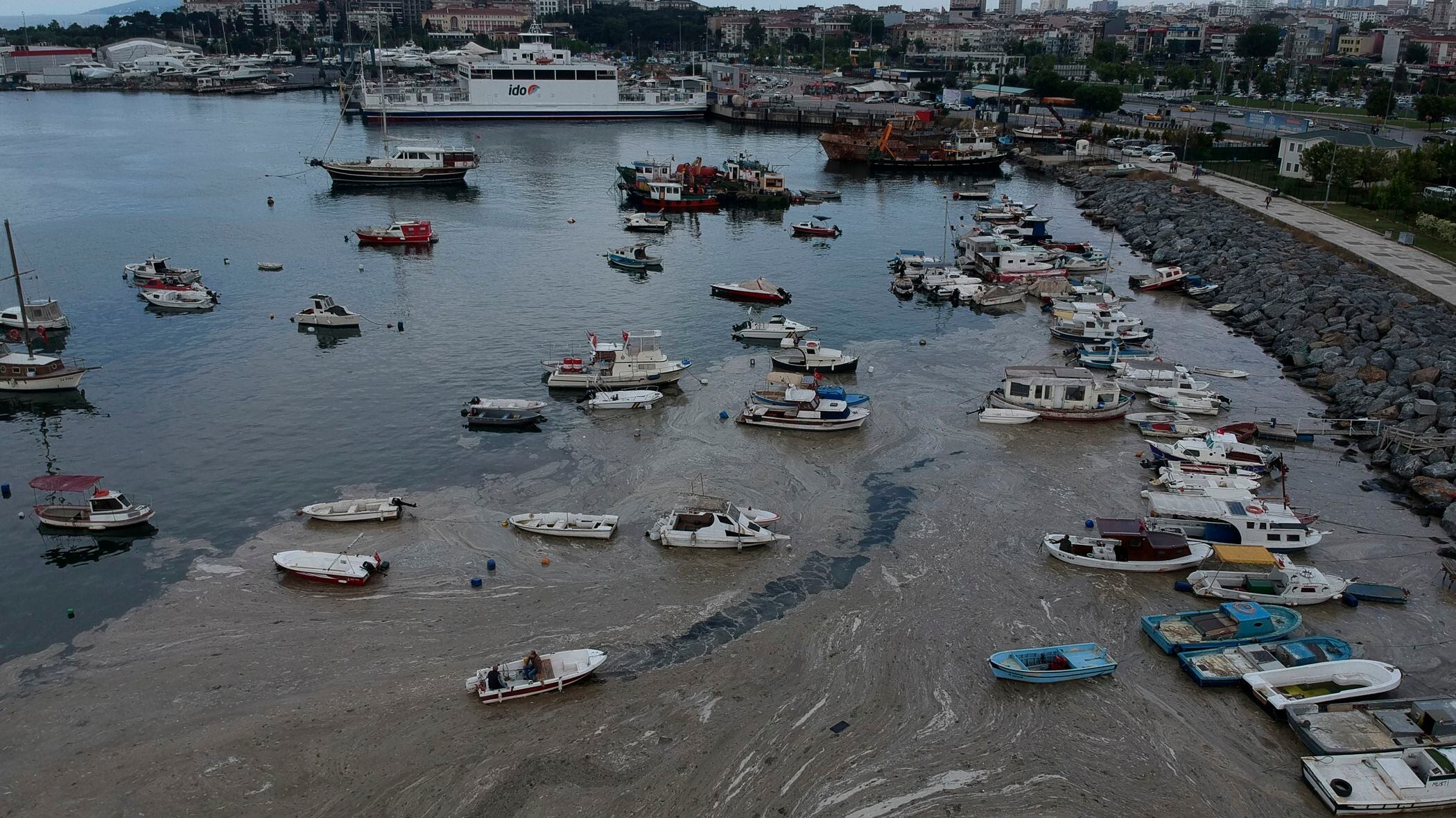
A huge mass of marine mucilage, a thick, slimy substance made up of compounds released by marine organisms, has bloomed in Turkey's Marmara, as well as in the adjoining Black and Aegean Seas.
Turkish President Recep Tayyip Erdogan said untreated waste dumped into the Marmara Sea and climate change had caused the sea snot bloom. Istanbul, Turkey’s largest city with some 16 million residents, and five other provinces, factories and industrial hubs border the sea.
Marine mucilage has reached unprecedented levels this year in Turkey. It is visible above the water as a slimy gray sheet along the shores of Istanbul and neighboring provinces. Underwater videos showed suffocated coral covered with sea snot.
Erdogan said he instructed the Ministry of Environment and Urbanization to coordinate with relevant institutions, municipalities and universities. Teams are inspecting waste water and solid waste facilities, along with other potential sources of pollution, he said.
“We will save our seas from this mucilage calamity, leading with the Marmara Sea,” Erdogan said. “We must take this step without delay.”
Marine experts say that human waste and industrial pollution is choking Turkey’s seas. They say the rise in water temperatures from climate change is contributing to the problem.
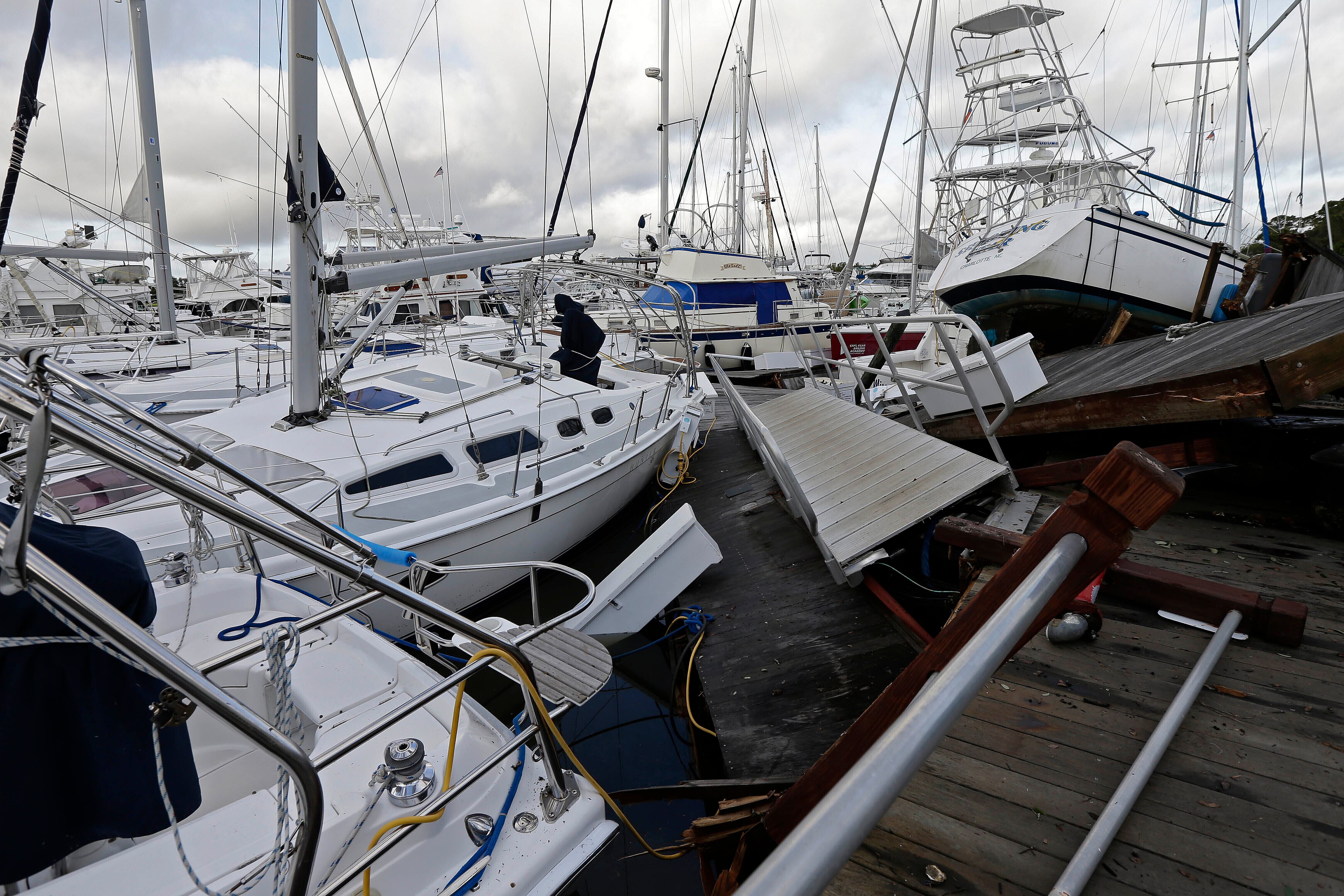
The National Oceanic and Atmospheric Administration Thursday increased its forecast for the number of named storms, hurricanes and major hurricanes this year to far above normal.
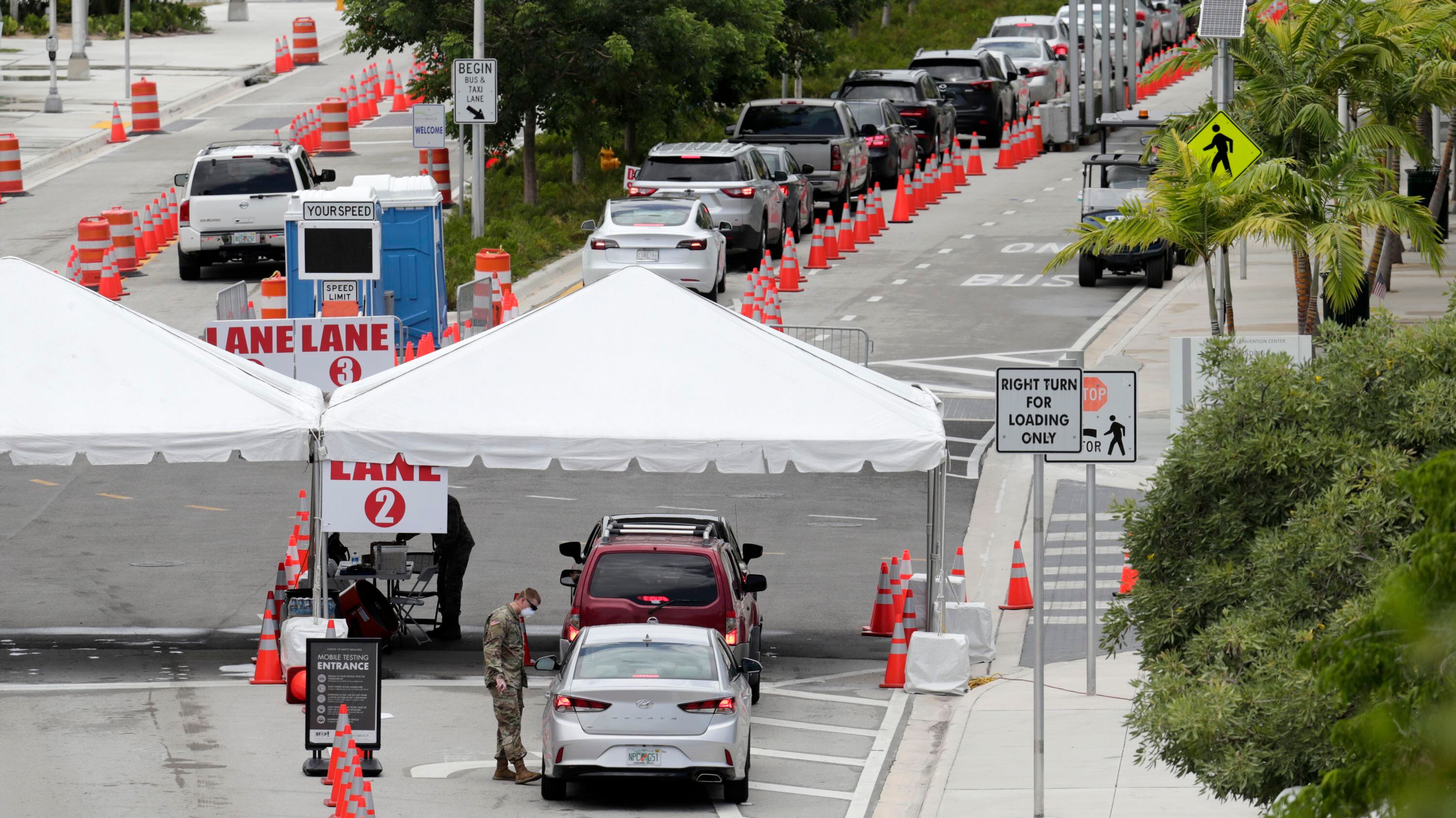
U.S. testing for the coronavirus is dropping even as infections remain high and the death toll rises by more than 1,000 a day.
Verizon Media launches 'Yahoo Life,' a website dedicated to provided well-being services. CEO Guru Gowrappan talked to Cheddar about helping provide support for Verizon's employees and customers along with society at large.
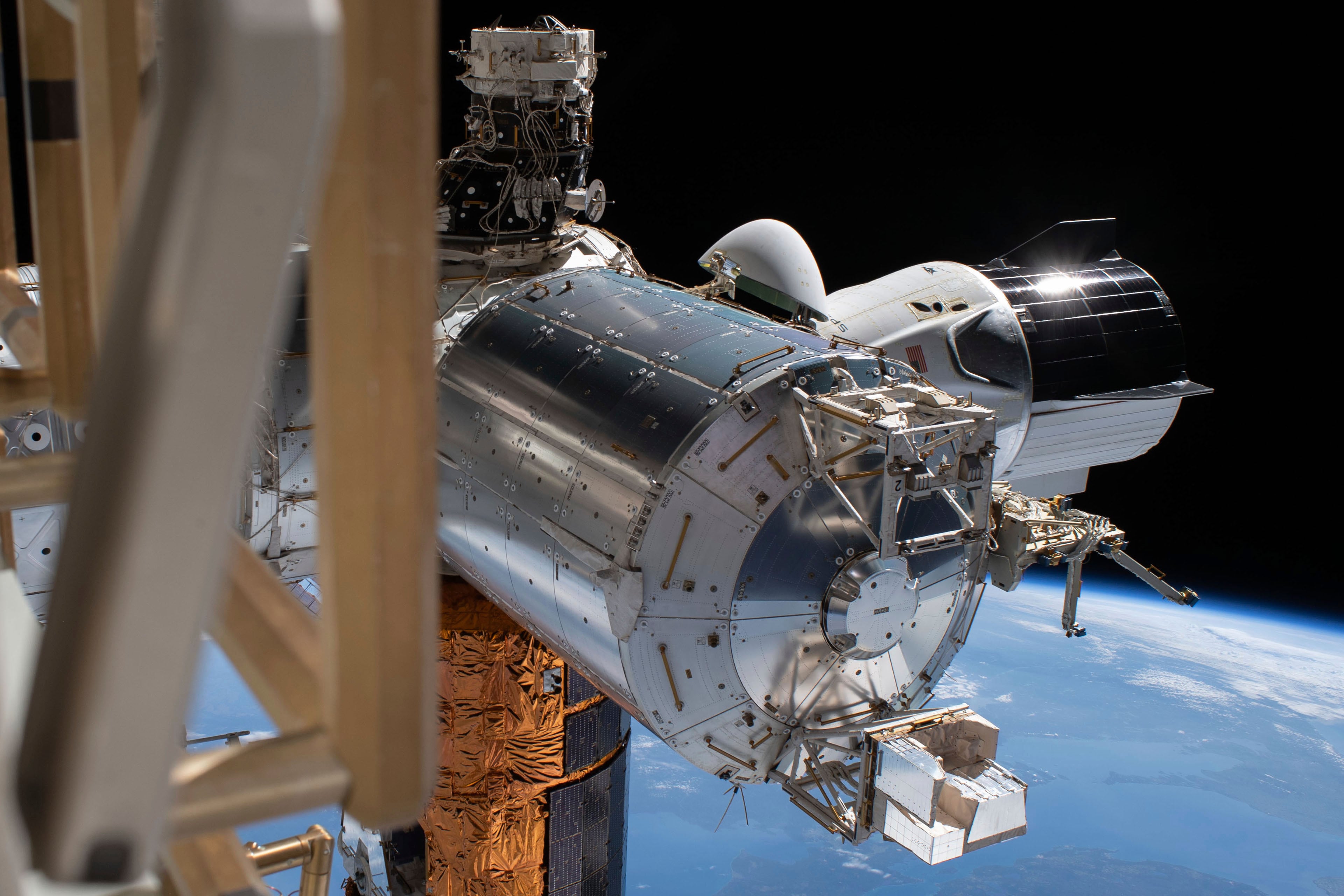
Garret Reisman talks difficulty of returning to Earth from space as Nasa and SpaceX prepare for a return mission.
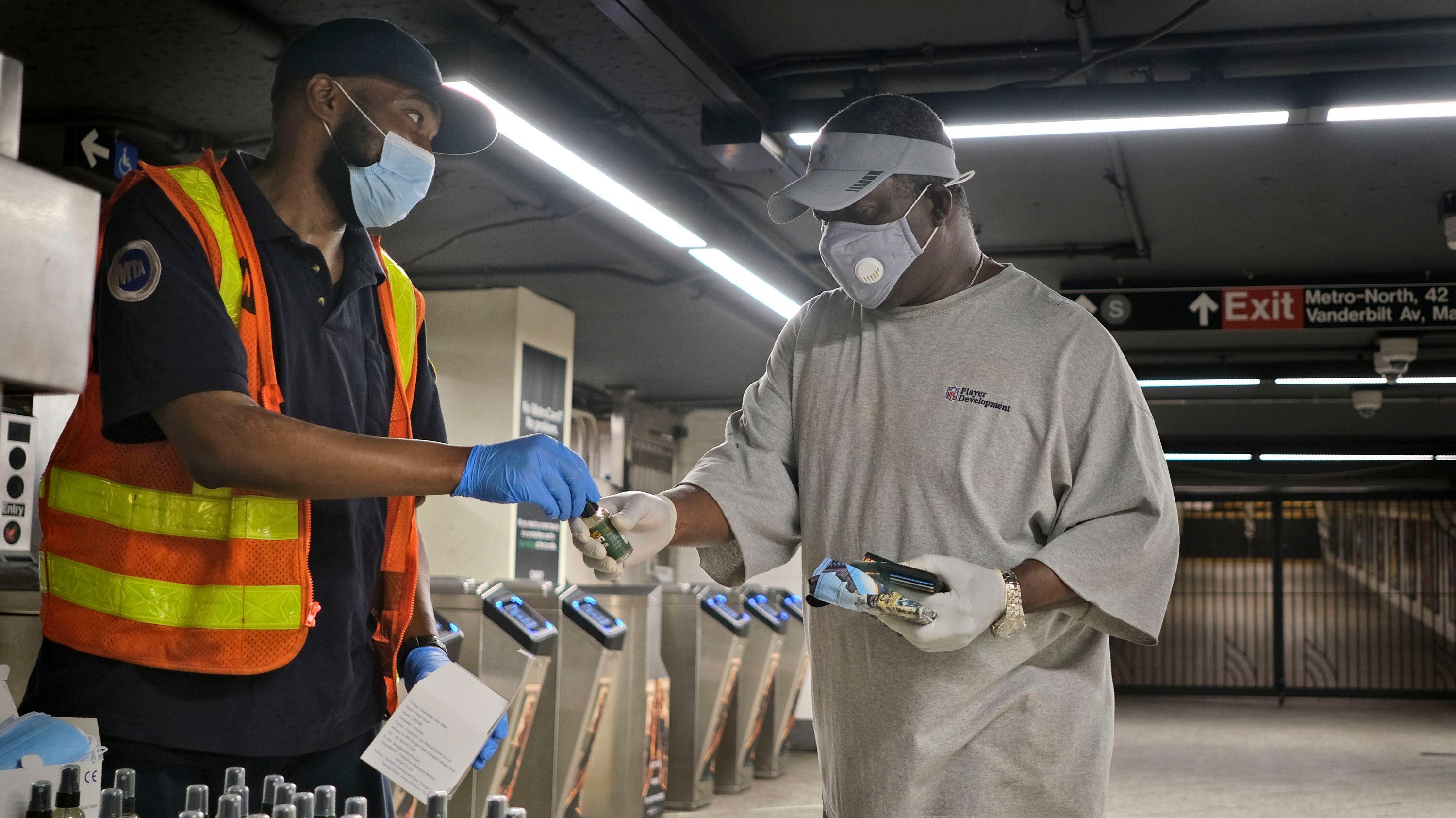
Transportation Workers Union Local 100 and the NYU School of Global Public Health are conducting a comprehensive study about why the pandemic hit the workers of New York City's transit system so hard early in the outbreak.
From Wall Street to Silicon Valley, these are the top stories that moved markets and had investors, business leaders, and entrepreneurs talking this week on Cheddar.
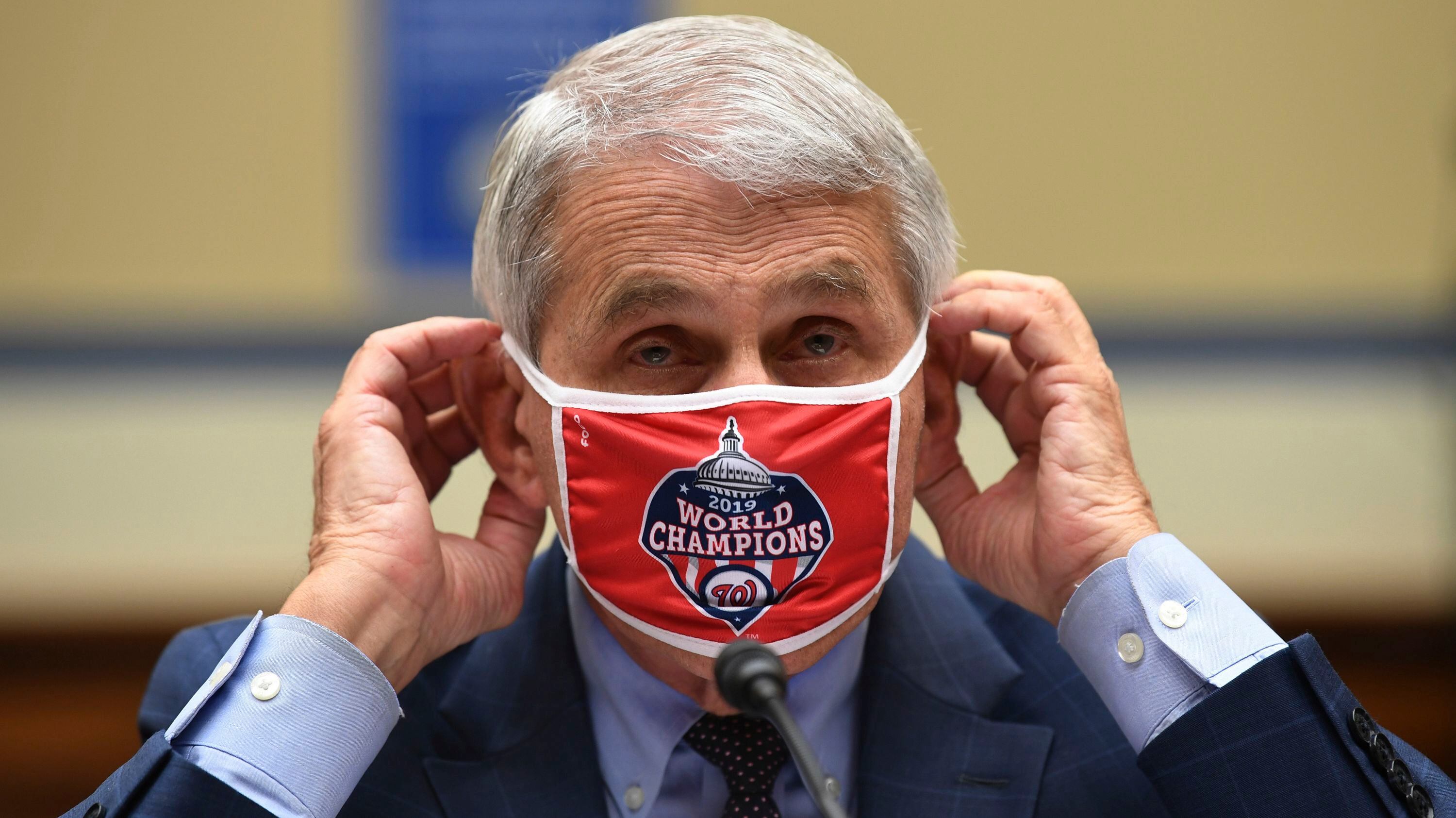
Dr. Anthony Fauci has told lawmakers that once a coronavirus vaccine is approved as safe and effective, Americans should have widespread access within a reasonable time.
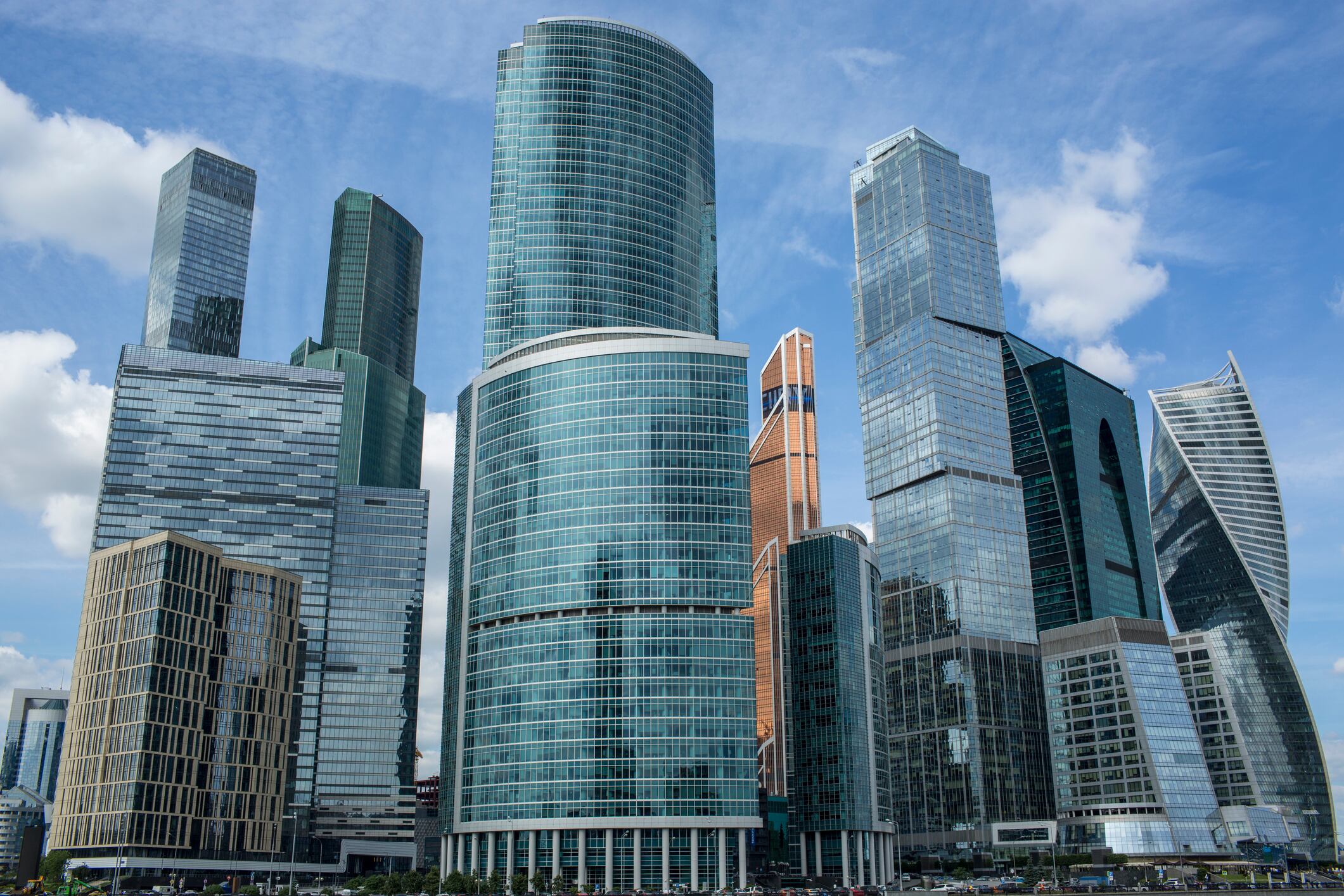
New York City has over 6,000 high rise buildings and for the last 75 years most of the skyscrapers built were constructed with glass facades. This trend has continued in cities across the world like London, Moscow, and Shanghai. But over the years, the drawbacks have become more prominent. They may look like elegant symbols of modernity, but beyond that shimmer is a list of problems that has some leaders proposing bans. All that beauty comes at a price.
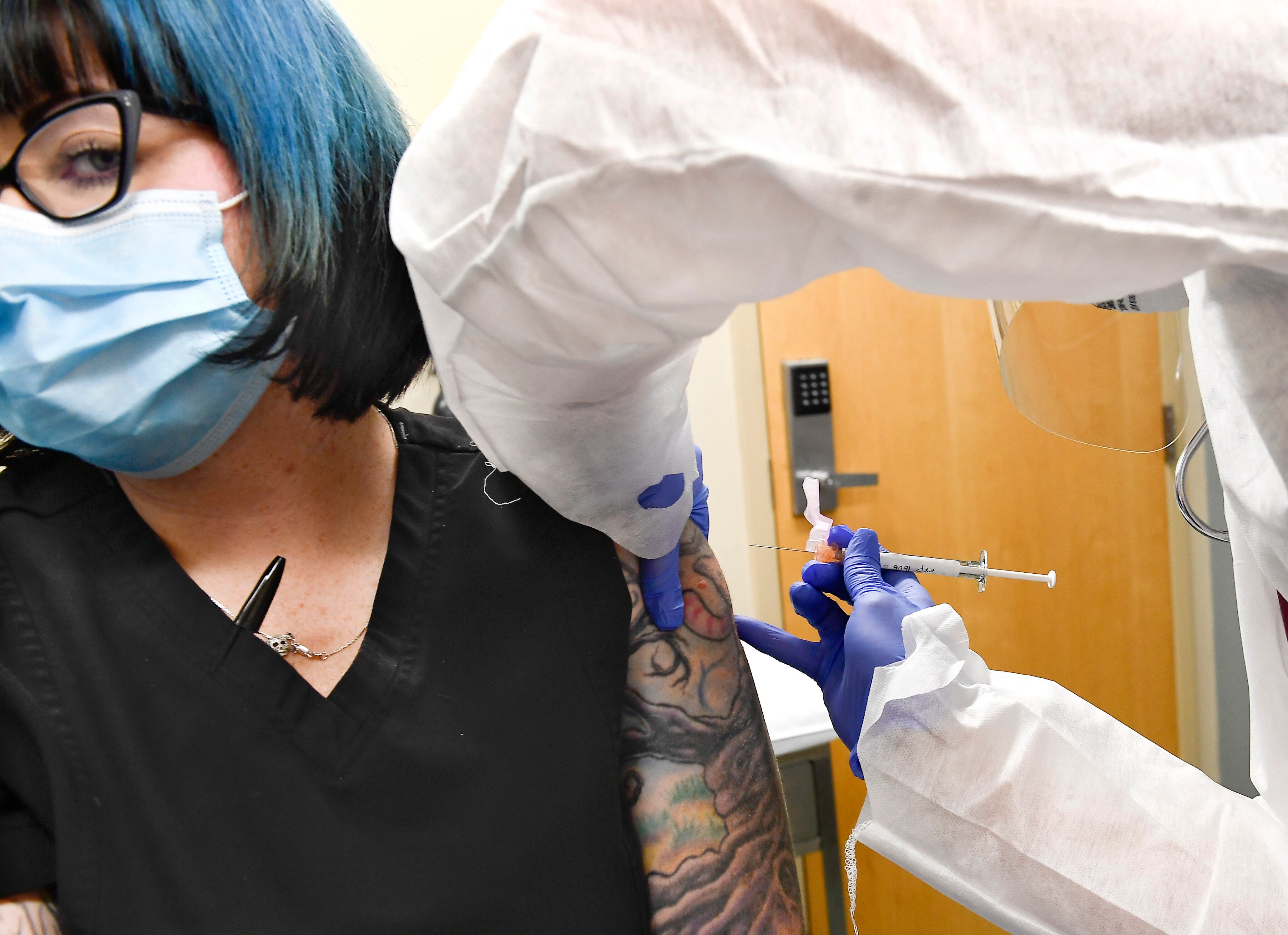
Volunteers rolled up their sleeves Monday to take part in the biggest test yet of an experimental COVID-19 vaccine.
From Wall Street to Silicon Valley, these are the top stories that moved markets and had investors, business leaders, and entrepreneurs talking this week on Cheddar.